
The call of the Andes is strong, but for a certain breed of cyclist, it’s not just the peaks that beckon, but the exhilarating descent from them. Among the world’s most legendary routes, cycling the Death Road Bolivia stands out as an unparalleled adventure. Officially known as the North Yungas Road, or “El Camino de la Muerte,” this path offers a journey through dramatic landscapes, from icy Andean highlands to lush Amazonian cloud forest, promising an experience that tests skill, nerve, and appreciation for raw natural beauty.
The Infamous North Yungas Road: A History Forged in Peril
The North Yungas Road earned its ominous moniker through decades of tragic history. Constructed by Paraguayan prisoners during the Chaco War in the 1930s, it was initially a vital, albeit treacherous, connection between Bolivia’s capital, La Paz, and the Amazon basin’s Yungas region. Before a safer bypass highway opened in 2006, the road claimed an estimated 200 to 300 lives annually from vehicles plummeting off its unguarded edges. In 1995, the Inter-American Development Bank officially declared it the “World’s Most Dangerous Road,” a title that cemented its fearsome reputation.
Today, with most vehicular traffic diverted, the old North Yungas Road has transformed into a premier destination for adventure tourism, particularly for those keen on cycling the Death Road Bolivia. While significantly safer due to reduced traffic, the inherent challenges of the terrain ensure it remains a serious undertaking, demanding respect and preparedness.
The Route: A Descent into Adventure
The journey typically begins at La Cumbre Pass, a breathtaking starting point situated at an altitude of approximately 4,700 meters (around 15,400 feet) above sea level. From this chilly, often misty Andean peak, cyclists embark on a remarkable descent of over 3,400 to 3,500 vertical meters (11,000 to 11,600 feet) to the warmer, humid jungle lowlands near Yolosa or Coroico, at an elevation of about 1,100 to 1,200 meters (3,600 to 3,900 feet). The entire route spans approximately 64 to 69 kilometers (40 to 43 miles), offering a continuous downhill thrill.
Stages of the Descent
- The Warm-up (Paved Section): The initial segment, usually around 20 to 22 kilometers, is often a paved road. This section provides an excellent opportunity to get accustomed to the bike, test the brakes, and enjoy the high-altitude scenery before tackling the more challenging terrain.
- The “Real” Death Road (Unpaved Section): After the paved warm-up, the true adventure begins on the unpaved, gravel, and dirt sections of the North Yungas Road. This part, spanning roughly 30 to 44 kilometers, is where the road narrows significantly, often to just 3 to 3.5 meters (10 to 11 feet) wide, with sheer drops on one side and towering rock faces on the other. Expect loose rocks, gravel, mud, and even small waterfalls crossing the path, especially during the rainy season.
Technical Insights for Cycling the Death Road Bolivia
The road conditions vary dramatically with altitude and weather. At the higher elevations, the air is cold and often misty, transitioning to warm and humid jungle conditions as you descend. The dry season (May to October) generally offers clearer conditions, though dust can be an issue and rockfalls are still possible. The rainy season (December to March) brings slippery surfaces, reduced visibility due to fog, and an increased risk of mudslides.
A unique rule on the Death Road is that traffic drives on the left, unlike the rest of Bolivia. This allows descending drivers (and cyclists) a better view of their outer wheels relative to the cliff edge. While most tours guide cyclists on the mountain side, awareness of this rule is crucial, especially if encountering local vehicles.
You might also enjoy: Conquer the Coast: An Epic Guide to Bike Touring the Great Ocean Road Australia
Gear Up for the Challenge
Proper equipment is paramount for a safe and enjoyable experience. Reputable tour operators will provide high-quality gear, but it’s good to know what to expect:
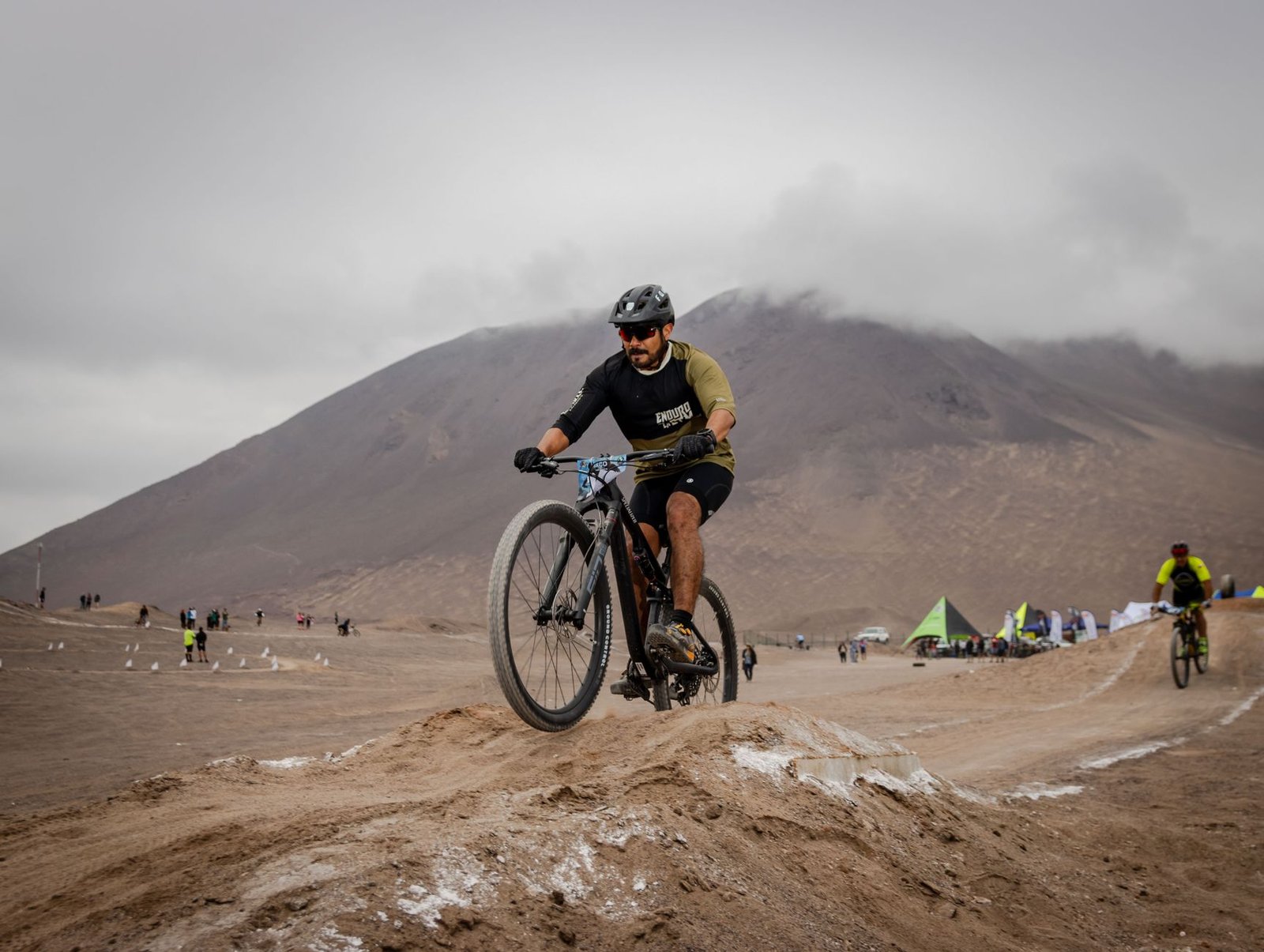
- Mountain Bike: A full-suspension mountain bike is highly recommended for absorbing the shocks of the rocky and uneven terrain. Ensure the brakes are in excellent condition.
- Protective Gear: A full-face helmet, gloves, elbow pads, and knee pads are essential for protection in case of a fall.
- Layered Clothing: The temperature change from top to bottom is significant. Wear layers that can be easily removed or added. A waterproof or water-resistant jacket and pants are advisable, especially if riding during the rainy season.
- Essentials: Sunglasses, sunscreen, insect repellent, and plenty of water are vital. A small backpack to carry these items and any layers you shed is useful.
Training and Technique Tips
While extreme mountain biking skills aren’t strictly necessary, a good baseline of fitness and bike handling experience is beneficial.
- Braking Control: The descent is long, requiring constant brake feathering. Develop strong grip endurance to avoid hand fatigue. Practice controlled braking on varied terrain before your trip.
- Body Positioning: Maintain a relaxed, athletic stance on the bike, allowing it to move beneath you. Shift your weight back on steeper descents to maintain control and prevent going over the handlebars.
- Pace Yourself: This is not a race. Go at a comfortable speed, focusing on the path ahead. Many accidents occur when riders attempt to go too fast or get distracted.
- Mental Preparedness: The sheer drops can be intimidating. Stay focused on the immediate trail and trust your bike and guides. Take breaks to admire the views when it’s safe to do so.
Safety First: Navigating the Death Road
Despite its transformation into a tourist attraction, the Death Road remains genuinely dangerous, and cyclists have unfortunately lost their lives on it. The single most important safety decision is choosing a reputable tour operator. Look for companies with documented safety protocols, well-maintained bikes, and experienced, English-speaking guides. Most tours include a support vehicle that follows the group, offering a place to rest or store belongings.
Travel insurance that explicitly covers adventure activities like mountain biking is essential. Always follow your guide’s instructions, stay on the designated path, and avoid distractions like taking photos while riding.
Personal Insights from Alex Trail
Having experienced the exhilarating descent of the Death Road, we can attest that it is more than just a bike ride; it’s a sensory overload. The crisp, thin air at La Cumbre, the gradual transition through misty cloud forests, and the eventual warmth of the jungle create an unforgettable tapestry of environments. The feeling of navigating the narrow, winding path, with waterfalls cascading over the road and the immense drops stretching below, is a potent mix of awe and adrenaline. It’s a journey that demands respect for the road’s history and its raw power, leaving one with a profound sense of accomplishment and a deeper appreciation for Bolivia’s incredible landscapes. The camaraderie among fellow riders, sharing in the challenge and the triumph, adds another layer to this truly unique adventure.
Conclusion: Conquer the Camino de la Muerte
Cycling the Death Road Bolivia is an iconic adventure that offers a thrilling blend of history, natural beauty, and physical challenge. It’s a journey from the high Andes to the Amazon, a descent through diverse ecosystems, and an experience that will undoubtedly become a highlight of any cycling enthusiast’s travels. With proper preparation, the right gear, and a reputable tour operator, you can safely conquer “El Camino de la Muerte” and earn bragging rights for a lifetime.
You might also enjoy: Conquer the South: Unveiling Epic Cycling Routes in New Zealand South Island
Are you ready to face the legendary North Yungas Road? Start planning your Bolivian cycling adventure today!
Frequently Asked Questions
How long does it take to cycle the Death Road Bolivia?
Most tours for cycling the Death Road Bolivia are full-day excursions. The actual biking descent typically takes around 4 to 5 hours, depending on the group’s pace and the number of stops for photos and rest.
Is cycling the Death Road Bolivia dangerous for beginners?
While the road has a fearsome reputation, modern tours with reputable operators and well-maintained equipment make it accessible to cyclists with basic bike handling skills. It’s primarily a downhill ride, but requires focus and careful braking. Beginners should choose a tour known for prioritizing safety and going at a comfortable pace.
What is the best time of year for cycling the Death Road Bolivia?
The dry season, from May to October, is generally considered the best time to cycle the Death Road Bolivia due to less rain, which means less mud and better visibility. However, even during the dry season, dust and occasional rockfalls can occur. The rainy season (December-March) can be more challenging with slippery conditions and fog.
Do I need special insurance for cycling the Death Road Bolivia?
Yes, it is highly recommended to have travel insurance that specifically covers adventure activities like mountain biking. Standard travel insurance policies may not cover such activities, so it’s crucial to verify your coverage before embarking on the trip.
Related Adventures
- Conquer the Coast: An Epic Guide to Bike Touring the Great Ocean Road Australia
- Conquer the South: Unveiling Epic Cycling Routes in New Zealand South Island
- Mountain Biking Yukon Wilderness: An Epic Northern Adventure Awaits
⚠️ Safety Notice: This content is for informational purposes only. Always consult local guides and operators, verify current conditions, and ensure appropriate skills and certifications before any outdoor activity. DiveBikeHike is not responsible for injuries or incidents.