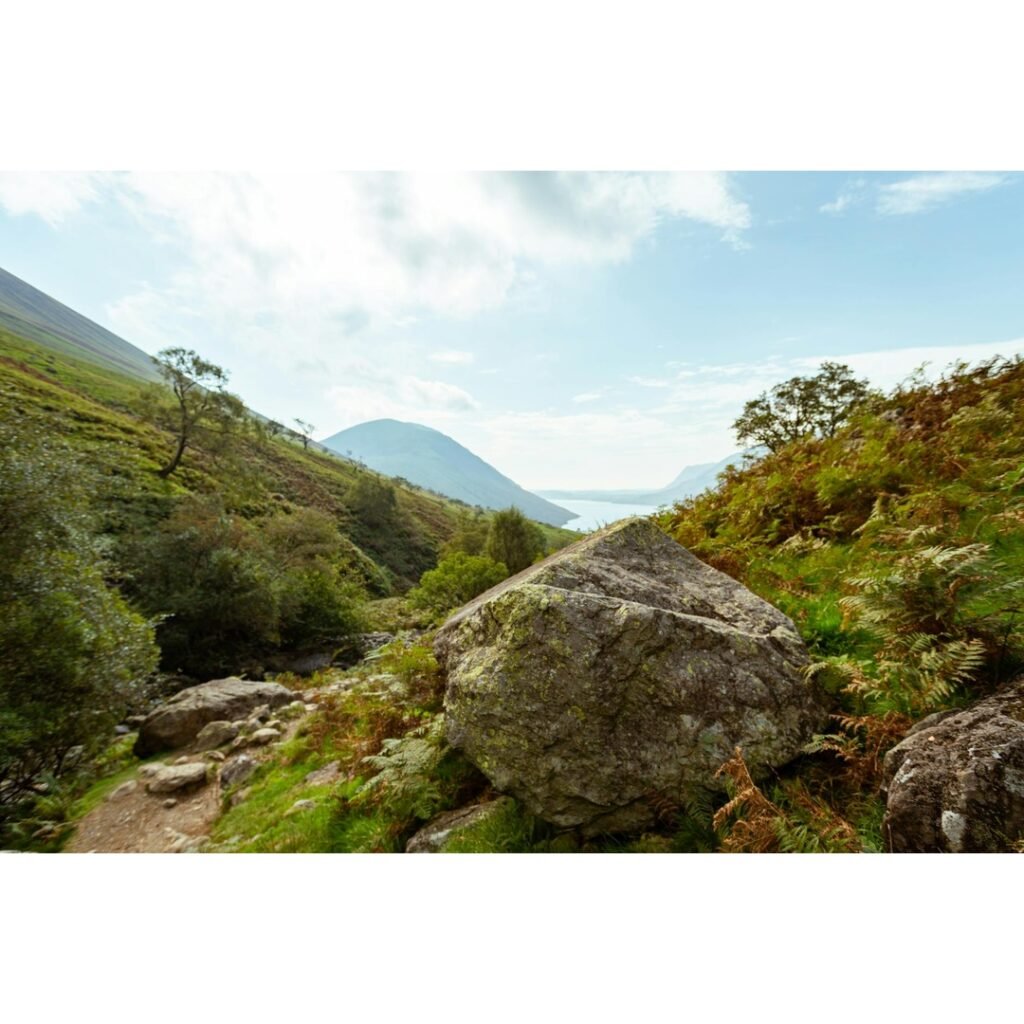
The Lake District National Park, a jewel in England’s crown, beckons with its dramatic fells, shimmering lakes, and picturesque valleys. For hiking enthusiasts, the allure of undertaking walks in the Lake District England is undeniable, offering a profound connection with nature and landscapes that have inspired poets and artists for centuries. This guide aims to equip adventurers with the knowledge and inspiration to explore this magnificent region responsibly and safely.
Embracing the Diverse Landscape: Walks in the Lake District England for Every Hiker
The Lake District caters to all levels of walking experience, from leisurely rambles suitable for families to strenuous climbs that challenge even the most seasoned mountaineers. Understanding the variety of trails available is key to planning an enjoyable and safe excursion.
Gentle Lakeside Strolls and Valley Rambles
For those seeking a more relaxed pace, the Lake District offers numerous low-level walks that provide stunning views without significant elevation gain. These routes are perfect for beginners, families, or anyone wishing to soak in the scenery at a leisurely tempo.
- Tarn Hows Circular Walk: Located near Coniston and Hawkshead, this popular circular walk is approximately 1.5 miles long and is largely accessible, offering panoramic views of the fells. It is suitable for families and individuals of mixed abilities.
- Buttermere Circular: Often described as one of the most picturesque easy walks, the path around Buttermere Lake is about 4.5 miles, offering stunning views of the surrounding fells like Fleetwith Pike and the High Stile Range. It’s a relatively flat and easy-to-navigate stroll.
- Rydal Water: A circular hike around Rydal Water offers a bit more ascent than some other easy walks but remains rewarding and accessible.
- Derwentwater: The area around Derwentwater, near Keswick, provides several easy options, including a short, easy loop around Castlehead wood, offering excellent views of the lake and surrounding hills.
Moderate Hill Walks and Fell Ascents
For hikers looking to challenge themselves a little more, the Lake District presents a wealth of moderate walks that involve some ascent and varied terrain, rewarding efforts with expansive vistas.
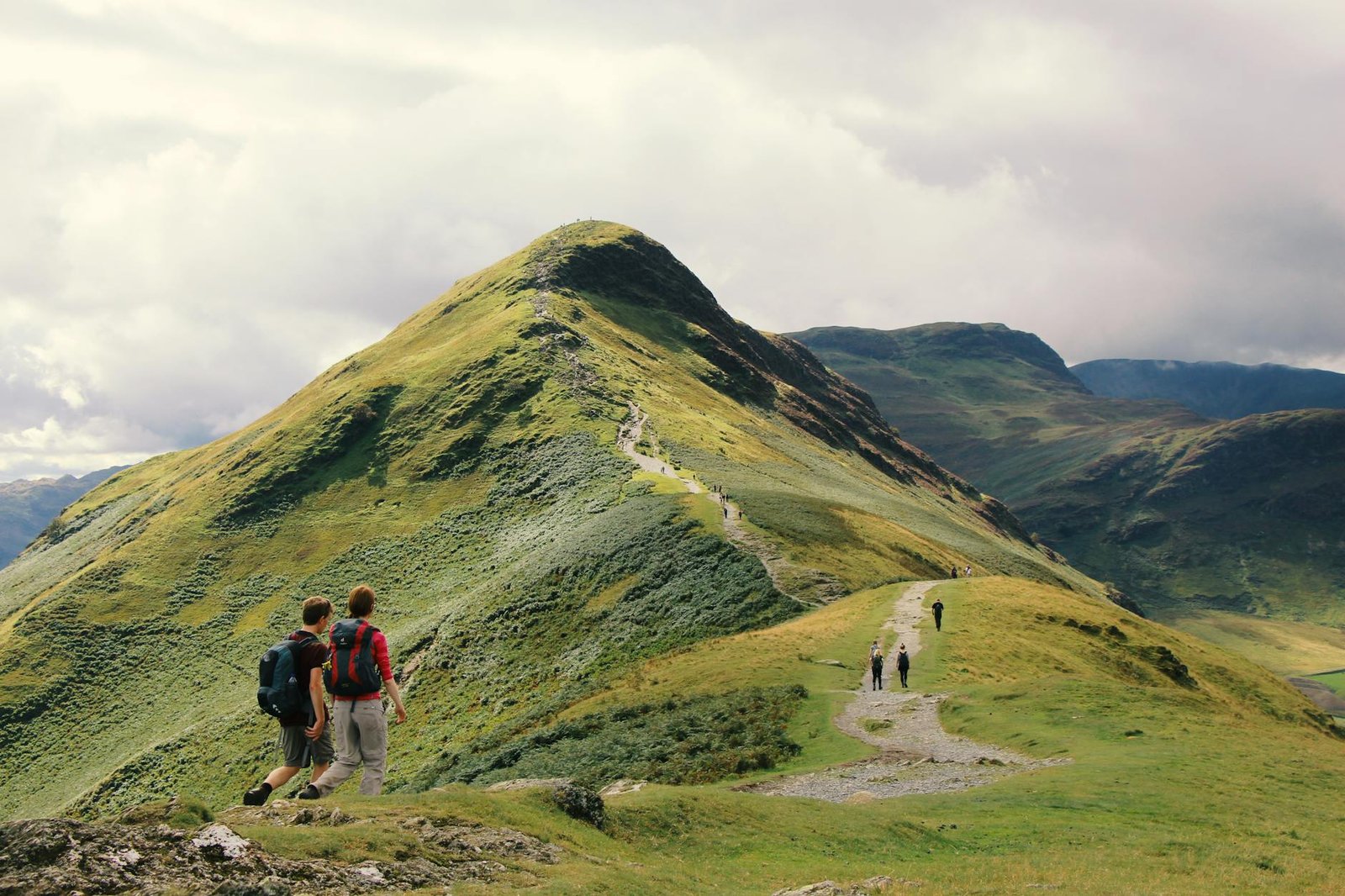
- Catbells, Derwentwater: This classic hike is a favourite for good reason. Situated just outside Keswick, the views from the summit over Derwentwater and towards Skiddaw and Blencathra are sensational. The undulating peak is not overly difficult to climb, with several flat sections allowing for rest and appreciation of the scenery.
- Loughrigg Fell: Near Ambleside, Loughrigg Fell offers multiple routes to its summit, providing 360-degree views of Grasmere, Rydal Water, and Ambleside. Routes typically vary from 3 to 5 miles.
- Orrest Head, Windermere: This short circular route from Windermere was Alfred Wainwright’s first fell climb. On a clear day, hikers are treated to incredible views over Lake Windermere and a panorama looking north-west towards the Old Man of Coniston, Scafell Pike, Great Gable, Fairfield, and the Langdale Pikes. The path has been redeveloped, making it suitable for pushchairs and off-road mobility scooters.
- Gowbarrow Fell and Aira Force: This circular trail from the Aira Force National Trust car park takes in the impressive waterfalls and cascades before ascending to the summit of Gowbarrow Fell, offering great views of Ullswater.
Challenging Mountain Ascents and Iconic Peaks
Experienced hikers seeking a true test of endurance and navigation will find their calling on the Lake District’s higher fells. These challenging routes involve significant elevation gain, rocky terrain, and exposure to the elements.
- Scafell Pike: As England’s highest mountain, standing at 978 metres (3,209 feet) above sea level, Scafell Pike is a serious undertaking. There are many well-trodden routes, with some involving grade 1 and 2 scrambles. Popular and challenging options include the Corridor Route and routes from Wasdale Head.
- Helvellyn via Striding Edge or Swirral Edge: Helvellyn, England’s third-highest mountain at 950 metres (3,114 feet), offers exhilarating ridge walks. The routes via Striding Edge and Swirral Edge require scrambling ability and a head for heights, providing exposed but manageable scrambling.
- Skiddaw: The fourth-highest mountain in England, at 931 metres (3,053 feet), Skiddaw provides a long but generally less technical ascent than Helvellyn or Scafell Pike, with rewarding views from its broad summit. The Skiddaw Walk, starting from Keswick, is a 10.7-mile path offering views as far as the Pennines and even Scotland on a clear day.
- Great Gable: Standing at 899 metres (2,960 feet), Great Gable is a majestic mountain with a distinctive shape and wide summit offering mesmerising panoramas. The hike to these views can be strenuous due to steep terrain.
Practical Tips for Walks in the Lake District England
Preparation is paramount for a safe and enjoyable experience in the Lake District’s unpredictable environment.
You might also enjoy: Picos de Europa: A Hiker’s Ultimate Guide to Spain’s Majestic Mountain Trails
Essential Gear and Clothing
The weather in the Lake District can change rapidly, often within a short space of time. Layered clothing is crucial. Hikers should always carry:
- Sturdy Walking Boots: Essential for ankle support and grip on uneven, rocky, and potentially muddy terrain.
- Waterproof Jacket and Overtrousers: Be prepared for sudden rain showers.
- Insulating Layers: Fleece jackets, sweaters, and long-sleeved tops are vital to stay warm, even in summer.
- Hat and Gloves: Recommended year-round, as temperatures can drop significantly on higher ground.
- Sun Protection: Sunscreen, sunglasses, and a sun hat are important, as harmful UV levels increase with altitude.
- Comfortable Rucksack: Large enough to carry all essentials.
- Food and Water: Stay hydrated and fuelled, especially on longer routes. Carry emergency high-energy snacks.
- First Aid Kit: A basic kit is essential for treating minor injuries.
- Survival Bag or Group Shelter: Recommended for added security, especially on more remote or challenging walks.
- Walking Poles: Can help maintain balance and reduce stress on knees and back.
Navigation and Safety Considerations
The beauty of the Lake District can mask its potential dangers. Prioritising safety ensures a memorable adventure.
- Check the Weather Forecast: Always check the forecast the day before and again on the day of your walk. Mountain-specific forecasts from services like the Met Office Mountain Forecast or the Mountain Weather Information Service (MWIS) are highly recommended. Be prepared to turn back if conditions are poor, especially if snow, fog, or heavy rain are expected.
- Carry a Map and Compass: A physical map (such as OS Leisure or Explorer or Harveys Maps) and a compass, along with the knowledge to use them, are indispensable. Do not rely solely on mobile phones, as batteries can drain, and signal can be unreliable in remote areas.
- Inform Someone of Your Route: Always tell someone your planned route, estimated time of completion, and let them know once you are safely back.
- Walk with a Group: Solo walking is generally not advised, even for experienced hikers. Walking with a group provides support if an incident occurs.
- Emergency Services: In case of an emergency or injury, dial 999 or 112 and ask for ‘Cumbria Police’ then ‘Mountain Rescue’. The Lake District Search and Mountain Rescue Association (LDSAMRA) comprises 12 teams of highly-trained volunteers.
- Water Sources: It is advisable to avoid drinking directly from natural water sources without purification.
Environmental Stewardship: Treading Lightly in the Lake District
The Lake District is a precious natural environment, and it is the responsibility of every visitor to help preserve its beauty for future generations. Adhering to the Leave No Trace principles is fundamental.
- Plan Ahead and Prepare: Research your route, check access permissions, and ensure you have the right equipment to minimise your impact.
- Travel and Camp on Durable Surfaces: Stick to established trails and paths to avoid damaging vegetation and fragile ecosystems. When taking breaks, choose durable surfaces like rock, gravel, or dry grass.
- Dispose of Waste Properly: “If you bring it in, take it out.” Carry out all litter, including food scraps. If disposing of human waste, dig a cathole 15-20 cm deep at least 30 metres from water, campsites, and tracks, then cover and disguise it.
- Leave What You Find: Preserve the past by examining, but not touching, cultural or historic structures. Leave rocks, plants, and other natural objects as you find them. Avoid building cairns or structures.
- Respect Wildlife: Observe wild animals and birds from a distance. Never feed them, as human food can harm their health and alter their natural behaviour. Keep dogs under control, preferably on a lead.
- Be Considerate of Others: Respect other visitors, residents, and those working in the countryside. Keep noise levels down and yield to others on paths.
While wild camping is technically not permitted without landowner permission, it is often tolerated for one night if hikers adhere strictly to Leave No Trace principles and pitch above the highest fell wall.
Personal Insights from an Experienced Hiker
As experienced hikers like Summit Reid often reflect, the true essence of walks in the Lake District England lies not just in conquering peaks, but in the quiet moments of reflection and the profound connection forged with the natural world. There is a unique satisfaction in navigating a challenging ridge, feeling the wind on one’s face, and being rewarded with a panoramic view that stretches to the horizon. The Lake District’s ever-changing weather, while demanding respect, also contributes to its dramatic beauty, transforming familiar landscapes with mist, sun, or even a dusting of snow. The sense of accomplishment after a long day on the fells, followed by the warmth of a local pub, is a quintessential Lakeland experience. It is a place that continually invites exploration, offering new perspectives with each visit and fostering a deep appreciation for the wild spaces of England.
You might also enjoy: Unveiling Norway’s Fjord Majesty: A Hiker’s Ultimate Guide
Conclusion
The Lake District National Park is a hiker’s paradise, offering an unparalleled array of walks in the Lake District England. From tranquil lakeside paths to exhilarating mountain ascents, the opportunities for adventure and connection with nature are boundless. By preparing diligently, prioritising safety, and committing to environmental stewardship, every hiker can contribute to preserving this extraordinary landscape for generations to come. So, pack your boots, consult your map, and step out into the inspiring beauty of the Lake District. Your next unforgettable adventure awaits.
Frequently Asked Questions
What is the best time of year for walks in the Lake District England?
The Lake District is beautiful year-round, but for optimal hiking conditions, late spring (April-May) and early autumn (September-November) are often recommended. These shoulder seasons offer a good balance of weather and daylight, with fewer crowds than the peak summer months. Summer (June-August) provides warmer weather and longer days but can be very busy. Winter offers tranquil, dramatic landscapes, but routes can be challenging with cold temperatures, short days, and potential snow and ice.
Do I need a permit for hiking in the Lake District?
Generally, permits are not required for walking or hiking on public rights of way in the Lake District National Park. However, specific activities like boating or fishing on certain lakes, such as Bassenthwaite Lake, do require permits. While wild camping is technically not permitted without landowner permission, it is often tolerated for one night if strict Leave No Trace principles are followed and pitching is done above the highest fell wall.
What are some good moderate walks in the Lake District for someone with some hiking experience?
For hikers with some experience looking for moderate challenges, popular options include Catbells near Derwentwater, known for its sensational views without being overly difficult. Loughrigg Fell offers 360-degree views and routes typically between 3 to 5 miles. Orrest Head near Windermere provides incredible panoramas and was a favourite of Alfred Wainwright. Other moderate options include Raven Crag and Glenridding Dodd.
How should I prepare for unpredictable weather in the Lake District?
The weather in the Lake District is notoriously unpredictable and can change quickly. Always check mountain-specific weather forecasts before setting out. Hikers should pack layers of clothing, including a waterproof jacket and overtrousers, insulating layers, and a hat and gloves, even in summer. Sturdy walking boots with good grip are essential, and carrying sun protection is also advised.
Related Adventures
- Picos de Europa: A Hiker’s Ultimate Guide to Spain’s Majestic Mountain Trails
- Unveiling Norway’s Fjord Majesty: A Hiker’s Ultimate Guide
- Unveiling the Majesty: Your Ultimate Guide to Hiking Routes in the Swiss Alps
⚠️ Safety Notice: This content is for informational purposes only. Always consult local guides and operators, verify current conditions, and ensure appropriate skills and certifications before any outdoor activity. DiveBikeHike is not responsible for injuries or incidents.