For scuba diving enthusiasts seeking an experience unlike any other, the Seychelles offers an unparalleled adventure: diving Seychelles granite formations. This archipelago, nestled in the heart of the Indian Ocean, boasts a geological history that sets it apart globally. Unlike typical volcanic or coral islands, the Inner Islands of Seychelles are composed of ancient granite, remnants of the supercontinent Gondwana. These majestic rock formations extend beneath the waves, creating a dramatic and intricate underwater landscape that is both visually stunning and biologically rich.
As Marina Hayes, an experienced dive master, often remarks, “Diving here feels like exploring submerged cathedrals carved by time itself. The sheer scale and unique shapes of these granite structures are breathtaking, and the way marine life thrives amidst them is a constant marvel.” This guide delves into what makes diving Seychelles granite formations a bucket-list experience.
The Unique Geology Beneath the Waves
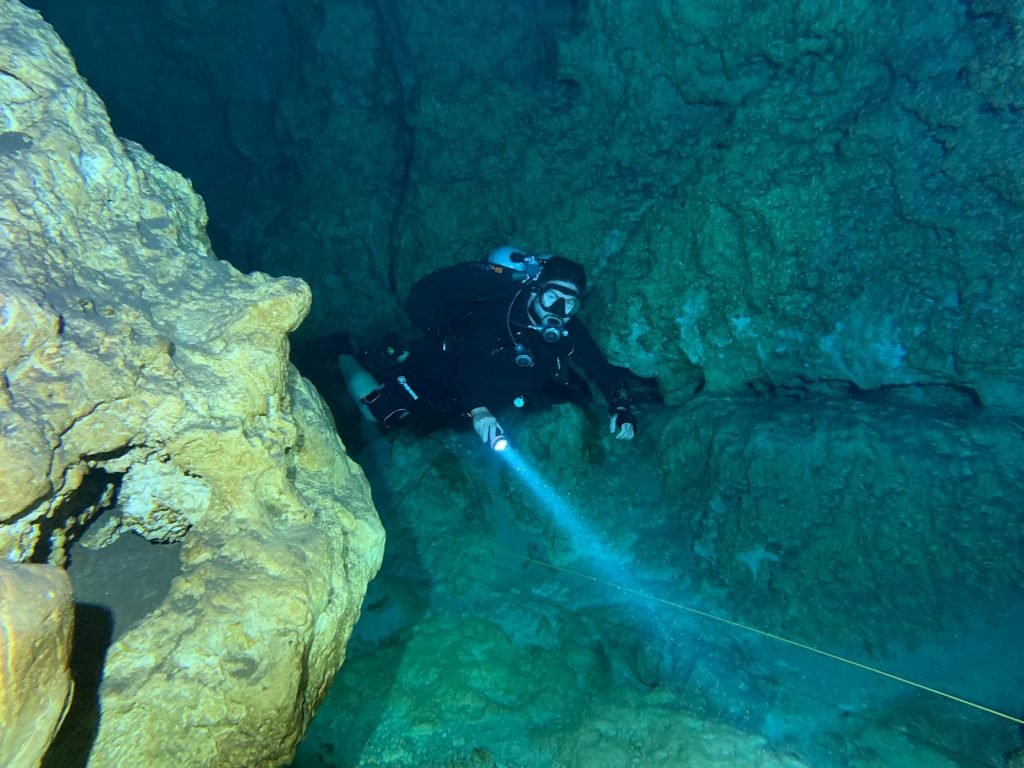
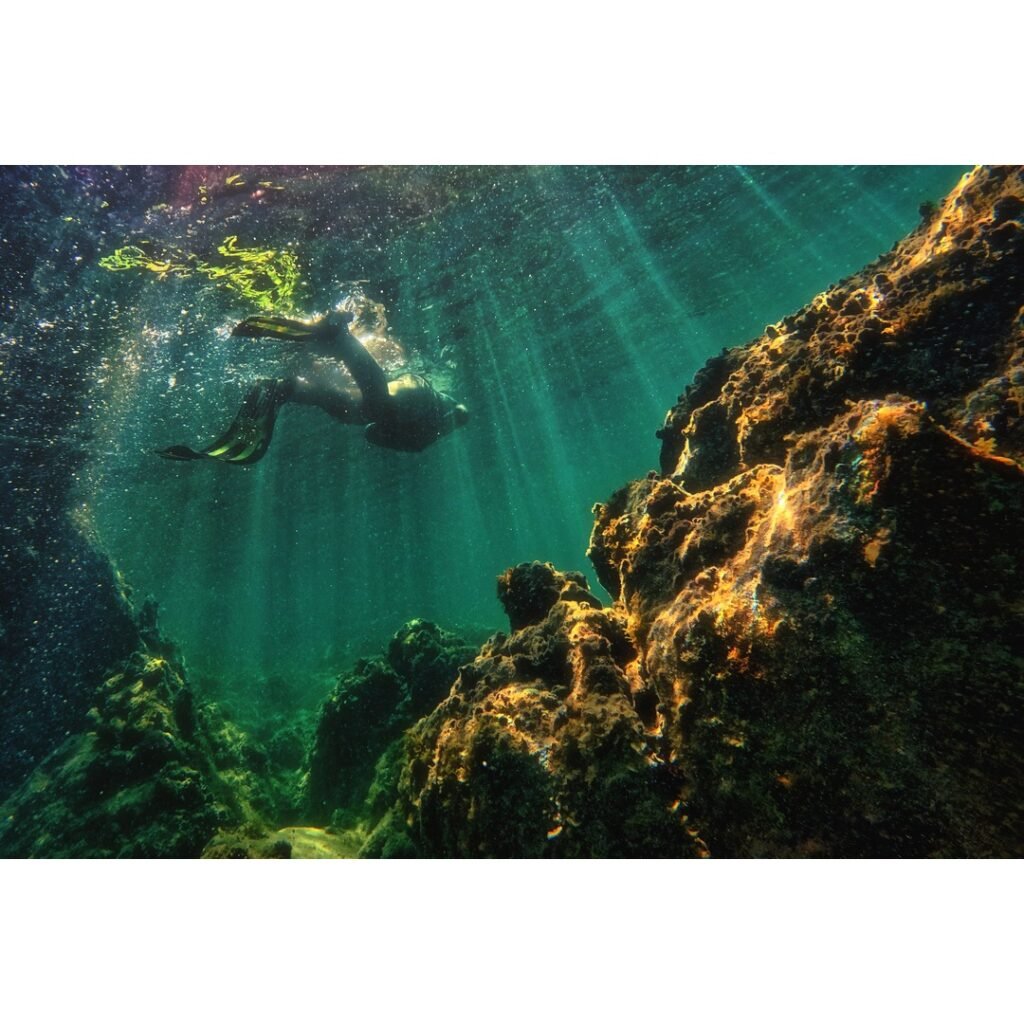
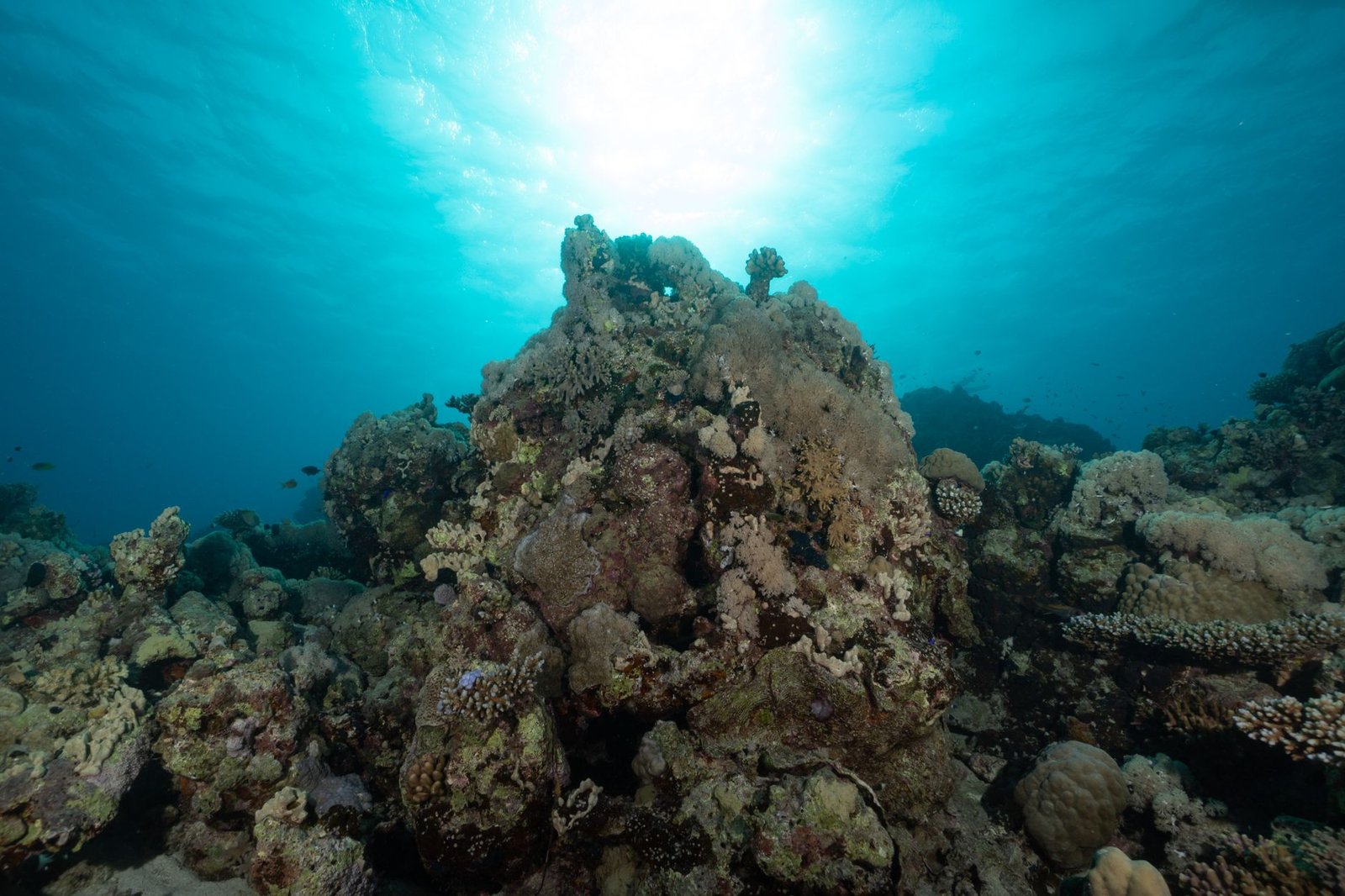
The granitic islands of Seychelles are geological anomalies, being the only oceanic islands in the world formed from granite. This ancient rock, dating back over 600 million years, creates a topography that is dramatically different from the coral atolls found elsewhere in the Indian Ocean. Underwater, these colossal granite boulders form natural arches, swim-throughs, pinnacles, and steep walls, providing diverse habitats for an incredible array of marine species.
The interaction of these granite structures with the ocean currents has sculpted them into fascinating shapes, creating labyrinths and sheltered pockets that are perfect for exploration. This unique underwater architecture contributes significantly to the rich biodiversity found in Seychellois waters, offering a distinct diving experience that combines geological wonder with vibrant marine ecosystems.
Top Dive Sites for Diving Seychelles Granite Formations
The Inner Islands, particularly Mahé, Praslin, and La Digue, are home to numerous dive sites showcasing these magnificent granite formations. Here are some highlights:
- Whale Rock (Praslin): This beginner-friendly site is famous for a massive granite formation resembling a surfacing whale. Divers can explore archways and swim-throughs at depths typically between 15-25 meters, encountering turtles, moray eels, and various reef sharks. It’s also known for potential night dives.
- L’ilot (Mahé): A small granite island easily accessible from Beau Vallon, L’ilot offers underwater arches and swim-throughs. Depths range from the surface to about 18 meters, and sightings of turtles, dolphins, and seasonal whale sharks are common.
- Brissare Rocks (Mahé): Located north of Mahé, these two rocky inlets are renowned for their biodiversity. While currents can be strong, they attract large pelagic species, including sharks, rays, and barracudas, alongside vibrant reef fish and impressive moray eels. Depths can reach around 20 meters, with visibility often between 15-30 meters.
- Shark Bank (Mahé/Silhouette): This large submerged granite pinnacle is a hotspot for pelagic fish, rays, and various shark species. Depths range from 20 to 33 meters, and strong currents are often present, making it more suitable for experienced divers.
- Conception (Mahé): Majestic granite boulders extend from the surface down to 20 meters, creating natural shelters for marine life. During the season, divers may encounter whale sharks and other pelagic species here.
- South Marianne Island (Praslin/La Digue): Known for its dramatic topography, including caves, boulders, and pinnacles, this site is best suited for advanced divers due to strong currents. It’s a prime location for spotting multiple shark species and other pelagics.
- St. Pierre (Praslin): Famous for its picturesque granite formations above water, these same stones create a unique reef below the waves with deep grooves and crevices teeming with life. It’s a shallow site, excellent for beginners.
Marine Life Amidst the Granite
The granite formations provide a foundation for vibrant coral growth and shelter for an astonishing variety of marine life. Divers exploring these sites can expect to encounter a diverse ecosystem. Expect to see schools of colorful reef fish such as angelfish, butterflyfish, parrotfish, snappers, and fusiliers. Moray eels, often the largest in the region, can be found tucked into crevices, alongside stingrays and eagle rays gliding gracefully by.
You might also enjoy: Diving Sipadan Island: An Unforgettable Journey into a Marine Masterpiece
The Seychelles is also a crucial habitat for green and hawksbill turtles, which are frequently spotted resting on the granite or feeding on algae. For those seeking larger encounters, reef sharks (including whitetip and blacktip) are common, and during the migration season (typically September to November, peaking in October), whale sharks, the gentle giants of the ocean, can be seen.
Planning Your Dive Adventure
The best time for diving Seychelles granite formations is generally during two calm periods: April to May and October to November. During these months, the seas are calm, and underwater visibility can reach an excellent 30-40 meters. Water temperatures are consistently warm, averaging between 26-30°C, making for comfortable diving conditions year-round.
Practical Tips for Divers
- Choose a Reputable Dive Center: Always dive with licensed and experienced local operators who are familiar with the specific sites and local conditions.
- Certification: Many sites are accessible to Open Water divers, but some deeper or current-prone sites may require Advanced Open Water certification or higher. Always check with your dive center.
- Equipment: Ensure your equipment is well-maintained and in good working order. If renting, verify its quality before your dive.
- Buoyancy Control: The intricate granite formations and delicate corals require excellent buoyancy control to avoid accidental contact and protect the marine environment.
- Photography: Bring appropriate underwater camera gear to capture the unique landscapes and diverse marine life. The clear waters and dramatic backdrops offer incredible photographic opportunities.
Safety Considerations
Diving in any environment requires adherence to safety protocols. The Seychelles offers generally safe diving, but awareness is key:
- Follow Briefings: Always pay close attention to your dive master’s briefings, especially regarding depths, currents, and emergency procedures.
- Buddy System: Never dive alone. Always dive with a buddy or an experienced instructor.
- Ascent and Descent: Maintain slow and controlled ascents and descents to prevent decompression sickness.
- Marine Hazards: While shark encounters are rare, be aware of marine life such as stonefish, lionfish, and sea urchins. Avoid touching any underwater creatures or corals.
- Currents: Some offshore sites, particularly those with granite pinnacles, can experience strong currents. Dive centers will typically plan dives around these conditions, but always be prepared.
- Health: Do not dive if you feel unwell or are experiencing symptoms of seasickness. A medical examination stating fitness for SCUBA diving is recommended every two years.
- Emergency Services: Recompression chambers are available on Mahé and Silhouette, but conservative dive planning is always the best approach.
- Environmental Responsibility: Use reef-safe sunscreen and avoid disturbing marine life or taking anything from the ocean.
Personal Insights from Marina Hayes
As a dive master who has spent countless hours exploring these waters, Marina Hayes emphasizes the profound connection one feels when diving Seychelles granite formations. “There’s a sense of ancient history here that you don’t find anywhere else. Gliding through a swim-through formed by boulders that are millions of years old, then emerging into a sun-dappled cavern teeming with fish – it’s truly magical. We’ve seen hawksbill turtles resting peacefully under granite overhangs, completely unfazed by our presence. These are moments that stay with you long after the dive is over. The diversity of life, from the smallest nudibranchs to the majestic whale sharks, is a testament to the resilience and unique character of this ecosystem. Every dive offers a new discovery, a new perspective on our planet’s incredible geological and biological heritage.”
Conclusion
Diving Seychelles granite formations offers an extraordinary blend of geological wonder and vibrant marine biodiversity. From the dramatic underwater landscapes carved by ancient forces to the rich tapestry of life that calls these formations home, every dive is an exploration into a truly unique world. Whether you are a novice eager to discover new depths or an experienced diver seeking a fresh challenge, the Seychelles promises an unforgettable underwater journey.
You might also enjoy: Unveiling the Underwater Majesty: Scuba Diving California’s Channel Islands
Ready to explore these ancient underwater mountains? Start planning your Seychelles diving adventure today and prepare to be captivated by a world unlike any other!
Frequently Asked Questions
What makes Seychelles granite formations unique for diving?
The Seychelles is home to the world’s only oceanic granite islands, which are remnants of the ancient supercontinent Gondwana. Underwater, these massive granite boulders create a unique topography of arches, swim-throughs, pinnacles, and walls, fostering diverse marine habitats distinct from typical coral reefs.
What kind of marine life can be seen when diving Seychelles granite formations?
Divers can expect to encounter a rich variety of marine life, including numerous species of reef fish (e.g., angelfish, parrotfish, snappers), moray eels, stingrays, eagle rays, and several types of reef sharks. Green and hawksbill turtles are commonly seen, and seasonal sightings of whale sharks are a highlight.
When is the best time to go diving in Seychelles for granite formations?
The optimal periods for diving in Seychelles are typically from April to May and October to November. During these months, the seas are generally calm, offering excellent underwater visibility often reaching 30-40 meters and comfortable water temperatures between 26-30°C.
Are there dive sites suitable for beginners among the Seychelles granite formations?
Yes, several dive sites featuring granite formations are suitable for beginners. Examples include Whale Rock near Praslin, known for its accessible depths and distinctive formations, and St. Pierre, a shallow site with unique granite structures. Fisherman’s Cove Reef on Mahé is also popular for novice divers due to its shallow depth and usually light currents.
Related Adventures
- Diving Sipadan Island: An Unforgettable Journey into a Marine Masterpiece
- Unveiling the Underwater Majesty: Scuba Diving California’s Channel Islands
- Philippines Whale Sharks: Your Ultimate Guide to Diving with Gentle Giants
⚠️ Safety Notice: This content is for informational purposes only. Always consult local guides and operators, verify current conditions, and ensure appropriate skills and certifications before any outdoor activity. DiveBikeHike is not responsible for injuries or incidents.