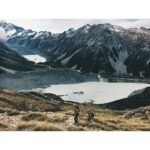
For those who seek to truly connect with nature, to challenge themselves amidst breathtaking grandeur, and to witness landscapes that stir the soul, there are few experiences as profoundly rewarding as embarking on the hiking routes in New Zealand Milford Track. Often hailed as ‘the finest walk in the world,’ this iconic Great Walk carves its way through the heart of Fiordland National Park, a UNESCO World Heritage Area, offering a four-day, three-night journey that transcends mere trekking to become a transformative pilgrimage.
As experienced hikers, we understand the allure of such a legendary trail. The Milford Track is not just a path; it is an intricate tapestry of ancient rainforests, glacier-carved valleys, towering peaks, and cascading waterfalls that respond to the region’s famously abundant rainfall. This guide aims to equip aspiring adventurers with the comprehensive knowledge needed to undertake this remarkable journey, ensuring both preparedness and a deep appreciation for the natural wonders encountered.
The Milford Track: A Journey into Fiordland’s Heart
The Milford Track is a 53.5-kilometer (approximately 33.2 miles) point-to-point trail that begins at Glade Wharf at the head of Lake Te Anau and concludes at Sandfly Point in Milford Sound. The track is typically completed over four days and three nights, requiring hikers to stay in designated Department of Conservation (DOC) huts.
This legendary trail was first traversed by Europeans in October 1888 when explorer Quintin McKinnon and Ernest Mitchell successfully blazed a route from Lake Te Anau to Milford Sound. Their pioneering efforts opened up this remote wilderness, eventually leading to its establishment as one of New Zealand’s premier hiking destinations. The track’s designation as a ‘Great Walk’ signifies its exceptional quality, well-maintained infrastructure, and the need for careful management to preserve its pristine environment.
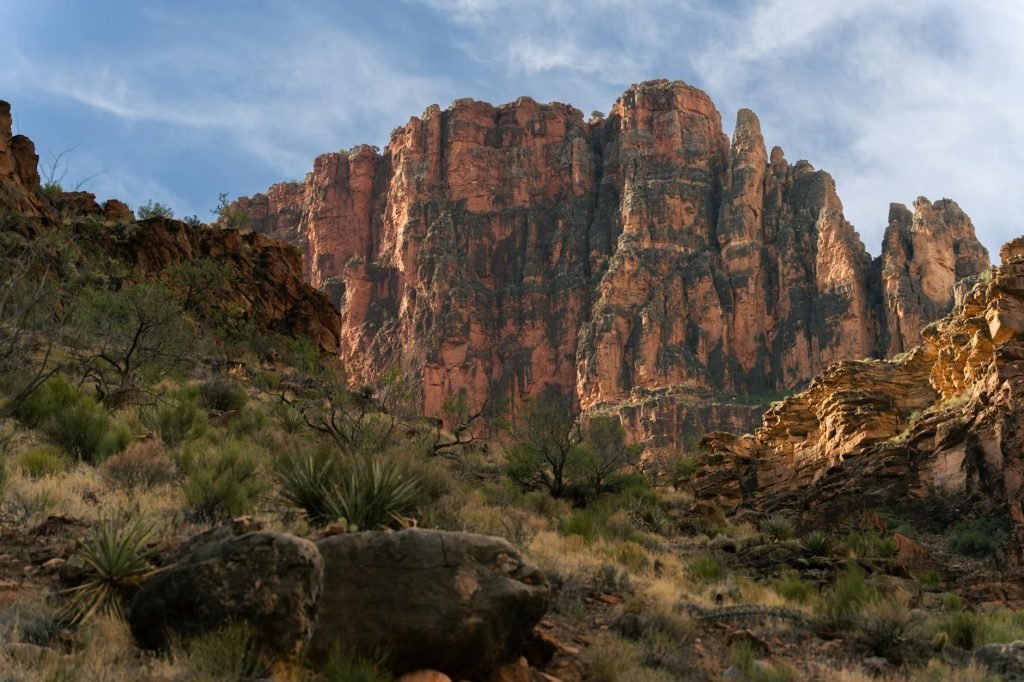
Fiordland National Park is renowned for its unique geological features, shaped over millennia by glacial activity. The deep U-shaped valleys, dramatic fiords, and sheer rock faces are a testament to these powerful forces. The region is also one of the wettest places on Earth, receiving an average of around 7-9 meters of rainfall annually, spread over approximately 200 days a year. This high rainfall contributes to the track’s mystical atmosphere, transforming cliffs into a spectacle of temporary waterfalls and nurturing a lush, vibrant rainforest ecosystem.
Navigating the Legendary Path: Key Sections and Highlights of the Hiking Routes in New Zealand Milford Track
The Milford Track is structured into distinct daily sections, each offering its own unique challenges and rewards. Hikers are required to follow a specific itinerary, staying at the designated DOC huts each night.
Day 1: Glade Wharf to Clinton Hut (Approximately 5 km, 1-1.5 hours)
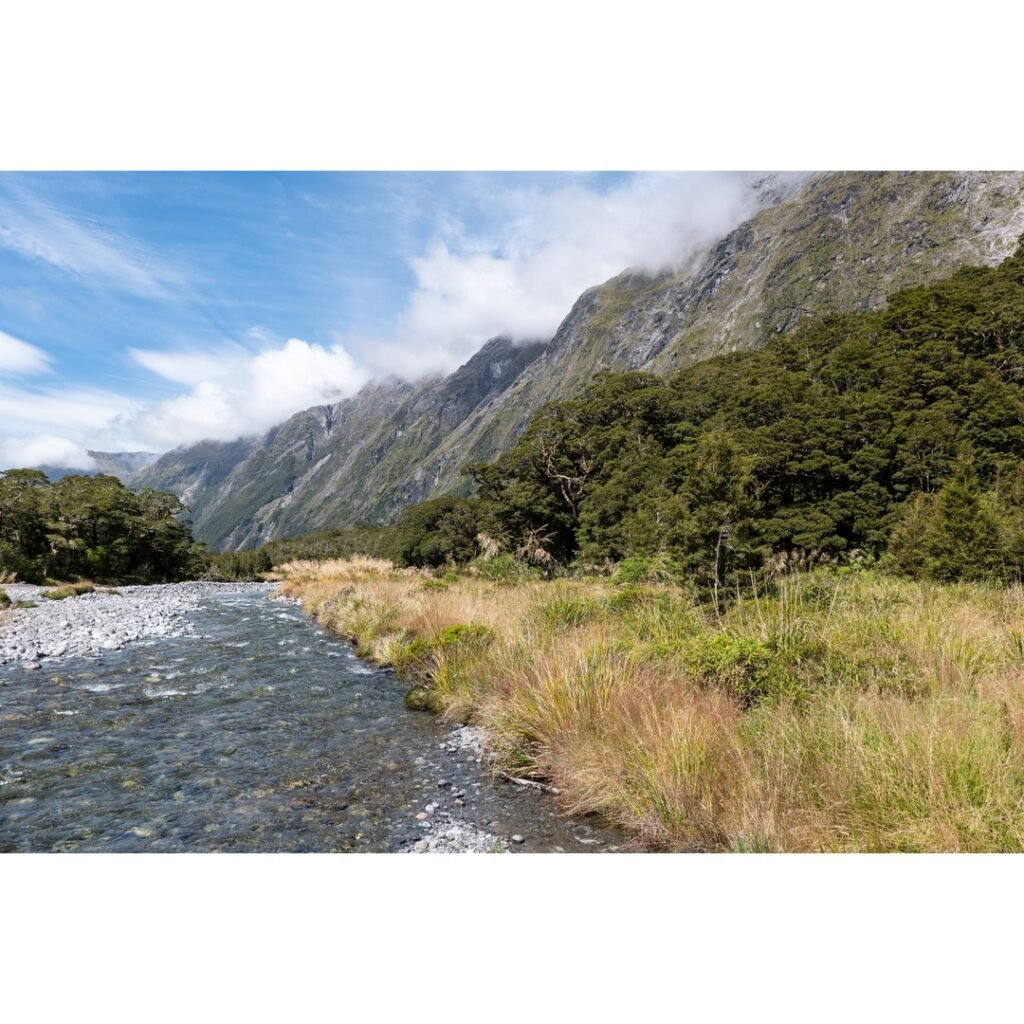
The adventure begins with a scenic boat cruise across Lake Te Anau from Te Anau Downs to Glade Wharf, the official starting point of the track. This initial leg of the journey is a gentle introduction, a leisurely stroll through ancient beech forest alongside the tranquil Clinton River. The path is relatively flat, allowing hikers to ease into the rhythm of the wilderness. Keep an eye out for native birds and the pristine clarity of the river. Clinton Hut, nestled in the heart of the Clinton Valley, serves as the first overnight stop.
Day 2: Clinton Hut to Mintaro Hut (Approximately 16.5-17.5 km, 6-7 hours)
Day two sees the track gradually gaining elevation as it follows the Clinton River deeper into the valley. The valley walls begin to steepen, and the landscape becomes increasingly dramatic. Hikers will traverse through lush rainforest, marveling at towering rock walls and numerous waterfalls that cascade down the mountainsides, especially after rain. The track passes by features such as Hirere Falls and offers glimpses of the imposing Mackinnon Pass in the distance. Mintaro Hut, situated near the base of the formidable Mackinnon Pass, provides shelter for the second night.
Day 3: Mintaro Hut to Dumpling Hut via Omanui / Mackinnon Pass (Approximately 13-14 km, 6-8 hours)
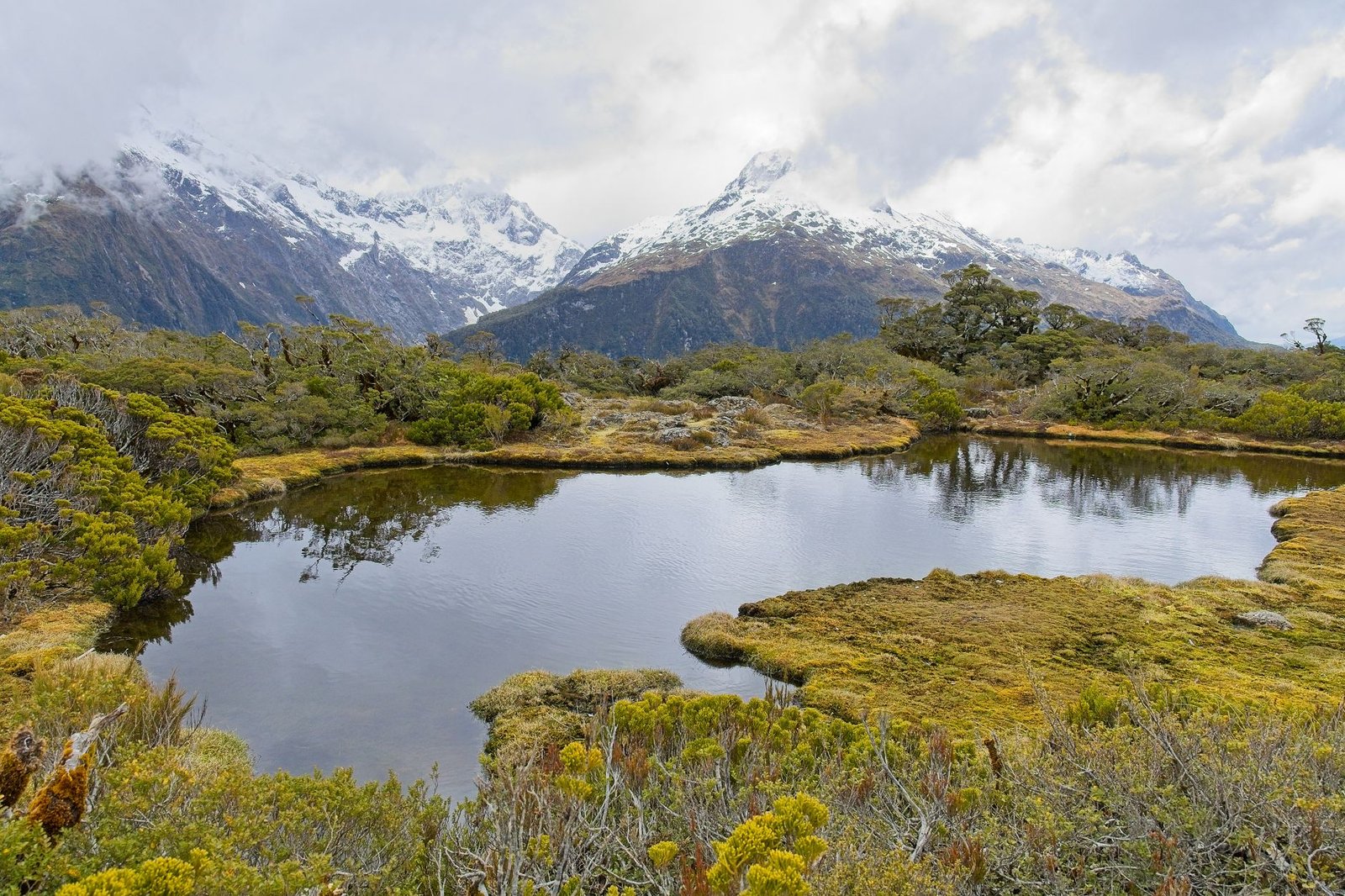
This is widely considered the most challenging, yet most rewarding, day on the Milford Track. The ascent from Mintaro Hut to Omanui / Mackinnon Pass is sustained, climbing approximately 500 meters (around 1,640 feet) above the bushline into alpine terrain. Omanui / Mackinnon Pass, at an elevation of 1,154 meters (approximately 3,786 feet), marks the highest point of the track. On clear days, the panoramic views from the pass are simply awe-inspiring, stretching across glacier-carved valleys and rugged peaks. A memorial cairn at the pass commemorates Quintin McKinnon. A fully enclosed alpine shelter is located at the summit, offering a crucial respite from potentially harsh weather conditions.
The descent from Omanui / Mackinnon Pass is often more demanding than the climb, dropping approximately 1,000 meters (around 3,280 feet) into the Arthur River valley. The track winds past numerous waterfalls along the Roaring Burn before reaching Quintin Lodge Day Shelter. From here, a highly recommended 1.5-hour return side trip leads to Sutherland Falls. Plunging 580-581 meters (approximately 1,900 feet) in three distinct drops from Lake Quill, Sutherland Falls is one of New Zealand’s tallest and most spectacular waterfalls, a truly magnificent sight. After soaking in the grandeur of the falls, the final stretch leads to Dumpling Hut for the third night.
Day 4: Dumpling Hut to Sandfly Point (Approximately 18 km, 6 hours)
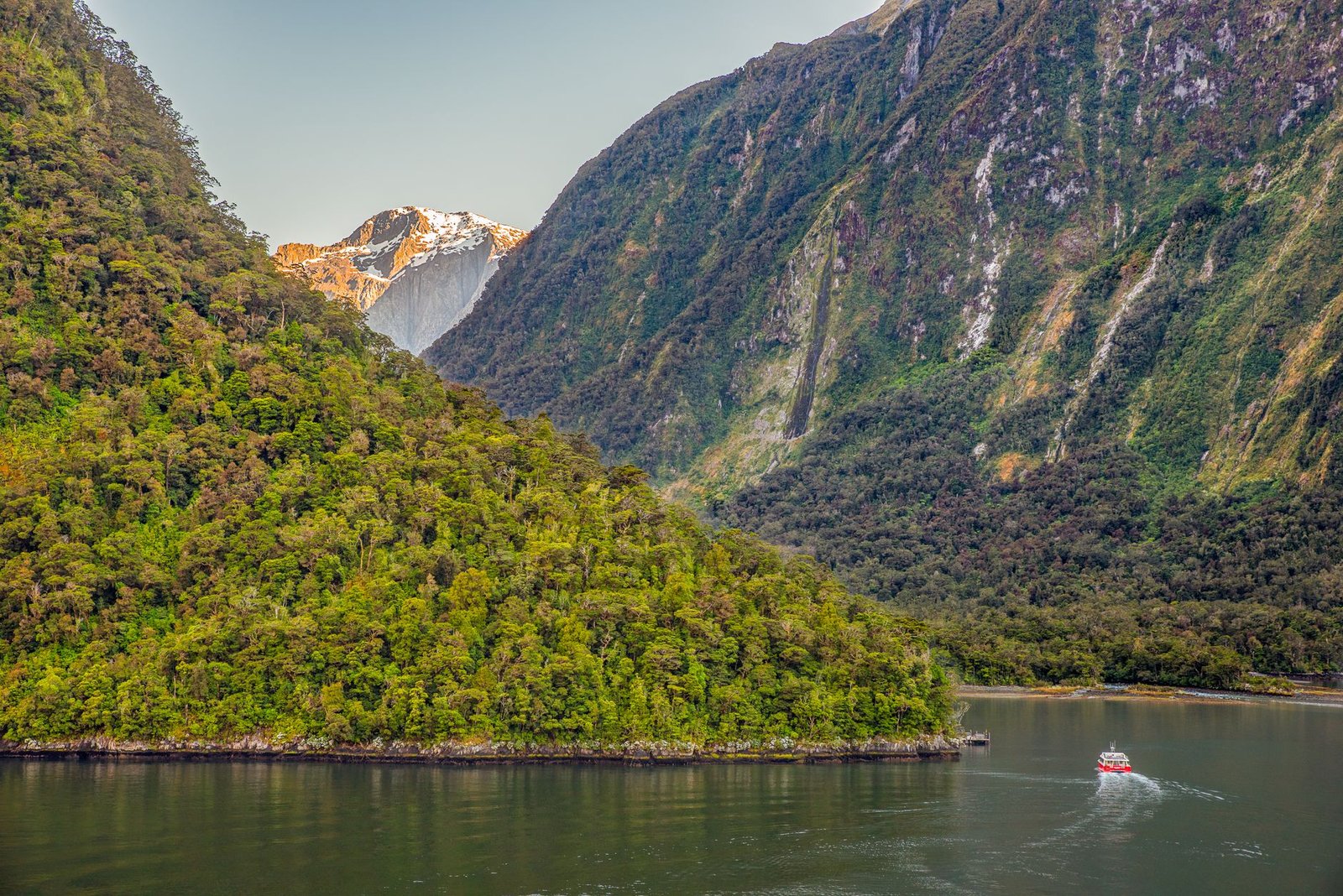
The final day of hiking follows the Arthur River through lush rainforest, passing by notable features such as Mackay Falls and the intriguing Bell Rock. The track also showcases historic man-made rock cuttings alongside Lake Ada, a testament to the early efforts in establishing this route. The last few kilometers are on a smoother, wider track constructed by a prison labor gang in the late 19th century. The journey concludes at Sandfly Point, aptly named for its persistent insect residents, where a short boat ride across Milford Sound/Piopiotahi offers world-famous views before returning to civilization.
Practical Preparation Advice for Hiking Routes in New Zealand Milford Track
Undertaking the Milford Track requires careful planning and preparation to ensure a safe and enjoyable experience. This is not a casual stroll but a multi-day wilderness immersion.
You might also enjoy: Hiking the Routeburn Track New Zealand: An Unforgettable Alpine Journey
Permits and Booking Essentials
The Milford Track is a highly sought-after Great Walk, and securing a permit is the most critical step. During the Great Walks season, which typically runs from late October to late April, bookings for the DOC huts are mandatory and sell out extremely quickly, often within minutes of release. It is essential to book directly through the New Zealand Department of Conservation (DOC) website well in advance, often many months ahead of your desired dates. Camping is strictly not permitted anywhere along the track.
Outside the Great Walks season (May to October), the track remains open but with significantly reduced facilities and increased hazards, including avalanche risk and removed bridges. It is only recommended for experienced, well-equipped hikers with alpine and river crossing skills during this period.
Essential Gear and Packing
Fiordland’s weather is famously unpredictable, and hikers should be prepared for all conditions, regardless of the season. Quality waterproof and windproof gear is non-negotiable.
- Backpack: A 40-60 liter pack is generally suitable for a multi-day hut-based hike. Use a waterproof pack liner or dry bags to protect all contents.
- Footwear: Sturdy, waterproof, mid or high-cut hiking boots with good ankle support are essential. Ensure they are well broken-in to prevent blisters.
- Clothing: Layering is key. Pack merino wool or synthetic base layers, warm mid-layers (fleece or down), and a waterproof and windproof outer shell jacket and pants. Even in summer, warm layers are crucial.
- Sleeping Bag: A 3-4 season sleeping bag is recommended, as hut temperatures can vary.
- Navigation: While the track is well-marked during the Great Walks season, carrying a map and compass (and knowing how to use them) is always prudent. A Personal Locator Beacon (PLB) is strongly recommended for all backcountry travel in Fiordland.
- First Aid Kit: A comprehensive kit, including blister treatment, pain relief, and any personal medications, is vital.
- Food and Water: All food for the duration of the hike must be carried. Huts provide gas cookers (during Great Walks season) and cold running water, but cooking utensils, pots, and dishes are not supplied.
- Other Essentials: Headlamp or torch with spare batteries, insect repellent (especially for sandflies), toiletries, sun protection (hat, sunscreen), and earplugs for communal hut sleeping.
Physical Preparation
While rated as intermediate, the Milford Track involves sustained walking over varied terrain, including significant ascents and descents, particularly on Day 3 over Omanui / Mackinnon Pass. A good level of fitness is required. Regular walking, including some longer hikes with a weighted pack and hill training, will greatly enhance your enjoyment and reduce the risk of injury.
Navigation and Safety Considerations
Safety on the Milford Track is paramount. The remote and rugged nature of Fiordland National Park demands respect and careful adherence to safety guidelines.
Weather Variability and Hazards
Fiordland’s weather can change rapidly and dramatically. Sunny skies can quickly give way to heavy rain, strong winds, and even snow on higher elevations like Omanui / Mackinnon Pass, even during the summer months. Heavy rainfall can cause rivers and streams to rise quickly, potentially making sections of the track impassable due to flooding and increasing the risk of landslides. Always check the latest weather forecast and track conditions at the Fiordland National Park Visitor Centre before departing.
River Crossings
While many major water crossings on the Milford Track are bridged during the Great Walks season, heavy rain can still lead to unbridged side streams becoming significant obstacles. Hikers should know how to cross rivers safely and be prepared to wait for water levels to drop if conditions are unsafe. “If in doubt, stay out” is a crucial mantra in this environment.
Emergency Procedures and Communication
Cell phone reception is generally non-existent on the Milford Track. Carrying a Personal Locator Beacon (PLB) is highly recommended for emergency situations. During the Great Walks season, DOC rangers are stationed at each hut and provide daily weather updates and track information, serving as a vital link for safety and assistance.
Environmental Stewardship: Treading Lightly on a Great Walk
The Milford Track traverses a precious and fragile ecosystem, part of a UNESCO World Heritage Area. Environmental stewardship is not just a recommendation; it is a responsibility for every hiker.
Leave No Trace Principles
Adhering to the seven Leave No Trace principles is fundamental:
- Plan Ahead and Prepare: Understand the regulations, pack appropriately, and know what to expect.
- Travel and Camp on Durable Surfaces: Stay on marked trails. Camping is not permitted on the Milford Track.
- Dispose of Waste Properly: Pack out all rubbish, including food scraps. Huts do not have garbage bins. Use designated toilets at huts and shelters.
- Leave What You Find: Do not disturb natural features, plants, or historical artifacts.
- Minimize Campfire Impacts: Not applicable as fires are generally not permitted and huts provide heating.
- Respect Wildlife: Observe animals from a distance, do not feed them, and store food securely. Fiordland is home to unique native birds, including the Fiordland tokoeka (a subspecies of kiwi), bellbirds, and tui.
- Be Considerate of Other Visitors: Share the trail, keep noise levels down, and respect the peace of the wilderness.
You might also enjoy: Unveiling the Majesty: Your Ultimate Guide to Hiking Routes in the Swiss Alps
Preventing the Spread of Pests
One significant environmental concern in New Zealand is the spread of invasive species, particularly didymo (rock snot). Didymo is present in Lake Te Anau and Milford Sound. Hikers should follow the “Check, Clean, Dry” guidelines to prevent its spread, especially when moving between different waterways. Avoid taking water from these areas or swimming in them if you have been in other freshwater bodies.
Summit Reid’s Perspective: An Unforgettable Immersion
Having traversed countless trails across the globe, the Milford Track holds a truly special place in our collective hiking memory. It’s a journey that consistently delivers on its reputation, offering an immersion into a landscape that feels both ancient and vibrantly alive. The sheer scale of the Fiordland mountains, often shrouded in mist or glistening with a thousand waterfalls after a downpour, creates an atmosphere of profound majesty.
One particular memory that stands out is a morning on Day 2, waking at Clinton Hut to the sound of rain drumming softly on the roof. Instead of dread, there was a quiet anticipation. As we set out, the Clinton Valley was transformed. Every rock face wept with new, temporary cascades, the rainforest canopy dripped with emerald light, and the air was thick with the scent of damp earth and moss. It was a reminder that the Milford Track’s beauty is not solely dependent on sunshine; indeed, the rain often amplifies its dramatic character, revealing a different, equally captivating side of its splendor. The sight of Sutherland Falls in full, thundering flow, a side trip that demands effort but rewards with unparalleled power, is an image etched permanently in our minds.
The camaraderie forged in the huts is another highlight. Sharing stories and meals with fellow hikers from around the world, all united by the shared experience of the day’s journey, creates a unique sense of community. The nightly ranger talks, filled with insights into the track’s history, geology, and ecology, deepen one’s appreciation for this remarkable place. From the delicate tree fuchsia and giant ferns of the rainforest to the hardy ‘vegetable sheep’ clinging to the alpine slopes of Omanui / Mackinnon Pass, the flora is as captivating as the grand vistas.
The Milford Track is more than just a physical challenge; it is a journey for the senses and the spirit. It encourages introspection, fosters resilience, and leaves an indelible mark on all who walk its path. The feeling of stepping off the boat at Sandfly Point, looking back at the fiord, is one of immense satisfaction and a deep, renewed connection with the raw, untamed beauty of our planet.
Conclusion: Answer the Call of the Milford Track
The hiking routes in New Zealand Milford Track offer an unparalleled opportunity to experience one of the world’s most pristine and dramatic wilderness areas. From the gentle meander through ancient beech forests to the exhilarating ascent of Omanui / Mackinnon Pass and the awe-inspiring spectacle of Sutherland Falls, every step on this 53.5-kilometer journey is a testament to nature’s grandeur. It demands respect, preparation, and a commitment to environmental stewardship, but the rewards are immeasurable.
For those seeking an adventure that combines physical challenge with profound natural beauty and a deep connection to the wild, the Milford Track beckons. Begin your planning today, secure your booking, and prepare to embark on an unforgettable journey that will undoubtedly earn its place among your most cherished hiking memories. The finest walk in the world awaits.
Frequently Asked Questions
What is the best time of year to hike the Milford Track?
The Great Walks season, from late October to late April, is generally considered the best time to hike the Milford Track. During this period, huts are fully serviced, bridges are installed, and DOC rangers are present. While temperatures are warmer, be prepared for highly changeable weather and significant rainfall at any time.
How difficult are the hiking routes in New Zealand Milford Track?
The Milford Track is rated as an intermediate-difficulty Great Walk. While much of the track is well-formed, Day 3 involves a significant and sustained climb over Omanui / Mackinnon Pass (1,154 meters elevation) and a steep descent. Hikers should have a good level of fitness and be prepared for varied terrain, including rocky sections and potential mud, especially in wet conditions.
Are permits required for the Milford Track, and how do I book them?
Yes, permits are absolutely essential for hiking the Milford Track during the Great Walks season. Bookings for the three DOC huts must be made well in advance through the Department of Conservation (DOC) website, as spots sell out extremely quickly. Camping is not allowed on the track.
What facilities are available in the Milford Track huts?
During the Great Walks season, the DOC huts (Clinton, Mintaro, Dumpling) provide dormitory-style bunk rooms with mattresses, flushing toilets, cold running water, gas cookers in communal kitchens, and heating. However, they do not offer showers, charging ports, cell service, or cooking utensils. Hikers must bring their own sleeping bags, food, and personal gear.
Related Adventures
- Hiking the Routeburn Track New Zealand: An Unforgettable Alpine Journey
- Unveiling the Majesty: Your Ultimate Guide to Hiking Routes in the Swiss Alps
- Conquer the Ancient Heart: A Comprehensive Guide to Hiking Australia’s Larapinta Trail
⚠️ Safety Notice: This content is for informational purposes only. Always consult local guides and operators, verify current conditions, and ensure appropriate skills and certifications before any outdoor activity. DiveBikeHike is not responsible for injuries or incidents.