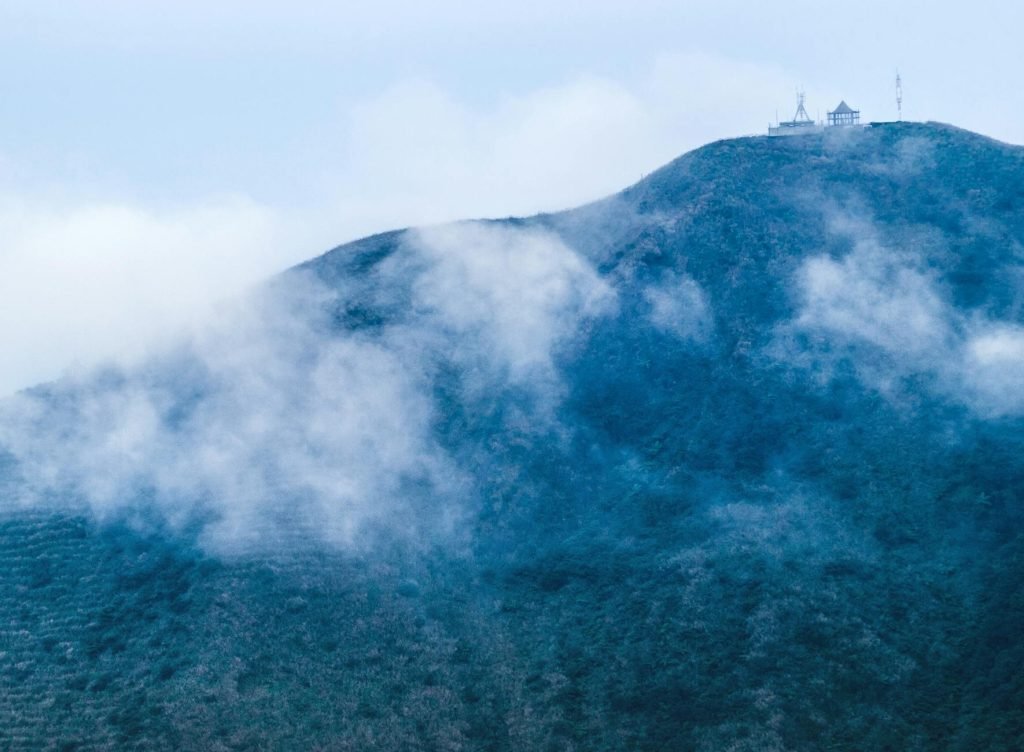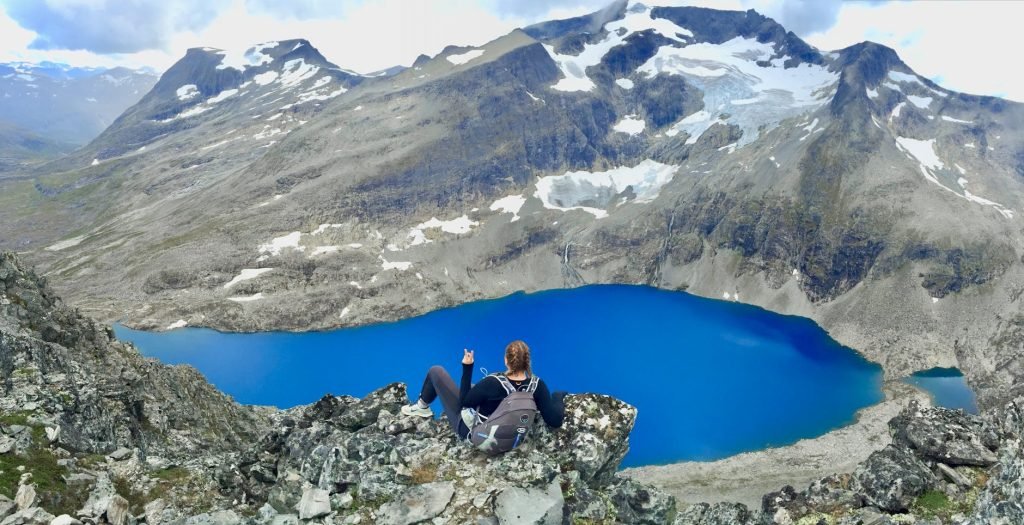
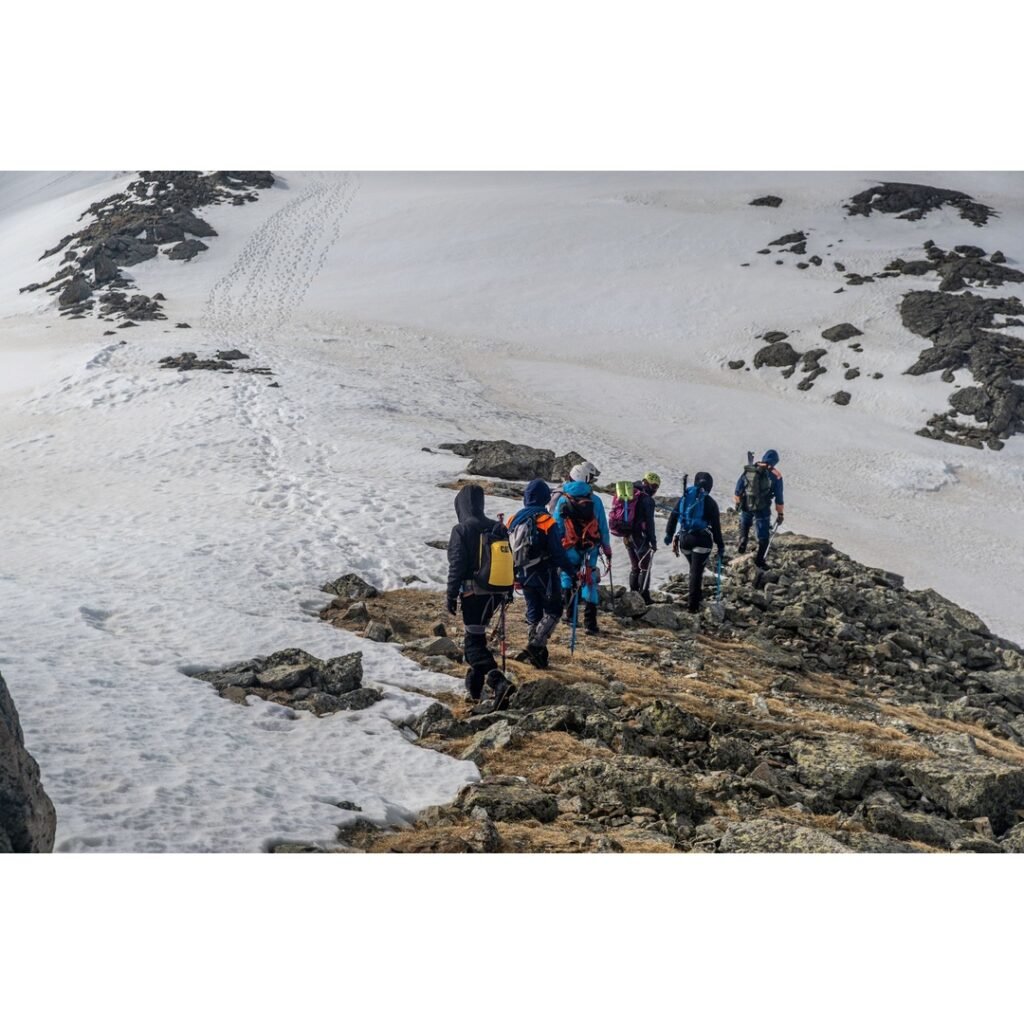
Deep within the heart of equatorial Africa, straddling the border between Uganda and the Democratic Republic of Congo, lies a mountain range shrouded in mist and legend: the Rwenzori Mountains. Known as the “Mountains of the Moon,” this majestic range offers an unparalleled adventure for hiking enthusiasts seeking to connect with nature’s raw power and breathtaking beauty. Exploring the diverse and challenging trails in Rwenzori Mountains Uganda is not merely a trek; it is a transformative expedition into a world of unique ecosystems, glacial valleys, and towering peaks that defy the tropical latitude.
Unlike Africa’s more famous volcanic giants, Kilimanjaro and Mount Kenya, the Rwenzoris are a non-volcanic, crystalline mass of rock uplifted by tectonic forces millions of years ago. This geological distinction contributes to their rugged, ice-carved ridges and moss-draped valleys, creating a landscape that feels ancient and otherworldly. As a UNESCO World Heritage Site, the Rwenzori Mountains National Park protects a rich tapestry of biodiversity, making every step an encounter with nature’s wonders. From dense montane forests to high-alpine glaciers, the trails here promise an unforgettable experience for those prepared to embrace their demanding character.
The Mystical Mountains of the Moon: An Overview
The Rwenzori Mountains, often referred to by their ancient moniker, the “Mountains of the Moon,” derive their name from the Greek-Egyptian geographer Ptolemy, who believed their melting snows fed the Nile River. This range is a testament to Africa’s geological diversity, having been formed by tectonic uplift rather than volcanic activity, setting it apart from other major East African peaks. This unique origin has sculpted a landscape of dramatic V-shaped valleys, cascading waterfalls, and pristine glacial lakes.
At its zenith, the Rwenzori range boasts Margherita Peak on Mount Stanley, standing at an impressive 5,109 meters (16,762 feet) above sea level. This makes it the third-highest mountain in Africa, surpassed only by Mount Kilimanjaro and Mount Kenya. Beyond Mount Stanley, the range includes other significant peaks such as Mount Speke (4,890m), Mount Baker (4,843m), Mount Emin (4,798m), Mount Gessi (4,715m), and Mount Luigi di Savoia (4,627m), all of which contribute to the Rwenzoris’ formidable presence.
The Rwenzori Mountains National Park, covering approximately 996 square kilometers (385 square miles), was gazetted in 1991 and designated a UNESCO World Heritage Site in 1994. This protected status underscores its global importance, particularly for its exceptional biodiversity and unique alpine landscapes. The park is characterized by five distinct vegetation zones that transition with altitude: tropical montane forest, bamboo zone, heather zone, moorland zone, and the high-alpine glacial zone. This vertical stratification creates a dynamic environment, home to species found nowhere else on Earth, earning it the title of “Africa’s botanical big game”.
Navigating the Legendary Trails in Rwenzori Mountains Uganda
For those drawn to the allure of high-altitude trekking, the trails in Rwenzori Mountains Uganda offer a profound challenge and immense reward. Two primary routes dominate the trekking landscape, each presenting its own unique character and breathtaking vistas.
The Central Circuit Trail: A Classic Expedition
The Central Circuit Trail is the oldest and arguably most popular trekking route through the Rwenzori Mountains National Park. This classic expedition typically spans 5 to 9 days, forming a clockwise loop of approximately 55-60 kilometers (34-37 miles). It commences at the Mihunga Gate, also known as Nyakalengija, at an elevation of around 1,651 meters (5,417 feet).
Managed by the community-based Rwenzori Mountaineering Services, the Central Circuit Trail offers a comprehensive introduction to the Rwenzoris’ diverse ecosystems. Hikers traverse through lush montane forests, dense bamboo zones, and expansive heather forests before reaching the unique moorland and alpine zones. Along the way, trekkers are treated to spectacular views of prominent peaks such as Mount Baker, Mount Stanley, and Mount Speke. The trail also navigates through boggy areas, often equipped with boardwalks to aid passage, and past stunning glacial valleys and lakes.
Accommodation along the Central Circuit is provided in a series of well-maintained mountain huts, strategically placed for overnight stays. These include Nyabitaba Hut, John Matte Hut, Bujuku Hut, Elena Hut, Kitandara Hut, and Guy Yeoman Hut. While the trail itself is challenging, particularly the boggy sections between John Matte and Bujuku camps, reaching Margherita Peak via this route often involves technical climbing with ropes and crampons, especially across glaciers. The Central Circuit is steeped in history, following the path of the 1906 expedition led by the Duke of Abruzzi, the first Italian to summit Margherita Peak.
The Kilembe Trail: A Southern Wilderness Journey
An increasingly popular alternative, the Kilembe Trail, also known as the Southern Circuit, offers a distinct perspective of the Rwenzori Mountains. Opened in 2009 and managed by Rwenzori Trekking Services, this route typically takes 6 to 8 days to complete and begins from the former copper-mining town of Kilembe, on the southern edge of the national park.
The Kilembe Trail is celebrated for its scenic valleys, numerous waterfalls, and alpine lakes, often presenting a quieter experience with fewer crowds. It winds through the Nyamwamba River valley and ascends through the same five distinct ecosystems found on the Central Circuit, leading trekkers to the summit plateau of Mount Stanley and Margherita Peak. The route’s camps include Sine Hut (around 2,585m), Kalalama Hut (around 3,147m), Mutinda Camp (around 3,688m), Bugata Camp (around 4,062m), Butawu Camp (around 3,974m), Margherita Camp (around 4,485m), and Kiharo Camp (around 3,460m).
While often described as moderate to hard, the Kilembe Trail can be longer and, in some sections, more demanding than the Central Circuit. It provides a different array of high-altitude scenery and is particularly recommended for adventurers seeking a more secluded journey into the Rwenzori wilderness.
Beyond the Main Routes: Shorter Treks and Peak Ascents
For those with less time or seeking a less strenuous introduction to the Rwenzoris, shorter treks are available. Options range from a 1-day trek to Sine Camp on the Kilembe Trail, offering a taste of the montane forest and waterfalls, to 3, 4, or 5-day expeditions that explore the lower and mid-altitudes. Even these shorter treks are considered strenuous, often involving significant elevation gain on the first day. It is important to note that while these trails offer incredible views, reaching the highest peaks like Margherita generally requires a multi-day commitment and specialized mountaineering skills.
Rwenzori’s Ecological Wonders: A Hiker’s Paradise
The Rwenzori Mountains are a living botanical museum, home to an extraordinary array of plant life, much of it endemic to the Albertine Rift. As hikers ascend, they pass through distinct vegetation zones, each with its unique charm. The lower slopes are cloaked in dense montane rainforest, rich with towering trees, ferns, and mosses. Higher up, dense bamboo forests give way to the heather zone, where giant heather trees create an ethereal, moss-draped landscape.
You might also enjoy: Hike the White Mountains: NH’s Majestic Trails
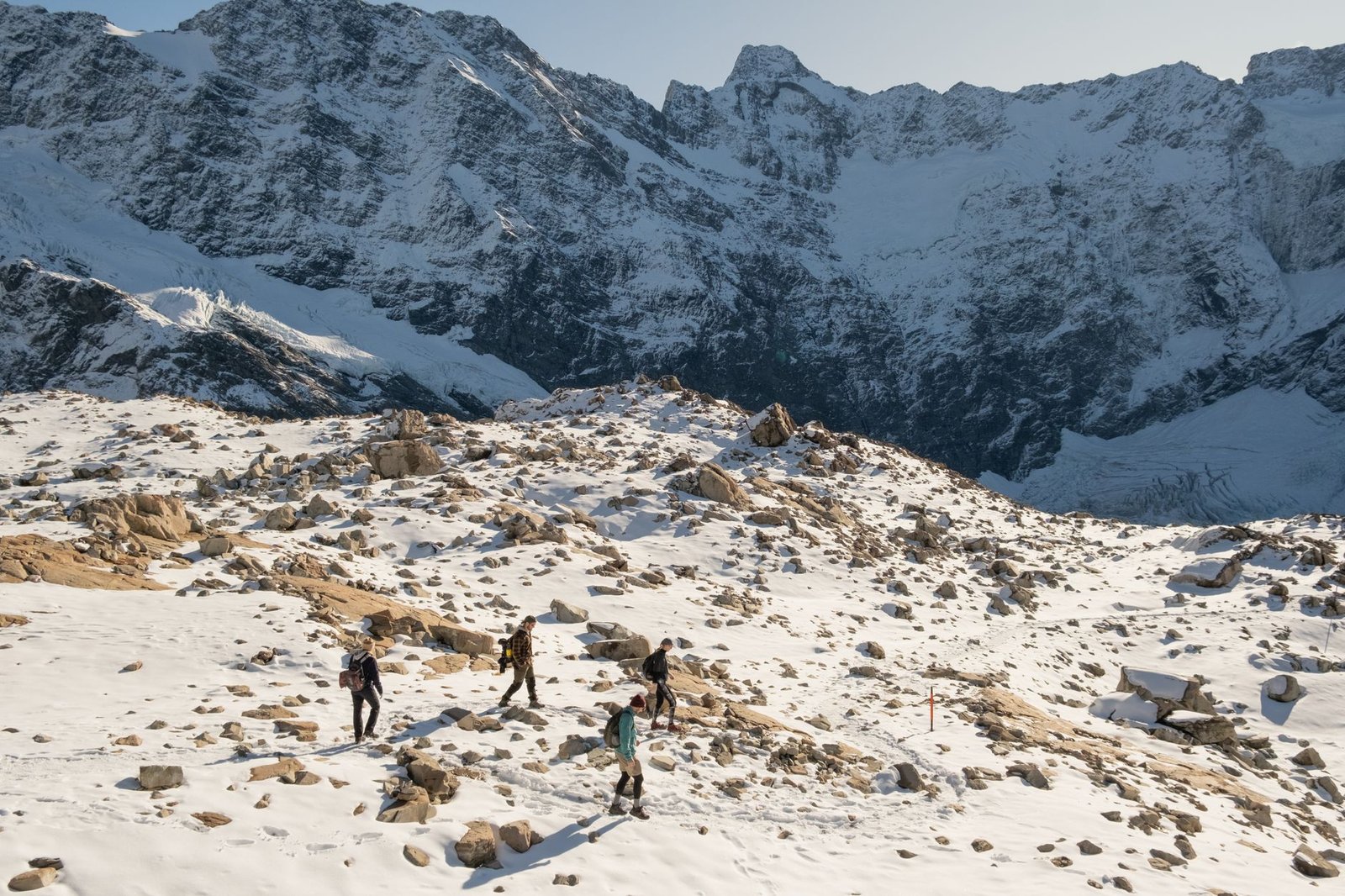
Perhaps the most iconic flora of the Rwenzoris are the “giant plants” found in the moorland and alpine zones, often referred to as “Africa’s botanical big game”. These include the giant lobelias and giant groundsels, which can grow several meters tall, creating a surreal, prehistoric-looking environment. These unique adaptations to the high-altitude, wet conditions are a highlight for many trekkers. The combination of remarkable snow-capped peaks, glaciers, V-shaped valleys, wild rivers, glorious waterfalls, and pure blue lakes, alongside this inimitable flora, adds significantly to the area’s incomparable natural magnificence.
The park is also a haven for diverse wildlife, though many species are elusive. Trekkers might spot various bird species, including the vibrant Rwenzori turaco, barbets, and sunbirds. Mammals like the Rwenzori red duiker and the rare three-horned chameleon are also residents of these mountains. Observing these creatures from a respectful distance is a privilege and a reminder of the delicate balance of this ecosystem. The Rwenzoris also serve as a vital water catchment area, feeding numerous rivers that contribute to the White Nile, underscoring their ecological importance.
Practical Preparation for Your Rwenzori Adventure
Trekking the Rwenzori Mountains is a demanding endeavor that requires careful planning and preparation. Success and enjoyment hinge on being adequately equipped and physically ready for the challenges ahead.
Best Time to Visit
The Rwenzori Mountains can be visited year-round, but the drier seasons offer more favorable trekking conditions. The best times to hike are typically from June to August and from December to February/March. During these months, there is generally less rainfall, leading to clearer skies and spectacular views, although rain can occur at any time in this equatorial mountain range. The wet season, while more challenging due to muddy trails, also holds a unique magic for those prepared for it.
Physical Conditioning
The Rwenzori trek is not a casual walk; it is often considered tougher than climbing Kilimanjaro due to its rugged terrain, mud, and technical sections. Therefore, sufficient physical preparedness is crucial. A training regimen should include cardiovascular exercises, resistance training, and regular long hikes to build endurance and stamina. Focusing on leg strength, core stability, and practicing with a loaded backpack on varied terrain will be highly beneficial. It is advisable to consult a doctor before embarking on any high-altitude trek, especially for those new to such expeditions.
Essential Gear and Packing List
Packing correctly is paramount for comfort and safety in the Rwenzoris’ unpredictable climate. Hikers should prioritize layered, waterproof, and lightweight attire.
- Clothing: Multiple layers of moisture-wicking base layers, warm mid-layers (fleece or down), and a robust rain and windproof outer shell are essential. Temperatures can vary significantly, from warm in the lower forests to freezing at higher altitudes.
- Footwear: Sturdy, waterproof, and well-broken-in hiking boots with good ankle support are critical for navigating muddy and rocky trails. Gaiters are also highly recommended to keep mud and water out of boots.
- Sleeping Gear: A warm sleeping bag, rated for 4-season or down to -20°C, is necessary for cold nights in mountain huts or tents.
- Navigation and Safety: A comprehensive first-aid kit, including personal medications, blister treatment, and pain relievers, is vital. A headlamp with spare batteries, sunglasses, a wide-brimmed hat, and high-SPF sunscreen are also important for varying light and sun conditions. While guides handle primary navigation, a personal map and compass or GPS device can be useful.
- Food and Water: High-energy snacks such as nuts, dried fruits, and energy bars are crucial for maintaining energy levels. Staying hydrated is paramount; trekkers should carry sufficient water and a water purification method (filters, tablets) as water from streams needs to be purified. Single-use plastic bottles are often prohibited by operators, so reusable flasks are a must.
- Other Essentials: Trekking poles greatly aid stability on slippery and steep terrain. A durable backpack with a rain cover, a camera, and personal hygiene items complete the list.
Permits and Regulations
Acquiring the correct permits is essential for hiking in the Rwenzori Mountains. The Uganda Wildlife Authority (UWA) issues the Rwenzori Mountains National Park entrance permit, which is mandatory for all visitors. As of current information, the entrance fee for foreign non-residents is approximately $35 per person per day, paid for each day spent within the park. While some sources mention “trekking permits,” the UWA park entrance fee is the primary permit, and specific climbing licenses for peaks like Margherita may be required or bundled into tour operator packages. It is crucial to apply for permits well in advance, typically through the UWA website or accredited tour operators.
It is also mandatory to hire knowledgeable local guides and porters when trekking in the Rwenzori Mountains. These professionals are indispensable for navigating the challenging terrain, ensuring safety, and providing invaluable insights into the local ecosystem and culture.
Navigating the “Mountains of the Moon”: Safety and Guidance
Safety in the Rwenzori Mountains is paramount, given the challenging terrain, unpredictable weather, and high altitudes. A responsible approach to trekking involves careful consideration of several factors.
Altitude Acclimatization
Altitude sickness, or Acute Mountain Sickness (AMS), is a significant concern at elevations above 2,400 meters (7,874 feet). The Rwenzoris’ routes, especially the Central Circuit and Kilembe Trail, take hikers well above 4,000 meters (13,123 feet). It is crucial to ascend gradually, allowing the body adequate time to acclimatize. Trekkers should pace themselves, take regular breaks, and listen to their bodies, avoiding overexertion. Symptoms of AMS can include headaches, nausea, dizziness, and fatigue. Promptly communicating any symptoms to guides is vital, as they are trained to recognize and manage altitude-related issues.
Professional Guidance
As previously mentioned, hiring experienced local guides and porters is a requirement and a critical safety measure. These professionals possess extensive knowledge of the trails, local weather patterns, and emergency procedures. They are adept at navigating difficult sections, providing support, and offering crucial insights into the environment. Trekkers should always follow their guides’ instructions and advice.
Terrain Challenges
The Rwenzori trails are renowned for their rugged and often muddy, rocky, and uneven surfaces. River crossings are common, and slippery conditions can prevail, especially in the boggy sections and during wet weather. Trekkers must watch their step, use trekking poles for stability, and be prepared for challenging footing throughout the journey.
You might also enjoy: Conquering the Azores: A Hiker’s Guide to Portugal’s Volcanic Trails
Emergency Preparedness
Before embarking on a Rwenzori trek, it is essential to be prepared for emergencies. This includes carrying a basic first-aid kit and informing guides of any medical conditions. Trekkers should also familiarize themselves with safety measures and potential evacuation routes. Comprehensive travel insurance that specifically covers high-altitude trekking, emergency medical expenses, and evacuation is highly recommended. Communication devices, such as satellite phones, may be carried by guides for emergencies in remote areas.
Wildlife Encounters
While wildlife sightings can be a highlight, it is important to observe animals from a distance and avoid feeding or disturbing them. This practice helps maintain their natural behaviors and ensures safety for both trekkers and wildlife.
Environmental Stewardship: Preserving a Pristine Wilderness
The Rwenzori Mountains are a fragile ecosystem, and responsible tourism is crucial for their preservation. Adhering to environmental stewardship principles ensures that this magnificent wilderness remains pristine for future generations.
A core tenet of responsible trekking in the Rwenzoris is the “Leave No Trace” philosophy. This involves minimizing human impact on the environment through conscious actions. Key practices include:
- Waste Management: A strict “pack in, pack out” policy is enforced for all inorganic waste. Trekkers must carry out all litter, food scraps, and non-biodegradable materials. The use of single-use plastic bottles is often prohibited, with operators providing purified water for refilling reusable flasks. Designated waste disposal points are typically available at base camps.
- Water Source Protection: The glacial rivers and streams of the Rwenzori are vital water sources for local communities. To protect their purity, the use of chemical soaps or detergents directly in mountain streams or lakes is prohibited. Washing should occur at least 30 meters (approximately 100 feet) away from any water source, using biodegradable soaps, and waste water should be disposed of in designated “grey water” pits.
- Biodiversity Protection: The Rwenzoris are home to many endemic species. Trekkers are strictly prohibited from removing any biological samples, including flowers, rocks, seeds, or fossils. Maintaining a respectful distance from all wildlife and refraining from feeding animals helps preserve their natural foraging behaviors and ecosystem balance.
- Low-Impact Camping: Campsites should only be established in designated areas to prevent damage to vegetation. Guidelines for setting up tents and using fires only in approved areas must be followed.
Conservation efforts in the Rwenzori Mountains also involve strengthening community-led initiatives and promoting sustainable livelihoods to reduce pressure on the park’s resources. By supporting local communities through eco-tourism and sustainable agricultural practices, the long-term preservation of this unique natural heritage is fostered.
Reflections from the Summit: A Hiker’s Perspective
For an experienced hiker like Summit Reid, the Rwenzori Mountains offer a profound and often humbling experience. The journey through the “Mountains of the Moon” is not merely about reaching a summit; it is about the deep connection forged with a landscape that feels ancient and alive. Hikers often reflect on the sheer physical challenge, the relentless mud, and the steep ascents that test every sinew and resolve. Yet, these difficulties fade into insignificance when confronted with the breathtaking beauty of the surroundings.
There are moments of quiet incomprehension, as described by those who have trekked here, when the giant lobelias stand sentinel in the morning mist, and the glaciated peaks emerge from the clouds. The vibrant colors of the Rwenzori turaco, the elusive glimpse of a three-horned chameleon, or the simple sound of a cascading waterfall can evoke a sense of wonder that transcends the physical exertion. The camaraderie built with guides and porters, who share their intimate knowledge of the mountains and their culture, adds another rich layer to the experience. We find ourselves immersed in a world where nature reigns supreme, reminding us of our place within its grand design. The sense of accomplishment upon reaching a high pass or a peak, gazing across a sea of clouds and jagged ridges, is a reward that lingers long after the descent, a testament to the enduring spirit of adventure and the profound beauty of Uganda’s Rwenzori Mountains.
Conclusion: Your Rwenzori Journey Awaits
The Rwenzori Mountains of Uganda stand as a beacon for hiking enthusiasts seeking an adventure that is both physically demanding and spiritually enriching. From the unique geological origins to the diverse ecosystems teeming with endemic flora and fauna, the trails in Rwenzori Mountains Uganda offer an experience unlike any other in Africa. Whether embarking on the classic Central Circuit or the wilder Kilembe Trail, trekkers are guaranteed a journey through a landscape of unparalleled beauty and challenge.
Careful preparation, adherence to safety guidelines, and a commitment to environmental stewardship are essential for a successful and responsible expedition. The “Mountains of the Moon” call to those who yearn for true wilderness, a place where the connection with nature is palpable, and the rewards are immeasurable. Begin planning your Rwenzori adventure today, and discover the magic that awaits in Uganda’s majestic peaks.
Frequently Asked Questions
What is the best time of year to hike in the Rwenzori Mountains?
The best time to hike in the Rwenzori Mountains is during the drier seasons, which typically run from June to August and from December to February/March. These months generally offer clearer skies and less rainfall, making for more favorable trekking conditions, although rain can occur at any time in this equatorial region.
Are guides and porters mandatory for trekking in the Rwenzori Mountains?
Yes, it is mandatory to hire experienced local guides and porters for trekking in the Rwenzori Mountains National Park. These professionals are crucial for navigation, ensuring safety on the challenging terrain, and providing support throughout the expedition.
What permits are required to trek the trails in Rwenzori Mountains Uganda?
All visitors are required to obtain a Rwenzori Mountains National Park entrance permit from the Uganda Wildlife Authority (UWA). This fee is approximately $35 per person per day for foreign non-residents. While some specific climbing licenses for peaks like Margherita may be required, these are often bundled into tour operator packages, so it is advisable to check with UWA or accredited tour operators for the most current and specific requirements.
How difficult are the Rwenzori Mountains trails compared to other African peaks like Kilimanjaro?
The Rwenzori Mountains are generally considered more challenging and technically demanding than Mount Kilimanjaro. The terrain is rugged, often muddy, and involves steep climbs and river crossings. Reaching Margherita Peak, for instance, typically requires technical climbing skills, including the use of ropes and crampons for glacier sections.
Related Adventures
- Hike the White Mountains: NH’s Majestic Trails
- Conquering the Azores: A Hiker’s Guide to Portugal’s Volcanic Trails
- Picos de Europa: A Hiker’s Ultimate Guide to Spain’s Majestic Mountain Trails
⚠️ Safety Notice: This content is for informational purposes only. Always consult local guides and operators, verify current conditions, and ensure appropriate skills and certifications before any outdoor activity. DiveBikeHike is not responsible for injuries or incidents.