As experienced dive masters, we have explored countless underwater realms across the globe, but few destinations captivate the spirit quite like the archipelago of Zanzibar. Nestled in the heart of the Indian Ocean off the coast of Tanzania, this tropical paradise is not just famed for its spice farms and pristine beaches; it boasts an aquatic wonderland that beckons divers of all levels. For those passionate about diving Zanzibar Tanzania Indian Ocean offers an unparalleled adventure into a vibrant and diverse marine ecosystem.
The allure of Zanzibar lies in its unique blend of accessibility, stunning coral formations, and an incredible array of marine biodiversity. The warm, inviting waters, consistently ranging from approximately 25°C to 30°C, ensure comfortable diving year-round, making it an ideal destination for both seasoned divers and those looking to take their first breaths underwater.
Why Choose Zanzibar for Your Next Indian Ocean Dive Adventure?
Zanzibar stands out as a premier diving destination for several compelling reasons. The island’s fringing reefs, dramatic drop-offs, and offshore atolls create a diverse topography that supports an astonishing variety of life. Visibility is often excellent, frequently reaching between 15 and 30 meters, especially during the dry seasons, allowing for spectacular views of the underwater landscape.
Beyond the visual splendor, the marine protected areas around Zanzibar play a crucial role in preserving its delicate ecosystems. This commitment to conservation ensures that the coral reefs remain healthy and teeming with life, offering divers a glimpse into a thriving underwater world. The combination of warm water, good visibility, and rich biodiversity makes diving Zanzibar Tanzania Indian Ocean a truly rewarding experience.
Exploring the Best Dive Sites in Zanzibar
Zanzibar offers a plethora of dive sites, each with its own unique charm and marine inhabitants. From shallow, vibrant coral gardens perfect for beginners to exhilarating deep walls and drift dives for the more experienced, there is something for everyone.
Mnemba Atoll: The Jewel of Zanzibar Diving
Without a doubt, Mnemba Atoll is Zanzibar’s most celebrated dive destination, often referred to as the “tropical fish capital of East Africa.” This private marine conservation area, located off the northeast coast of Unguja (Zanzibar’s main island), is renowned for its exceptional visibility and abundant marine life.
- Kichwani Reef: This sloping coral wall, ranging from approximately 2 to 30 meters, is ideal for all skill levels. Divers can expect to encounter colorful schools of reef fish, green turtles, and a variety of macro life such as leaf fish and nudibranchs.
- Wattabomi: A gentle sandy slope starting at around 5 meters, Wattabomi is famous for its “Moray Eel City” and offers relaxed drift dives. It’s a fantastic spot to observe scorpionfish, stonefish, frogfish, and blue spotted stingrays.
- Aquarium: As its name suggests, this fish-packed reef features long strips of hard coral outcrops surrounded by sand. It’s common to see surgeonfish, moorish idols, parrotfish, groupers, and even white tip reef sharks.
- Big Wall: For advanced divers, the Big Wall offers a thrilling experience with a vertical drop from around 18-35 meters, extending deeper. Here, one might spot larger pelagic species like barracudas, tuna, and occasionally reef sharks, along with impressive barrel sponges and whip corals.
Leven Bank: A Thrill for Advanced Divers
Located north of Nungwi, Leven Bank is an offshore seamount that promises a more exhilarating dive for experienced divers. This site is known for its strong currents, which attract a wide array of pelagic species. Descending to depths of 12 to over 35 meters, divers can witness large schools of barracudas, tuna, jacks, and various reef sharks. The dynamic conditions and potential for encountering larger marine life make Leven Bank one of Zanzibar’s most spectacular dives for those with the appropriate certification and experience.
Tumbatu Island: Healthy Coral Gardens and Macro Life
Off the northwest coast of Zanzibar, Tumbatu Island offers some of the healthiest and most beautiful hard coral gardens in the region. With depths typically ranging from 3 to 20 meters, and mild currents, it’s an excellent spot for all levels, particularly those interested in macro photography. Divers can discover octopus, scorpionfish, stingrays, nudibranchs, seahorses, and a variety of reef fish. The site Mwana Wa Mwana, on Tumbatu’s northern tip, is particularly noted for its diverse marine creatures and beautiful corals.
You might also enjoy: Unveiling the Underwater Majesty: Diving Sodwana Bay, South Africa
Marine Life Encounters in the Indian Ocean
The waters surrounding Zanzibar are a vibrant tapestry of marine life. Divers can expect to see over 500 species of fish and numerous invertebrates.
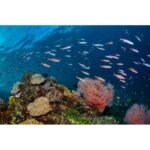
- Reef Fish: Expect to be surrounded by schools of parrotfish, angelfish, butterflyfish, triggerfish, snappers, and groupers.
- Turtles: Green and hawksbill turtles are common sightings, often found grazing on sponges or resting among the corals, especially around Mnemba Atoll and Chumbe Island.
- Dolphins: Pods of spinner and bottlenose dolphins are frequently encountered, particularly in Menai Bay and on boat trips to Mnemba.
- Sharks and Rays: While not a primary pelagic destination, divers may spot reef sharks (blacktip and whitetip), blue spotted stingrays, and occasionally eagle rays.
- Macro Life: For those with a keen eye, Zanzibar offers a treasure trove of macro subjects, including nudibranchs, leaf fish, frogfish, seahorses, ghost pipefish, and various shrimp and eels.
- Seasonal Visitors: From September to December, whale sharks are often sighted, especially around Mnemba Atoll, following plankton blooms. Humpback whales can be seen migrating between July and October.
Best Time for Diving Zanzibar Tanzania Indian Ocean
Zanzibar offers year-round diving, but conditions can vary with the seasons. The water temperature remains warm, typically between 26°C and 30°C, making a 3mm wetsuit or shorty suitable for most dives.
- June to October (Main Dry Season): This period generally offers the calmest seas and peak visibility, often reaching 25-30 meters. It’s an excellent time for whale shark encounters around Mnemba Atoll (July-September) and humpback whale sightings offshore (August-October).
- December to February (Short Dry Season): Characterized by the warmest water temperatures (28-29°C) and calm seas, visibility is still very good (around 20-25 meters). This season is ideal for beginners and PADI courses. Whale shark encounters remain strong through December.
- March to May (Rainy Season): While this is the long rainy season, the winds subside, leading to calm seas and often good visibility, particularly in March and May. It can be a quieter time with fewer divers and a chance to see larger fish species attracted by slightly cooler water.
Practical Tips and Actionable Advice for Divers
Certification and Training
Zanzibar is an excellent place to get certified, with many PADI and SSI dive centers operating across the island. For those new to diving, a Discover Scuba Diving experience allows you to try diving under direct supervision without full certification. To dive independently or access deeper sites, a PADI Open Water certification (up to 18 meters) or Advanced Open Water (up to 30 meters) is required. Many centers recommend completing the theory portion (eLearning) before arrival to maximize your time in the water.
Essential Gear and Packing Tips
Given the warm waters, a 3mm wetsuit or shorty is usually sufficient. We always recommend bringing your own mask for comfort and fit. Other essentials include reef-safe sunscreen, a wide-brimmed hat, and protective water shoes for beach entries or walking on coral fragments. A dive computer is highly recommended for safe diving, especially for multiple dives a day.
Choosing a Reputable Dive Operator
When planning your diving adventure, selecting a reputable dive operator is paramount. Look for PADI or SSI certified centers that prioritize safety, maintain their equipment well, and employ experienced, local dive guides. Inquire about group sizes, emergency procedures, and their commitment to marine conservation. A good operator will also provide thorough briefings and ensure dive plans align with your certification and experience level.
Safety Considerations When Diving Zanzibar Tanzania Indian Ocean
While diving in Zanzibar is generally safe, it is crucial to be aware of potential hazards and take necessary precautions.
- Currents: Currents can vary from mild to strong, especially around deeper sites like Leven Bank or during tidal changes. Always follow your divemaster’s instructions and respect site ratings.
- Marine Life: While most marine life is harmless, be mindful of fire coral, spiny urchins, and venomous species like lionfish or stonefish. Maintain a respectful distance and avoid touching anything.
- Decompression Illness (DCI): Always adhere to planned depth-time profiles, perform safety stops, and use a dive computer. It is strongly recommended to avoid flying within 18-24 hours of your last dive.
- Emergency Preparedness: Ensure your dive operator carries emergency oxygen, first aid equipment, and communication devices. Divers Alert Network (DAN) travel insurance, which covers hyperbaric chamber treatment and emergency evacuation, is highly recommended and sometimes required by operators. The nearest hyperbaric chamber facility is in Dar es Salaam.
Personal Insights from Marina Hayes, Dive Master
Having spent years exploring the underwater world, we have witnessed firsthand the magic that unfolds beneath the waves of Zanzibar. One particular dive at Mnemba Atoll remains vivid in our memory. We were drifting gently along Kichwani Reef, marveling at the kaleidoscope of colors, when a majestic green turtle glided effortlessly past, seemingly unfazed by our presence. It paused, looked at us with ancient eyes, and then continued its serene journey, a poignant reminder of the delicate beauty we are privileged to witness. Such encounters are not rare here; they are a testament to the thriving ecosystem and the conservation efforts that protect it.
You might also enjoy: Unveiling the Micro Marvels: A Quick Guide to Underwater Photography in Lembeh Strait, Indonesia
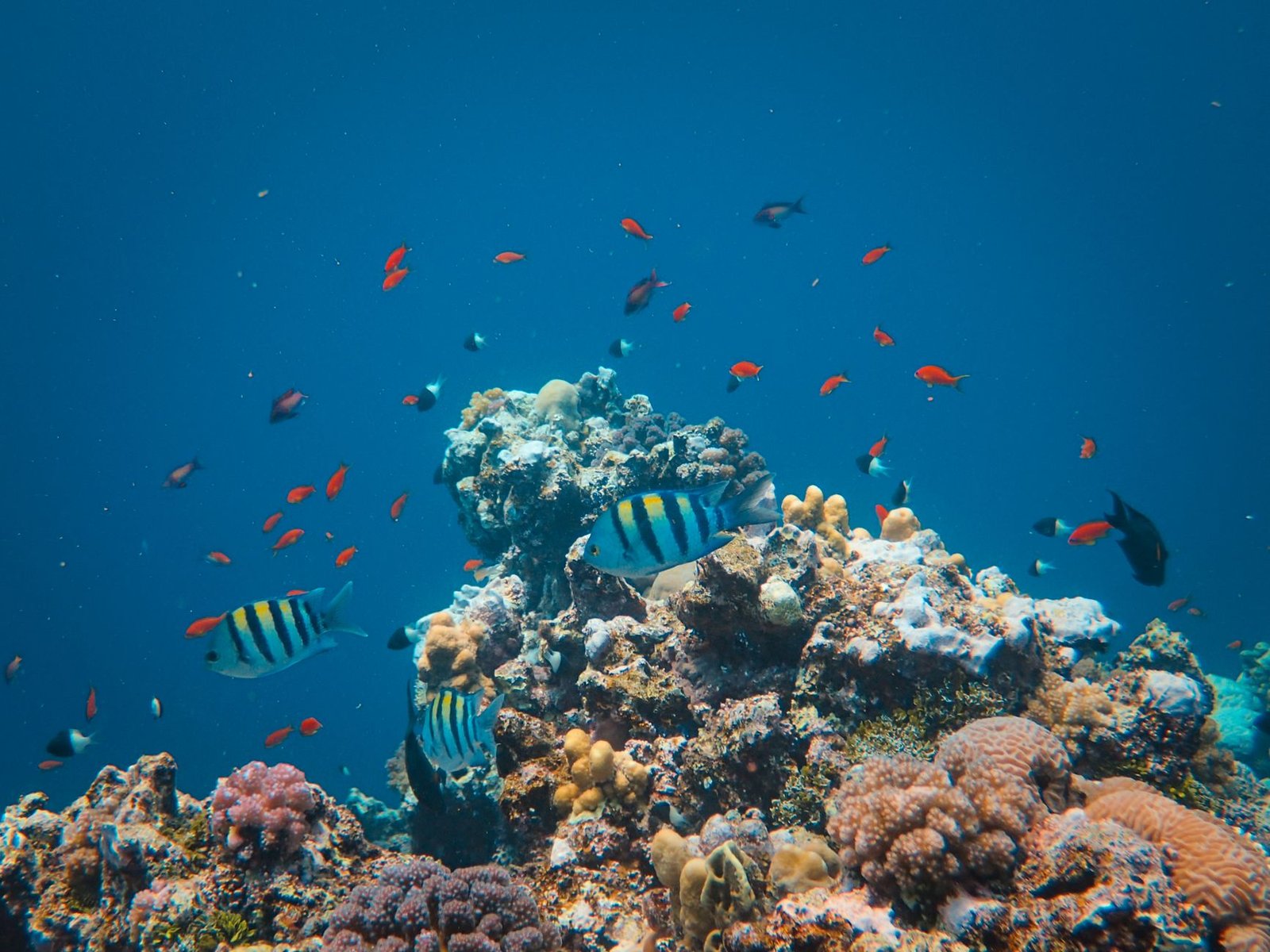
Another memorable experience involved a group of newly certified Open Water divers on their first ocean dives near Tumbatu Island. Their initial apprehension quickly transformed into awe and excitement as they discovered the intricate details of the coral gardens – a tiny seahorse clinging to seagrass, a camouflaged frogfish, and schools of vibrant reef fish dancing around them. Seeing that spark of wonder ignite in new divers is truly one of the most rewarding aspects of this profession. Zanzibar consistently delivers these moments of pure enchantment, making every dive an opportunity for discovery and connection with nature.
Conclusion: Dive into the Heart of the Indian Ocean
Diving Zanzibar Tanzania Indian Ocean offers an extraordinary journey into a world of unparalleled beauty and biodiversity. From the iconic Mnemba Atoll to the thrilling depths of Leven Bank and the serene coral gardens of Tumbatu, Zanzibar promises a dive experience that will leave an indelible mark on your soul. The warm waters, excellent visibility, and diverse marine life create a perfect backdrop for both exhilarating adventures and peaceful explorations.
So, whether you are planning your first underwater excursion or seeking to add another incredible destination to your logbook, consider the enchanting waters of Zanzibar. Prepare to be captivated by its vibrant reefs, mesmerized by its abundant marine life, and inspired by the sheer wonder of the Indian Ocean. Start planning your Zanzibar diving adventure today and discover the magic that awaits beneath the surface.
Frequently Asked Questions
What is the best time of year to go diving in Zanzibar?
The best time to dive in Zanzibar is generally from June to October for peak visibility and calm seas, with whale shark sightings possible from September to December. December to February also offers excellent conditions with the warmest water temperatures, ideal for beginners and courses.
Do I need a diving certification to dive in Zanzibar?
For an introductory “Discover Scuba Diving” experience, no prior certification is required, as you will be supervised by an instructor. However, for independent diving or to access deeper and more challenging sites, a PADI Open Water or Advanced Open Water certification is necessary.
What kind of marine life can I expect to see while diving Zanzibar Tanzania Indian Ocean?
Divers in Zanzibar can expect to encounter a rich variety of marine life, including numerous reef fish species, green and hawksbill turtles, dolphins, and various rays. Macro life such as nudibranchs, seahorses, and frogfish are common. Seasonal sightings may include whale sharks (September-December) and humpback whales (July-October).
Are there dive sites in Zanzibar suitable for beginners?
Yes, Zanzibar offers many dive sites suitable for beginners, particularly around Mnemba Atoll and the northern coast. These sites feature shallow reefs with gentle currents and abundant marine life, providing an excellent environment for learning and gaining confidence underwater.
Related Adventures
- Unveiling the Underwater Majesty: Diving Sodwana Bay, South Africa
- Unveiling the Micro Marvels: A Quick Guide to Underwater Photography in Lembeh Strait, Indonesia
- Unveiling History: Wreck Diving North Carolina’s Graveyard of the Atlantic
⚠️ Safety Notice: This content is for informational purposes only. Always consult local guides and operators, verify current conditions, and ensure appropriate skills and certifications before any outdoor activity. DiveBikeHike is not responsible for injuries or incidents.