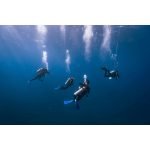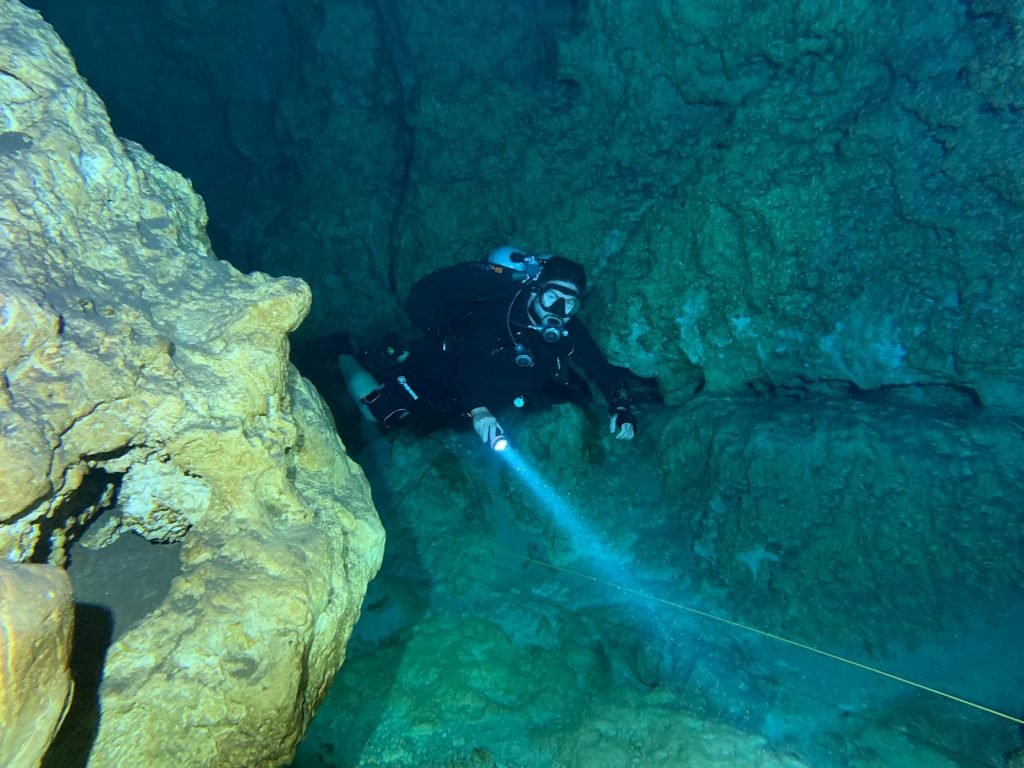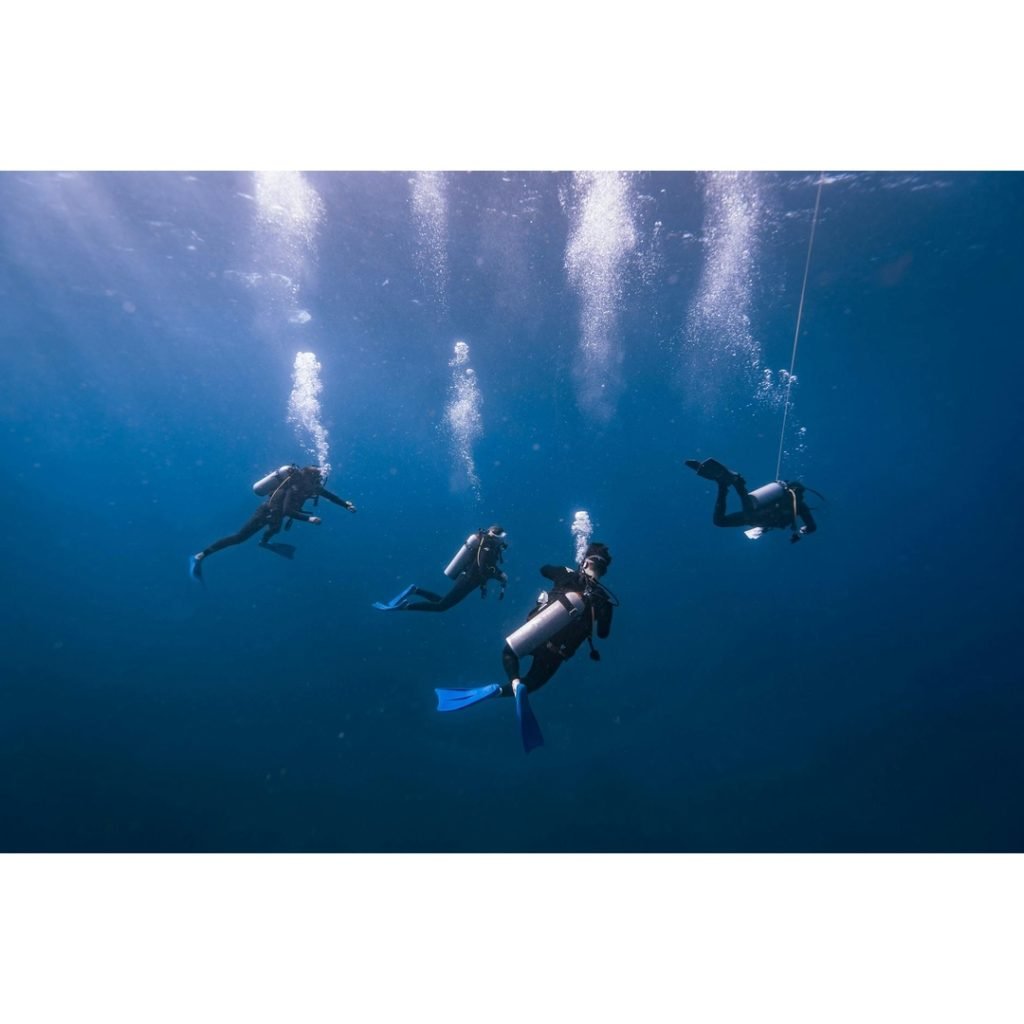
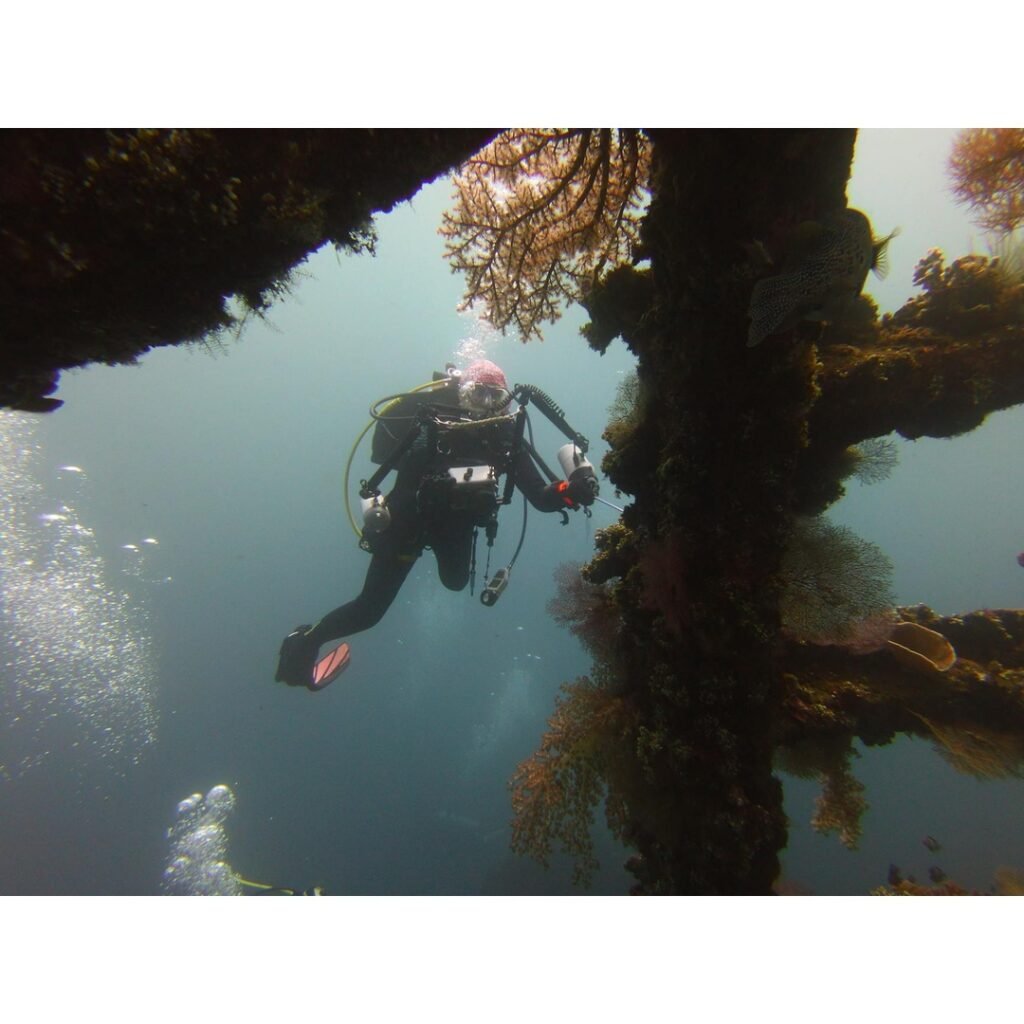
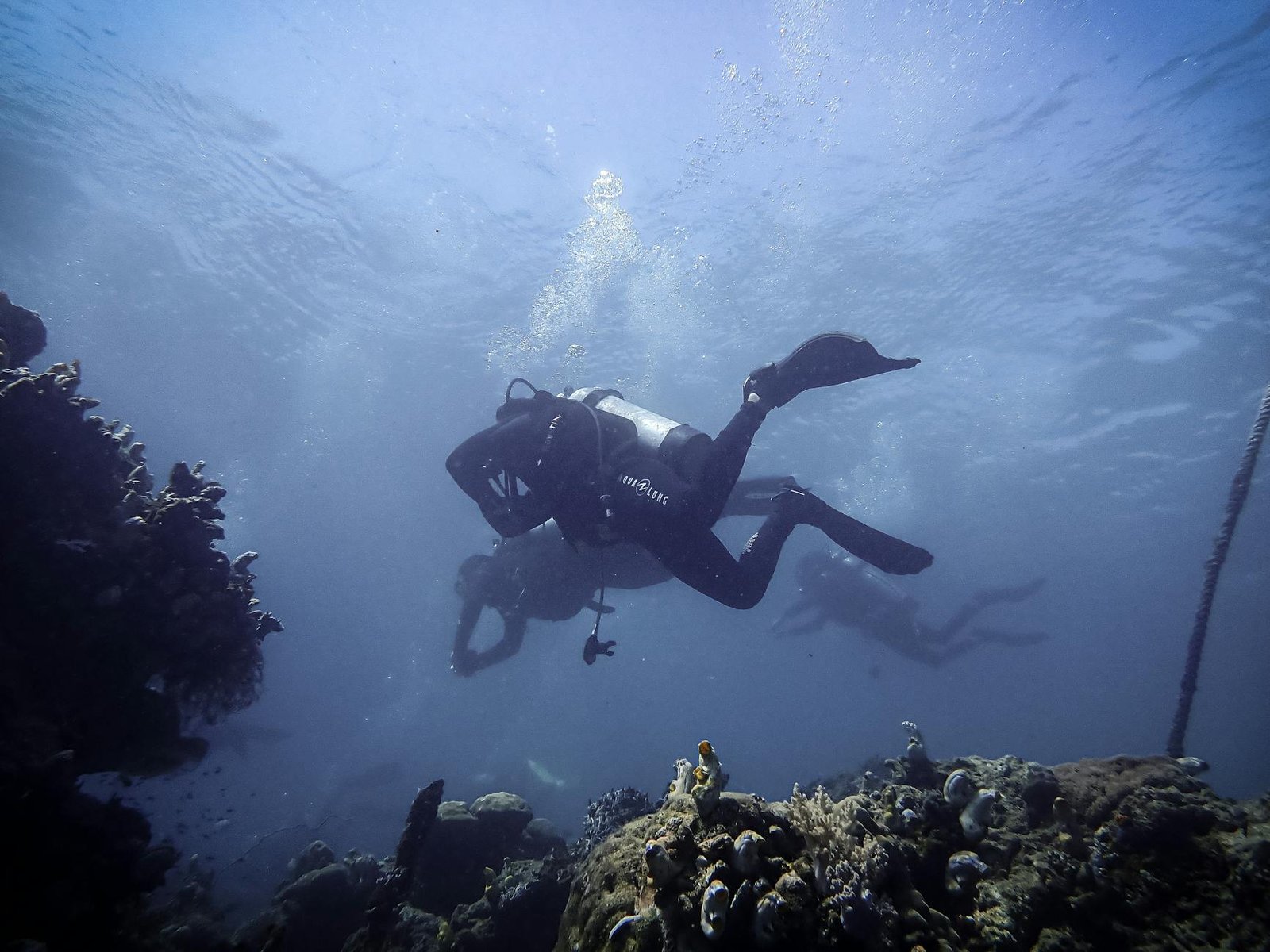
For those seeking an unparalleled underwater adventure, scuba diving Komodo National Park Indonesia stands as a pinnacle destination. Nestled within the Lesser Sunda Islands, this UNESCO World Heritage Site is a vibrant heart of the Coral Triangle, boasting an extraordinary marine biodiversity that captivates divers from around the globe. From powerful currents that bring nutrient-rich waters to encounters with majestic pelagics and intricate macro life, Komodo promises an experience that transcends the ordinary.
Why Scuba Diving Komodo National Park Indonesia is Unforgettable
Komodo National Park’s unique geographical position, situated between the Indian and Pacific Oceans, creates a dynamic underwater environment. The tidal exchanges through the Lintah Strait generate strong, often unpredictable currents that are the lifeblood of this ecosystem. These currents sweep nutrients across the reefs, fostering an explosion of marine life and supporting an estimated 1,000 species of fish and over 260 species of reef-building coral. This makes every dive an exhilarating exploration of a thriving, pristine underwater world.
The sheer diversity found here is astounding. Divers can expect to witness everything from massive schools of fish swirling in unison to graceful manta rays gliding effortlessly, and the elusive pygmy seahorse hidden among vibrant corals. It is a place where macro photographers can spend hours detailing tiny wonders, while wide-angle enthusiasts capture the grandeur of large pelagic encounters.
Top Dive Sites for Scuba Diving Komodo National Park Indonesia
Komodo National Park offers a diverse array of dive sites, each with its own unique characteristics and challenges. Here are some of the most celebrated:
- Batu Bolong: Often hailed as Komodo’s jewel, Batu Bolong is a striking rock formation rising from deep waters. Its vibrant walls are covered in multi-colored corals and teeming with marine life, including schools of tropical fish, giant Napoleon wrasse, sea turtles, and reef sharks. Due to strong currents, it is generally recommended for experienced divers who can navigate the sheltered sides of the pinnacle.
- Manta Point (Karang Makassar): A must-visit for anyone dreaming of encountering majestic manta rays. This site serves as a cleaning station where mantas gather to be groomed by smaller fish. It’s typically a drift dive in shallower waters, and while currents can be present, it can be accessible to various skill levels under the right conditions.
- Castle Rock: Known for its intense and exciting dives, Castle Rock is a submerged pinnacle famous for strong currents and large pelagic species. Divers can expect to see white-tip reef sharks, dogtooth tuna, giant trevally, and impressive schools of barracudas. This site is ideal for experienced divers seeking adrenaline-pumping encounters.
- Crystal Rock: Located near Castle Rock, Crystal Rock is another remarkable site celebrated for its exceptional visibility and abundant fish life. It offers stunning coral reefs and frequent encounters with grey sharks, schools of fusiliers, and trevally. Strong currents are common here.
- The Cauldron (Shotgun): This thrilling drift dive takes divers through a channel shaped like a “cauldron,” where powerful currents sweep through, bringing in large pelagics like sharks and rays. It’s an exhilarating experience for advanced divers.
- Siaba Besar (Turtle City): A paradise for turtles, Siaba Besar is known for its impressive population of green and hawksbill turtles. With calm, shallow waters and excellent visibility, it’s an ideal spot for beginner divers and underwater photographers.
- Tatawa Besar: Offering gentle drift dives along a sloping reef, Tatawa Besar is adorned with colorful corals. Divers can enjoy beautiful underwater landscapes and encounter turtles and eagle rays. It is suitable for divers of various experience levels.
Understanding Komodo’s Currents for Safe Scuba Diving
The currents in Komodo National Park are a defining feature of its diving experience. They are a result of massive volumes of water moving between the Indian and Pacific Oceans through the narrow straits of the archipelago, particularly the Lintah Strait. These currents can vary dramatically in strength and direction, influenced by the lunar cycle and daily tides.
While challenging, these currents are precisely what make Komodo so rich in marine life. They deliver a constant supply of nutrients, sustaining the vibrant coral reefs and attracting large pelagic species. Diving in Komodo often involves drift diving, where divers “fly” with the current, covering significant distances along the reef.
You might also enjoy: Unveiling the Underwater Majesty: Scuba Diving California’s Channel Islands
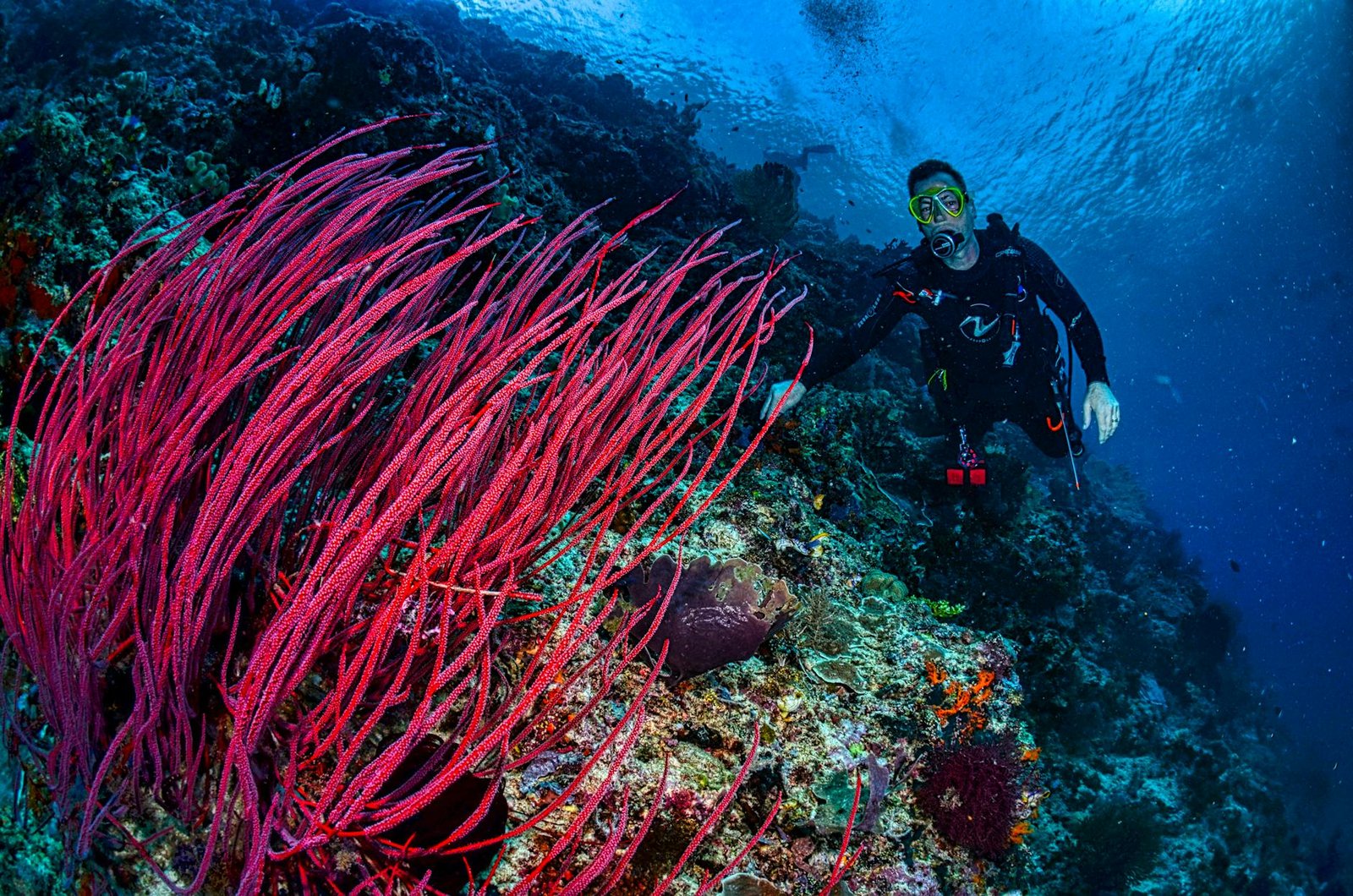
It is paramount to dive with experienced local guides who possess in-depth knowledge of the dive sites, tide charts, and moon phases. They can predict current behavior and ensure dives are conducted safely, often timing entries and exits around slack tide or specific current directions.
Marine Life Encounters in Komodo National Park
The biodiversity of Komodo National Park is truly exceptional. Divers frequently encounter a spectacular array of creatures, including:
- Manta Rays: Graceful and majestic, often seen at cleaning stations like Manta Point.
- Sharks: White-tip and black-tip reef sharks are common, with grey reef sharks also present at deeper sites.
- Turtles: Green sea turtles and hawksbill turtles are abundant, particularly at sites like Siaba Besar.
- Pelagic Fish: Giant trevally, barracudas, dogtooth tuna, and Spanish mackerel are frequently sighted in schools.
- Reef Fish: Napoleon wrasse, sweetlips, angelfish, parrotfish, bannerfish, and countless species of fusiliers and anthias populate the reefs.
- Macro Life: For those with a keen eye, pygmy seahorses, nudibranchs, frogfish, and various species of octopuses and eels can be found.
Practical Tips for Scuba Diving Komodo National Park Indonesia
- Best Time to Visit: Diving in Komodo is possible year-round, but conditions vary.
- Dry Season (April to November): Generally offers calmer surface conditions and excellent visibility (often 20-30 meters), especially in North Komodo. This is a popular time for overall park access.
- Wet Season (December to March): Characterized by occasional rainfall, but often brings peak manta ray season and fewer crowds. Visibility can still be impressive (15-30 meters) and water temperatures comfortable (around 26-27°C) in the central and southern areas.
- Transition Periods (March to May and September to November): Often provide a good balance, with calm weather and active marine life across all areas.
- Certification Levels: While Open Water certified divers can enjoy some sites, an Advanced Open Water (AOW) certification is highly recommended to safely experience many of Komodo’s legendary drift dives and stronger current sites like Castle Rock or Batu Bolong. Operators often group divers by experience level. Beginners can participate in Try Scuba programs in calmer areas.
- Liveaboard vs. Day Trips: Liveaboards are often considered the optimum way to experience the best of Komodo, allowing access to more remote dive sites across the entire park. Day trips typically focus on the central dive zones accessible from Labuan Bajo.
- Essential Equipment: A Surface Marker Buoy (SMB) is a mandatory safety item for all divers in Komodo. A reef hook and gloves can also be beneficial for managing strong currents, though careful use is essential to protect the delicate coral.
- Respect the Marine Environment: Practice responsible diving by maintaining excellent buoyancy, avoiding contact with corals, and never disturbing marine life.
Safety Considerations for Scuba Diving in Komodo
The exhilarating currents of Komodo demand respect and preparedness. Safety is paramount, and adhering to guidelines is crucial for an enjoyable experience:
- Listen to Your Dive Guide: Local dive guides possess invaluable knowledge of the sites, currents, and optimal dive times. Always follow their instructions and stay close to your group.
- Know Your Limits: Do not attempt dives beyond your certification or comfort level. If a dive site is known for strong currents and you are not confident, it is always acceptable to sit out a dive.
- Physical Condition: Ensure you are well-rested, hydrated, and in good physical and mental health before diving. Strong currents can be physically demanding.
- Pre-Dive Briefings: Pay close attention to the dive briefing, understanding the dive plan, entry and exit points, potential current directions, and emergency procedures.
- Buoyancy Control: Excellent buoyancy control is the number one skill for current diving. It allows you to stay streamlined, conserve air, and avoid damaging the reef.
Personal Insights from Marina Hayes, Experienced Dive Master
As a dive master who has spent countless hours exploring the depths of Komodo, I can attest to its unparalleled magic. There’s a particular thrill in descending into a site like Castle Rock, feeling the gentle push of the current, and then watching in awe as a school of barracudas swirls past, a silver tornado in the blue. It’s a constant reminder of the ocean’s raw power and incredible beauty.
I recall one unforgettable drift dive at Manta Point, where we were surrounded by a dozen mantas, performing a graceful ballet around us. Their sheer size and elegance are breathtaking, and to share that space with them is a truly humbling experience. These are the moments that stay with you, long after you’ve surfaced.
However, the currents here demand respect. I’ve seen divers, eager for the thrill, underestimate their strength. That’s why we emphasize thorough briefings and ensuring divers are comfortable with their skills. The reward for this preparation is access to an underwater world that few places on Earth can rival. Komodo isn’t just a dive destination; it’s an adventure for the soul, a place where every dive tells a new story.
You might also enjoy: Unveiling the Underwater Paradise: A Diver’s Guide to Maldives Dive Resorts and Sites
Conclusion
Scuba diving Komodo National Park Indonesia offers an extraordinary journey into one of the planet’s most vibrant marine ecosystems. With its dramatic underwater topography, nutrient-rich currents, and incredible biodiversity, it promises thrilling encounters and unforgettable memories for every diver. Whether you seek the adrenaline of drift dives, the majesty of manta rays, or the intricate beauty of macro life, Komodo delivers. Plan your expedition to this Indonesian underwater paradise and prepare to be amazed.
Frequently Asked Questions
What certification do I need for scuba diving Komodo National Park Indonesia?
While Open Water certified divers can enjoy some calmer sites, an Advanced Open Water (AOW) certification is highly recommended for many of Komodo’s famous dive sites due to strong currents. Some operators may restrict certain challenging sites to AOW divers or those with a minimum number of logged dives. Beginners can also experience the underwater world through Try Scuba programs in protected areas.
When is the best time for scuba diving Komodo National Park Indonesia?
Komodo offers excellent diving year-round, but the best time depends on your preferences. The dry season (April to November) generally provides calmer seas and best visibility, especially in the north. The wet season (December to March) is often considered peak manta ray season with fewer crowds, particularly in the central and southern areas. Transition periods (March-May and September-November) can offer a good balance of conditions across the park.
What marine life can I expect to see while scuba diving Komodo National Park Indonesia?
Komodo National Park is renowned for its incredible biodiversity. Divers frequently encounter majestic manta rays, various species of reef sharks (white-tip, black-tip, grey), green and hawksbill sea turtles, and large schools of pelagic fish like giant trevally and barracudas. The reefs also teem with vibrant reef fish, Napoleon wrasse, and fascinating macro life such as nudibranchs, frogfish, and pygmy seahorses.
Are the currents dangerous for scuba diving in Komodo National Park?
Komodo is famous for its strong and often unpredictable currents, which are a key factor in its rich marine biodiversity. While these currents can be challenging, they are not necessarily dangerous if divers are properly trained, have good buoyancy control, and dive with experienced local guides who understand the local tides and conditions. Many dives are exhilarating drift dives, but it’s crucial to respect the currents and know your limits.
Related Adventures
- Unveiling the Underwater Majesty: Scuba Diving California’s Channel Islands
- Unveiling the Underwater Paradise: A Diver’s Guide to Maldives Dive Resorts and Sites
- Unveiling the Underwater Majesty: Diving Sodwana Bay, South Africa
⚠️ Safety Notice: This content is for informational purposes only. Always consult local guides and operators, verify current conditions, and ensure appropriate skills and certifications before any outdoor activity. DiveBikeHike is not responsible for injuries or incidents.