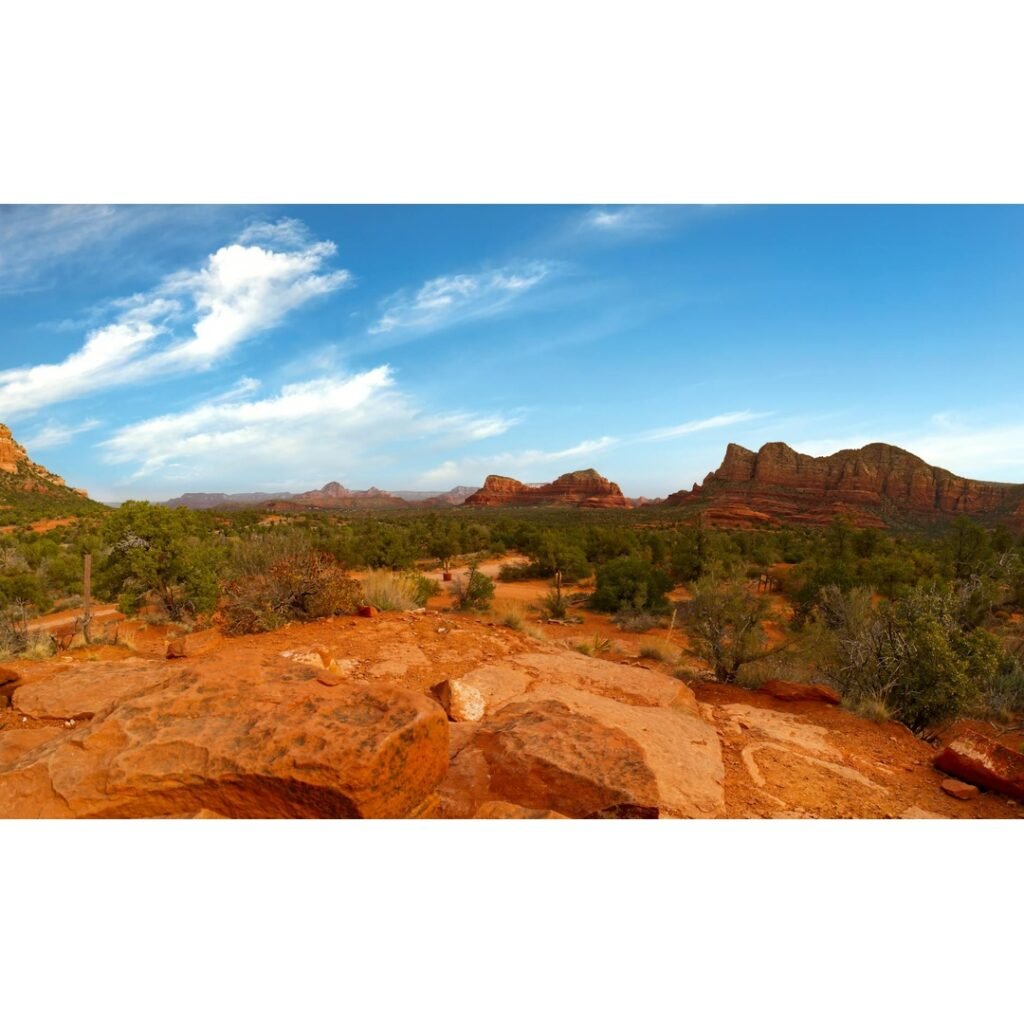
Sedona, Arizona, stands as a beacon for outdoor adventurers, and for cycling enthusiasts, its iconic red rock landscape transforms into an extraordinary playground. The bike trails in Sedona Arizona offer an unparalleled experience, blending stunning vistas with diverse terrain that challenges and delights riders of all skill levels. As an experienced cyclist, the allure of Sedona’s trails is undeniable – a unique combination of grippy sandstone, flowy singletrack, and technical features set against a backdrop of ancient, towering formations.
This guide aims to be a concise resource for anyone looking to explore the world-class mountain biking opportunities here. We will navigate through the various trail networks, offer practical advice, and share insights to ensure a memorable and safe journey through this desert cycling mecca.
Why Sedona is a Premier Cycling Destination
Sedona’s reputation as a top-tier mountain biking destination is well-earned. The region boasts over 200 miles of singletrack trails, providing endless exploration possibilities. What truly sets Sedona apart is its unique geology. The vibrant red rock formations create a visually spectacular environment, while the varied terrain—from smooth dirt paths to challenging slickrock—ensures that every ride is an adventure.
- Diverse Terrain: Riders encounter a mix of packed dirt, loose gravel, rocky sections, and expansive slickrock.
- Stunning Scenery: Every turn offers panoramic views of famous landmarks like Bell Rock, Courthouse Butte, and Cathedral Rock.
- Year-Round Riding: While spring and fall offer the most comfortable temperatures, Sedona provides riding opportunities throughout the year, with proper planning for summer heat or occasional winter chill.
Exploring the Bike Trails in Sedona Arizona: A Trail Breakdown
Sedona’s trail system is extensive and interconnected, often allowing riders to link multiple trails for longer, customized adventures. Trails are generally well-marked, but carrying a map or using a GPS app like Trailforks is highly recommended.
Beginner-Friendly Pathways
For those new to mountain biking or seeking a relaxed scenic ride, Sedona offers excellent entry points to its trail network. These trails are generally wider, smoother, and have fewer technical obstacles.
- Bell Rock Pathway: This is arguably the most recommended trail for beginners. It is a relatively easy, family-friendly trail, approximately 3.5 to 3.6 miles one way, making it about 7.1 miles out and back. The pathway is mostly wide and hard-packed, though some sections around Bell Rock can be rocky and have gentle hills. Riders are treated to fantastic views of Bell Rock and Courthouse Butte. Parking at trailheads like Little Horse, Courthouse Vista, or Bell Rock Vista typically requires a Red Rock Pass.
- Baldwin Trail: Often ridden as a loop, the Baldwin Trail offers an easy to moderate experience, varying from 1.6 to 3.1 miles depending on the chosen route and connections. It provides beautiful views of Cathedral Rock and access to the riparian zone along Oak Creek. While generally mellow, some sections can be rocky. A Red Rock Pass is required for parking.
Intermediate Challenges
Ready to step up the technicality and elevation? These trails introduce more rocks, roots, slickrock sections, and moderate climbs and descents, perfect for developing skills.
You might also enjoy: Cycling the Netherlands Countryside and Windmill Routes: An Enthusiast’s Quick Guide
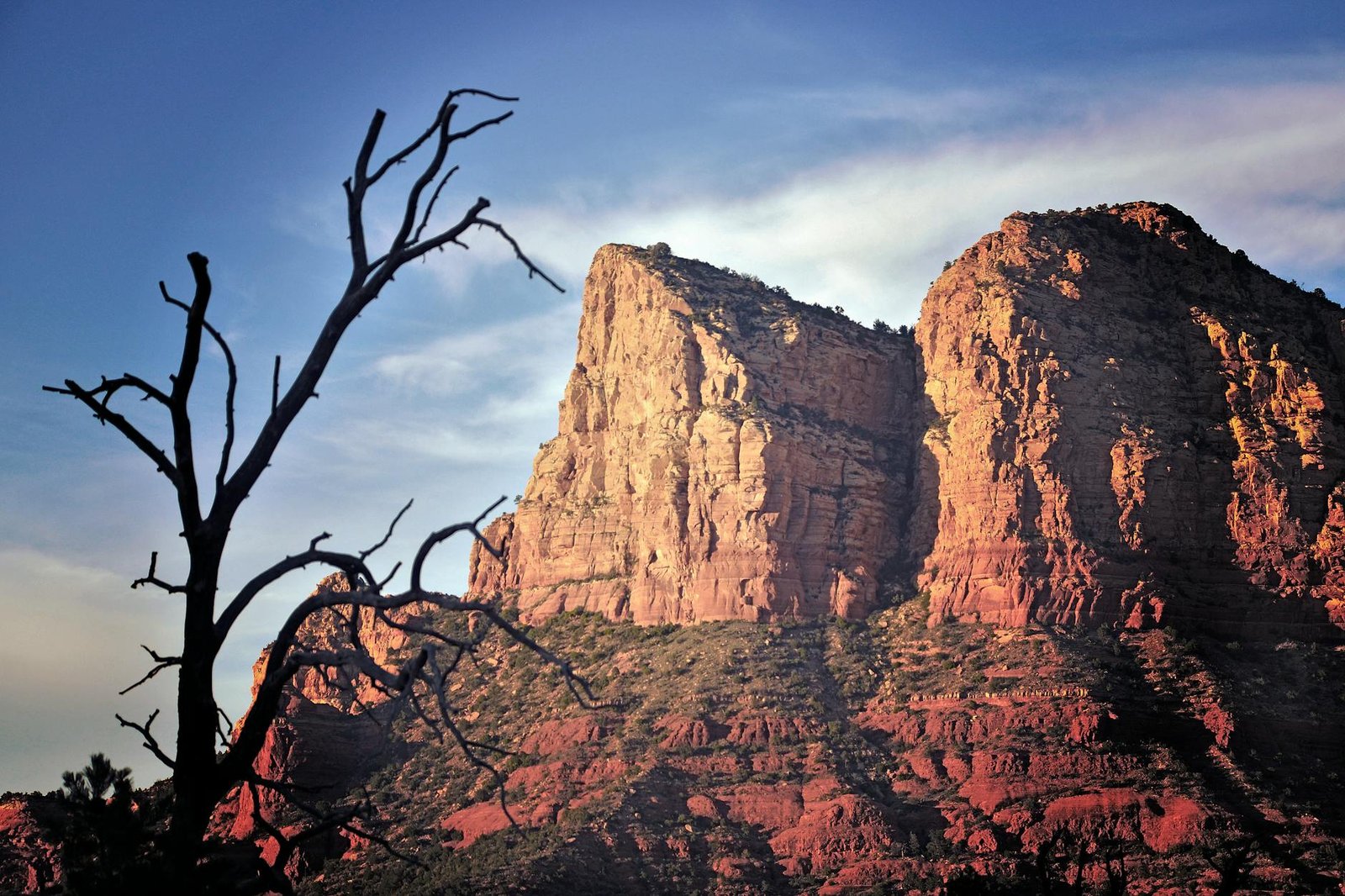
- Mescal Trail: Rated as intermediate (Blue difficulty), the Mescal Trail is a popular 2.6-mile singletrack. It features a unique mix of slickrock ledges and packed dirt, with some alternate lines for more skilled riders. The trail offers incredible views of Mescal Mesa and connects seamlessly with other trails like Chuck Wagon and Deadman’s Pass, allowing for longer loops.
- Chuck Wagon Trail: This intermediate (Blue difficulty) trail is a bi-directional singletrack, approximately 5.4 miles long, though it can be part of longer loops up to 11 miles out and back. It winds through diverse landscapes with packed dirt, rocks, and slickrock sections, offering both flowy and technical climbing challenges. Chuck Wagon is an excellent connector to the Mescal Trail and other routes in the Dry Creek area.
Advanced Thrills: Pushing the Limits
For expert riders seeking adrenaline-pumping descents, significant exposure, and highly technical features, Sedona delivers some of the most challenging and rewarding trails in the country.
- Hiline Trail: Considered an expert or double black diamond trail, Hiline is approximately 3 miles long but is typically ridden as part of a longer 8-10 mile loop. It demands very good fitness and expert bike handling skills due to its steep climbs, exposed slickrock sections, and thrilling descents. The trail offers unparalleled panoramic views of Cathedral Rock and the surrounding landscapes. A Red Rock Pass is required for parking at access points like Yavapai Vista.
- Hangover Trail: This iconic double black diamond trail is known for its extreme technicality and breathtaking exposure. The Hangover Trail is about 3.2 miles long and is often incorporated into an 8-8.5 mile loop. Riders will encounter exposed off-camber slickrock, steep climbs, narrow sections, and very steep slickrock rolls. It is a test of precision and nerve, offering some of the most dramatic red rock views in Sedona. A Red Rock Pass is required.
Essential Gear for Sedona Riding
Proper preparation is key to enjoying the bike trails in Sedona Arizona. The desert environment and technical terrain demand specific gear choices:
- Mountain Bike: A full-suspension mountain bike is highly recommended, especially for intermediate and advanced trails, to absorb the shocks from rocky and slickrock terrain.
- Helmet: A sturdy, well-fitting helmet is non-negotiable for safety.
- Hydration Pack: The dry Arizona climate necessitates ample water. A hydration pack with at least 2-3 liters capacity is crucial, along with electrolyte drinks.
- Protective Gear: Gloves protect hands, and knee pads are highly advised for all rides in Sedona, especially on technical trails, to prevent injuries.
- Tires: High-quality mountain bike tires with excellent grip are critical for navigating Sedona’s unique red rock and slickrock features.
- Repair Kit: A basic repair kit including a multi-tool, spare tubes, tire levers, and a mini-pump can save a ride from an early end.
- Sun Protection: Sunscreen, sunglasses, and UPF-protective clothing, including long-sleeve jerseys and hoodies, are essential to combat the intense desert sun.
- Navigation: A physical map or a reliable GPS device/app (like Trailforks) is vital, as cell service can be spotty.
Technique and Training Tips for Sedona’s Trails
Mastering the unique challenges of Sedona’s trails requires specific techniques:
- Slickrock Riding: Trust your tires on the grippy sandstone. Maintain momentum and a balanced body position. Look ahead to pick your line.
- Climbing: Sedona’s climbs can be punchy and technical. Practice maintaining traction by shifting weight forward while staying seated, and use lower gears.
- Descending: Stay loose, keep your pedals level, and let the bike move beneath you. Look far down the trail to anticipate features.
- Rock Gardens: Maintain speed, keep your eyes up, and choose a smooth line. A full-suspension bike will be a significant advantage here.
- Bike Setup: Ensure tire pressure is optimized for grip on slickrock and comfort over rocks. Consider dropper posts for quick seat height adjustments on varied terrain.
Practical Advice for Your Sedona Cycling Adventure
- Best Time to Visit: The shoulder seasons (March-May and September-November) offer ideal riding conditions with pleasant temperatures. If riding in summer, plan for early morning starts to avoid the extreme heat. Winter can be excellent, though occasional snow or chilly mornings are possible.
- Acclimatization: Sedona sits at an elevation of approximately 4,350 feet. Allow a day or two to acclimate, especially if coming from sea level, and drink plenty of water.
- Trail Etiquette: Most trails are multi-use. Mountain bikers are generally expected to yield to hikers and equestrians. Ride in control, announce your presence, and always practice Leave No Trace principles by staying on marked trails and packing out all trash. E-bikes are typically prohibited on Sedona’s non-motorized trails.
- Red Rock Pass: Many trailhead parking areas require a Red Rock Pass. These can be purchased at self-serve stations, visitor centers, or local businesses.
- Local Resources: Sedona has excellent bike shops, such as Thunder Mountain Bikes, which offer rentals, gear, and invaluable local trail information and guidance.
Conclusion
Sedona, Arizona, truly is a mountain biker’s paradise, offering an incredible array of bike trails in Sedona Arizona that cater to every level of rider. From the serene beauty of the Bell Rock Pathway to the heart-pounding challenges of Hiline and Hangover, the red rock country promises an unforgettable cycling adventure. With proper preparation, respect for the trails, and a spirit of adventure, riders can immerse themselves in the stunning natural beauty and exhilarating terrain that make Sedona a world-class destination. So, tune up the bike, pack the essentials, and prepare to discover why the red rocks call to cyclists from around the globe.
You might also enjoy: Conquer the Trails: Your Ultimate Guide to Mountain Biking Queenstown New Zealand
We encourage all cycling enthusiasts to experience the magic of Sedona’s trails. Share your favorite rides and tips in the comments below!
Frequently Asked Questions
What is the best time of year to mountain bike in Sedona, Arizona?
The best time to mountain bike in Sedona is during the shoulder seasons: spring (March to May) and fall (September to November). During these months, temperatures are mild and comfortable for extended rides. Summer can be very hot, requiring early morning rides, while winter offers cooler temperatures and often excellent trail conditions.
Are e-bikes allowed on all bike trails in Sedona Arizona?
No, e-bikes are generally not allowed on the non-motorized mountain bike trails in Sedona. It is crucial to check local regulations and signage at trailheads, as e-bike access is restricted to specific designated trails or roads. Respecting these rules helps preserve trail access for all users.
What kind of bike is best for Sedona’s mountain bike trails?
For most of Sedona’s diverse terrain, a full-suspension mountain bike is highly recommended. The rocky sections and slickrock features are best handled with the added comfort and control that full suspension provides. For beginner-friendly trails, a hardtail mountain bike can also be suitable.
Do I need a permit or pass to ride the bike trails in Sedona Arizona?
Yes, most trailhead parking areas in Sedona require a Red Rock Pass or an America the Beautiful Pass. These passes contribute to the maintenance of the trails and recreational facilities. Passes can be purchased at self-serve stations, visitor centers, or local businesses.
Related Adventures
- Cycling the Netherlands Countryside and Windmill Routes: An Enthusiast’s Quick Guide
- Conquer the Trails: Your Ultimate Guide to Mountain Biking Queenstown New Zealand
- Conquer the Peaks: Your Ultimate Guide to Bike Touring the French Alps
⚠️ Safety Notice: This content is for informational purposes only. Always consult local guides and operators, verify current conditions, and ensure appropriate skills and certifications before any outdoor activity. DiveBikeHike is not responsible for injuries or incidents.