Unforgettable Bikepacking Routes in Patagonia Argentina: Your Ultimate Guide
For cycling enthusiasts seeking the ultimate blend of raw natural beauty, challenging terrain, and profound solitude, few destinations rival the allure of Patagonia. Specifically, the bikepacking routes in Patagonia Argentina offer an unparalleled adventure, a tapestry of towering peaks, glacial lakes, vast steppes, and ancient forests. This isn’t just a bike ride; it’s an immersion into one of the planet’s last true wildernesses, a journey that tests the spirit and rewards with unforgettable vistas. As experienced cyclists, we know the call of the open road – or, in Patagonia’s case, the open gravel track – is irresistible, and this guide is crafted to help you answer it.
The Call of the Wild: Iconic Bikepacking Routes in Patagonia Argentina
Patagonia Argentina presents a diverse playground for bikepackers, from well-trodden scenic roads to remote, challenging trails. Each route offers a unique flavor of this magnificent region.
The Legendary Ruta de los Siete Lagos (Seven Lakes Route)
Often considered one of Argentina’s most beautiful cycling experiences, the Ruta de los Siete Lagos, or Road of the Seven Lakes, is a highlight for many. This picturesque section of Ruta Nacional 40 stretches approximately 110 to 120 kilometers between Villa la Angostura and San Martin de los Andes. While its name suggests seven, cyclists will encounter many more stunning lakes, including Lago Lácar, Lago Machónico, Lago Meliquina, Lago Hermoso, Lago Villarino, Lago Falkner, Lago Escondido, Lago Traful, Lago Correntoso, Lago Espejo Chico, Lago Espejo Grande, and Lago Nahuel Huapi.
The route is predominantly paved and generally in good condition, making it accessible to a wider range of skill levels. However, it still offers significant elevation changes and breathtaking views of crystal-clear waters and lush forests. For those seeking a longer adventure, this route can be integrated into a larger loop starting and ending in Bariloche, incorporating the challenging Paso Cordoba. This extended loop can span around 311 kilometers and typically takes about seven days to complete, combining asphalt, gravel roads, and even some singletracks.
Huella Andina Bikepacking Trail: A Journey Through the Andean Forest
For cyclists craving more technical terrain and a deeper dive into the Andean wilderness, the Huella Andina Bikepacking Trail from Bariloche to El Bolsón is an excellent choice. This route covers approximately 228.8 kilometers with a total ascent of around 3,155 meters, usually completed over six days. A significant portion, about 70%, consists of unpaved roads, including technical singletracks, rural doubletracks, and gravel sections, interspersed with some asphalt.
The trail winds through dense forests, offering challenging downhills and rewarding climbs. Specific sections, such as Lake Mascardi to Lake Steffen, Perito Moreno Ski Station to Wharton Camping, and downhills at Cabeza del Indio, are noted for their higher technical difficulty. Experienced cyclists will appreciate the blend of rugged trails and serene lake views, with abundant water sources available, though it’s wise to plan for drier periods between mid-January and mid-March.
The Patagonian Beer Trail: A Taste of Culture and Wilderness
Connecting the vibrant towns of El Bolsón, Bariloche, and San Martin de Los Andes, the Patagonian Beer Trail offers a unique blend of cycling adventure and local culture. This route, roughly 354 kilometers (220 miles) with a total ascent of about 4,572 meters (15,000 feet), typically takes six days. It traverses diverse landscapes, from the arid Patagonian steppe on faded double-tracks to lush river valleys in the Cordillera. While generally considered non-technical, some soft riding surfaces and passes may require hike-a-biking, especially after the winter season.
The route is rideable from early October to May, but prevailing northwest winds often make riding from north to south easier. Beyond the cycling, this route celebrates the region’s burgeoning craft beer scene, a legacy of 19th-century German immigrants who planted the first hops in Argentina. Cyclists can enjoy a variety of local brews and dishes in the towns along the way.
Ruta 40: The Backbone of Argentina
Argentina’s Ruta 40 is an epic, over 5,000-kilometer road that stretches the length of the country, from the Bolivian border to the southern reaches of Patagonia. While much of it is paved, sections within Patagonia, particularly in the more remote areas, remain unpaved (known as ‘ripio’). These gravel sections can be notoriously rough, characterized by washboards and loose stones, demanding robust equipment and strong resolve.
You might also enjoy: Conquer the Trails: Your Ultimate Guide to Mountain Biking Queenstown New Zealand
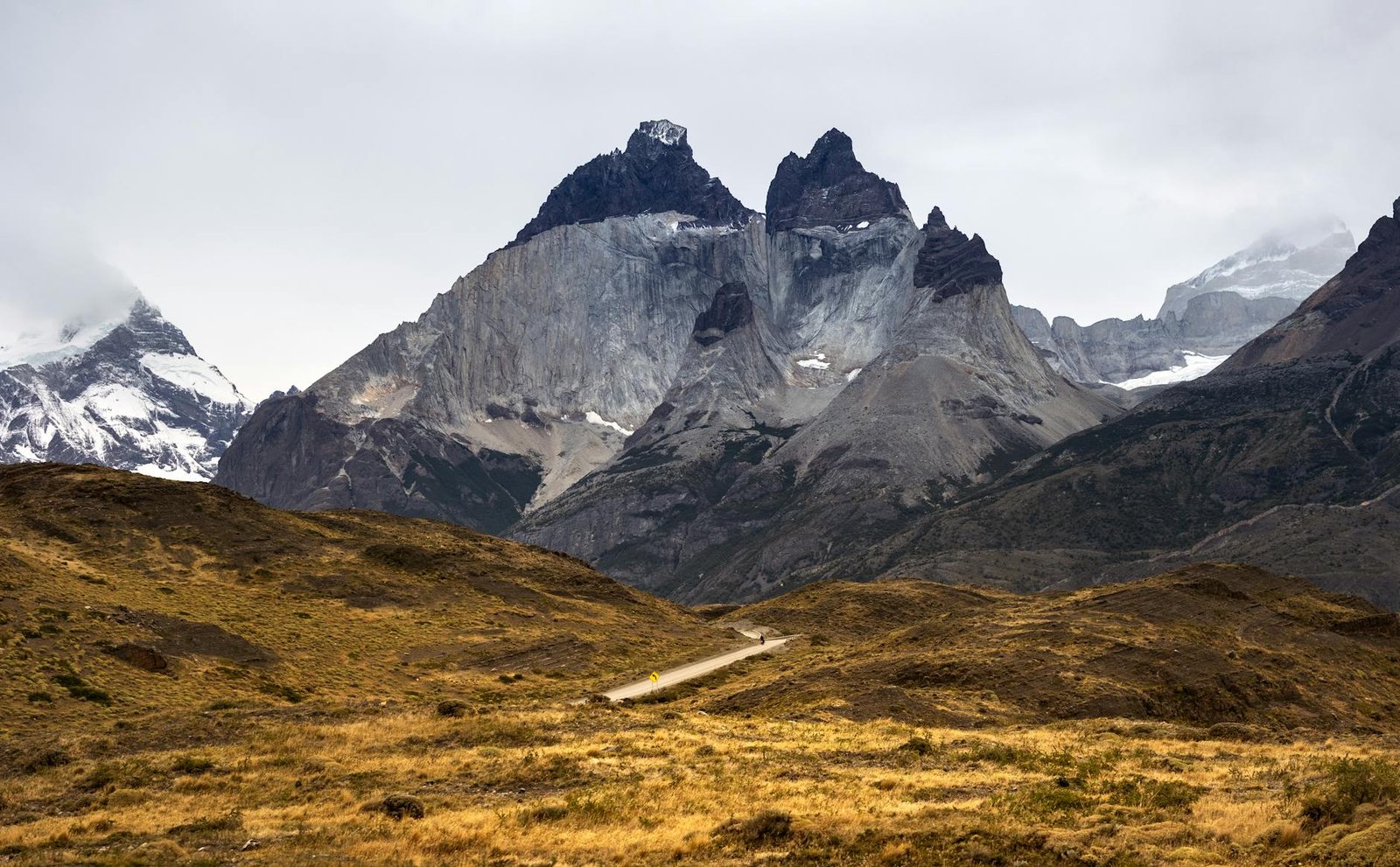
A bikepacking journey along Ruta 40 in Patagonia offers a profound sense of scale and isolation, traversing vast, windswept steppes, dramatic canyons, and skirting glacial lakes. For instance, the section from Bariloche to Piedra Parada, approximately 320 kilometers, can be completed in about three days, offering a mix of paved and gravel roads. The prevailing northwest winds are a constant companion, often dictating the direction of travel for a more favorable experience.
Tierra del Fuego: The End of the World Expedition
For the truly intrepid, the “Fin del Mundo” (End of the World) route across Tierra del Fuego offers an unparalleled challenge. This route, over 600 kilometers, connects Punta Arenas in Chile with Ushuaia in Argentina. It plunges riders into remote desert-like steppe and ancient primary forests, utilizing seldom-seen gravel roads and doubletracks.
The route is typically rideable from early November to the end of March, depending on the opening of Paso Bellavista. Expect strong Atlantic gales, with winds often exceeding 100 km/h, making a north-to-south direction generally easier. Water can be scarce in the central parts of the island, requiring careful planning for refills. A particularly demanding section near Ushuaia involves a four-to-six-hour hike-a-bike, pushing and dragging bicycles on a narrow trail.
Practical Tips for Your Patagonian Cycling Adventure
Best Time to Go
The austral summer, from December to March, is generally the most favorable time for bikepacking in Patagonia Argentina. During these months, days are long, temperatures are milder, and rainfall is typically lower. However, Patagonia’s weather is famously unpredictable; be prepared for all four seasons in a single day, including strong winds, rain, and even unexpected snow, particularly at higher elevations.
Shoulder seasons (November and April) can also be excellent, offering fewer crowds and vibrant autumn or spring colors, though with potentially colder nights and a higher chance of precipitation.
Gear Recommendations: Building Your Trusty Steed
Your bike is your most important companion. For the varied terrain of Patagonia, a robust setup is crucial:
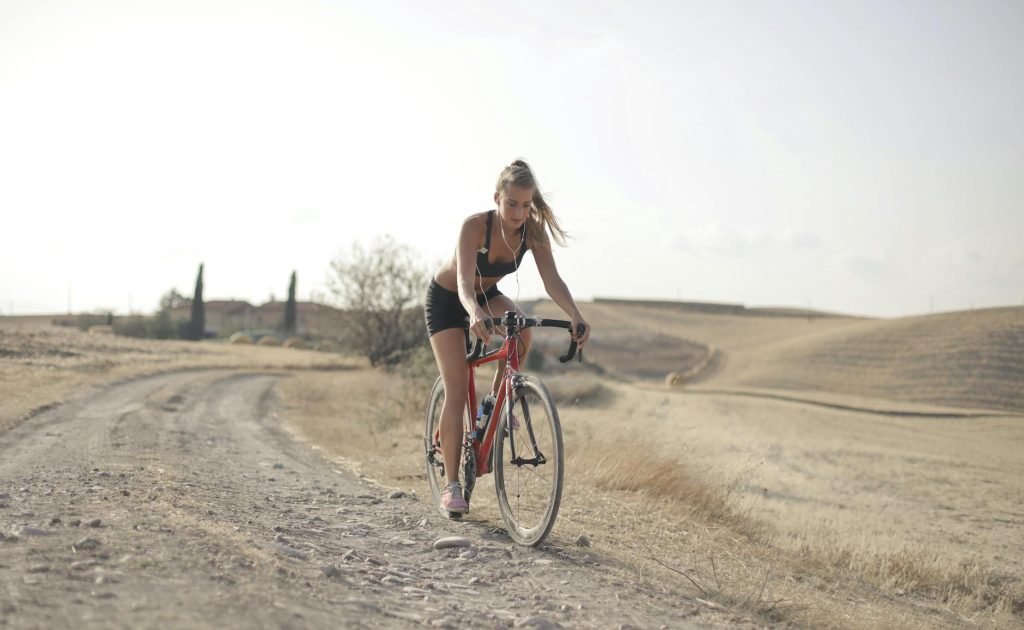
- Bike Type: A mountain bike (MTB) with 29-inch wheels and tires between 2.2 and 2.4 inches wide is highly recommended, especially for the challenging ripio and singletrack sections. Front suspension will significantly enhance comfort and control. Gravel bikes can also be suitable, particularly for routes with more consolidated gravel or paved sections, but may struggle on the roughest ripio or technical trails.
- Tires: Opt for durable, puncture-resistant tires with an inverted or knobby tread for better grip on loose surfaces. Tubeless setups are highly advantageous for minimizing flats.
- Bags: Bikepacking bags (frame bag, seat pack, handlebar roll, top tube bag, stem bags) are preferred over traditional panniers. They distribute weight more effectively, keep the load narrower for technical trails, and are less prone to damage on rough terrain.
- Repair Kit: A comprehensive repair kit is non-negotiable. Include a multi-tool with a chain breaker, tire levers, a patch kit, spare tubes (even if tubeless), a mini pump, and spare chain links.
- Camping Gear: A lightweight, three-season tent capable of withstanding strong winds is essential. A warm sleeping bag (rated around 20 degrees Fahrenheit or -7 degrees Celsius) and a comfortable sleeping pad are critical for cold Patagonian nights. A compact cooking system and fuel are also vital.
- Clothing: Layering is key. Pack moisture-wicking base layers (merino wool is excellent), an insulated puffy jacket (synthetic or down), a waterproof and windproof rain jacket and pants, padded cycling shorts, and a warm hat and gloves. Sun protection (sunscreen, sunglasses, long sleeves) is also crucial due to the intense UV radiation.
- Navigation: A reliable GPS device or a smartphone with offline maps (e.g., Maps.me, Komoot, Ride with GPS) is indispensable. Physical maps are also a good backup. Phone signal can be limited or non-existent in many remote areas.
Training and Technique
Preparing your body and mind for a Patagonian bikepacking adventure is as important as your gear. Focus on:
- Endurance: Long rides with loaded bikes are the best training. Gradually increase your mileage and elevation gain.
- Strength: Incorporate core strength and leg exercises to handle climbs and bike control on rough terrain.
- Bike Handling: Practice riding on gravel, loose dirt, and uneven surfaces. Develop confidence in descending and navigating technical sections.
- Mental Fortitude: Patagonia can be challenging. Develop resilience for adverse weather, long days, and moments of solitude. Pacing yourself and enjoying the journey are crucial.
Personal Insights from the Trail (Alex Trail)
Having spent considerable time exploring the bikepacking routes in Patagonia Argentina, we can attest to the transformative power of this landscape. We’ve pushed our bikes up steep, rocky ascents, battled relentless headwinds across the vast steppe, and found profound peace camping beside pristine glacial lakes. The “ripio” – Patagonia’s infamous gravel roads – will test every bolt on your bike and every fiber of your being. There were moments when we questioned our sanity, pushing through headwinds that felt like a solid wall, or navigating stretches of deep, soft gravel that demanded every ounce of concentration. Yet, these are often the moments that forge the deepest memories and the strongest sense of accomplishment.
You might also enjoy: Conquering the Carretera Austral: Chile’s Ultimate Bike Touring Adventure
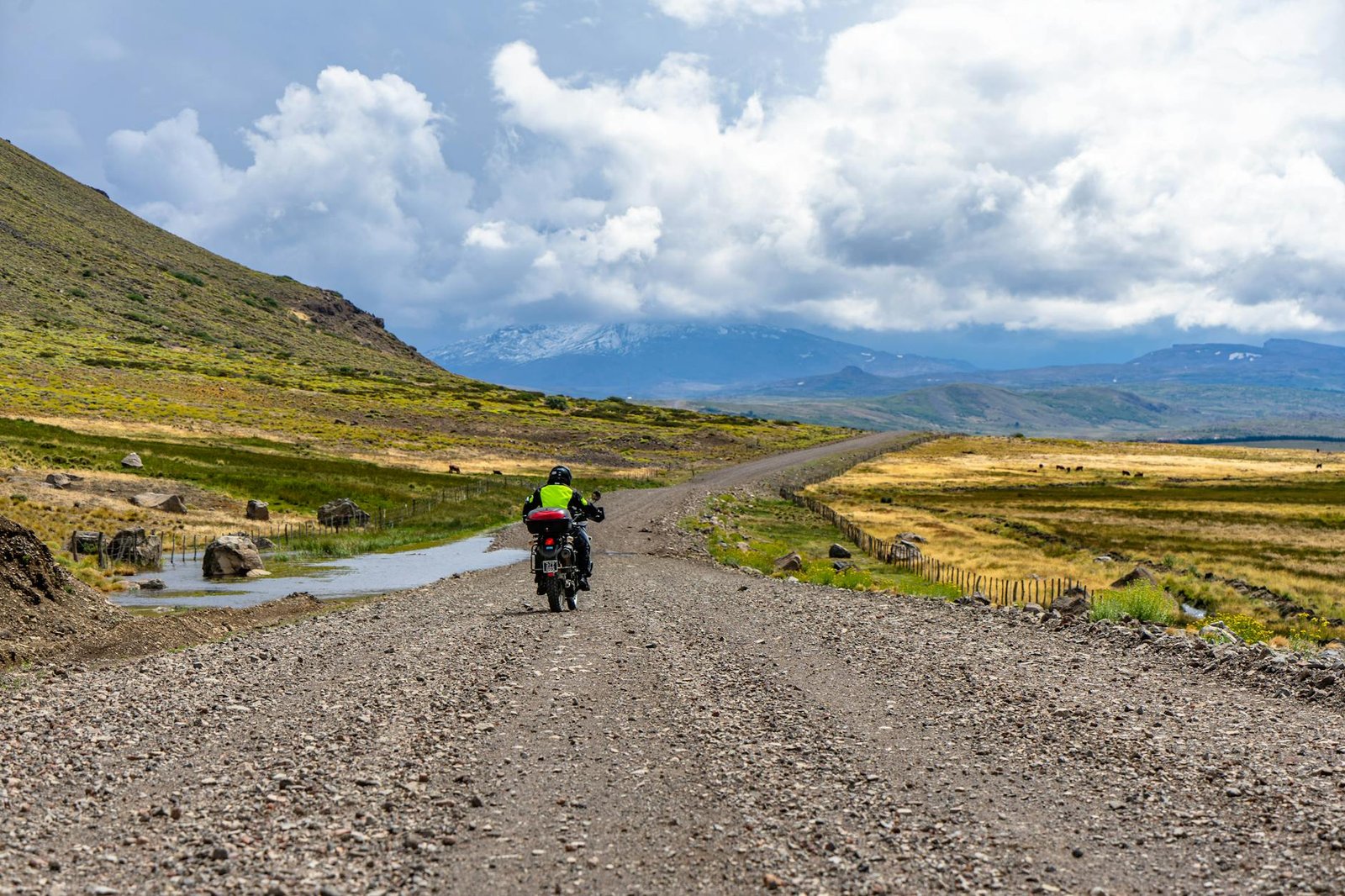
We’ve learned that flexibility is paramount. Weather forecasts are often suggestions, not guarantees, and a sudden Patagonian squall can turn a dry track into a muddy challenge in minutes. We always carry extra water and food, as resupply points can be few and far between, especially on routes like parts of Ruta 40 or in Tierra del Fuego. The warmth and generosity of the local Argentinian people, from a friendly wave to an unexpected offer of mate, often provide the morale boost needed to continue. Wild camping, while requiring strict adherence to Leave No Trace principles, offers some of the most spectacular campsites imaginable, under a canopy of stars unlike anywhere else.
The beauty of bikepacking in Patagonia isn’t just in the epic landscapes, but in the self-sufficiency it demands and the profound connection it fosters with nature. It’s a journey that strips away the superfluous, leaving you with the essentials: your bike, your gear, and your unwavering spirit of adventure.
Conclusion: Your Patagonian Adventure Awaits
Bikepacking through Patagonia Argentina is more than just a trip; it’s an expedition into the soul of adventure cycling. From the iconic Ruta de los Siete Lagos to the rugged Huella Andina and the remote trails of Tierra del Fuego, the region offers a lifetime of exploration for every level of cyclist. With careful planning, the right gear, and a healthy dose of determination, you too can experience the unparalleled beauty and challenge of these incredible bikepacking routes in Patagonia Argentina.
So, what are you waiting for? Start planning your Patagonian cycling adventure today. The mountains are calling, and the open road awaits!
Frequently Asked Questions
What is the best time of year for bikepacking in Patagonia Argentina?
The ideal time for bikepacking in Patagonia Argentina is during the austral summer, from December to March. This period offers the longest daylight hours, milder temperatures, and generally less rainfall, making for more favorable riding conditions.
What kind of bike is best suited for bikepacking in Patagonia?
For most bikepacking routes in Patagonia Argentina, a mountain bike (MTB) with 29-inch wheels and tires between 2.2 and 2.4 inches wide is highly recommended. Front suspension is also beneficial for navigating the often-rough gravel (ripio) and technical singletrack sections.
How challenging are the bikepacking routes in Patagonia Argentina?
The difficulty of bikepacking routes in Patagonia Argentina varies significantly. Routes like the paved sections of the Ruta de los Siete Lagos can be moderate, while trails such as the Huella Andina or remote sections of Ruta 40 and Tierra del Fuego can be very challenging, involving significant elevation gains, rough terrain, and strong winds.
What are the essential gear items for a bikepacking trip in Patagonia?
Key gear includes a reliable bike with appropriate tires, a full bikepacking bag setup (frame, seat, handlebar bags), a comprehensive repair kit, layered clothing for all weather conditions (including waterproofs and insulation), a sturdy tent, a warm sleeping bag, a cooking system, and a water filter. Navigation tools like a GPS device with offline maps are also crucial due to limited phone signal in remote areas.
Related Adventures
- Conquer the Trails: Your Ultimate Guide to Mountain Biking Queenstown New Zealand
- Conquering the Carretera Austral: Chile’s Ultimate Bike Touring Adventure
- Cycling the Netherlands Countryside and Windmill Routes: An Enthusiast’s Quick Guide
⚠️ Safety Notice: This content is for informational purposes only. Always consult local guides and operators, verify current conditions, and ensure appropriate skills and certifications before any outdoor activity. DiveBikeHike is not responsible for injuries or incidents.