As a dive master with years of experience exploring the ocean’s hidden wonders, there are few places that ignite the spirit of adventure quite like the Bahamas. This archipelago, renowned for its crystal-clear turquoise waters and vibrant marine ecosystems, holds a special allure for those drawn to the mysteries of the deep: wreck diving in the Bahamas. Beneath the shimmering surface lies a captivating collection of sunken ships and aircraft, each with its own story, transformed into thriving artificial reefs that beckon divers from around the globe.
Why the Bahamas is a Premier Destination for Underwater Wrecks
The Bahamas stands out as a world-class destination for wreck diving for several compelling reasons. The archipelago boasts exceptional underwater visibility, often exceeding 100 feet (30 meters), allowing for breathtaking views of these submerged giants. Coupled with comfortable water temperatures, ranging from approximately 75°F (24°C) in winter to a balmy 88°F (31°C) in summer, diving here is a year-round pleasure.
Beyond the ideal conditions, the sheer diversity of wreck sites is what truly sets the Bahamas apart. From shallow wrecks accessible to snorkelers and beginner divers to deeper, more challenging sites for advanced enthusiasts, there is an underwater adventure for everyone. These sunken vessels, whether lost to storms, scuttled for film sets, or purposefully sunk as artificial reefs, have become vibrant havens for an incredible array of marine life. Coral formations, sponges, and anemones now adorn their structures, attracting schools of tropical fish, sharks, turtles, and various invertebrates, creating dynamic and ever-evolving underwater landscapes.
Iconic Wreck Sites: A Journey Through Time and Film
The Bahamas’ rich history of maritime activity, combined with its popularity as a filming location, has resulted in a fascinating array of accessible shipwrecks and artificial reefs. Exploring these sites offers a unique blend of historical intrigue and vibrant marine encounters.
The Allure of the James Bond Wrecks (New Providence)
For many, the first thought of Bahamian wrecks conjures images of cinematic espionage. Off the coast of New Providence, near Nassau, lie the famous James Bond Wrecks. These sites gained notoriety from their appearances in Sean Connery’s 007 films. The “Tears of Allah,” a 90-foot (27-meter) cargo ship, was featured in the 1983 film Never Say Never Again. It rests at a depth of approximately 40-45 feet (12-14 meters) and is now beautifully encrusted with sponges and corals, attracting angelfish and snapper.
Just a short swim away, divers can explore the remains of a Vulcan bomber mock-up, originally used in the 1965 film Thunderball. While the exterior panels have long since disintegrated, the metal framework remains, providing a unique structure for corals and a playground for lionfish, turtles, barracuda, and various reef fish. These shallow wrecks are often visible to snorkelers on clear days, making them accessible to a wide range of visitors.
The Historic SS Sapona (Bimini)
Steeped in history, the SS Sapona is a concrete-hulled cargo steamer with a storied past. Built in 1920, it was initially intended for use in World War I but was later repurposed for oil storage and then famously as a rum-running liquor warehouse during the Prohibition era. In 1926, a powerful hurricane drove the Sapona aground south of Bimini, where it has remained ever since. During World War II, the partially submerged vessel served as target practice for the U.S. military.
Today, the SS Sapona rests in shallow waters, typically around 15-20 feet (4.5-6 meters) deep, with much of its structure still visible above the waterline. This makes it an ideal site for both beginner divers and snorkelers. The wreck is teeming with marine life, including gray angelfish, green moray eels, schools of sergeant majors, lobsters, and sea stars, all thriving amidst the concrete remains.
Theo’s Wreck (Grand Bahama)
Off the coast of Grand Bahama Island lies Theo’s Wreck, a 228-230 foot (70-meter) steel cargo ship originally named the M/S Logona. Intentionally sunk in October 1982 by UNEXSO to create an artificial reef, Theo’s Wreck now rests on its port side at a depth of approximately 100-105 feet (30-33 meters), with its upper sections reaching a more moderate 60-65 feet (18-20 meters).
This impressive wreck offers opportunities for limited penetration into its engine room and expansive cargo hold, making it a favorite for experienced divers. The ship’s structure is heavily colonized by gorgonian sea fans and vibrant orange false gorgonians, providing habitat for a diverse array of marine life, including giant green moray eels, spotted eels, groupers, and various reef fish. Divers should be aware that currents around the wreck can vary with the tides.
You might also enjoy: Unveiling the Ghost Fleet: An Ultimate Guide to Wreck Diving in Truk Lagoon Micronesia
The Willaurie (New Providence)
Another popular wreck near Nassau, New Providence, is the Willaurie. This 130-147 foot (39-45 meter) former mail boat sank in 1988 and now serves as a vibrant artificial reef. The Willaurie sits upright on a sandy bottom at a depth of 50-70 feet (15-21 meters). Its most distinctive feature is a magnificent cargo compartment, now an “underwater cage” formed by its metal support bars, which are completely covered in sponges and corals.
The Willaurie is a fantastic site for observing schools of snappers, Nassau groupers, and even turtles, making it a prime location for underwater photography, especially macro shots of the smaller creatures inhabiting its nooks and crannies.
The Sugar Wreck (Grand Bahama)
Located off the west coast of Grand Bahama Island, the Sugar Wreck is a shallow and highly accessible dive site. This old sailing ship, which sank with a cargo of sugar or molasses, rests in just 15-20 feet (4.5-6 meters) of water. Its shallow depth and proximity to the famous Tiger Beach make it an excellent choice for divers of all experience levels, including snorkelers and those new to wreck diving.
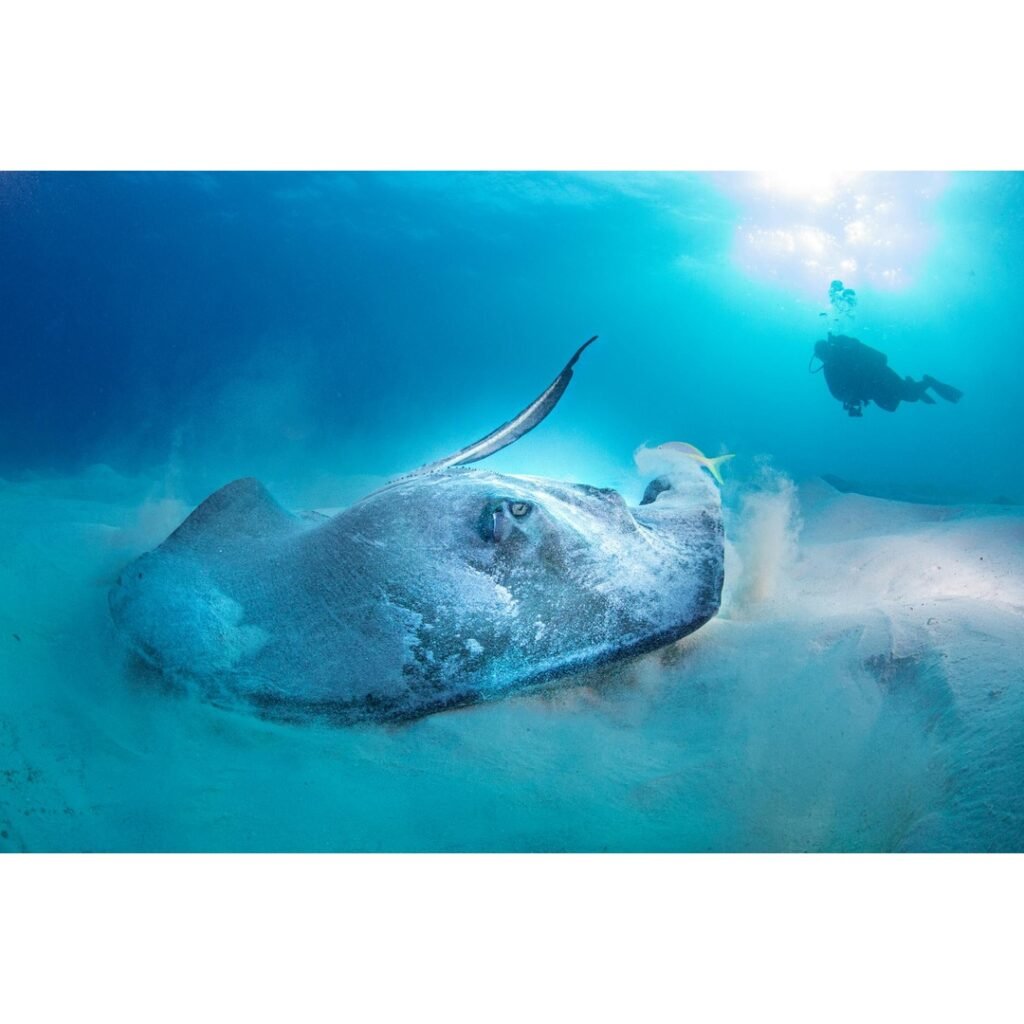
The Sugar Wreck is renowned for its abundant fish life, with large congregations of grunts, gobies, snappers, wrasse, angelfish, and parrotfish. Divers frequently encounter loggerhead turtles, southern stingrays, and various shark species, including reef, lemon, nurse, and even tiger sharks in the vicinity.
Technical Aspects and Certification Levels for Wreck Diving in the Bahamas
The beauty of wreck diving in the Bahamas is its accessibility across various certification levels. Many shallow wrecks, like the SS Sapona and Sugar Wreck, are suitable for Open Water Divers.
However, for deeper wrecks or those involving limited penetration, an Advanced Open Water Diver certification or a specialized Wreck Diver Specialty course is highly recommended. A Wreck Diver Specialty course provides essential skills and knowledge, including proper navigation techniques, assessing wreck conditions, using specialized equipment like reels and lines, and safely conducting limited penetration dives within the “light zone” where natural light is still visible. This training is crucial for building confidence and ensuring safety when exploring complex underwater structures.
Safety First: Essential Considerations for Wreck Diving
While wreck diving is incredibly rewarding, it comes with inherent risks that demand respect and careful planning. Safety should always be the paramount concern. Divers must never exceed their training or comfort levels.
Key safety considerations include:
You might also enjoy: Unveiling the Underwater Majesty: Scuba Diving California’s Channel Islands
- Buoyancy Control: Maintaining excellent buoyancy is critical to avoid stirring up silt, which can quickly reduce visibility to zero, and to prevent damaging delicate corals or the wreck structure itself.
- Entanglement Hazards: Wrecks often have loose wires, cables, fishing lines (ghost gear), and deteriorating metal that can cause entanglement. Carrying a cutting tool is essential.
- Sharp Edges and Deterioration: Rusting metal and collapsing structures pose risks. Divers should avoid touching anything and be mindful of their surroundings.
- Buddy System: Always dive with a buddy and maintain constant communication, especially in overhead environments.
- Pre-Dive Checks: Thoroughly check all equipment before entering the water.
- No-Decompression Limits: Monitor depth and bottom time carefully to stay within no-decompression limits.
- Post-Dive Flying: Avoid flying for at least 24 hours after diving to prevent decompression illness.
Tips from an Experienced Dive Master
As Marina Hayes, an experienced dive master, we have seen countless divers discover the magic of wreck diving. Our advice to both aspiring and seasoned wreck enthusiasts is always the same: preparation is key. Research the wreck you plan to dive; understanding its layout and history can significantly enhance your experience and help identify potential hazards.
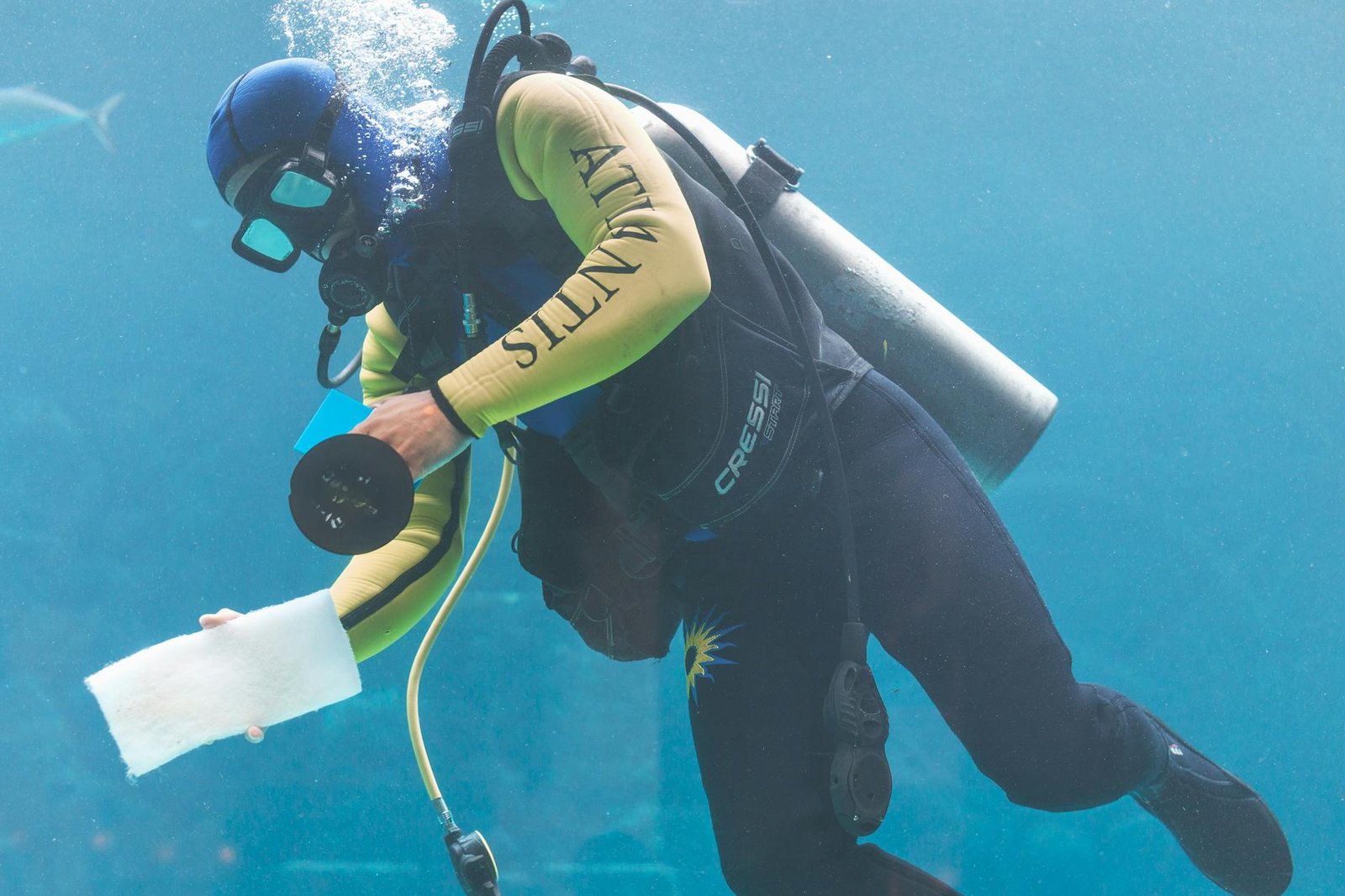
Perfecting your buoyancy control is paramount. We recommend practicing gentle frog kicks and small fin flutters to minimize disturbance, especially when navigating tight spaces or near silty bottoms. Always ensure your gear is streamlined, with no dangling hoses or equipment that could snag. Carrying essential wreck diving gear, such as a dive light, a reel or spool, and a cutting tool, is not just a recommendation but a necessity for safety and exploration.
Most importantly, respect the wreck. These sites are not just dive attractions; they are historical artifacts and thriving ecosystems. Leave nothing but bubbles, take nothing but photographs, and preserve these underwater treasures for future generations to enjoy. The feeling of gliding through a ship’s structure, witnessing history merge with nature, is an experience that stays with you long after you surface.
Conclusion: Your Next Wreck Diving Adventure Awaits in the Bahamas
Wreck diving in the Bahamas offers an extraordinary blend of adventure, history, and natural beauty. From the cinematic allure of the James Bond wrecks to the historical significance of the SS Sapona and the vibrant ecosystems of Theo’s Wreck and the Willaurie, the opportunities for exploration are endless. The clear, warm waters and diverse sites cater to every level of diver, promising unforgettable underwater encounters.
Whether you are looking to embark on your first wreck dive or seeking to expand your experience with more challenging penetrations, the Bahamian wrecks await. We encourage you to seek proper training, dive responsibly, and prepare to be captivated by the silent stories and vibrant life that flourish within these underwater monuments. Start planning your Bahamian wreck diving adventure today and discover the thrill of exploring history beneath the waves.
Frequently Asked Questions
What certification do I need for wreck diving in the Bahamas?
For many shallow wrecks in the Bahamas, an Open Water Diver certification is sufficient. However, for deeper wrecks or any dives involving limited penetration into the wreck, an Advanced Open Water Diver certification or a specialized Wreck Diver Specialty certification is highly recommended to ensure you have the necessary skills and knowledge for safe exploration.
What kind of marine life can I expect to see on Bahamian wrecks?
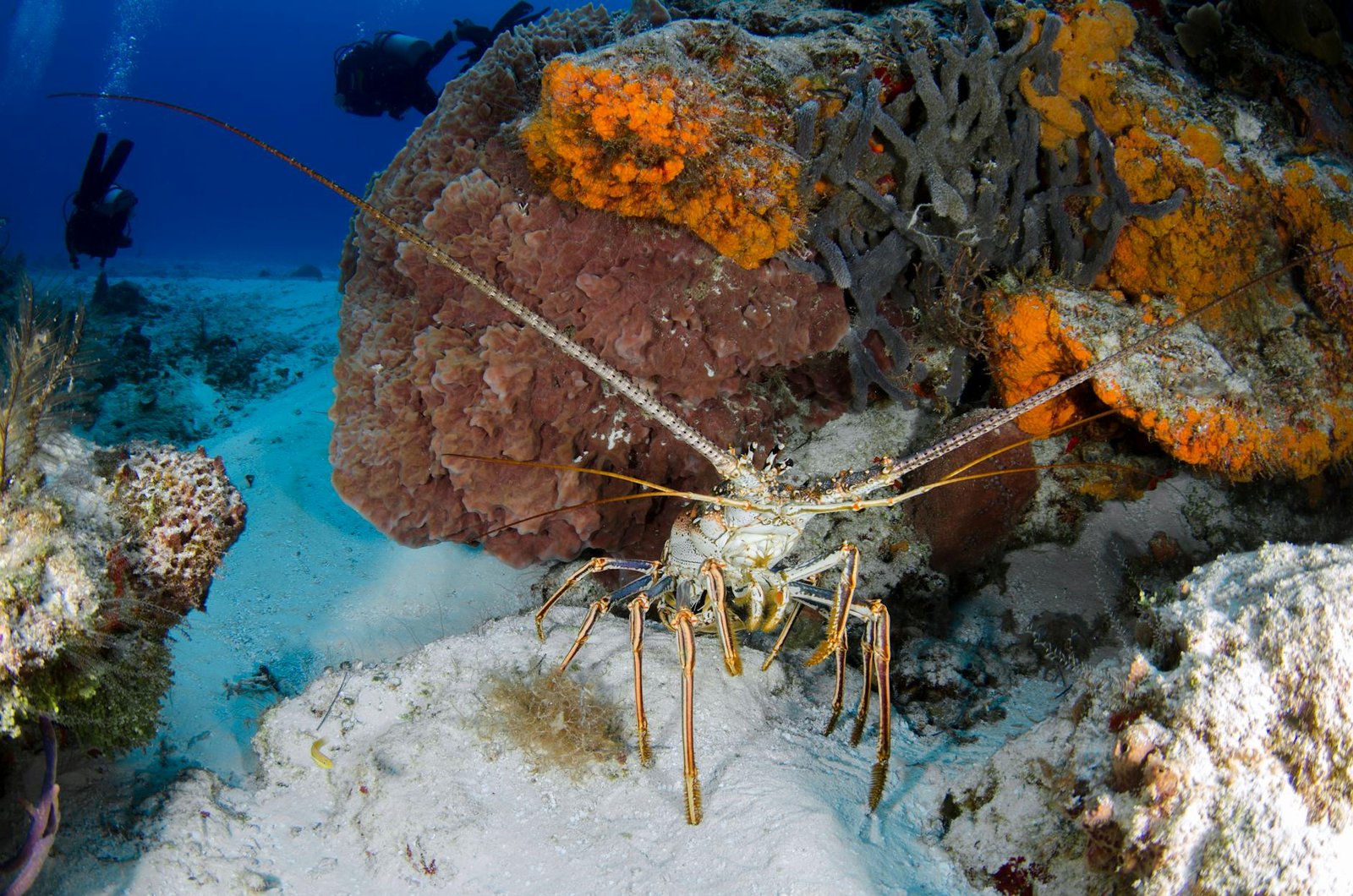
Bahamian wrecks are vibrant artificial reefs teeming with marine life. Divers can expect to see a wide variety of tropical fish such as snappers, grunts, angelfish, and parrotfish. It’s also common to encounter moray eels, lobsters, stingrays, sea turtles, and various shark species, including Caribbean reef sharks, lemon sharks, and occasionally tiger sharks.
Are there shallow wreck dives in the Bahamas suitable for beginners?
Yes, the Bahamas offers several excellent shallow wreck dives perfect for beginners and even snorkelers. Notable examples include the SS Sapona off Bimini, which rests in 15-20 feet (4.5-6 meters) of water, and the Sugar Wreck off Grand Bahama, found at a similar shallow depth. These sites are rich in marine life and provide a fantastic introduction to wreck diving.
What are the water temperatures like for diving in the Bahamas?
The water temperatures in the Bahamas are comfortable for diving year-round. They typically range from about 75-80°F (24-27°C) in the winter months to warmer temperatures of 80-88°F (27-31°C) during the summer. This allows for comfortable diving, often with just a 3mm wetsuit or even a shorty in the warmer months.
Related Adventures
- Unveiling the Ghost Fleet: An Ultimate Guide to Wreck Diving in Truk Lagoon Micronesia
- Unveiling the Underwater Majesty: Scuba Diving California’s Channel Islands
- Philippines Whale Sharks: Your Ultimate Guide to Diving with Gentle Giants
⚠️ Safety Notice: This content is for informational purposes only. Always consult local guides and operators, verify current conditions, and ensure appropriate skills and certifications before any outdoor activity. DiveBikeHike is not responsible for injuries or incidents.