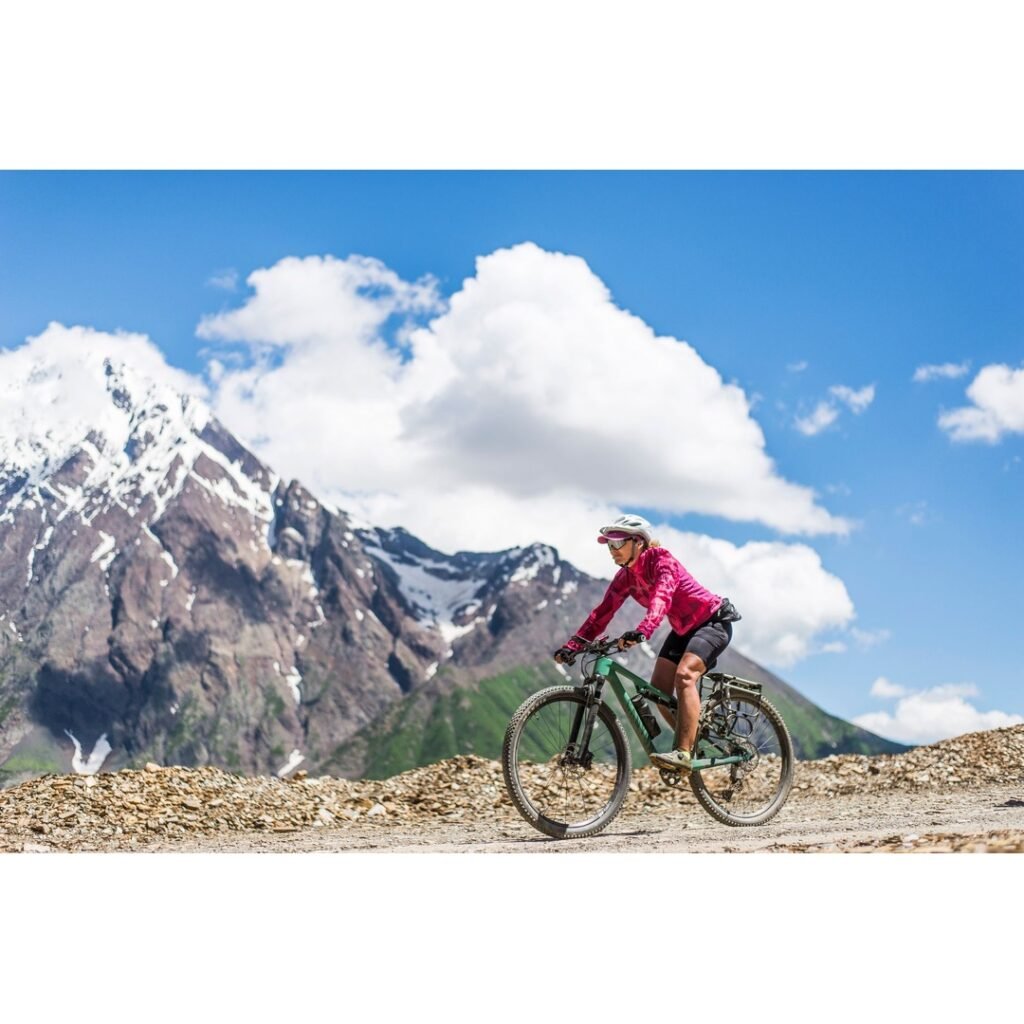
For the intrepid cyclist seeking an adventure that transcends the ordinary, bike touring the Silk Road Kyrgyzstan presents an irresistible call. This landlocked jewel of Central Asia, often dubbed the “Switzerland of Central Asia,” offers a tapestry of towering peaks, pristine alpine lakes, and ancient nomadic traditions that promise an unforgettable journey on two wheels. It’s a place where every pedal stroke takes you deeper into a landscape that feels both ancient and wild, a true test of endurance and a feast for the senses.
Why Kyrgyzstan for Your Silk Road Cycling Adventure?
Kyrgyzstan stands out as a premier destination for cycling enthusiasts due to its unparalleled natural beauty and accessibility. Approximately 93% of the country is covered by mountains, with nearly half of its territory situated above 3,000 meters (9,842 feet) above sea level. This mountainous terrain, dominated by the majestic Tien Shan and Pamir-Alay ranges, creates a dramatic backdrop for cycling, offering endless climbs and thrilling descents.
Beyond the breathtaking scenery, Kyrgyzstan offers a unique cultural immersion. Cyclists frequently encounter semi-nomadic herders living in traditional yurts, especially in summer pastures known as ‘jailoos’. The warmth and hospitality of the Kyrgyz people are legendary, often leading to impromptu invitations for tea or kumis (fermented mare’s milk), providing a genuine connection to their way of life.
Planning Your Epic Journey: Bike Touring the Silk Road Kyrgyzstan
Careful planning is paramount for a successful bike tour in Kyrgyzstan. The country’s remote nature and challenging terrain require thorough preparation.
Best Time to Ride
The optimal window for bike touring the Silk Road Kyrgyzstan is from mid-June to early September. During this period, most high mountain passes are clear of snow, making routes more accessible. While lower elevations can experience hot, dry summers with temperatures potentially reaching 40°C (104°F) in cities like Bishkek and Osh, mountain areas offer cooler, more comfortable riding conditions. Be prepared for unpredictable weather, as even in summer, freezing nights and snow are possible at higher altitudes.
Navigating the Terrain: Routes and Challenges
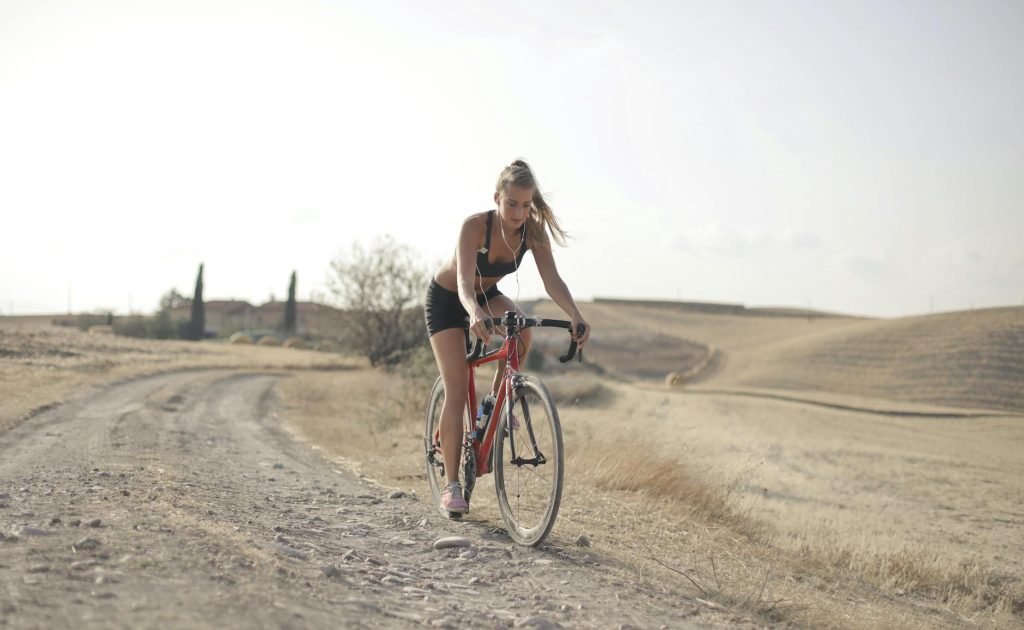
Kyrgyzstan’s cycling routes are diverse, ranging from paved sections on major highways to extensive gravel, dirt, and challenging “washboard” roads in the mountains. Expect significant elevation gains, with many routes traversing passes well above 3,000 meters (9,842 feet).
- Issyk-Kul Lake Circuit: A popular choice, especially the scenic southern shore, offering a mix of asphalt and gravel roads with stunning lake and mountain views.
- Song-Kul Lake: This alpine lake, situated around 3,016 meters (9,895 feet) above sea level, is a highlight. Access often involves climbing passes like Kalmak-Ashuu (3,447 meters / 11,309 feet), known for steep, stony, and washboard sections.
- Tien Shan Traverse: Routes like the Tian Shan Traverse offer a wilderness experience through high mountain passes and remote valleys, often with significant unpaved sections and potential hike-a-bike.
- Pamir-Alay Region: For those seeking even more remote challenges, routes like Expedition Alay in the south offer high-altitude loops through alpine pastures, requiring total self-sufficiency due to long distances between settlements.
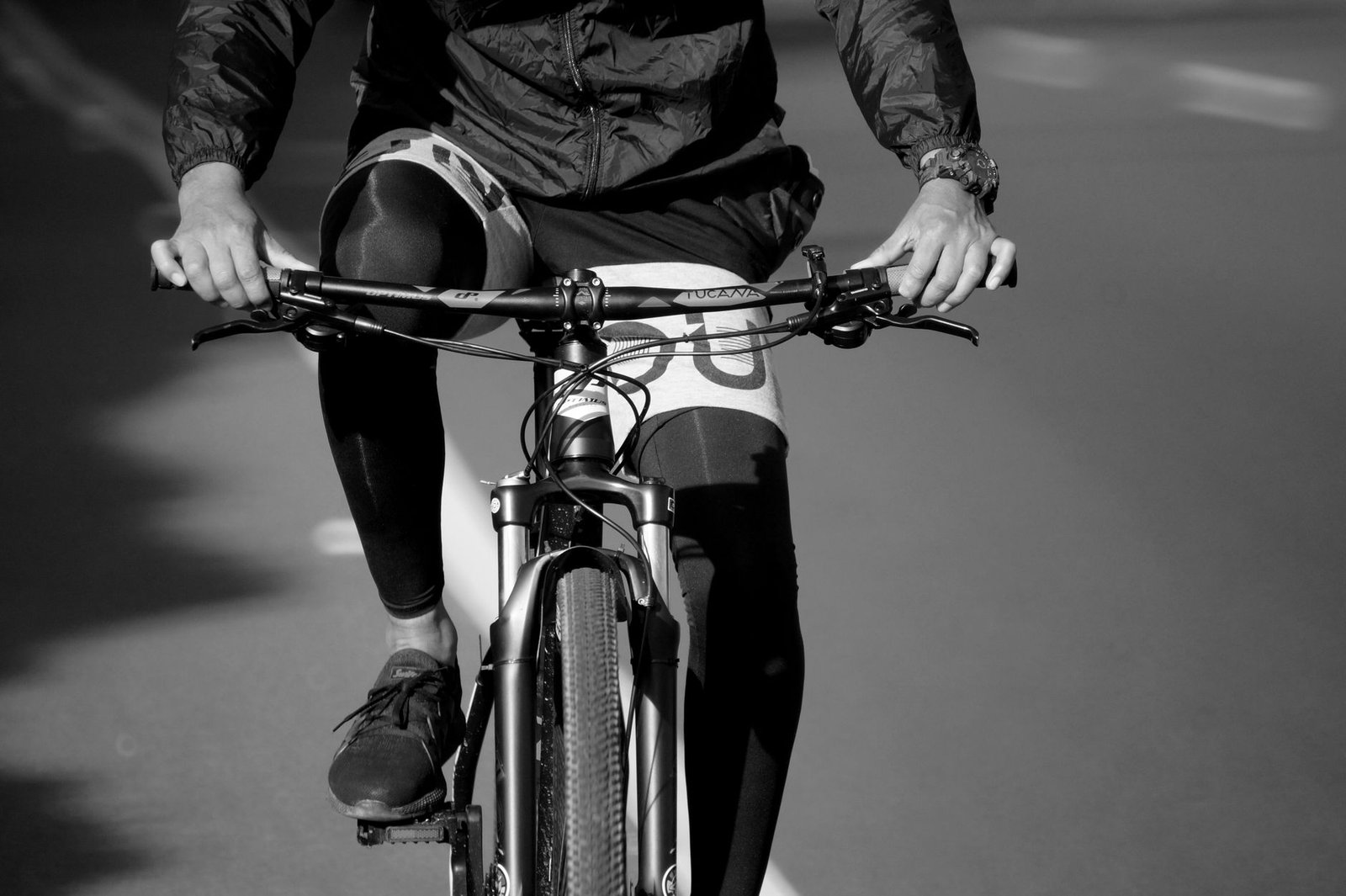
Road conditions can be rough, and river crossings are common on remote tracks. Traffic, while generally light outside major cities, can be erratic, and drivers may not always be accustomed to cyclists.
You might also enjoy: Cycling the Death Road Bolivia: An Epic Descent for Enthusiasts
Permits and Logistics
Certain border areas in Kyrgyzstan require special permits. These include regions around Inylchek, Lenin Peak Basecamp, Kel Suu, Chatyr Kol, and other zones near the Chinese and Tajik borders. Obtaining a permit can take 7-10 calendar days for standard processing and costs between 70-120 USD, depending on urgency. It is advisable to apply in advance, potentially through a local tourism organization.
The local currency is the Kyrgyz Som (KGS). While ATMs are available in major cities like Bishkek and Osh, cash is essential in rural areas. It is recommended to carry crisp USD or EUR bills for exchange.
Essential Gear for Your Kyrgyz Adventure
Given the varied terrain and unpredictable weather, selecting the right gear is crucial:
- Bicycle: A sturdy touring bike or mountain bike is highly recommended. Wide tires (2.25 to 2.8 inches) are ideal for handling gravel, dirt, and washboard roads, and tubeless setups are advisable to prevent punctures.
- Shelter: A reliable tent and a warm sleeping bag (rated for temperatures below freezing) are essential, as wild camping is common and nights can be cold even in summer.
- Clothing: Layering is key. Pack warm layers, waterproof and windproof outerwear, and high-SPF sunscreen due to high altitude sun exposure.
- Navigation: Offline maps (e.g., Maps.me, Komoot) are indispensable. A local SIM card with 4G coverage is often cheap and useful for communication.
- Water Purification: Rivers and streams are plentiful, but livestock grazing means water should always be treated with a filter or purification tablets.
- Food: In remote areas, resupply points are scarce and options limited. Carry a 1-2 day reserve of long-shelf-life foods like grains, noodles, nuts, and dried fruit.
- Repair Kit & First Aid: A comprehensive bike repair kit with spare parts suitable for your bike, along with a well-stocked first-aid kit including antibiotics and rehydration salts, is vital.
Training and Techniques for High-Altitude Cycling
Bike touring in Kyrgyzstan demands a good level of physical and mental fitness. The sustained climbs and high altitudes will test your endurance. Training should focus on:
- Endurance: Long rides with significant climbing to build stamina.
- Strength: Incorporate strength training, especially for legs and core, to handle steep ascents and rough descents.
- Altitude Acclimatization: If possible, spend a few days at moderate altitude before tackling higher passes. Pacing yourself, staying hydrated, and listening to your body are crucial.
- Bike Handling: Practice riding on varied surfaces, including gravel and loose dirt, to improve confidence and control on challenging Kyrgyz roads.
Alex Trail’s Insights: Tales from the Trail
Alex Trail, an experienced cyclist, recounts a memorable moment from a recent tour: “Riding towards Song-Kul Lake, the climb up Kalmak-Ashuu Pass was relentless. The ‘washboard’ roads, a series of small, frequent bumps, made every kilometer a challenge, literally shaking the handlebars. But cresting the pass, the sight of Song-Kul’s vast, azure waters, surrounded by rolling green pastures dotted with yurts, was an immediate reward. It was a moment of pure, unadulterated beauty that made every ounce of effort worthwhile. The hospitality at a nomadic yurt camp that evening, sharing tea and fresh bread, truly cemented the experience as one of the most authentic and enriching journeys imaginable. The contrast between the physical struggle and the serene cultural immersion is what makes bike touring in Kyrgyzstan so profoundly rewarding.”
You might also enjoy: Conquer the Coast: An Epic Guide to Bike Touring the Great Ocean Road Australia
Conclusion
Bike touring the Silk Road Kyrgyzstan is more than just a cycling trip; it’s an expedition into the heart of Central Asia’s wild beauty and ancient culture. It challenges the body, invigorates the spirit, and leaves an indelible mark on every adventurer. From the high passes of the Tien Shan to the shores of Issyk-Kul, the journey promises breathtaking vistas, genuine encounters, and a profound sense of accomplishment.
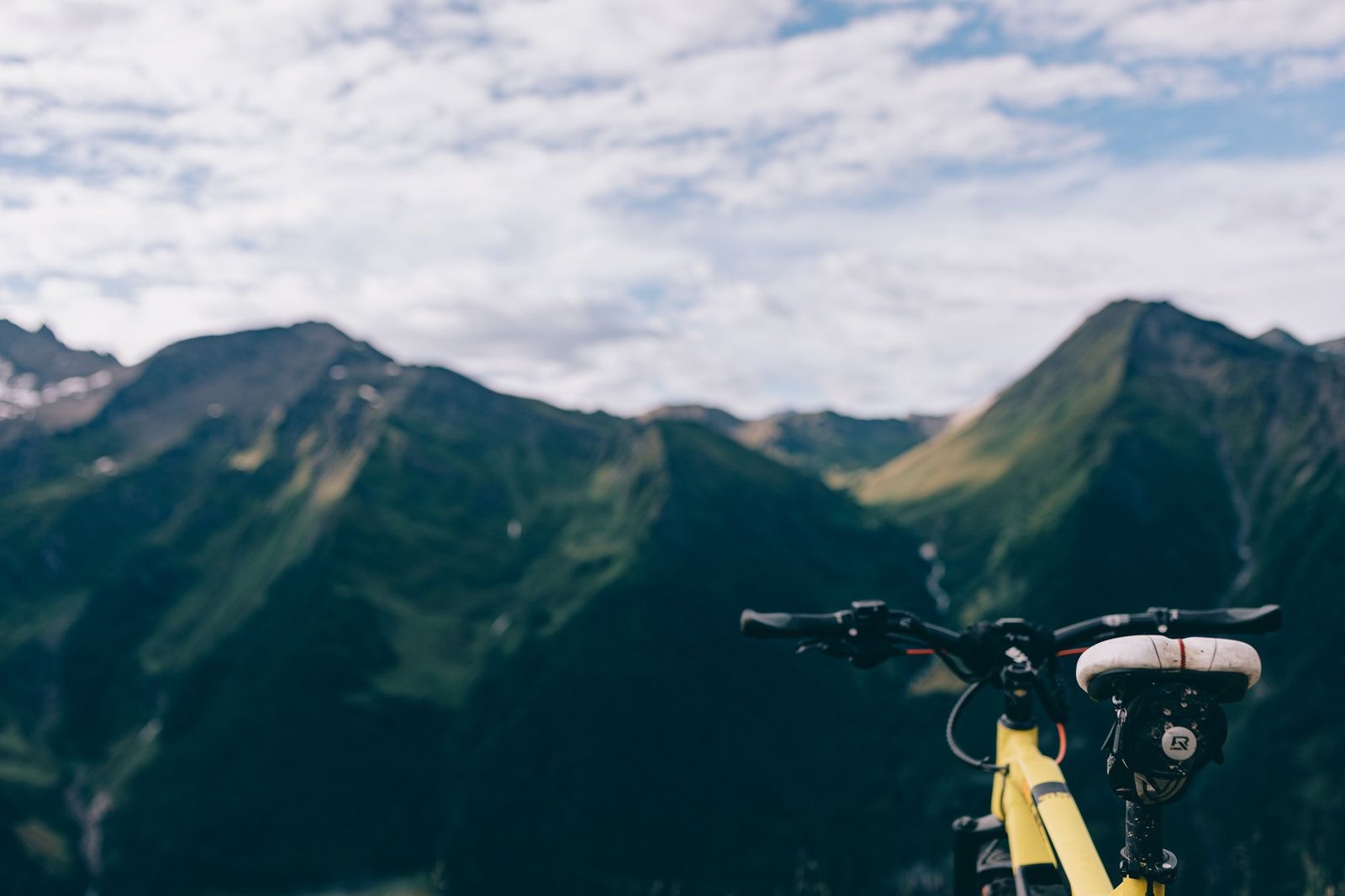
Are you ready to answer the call of the mountains and forge your own path along this legendary route? Start planning your Kyrgyz cycling adventure today, and prepare for the ride of a lifetime!
Frequently Asked Questions
What kind of bike is best for bike touring the Silk Road Kyrgyzstan?
A sturdy touring bike or a mountain bike is highly recommended. Given the prevalence of gravel, dirt, and washboard roads, tires no narrower than 2.25 inches are advisable, with many cyclists preferring 2.25 to 2.8 inches for comfort and traction. Tubeless tires can also significantly reduce the risk of punctures on rough terrain.
Do I need special permits to cycle in Kyrgyzstan?
Yes, special border permits are required for certain sensitive areas, particularly those near the Chinese and Tajik borders, such as Inylchek, Kel Suu, and Chatyr Kol. These permits can take 7-10 days to process and should be arranged in advance, often through local tour operators.
What are the typical road conditions like for bike touring in Kyrgyzstan?
Road conditions vary significantly. While some main routes, like parts of the Bishkek-Osh highway, are paved, the majority of roads, especially in mountainous regions, consist of gravel, dirt, and challenging “washboard” surfaces. Expect long sections of unpaved roads and potential river crossings.
Is wild camping safe and common when bike touring in Kyrgyzstan?
Wild camping is generally safe and very common throughout Kyrgyzstan, especially in remote mountain areas. Many cyclists choose to camp, enjoying the stunning natural surroundings. However, it’s always wise to follow your instincts and, if unsure, ask locals if you can pitch your tent near their yurt or property.
Related Adventures
- Cycling the Death Road Bolivia: An Epic Descent for Enthusiasts
- Conquer the Coast: An Epic Guide to Bike Touring the Great Ocean Road Australia
- Conquer the “Land of a Thousand Hills”: An Epic Bike Touring Rwanda Mountain Gorilla Region Adventure
⚠️ Safety Notice: This content is for informational purposes only. Always consult local guides and operators, verify current conditions, and ensure appropriate skills and certifications before any outdoor activity. DiveBikeHike is not responsible for injuries or incidents.