For the cycling enthusiast seeking an adventure that transcends the ordinary, few destinations rival the sheer exhilaration and profound beauty of bike touring Rwanda’s mountain gorilla region. Known affectionately as the “Land of a Thousand Hills,” Rwanda presents a formidable yet incredibly rewarding landscape for those who dare to explore its undulating terrain on two wheels. This journey is more than just a ride; it is an immersion into a vibrant culture, a challenge against stunning volcanic backdrops, and a privileged encounter with some of the world’s most magnificent creatures.
Why Rwanda Beckons the Adventurous Cyclist
Rwanda has rapidly emerged as a premier destination for adventure tourism, particularly for cyclists. The country’s commitment to conservation, safety, and sustainable tourism has created an environment ripe for exploration. The diverse landscapes, from the bustling capital of Kigali to the serene shores of Lake Kivu and the towering peaks of the Virunga Massif, offer an ever-changing panorama. The nation’s well-maintained road infrastructure, including both paved and unpaved routes, provides a variety of surfaces for different cycling preferences.
What truly sets Rwanda apart for a bike touring experience is the unique combination of its challenging topography and the warmth of its people. As cyclists navigate the endless climbs and descents, they are often met with enthusiastic cheers from locals, particularly children, who view cycling as a fundamental part of daily life. This genuine connection with the local communities transforms a strenuous physical endeavor into a deeply enriching cultural exchange. The bicycle is not merely a recreational tool here; it is a symbol of resilience and a primary mode of transport, fostering a mutual respect between local riders and international adventurers.
The Mountain Gorilla Region: A Cyclist’s Paradise
The northwestern part of Rwanda, home to Volcanoes National Park, is the epicenter of the mountain gorilla region and the ultimate draw for many visitors. This area is characterized by its dramatic volcanic peaks, including Karisimbi, Bisoke, Muhabura, Sabyinyo, and Gahinga, which form part of the Virunga Massif. The park itself ranges in elevation from approximately 2,400 meters to 4,507 meters above sea level, ensuring that every ride is an ascent or descent. The primary town in this region, Musanze (formerly Ruhengeri), often serves as a base for both gorilla trekking and cycling expeditions.
Cycling through this region means traversing lush afro-montane forests, bamboo groves, and terraced hillsides that showcase Rwanda’s agricultural prowess. The air is often cool and crisp, especially in the mornings, with daytime temperatures in Volcanoes National Park hovering around 16°C and dropping to about 6°C at night. This high-altitude environment, while breathtaking, adds a significant cardiovascular challenge to any ride, requiring cyclists to be well-prepared for reduced aerobic capacity compared to sea-level conditions.
Navigating the Terrain: Routes and Challenges
The cycling routes in the mountain gorilla region offer a spectrum of challenges. Paved roads connect major towns like Musanze, providing smooth surfaces for road cyclists, though these routes are still relentlessly hilly. For those seeking more rugged adventure, an extensive network of dirt and gravel roads crisscrosses the countryside, leading through remote villages and offering unparalleled views of the volcanic landscape. Some routes, like the Twin Lakes ride from Musanze, can cover about 40 kilometers, combining uphill tarmac sections with village rides through plantations and volcanic vistas.
The famed Congo Nile Trail, while not directly within the gorilla trekking zone, is a significant route often combined with a visit to the region. This 227-kilometer trail stretches along the eastern shore of Lake Kivu, offering a mix of paved and unpaved sections with constant elevation changes and stunning lake views. While some sections of the Congo Nile Trail can be tackled by gravel bikes, many of the more challenging off-road variants and steep, eroded tracks in the Virunga foothills may demand the robustness of a hardtail mountain bike. The “Race Around Rwanda,” a 1000-kilometer ultra-endurance gravel race with 17,000 meters of elevation, exemplifies the extreme challenges this terrain can present, with routes comprising 60% tarmac and 40% rough gravel and singletrack.
Planning Your Expedition: Logistics and Preparation
A successful bike touring Rwanda mountain gorilla region adventure requires meticulous planning, especially concerning permits, timing, and route selection.
Gorilla Trekking Permits: The Golden Ticket
Securing a gorilla trekking permit is paramount and should be done well in advance, typically 3 to 6 months prior to your desired date, especially during peak seasons. As of 2026, a gorilla permit for international tourists costs USD $1,500 per person. This fee grants one hour of observation with a habituated gorilla family, park entry, and an armed ranger escort. It is a significant investment, but one that directly supports critical conservation efforts for these endangered primates and contributes to local community development. Permits can be booked through licensed tour operators or directly via the Rwanda Development Board (RDB).
Best Time to Visit
Rwanda experiences two distinct dry seasons, which are generally considered the best times for bike touring and gorilla trekking: June to September and December to February. During these periods, trails are firmer, less muddy, and offer better traction, making climbs and descents more manageable. The skies are often clearer, providing expansive views of the volcanoes and surrounding landscapes.
You might also enjoy: Conquer the Coast: An Epic Guide to Bike Touring the Great Ocean Road Australia
The wet seasons, from March to May and October to November, bring lush greenery and fewer tourists, but also heavy downpours that can make unpaved routes extremely muddy and challenging. While gorilla trekking is possible year-round, the wet conditions can make hiking more strenuous.
Accommodation and Local Support
Accommodation options in the Musanze area range from budget-friendly guesthouses to mid-range hotels and luxurious lodges. Many local tour operators, such as Rwandan Adventures, Lava Bike Tours, and Rafiki Bikes Tours, specialize in cycling and gorilla trekking, offering guided tours, bike rentals, support vehicles, and luggage transfers. Leveraging their local expertise can significantly enhance the safety and enjoyment of the trip.
Gear Up for the Gorillas: Essential Equipment
The challenging terrain and variable weather in Rwanda’s mountain gorilla region demand specific gear choices to ensure comfort, safety, and performance.
The Right Bicycle
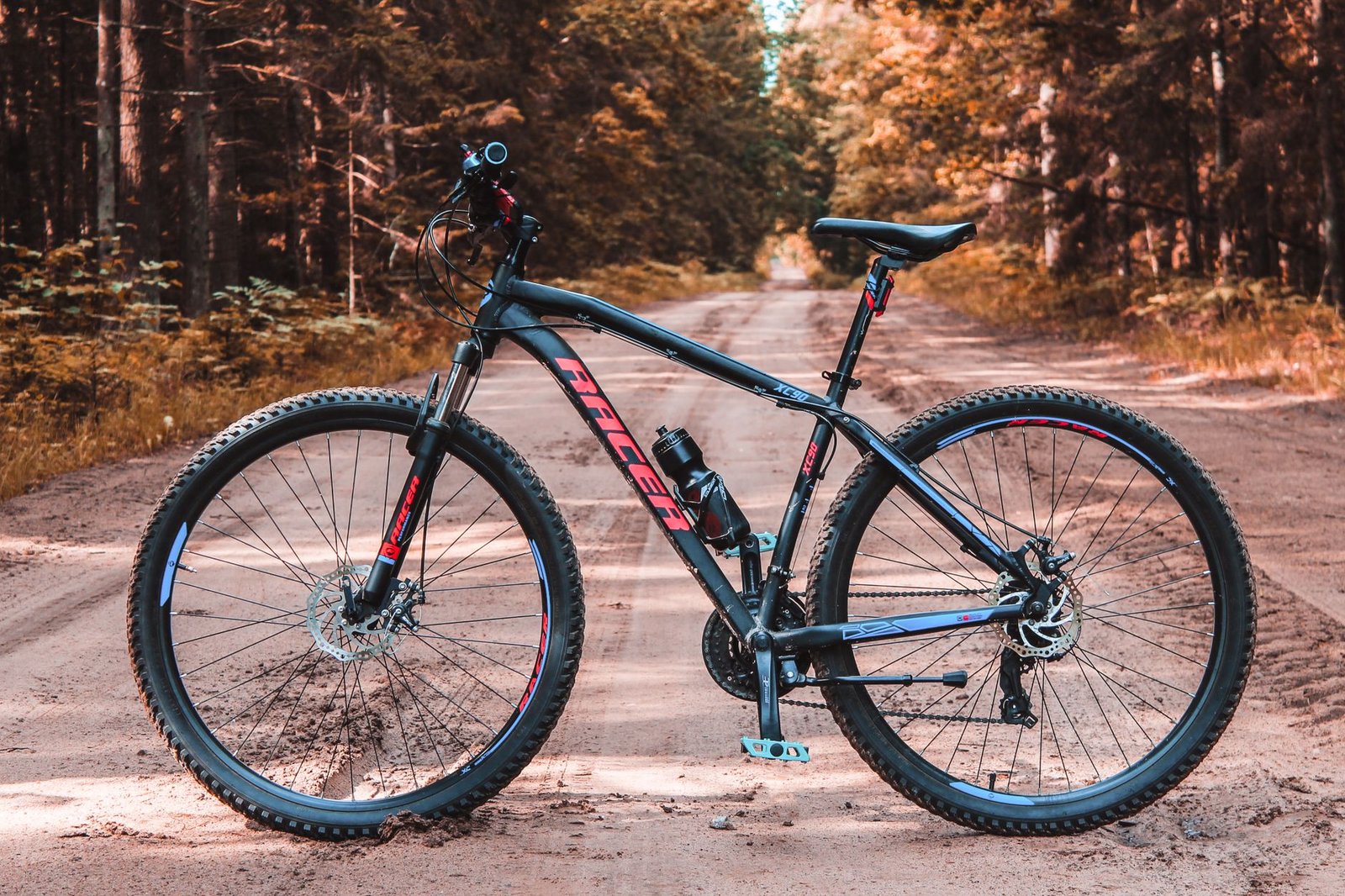
For most bike touring in this region, a hardtail mountain bike or a robust gravel bike is highly recommended. These bikes offer the versatility to handle both paved roads and the often rough, steep, and sometimes eroded dirt tracks. Key features to look for include:
- Wide, knobby tires: Essential for grip on loose gravel, mud, and steep ascents and descents. A tire width of 2.0 inches or more for mountain bikes, or 40mm+ for gravel bikes, is advisable.
- Low gearing: Rwanda’s “thousand hills” are relentless. A wide-range cassette (e.g., 11-42T or 10-50T) paired with a compact crankset (e.g., 30T or 32T single ring, or 46/30T double) will be your best friend on the long, steep climbs.
- Durable frame and components: The roads can be rough, so robust components that can withstand vibrations and impacts are crucial.
- Hydraulic disc brakes: Provide reliable stopping power in all weather conditions, especially vital on steep, potentially slippery descents.
While full-suspension mountain bikes might be overkill for most touring, they could be considered for those planning to tackle the most technical singletrack variants. Standard road bikes are suitable for the main paved highways, which are generally in good condition, but will limit exploration to off-road trails.
Clothing and Protection
- Layered clothing: The climate can change quickly with altitude. Moisture-wicking base layers, a mid-layer for warmth, and a waterproof and windproof outer shell are essential.
- Padded cycling shorts: Crucial for comfort on long days in the saddle over rough terrain.
- Helmet: Non-negotiable for safety.
- Gloves: Protect hands and improve grip, especially on descents.
- Sturdy footwear: Mountain biking shoes that are comfortable for walking during gorilla treks or off-bike explorations.
- Sun protection: High-altitude sun can be intense; bring sunscreen, sunglasses, and a wide-brimmed hat for off-bike activities.
Tools and Safety Essentials
- Comprehensive repair kit: Spare tubes, patch kit, tire levers, pump, multi-tool, chain tool, and spare chain links. Consider bringing spare brake pads and a derailleur hanger.
- First-aid kit: Tailored for cycling injuries, blisters, and general ailments.
- Navigation: A GPS device with pre-loaded maps (e.g., Komoot, Bikemap, or local GPX files) is invaluable, alongside a physical map as a backup.
- Water purification: A water filter or purification tablets are highly recommended, as access to potable water can be limited in rural areas. Carry at least two large water bottles or a hydration pack.
- Lights: Front and rear lights are important for visibility, especially when cycling through villages or in low-light conditions.
Training and Techniques for Rwandan Terrain
The “Land of a Thousand Hills” is no exaggeration, and preparing your body for the relentless ascents and descents is crucial for an enjoyable experience.
Physical Preparation
- Hill training: Incorporate significant hill repeats and long, sustained climbs into your training regimen for at least six weeks prior to your trip. Focus on building both strength and endurance.
- Endurance rides: Mimic the duration of your planned daily rides in Rwanda, including back-to-back long days to build resilience.
- Strength training: Core strength, leg strength, and upper body strength will aid in climbing efficiency and bike handling on rough descents.
- Altitude acclimatization: If possible, arrive in Rwanda a few days early to allow your body to adjust to the higher elevations. Kigali sits at around 1,567 meters, and Musanze at 1,875 meters, with many climbs reaching 2,000 to 2,500 meters. Even experienced cyclists may find their aerobic capacity reduced at these altitudes.
Cycling Techniques
- Climbing cadence: Practice maintaining a steady, efficient cadence on climbs, even when the gradient is steep. Avoid grinding a heavy gear, as this can quickly deplete energy.
- Descending skills: Develop confidence in descending on loose gravel and dirt. Practice body positioning, braking modulation (feathering both brakes), and looking ahead to anticipate turns and obstacles.
- Bike handling on rough surfaces: Learn to relax your grip, absorb shocks with your arms and legs, and choose good lines through rocky or rutted sections.
Beyond the Bike: Gorilla Trekking and Cultural Immersion
The ultimate reward of bike touring Rwanda’s mountain gorilla region is often the opportunity to combine cycling with a truly once-in-a-lifetime gorilla trekking experience.
The Gorilla Trek
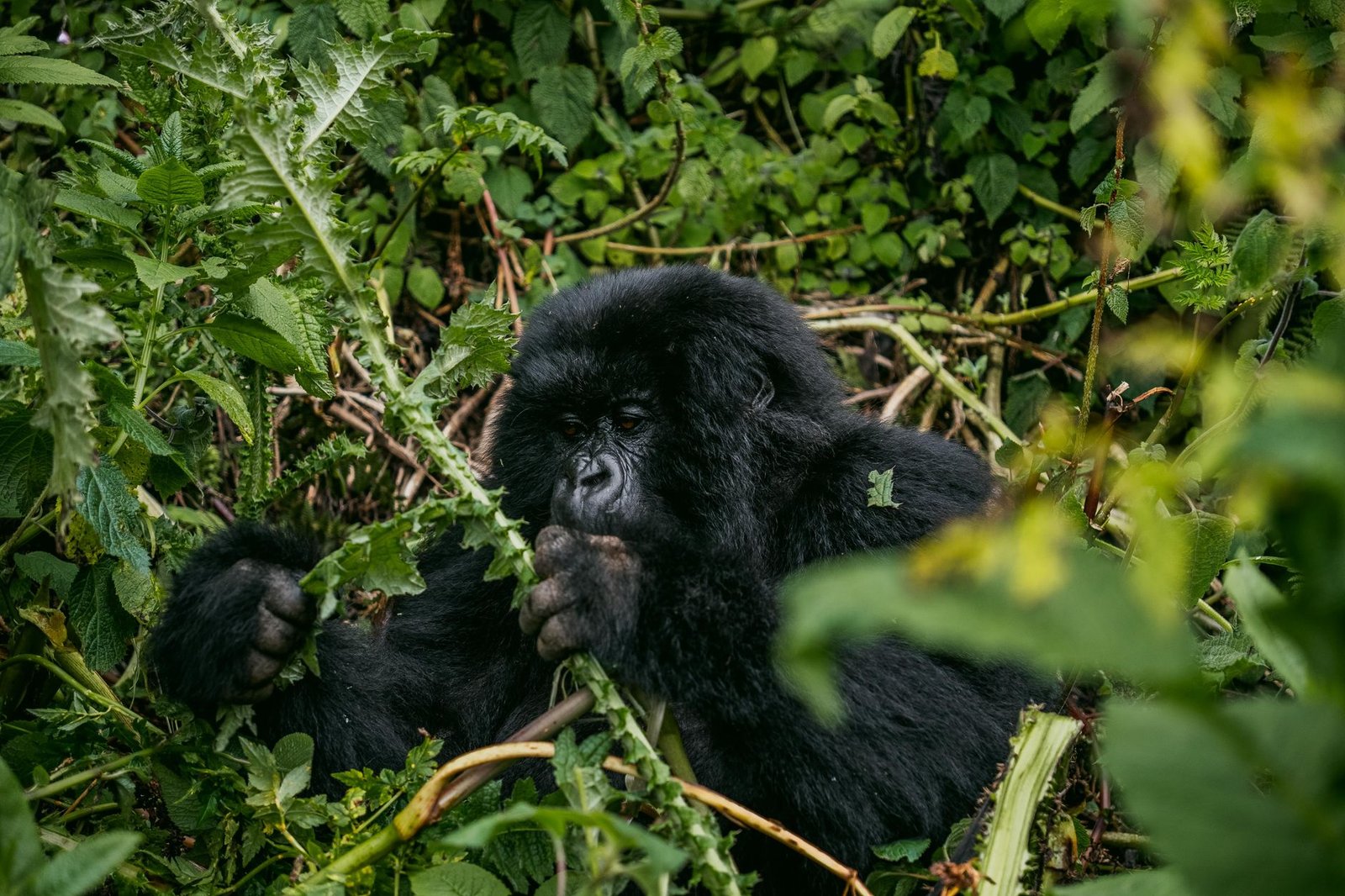
The trek itself is physically demanding, involving hiking through dense forest, rugged terrain, and steep slopes at high altitudes, lasting anywhere from 2 to 7 hours depending on the gorillas’ location. A reasonable level of fitness is required, and porters are available to assist with bags and provide support on challenging sections. The moment of encountering a family of mountain gorillas in their natural habitat is profoundly moving, offering an hour of quiet observation that makes every strenuous pedal stroke and challenging hike worthwhile.
Cultural Encounters
Beyond the gorillas, Rwanda offers rich cultural immersion. Cycling through rural villages provides intimate glimpses into daily Rwandan life. Engaging with local communities, visiting markets, and experiencing traditional hospitality are highlights of any tour. Many local operators can arrange community visits, coffee or tea plantation tours, and interactions that offer deeper insights into Rwandan culture. The “Land of a Thousand Hills” is not just about its geography; it’s about the vibrant spirit of its people.
Safety and Responsible Tourism
Prioritizing safety and practicing responsible tourism are essential for an enriching and sustainable adventure.
You might also enjoy: Cycling the Death Road Bolivia: An Epic Descent for Enthusiasts
Health and Safety
- Vaccinations and prophylaxis: Consult a travel doctor well in advance for recommended vaccinations (e.g., Yellow Fever) and malaria prophylaxis.
- Hydration: Drink plenty of water to combat dehydration, especially at altitude and in warm conditions.
- Local traffic: While Rwandan drivers are generally respectful of cyclists, always remain vigilant, wear a helmet, and ensure high visibility with bright clothing and lights.
- Emergency contacts: Carry a fully charged phone with local emergency numbers and inform someone of your route.
Responsible Tourism
- Respect local customs: Dress modestly in towns and villages, ask permission before taking photos of people, and learn a few basic Kinyarwanda phrases.
- Environmental impact: Stick to designated trails, carry out all your trash, and minimize your footprint.
- Support local: Patronize local businesses, guides, and accommodation providers to ensure your tourism benefits the Rwandan economy directly.
Personal Insights from Alex Trail
As experienced cyclists, we have tackled some of the world’s most iconic routes, but bike touring Rwanda’s mountain gorilla region stands out as a truly unique and transformative experience. The sheer physical demand of the Rwandan hills, particularly around Musanze and the approaches to Volcanoes National Park, tested our limits in the most exhilarating way. We found that the consistent gradients, often exceeding 10%, required a different kind of mental fortitude than long, flat distances. The reward, however, was immeasurable.
One particular memory that stands out is a challenging climb on a dirt track leading towards the foothills of Mount Bisoke. The path was steep and rocky, demanding every ounce of strength and technical skill. Just as fatigue began to set in, a group of local children, their smiles wide and infectious, ran alongside us, cheering us on. Their energy was contagious, and it reminded us that in Rwanda, cycling is a shared experience, a connection to the pulse of the country. Reaching the summit, drenched in sweat but invigorated, we were greeted by panoramic views of the Virunga volcanoes piercing through the mist, a sight that instantly erased any memory of the struggle. It was a moment of profound beauty and accomplishment.
The integration of gorilla trekking into our cycling itinerary was seamless and deeply moving. After days of pushing our physical boundaries on the bike, the quiet intensity of tracking mountain gorillas through the dense rainforest offered a powerful contrast. Witnessing these magnificent creatures in their natural habitat, observing their gentle interactions, was a humbling privilege. It underscored the importance of the conservation efforts that our permit fees support and solidified our understanding of Rwanda’s commitment to protecting its natural heritage. The synergy between the physical challenge of cycling and the awe-inspiring wildlife encounter created an adventure that truly engaged all senses and left an indelible mark on our souls.
Conclusion: Your Rwandan Cycling Odyssey Awaits
Bike touring Rwanda’s mountain gorilla region offers an unparalleled adventure for cycling enthusiasts. It is a journey that promises not only physical challenge and stunning landscapes but also profound cultural immersion and the extraordinary opportunity to witness mountain gorillas in their natural habitat. From the demanding climbs of the Virunga foothills to the welcoming smiles of local communities, every aspect of this expedition is designed to create lasting memories.
So, if the call of the wild, the thrill of the climb, and the allure of an authentic African experience resonate with your adventurous spirit, begin planning your Rwandan cycling odyssey today. The Land of a Thousand Hills, with its majestic gorillas and vibrant culture, awaits your pedal strokes. Prepare to be challenged, inspired, and utterly captivated.
Frequently Asked Questions
What is the typical elevation range for bike touring in Rwanda’s mountain gorilla region?
The mountain gorilla region in Rwanda, centered around Volcanoes National Park, features elevations ranging from approximately 2,400 meters to over 4,500 meters above sea level. Cyclists can expect to ride at altitudes where aerobic capacity is noticeably reduced, with towns like Musanze sitting around 1,875 meters.
How much does a gorilla trekking permit cost in Rwanda, and how far in advance should it be booked?
As of 2026, a gorilla trekking permit in Rwanda costs USD $1,500 per person for international tourists. It is critically important to book these permits well in advance, typically 3 to 6 months before your intended travel dates, especially if you plan to visit during the dry seasons.
What type of bicycle is best suited for bike touring in Rwanda’s mountain gorilla region?
A hardtail mountain bike or a robust gravel bike with wide, knobby tires and low gearing is generally recommended for bike touring in Rwanda’s mountain gorilla region. This setup provides the versatility needed to handle both paved roads and the often steep, rough dirt, and gravel tracks encountered in the area.
What are the best months for bike touring and gorilla trekking in Rwanda?
The best times for bike touring and gorilla trekking in Rwanda are during the dry seasons: June to September and December to February. During these months, the trails are typically drier and less muddy, and the weather conditions are generally more favorable for outdoor activities and clearer views.
Related Adventures
- Conquer the Coast: An Epic Guide to Bike Touring the Great Ocean Road Australia
- Cycling the Death Road Bolivia: An Epic Descent for Enthusiasts
- Mountain Biking Yukon Wilderness: An Epic Northern Adventure Awaits
⚠️ Safety Notice: This content is for informational purposes only. Always consult local guides and operators, verify current conditions, and ensure appropriate skills and certifications before any outdoor activity. DiveBikeHike is not responsible for injuries or incidents.