The allure of ancient paths, the whisper of history beneath one’s boots, and the promise of a journey that transcends mere physical distance – these are the powerful draws of hiking the Camino de Santiago Spain. More than just a long-distance trail, the Camino is a network of historic pilgrimage routes leading to the Cathedral of Santiago de Compostela in Galicia, where the tomb of Saint James the Apostle is believed to rest. For hiking enthusiasts, it represents an unparalleled opportunity for adventure, introspection, and a profound connection with nature and culture.
This comprehensive guide delves deep into the essence of the Camino, offering detailed insights for those contemplating this iconic Spanish trek. From understanding its rich history to navigating its diverse landscapes and preparing for the physical and mental demands, we aim to equip every potential pilgrim with the knowledge to embark on a truly unforgettable experience.
The Enduring Legacy: History and Significance of the Camino de Santiago
The story of the Camino de Santiago is steeped in legend and centuries of tradition. Its origins trace back to the 9th century, when the tomb believed to contain the remains of Saint James the Apostle, one of Jesus Christ’s twelve disciples, was discovered in northwestern Spain. This discovery, occurring during the reign of King Alfonso II, led to the construction of a small chapel, which eventually evolved into the magnificent Cathedral of Santiago de Compostela.
By the 11th and 12th centuries, the Camino had entered its “golden age,” becoming one of medieval Christianity’s most important pilgrimage destinations, alongside Rome and Jerusalem. Pilgrims from across Europe embarked on these arduous journeys, motivated by faith, penance, or the promise of indulgences. Beyond its religious significance, the Camino also served as a vital route for cultural exchange, shaping towns, trade, and the very fabric of European identity.
Today, while the spiritual motivations remain strong for many, the Camino has broadened its appeal. It is now embraced by individuals seeking personal reflection, cultural immersion, physical challenge, or simply the joy of slow travel and connecting with diverse landscapes. The network of routes, once traversed by kings and peasants, continues to offer a unique blend of history, nature, and human connection.
Choosing Your Path: Popular Routes for Hiking the Camino de Santiago Spain
The Camino de Santiago is not a single path but a collection of routes, each offering distinct landscapes, challenges, and cultural experiences. Selecting the right route for hiking the Camino de Santiago Spain is a crucial first step, depending on one’s fitness level, available time, and desired experience.
The Camino Francés: The Classic Journey
The Camino Francés, or French Way, is arguably the most famous and well-trodden route. It typically begins in Saint-Jean-Pied-de-Port, France, and spans approximately 760 to 863 kilometers (472 to 536 miles) to Santiago de Compostela. This route generally takes pilgrims between 30 to 40 days to complete.
- Distance & Duration: Around 760-863 km, typically 30-40 days.
- Difficulty: Rated as moderate to challenging. The initial ascent over the Pyrenees from Saint-Jean-Pied-de-Port is particularly demanding, gaining approximately 1,184 meters over 18 kilometers. The route then features undulating landscapes, including the flat plains of the Meseta and rolling hills in Galicia.
- Terrain: Varies greatly, from mountainous passes and forest trails to agricultural lands and urban sections.
- Infrastructure: Exceptionally well-developed, with abundant albergues (pilgrim hostels), restaurants, and services. This makes it an excellent choice for first-time pilgrims.
- Highlights: Iconic cities like Pamplona, Burgos, and León, stunning cathedrals, and a vibrant social atmosphere due to the high number of pilgrims.
The Camino Portugués: Coastal Charm or Inland Traditions
The Camino Portugués, or Portuguese Way, offers two main variations from Porto: the Central Route and the Coastal Route. Both are generally considered easier than the Francés, with less elevation gain.
Camino Portugués Central Route
- Distance & Duration: Approximately 240-260 km from Porto, taking about 10-14 days. The full route from Lisbon is around 611-641 km.
- Difficulty: Easy to moderate. The terrain is varied, including woodland trails, cobbled streets, vineyards, and some hilly areas.
- Terrain: Features a mix of rural paths, historic towns, and some undulating sections.
- Infrastructure: Well-established, especially from Porto onwards, with regular accommodations and services.
- Highlights: Historic cities like Porto and Pontevedra, charming villages, and a traditional pilgrimage feel.
Camino Portugués Coastal Route
- Distance & Duration: Around 275-287 km from Porto, typically completed in 12-15 days.
- Difficulty: Easy to moderate, often considered slightly flatter than the Central Route.
- Terrain: Predominantly coastal paths, boardwalks, promenades, and some sandy stretches, offering picturesque ocean views. The last 86 km to Santiago are inland.
- Infrastructure: Excellent facilities along the coast, with plentiful hotels, restaurants, and cafés.
- Highlights: Breathtaking Atlantic Ocean vistas, charming fishing villages, and a refreshing sea breeze.
The Camino del Norte: Rugged Coastal Beauty
For experienced hikers seeking a more challenging and less crowded experience, the Camino del Norte, or Northern Way, presents a compelling option.
- Distance & Duration: Approximately 817-825 km (508-512 miles), typically 32-38 days for the full route starting from Irún or San Sebastián.
- Difficulty: Moderate to challenging. It is known for its constantly undulating terrain, with relentless ascents and descents along coastal headlands and through river valleys. Daily elevation gains can range from 600-1,000 meters.
- Terrain: Rugged coastal cliffs, mountains meeting the sea, and diverse landscapes through the Basque Country, Cantabria, and Asturias.
- Infrastructure: More remote with fewer services and accommodations compared to the Francés, requiring more planning.
- Highlights: Dramatic ocean views, exceptional regional cuisine, and opportunities for solitude and authentic cultural immersion.
The Camino Primitivo: The Original and Challenging Way
Often referred to as the “Original Way,” the Camino Primitivo is the oldest Camino route and is known for being the most physically demanding.
You might also enjoy: Hiking Jasper National Park Alberta: An Enthusiast’s Guide to Wilderness Immersion
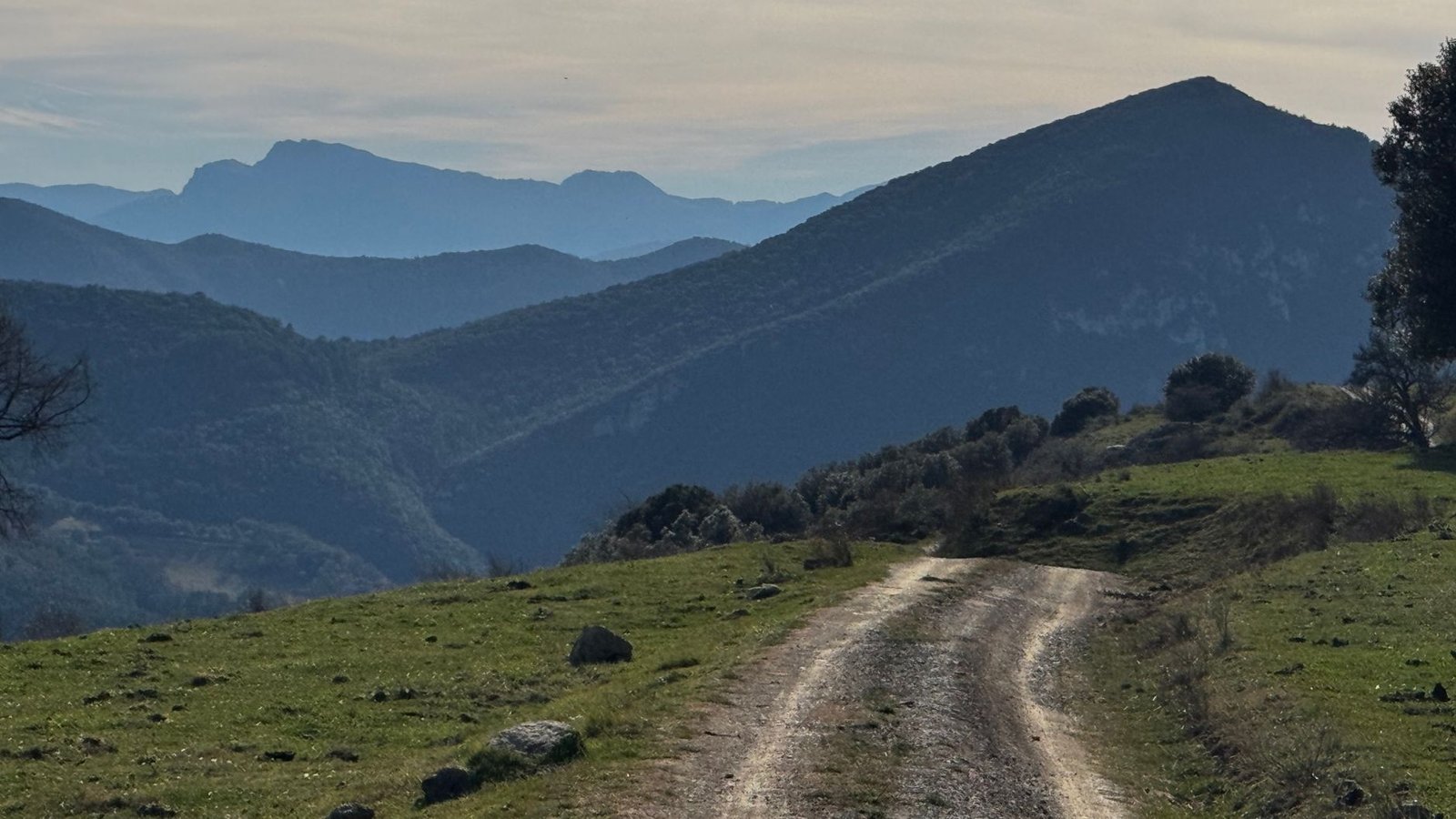
- Distance & Duration: Around 310-323 km (192-200 miles) from Oviedo, typically taking 13-16 days.
- Difficulty: Challenging, with medium-high difficulty due to numerous steep ascents and descents through mountainous terrain. Daily ascents can range from 250m to over 700m in some sections.
- Terrain: Predominantly mountain trails, rugged paths, and less asphalt compared to other routes.
- Infrastructure: More remote with fewer services and accommodation options, particularly in mountainous sections, necessitating careful planning.
- Highlights: Stunning mountain scenery, a sense of historical authenticity, and a quieter, more introspective journey.
Practical Preparation for Hiking the Camino de Santiago Spain
A successful and enjoyable Camino experience hinges on thorough preparation. This involves physical training, careful gear selection, and understanding the logistical aspects of the journey.
Physical Training: Building Endurance
Regardless of the chosen route, the Camino involves walking considerable distances daily, often with a backpack. It is highly recommended to start a training regimen several months before departure. This should include:
- Long Walks: Gradually increase walking distances, aiming to comfortably cover 15-25 kilometers (9-15 miles) per day on consecutive days.
- Varying Terrain: Incorporate hills, uneven trails, and paved surfaces into training walks to simulate Camino conditions.
- Backpack Training: Practice walking with the packed backpack that will be carried on the Camino to get accustomed to the weight.
- Foot Care: Pay close attention to foot health, identifying potential hot spots and breaking in hiking boots or shoes.
Essential Gear and Packing Strategy
Packing light is paramount on the Camino. Every extra kilogram can feel like ten by the end of a long day. A general rule is to keep backpack weight to 10-15% of one’s body weight.
- Footwear: Well-broken-in hiking boots or sturdy trail shoes are essential. Many pilgrims also carry comfortable sandals or crocs for evenings.
- Clothing: Layering is key. Pack moisture-wicking shirts, convertible hiking pants, a warm fleece or down jacket, and waterproof outer layers (jacket and pants). Three sets of clothing (one to wear, one to wash, one dry) are often sufficient.
- Backpack: A comfortable, well-fitting backpack (35-50 liters) with good hip support.
- Sleeping Bag: A lightweight sleeping bag or liner is necessary for albergues.
- First-Aid Kit: Essential items include blister treatment (Compeed is highly recommended), pain relievers, antiseptic wipes, bandages, and any personal medications.
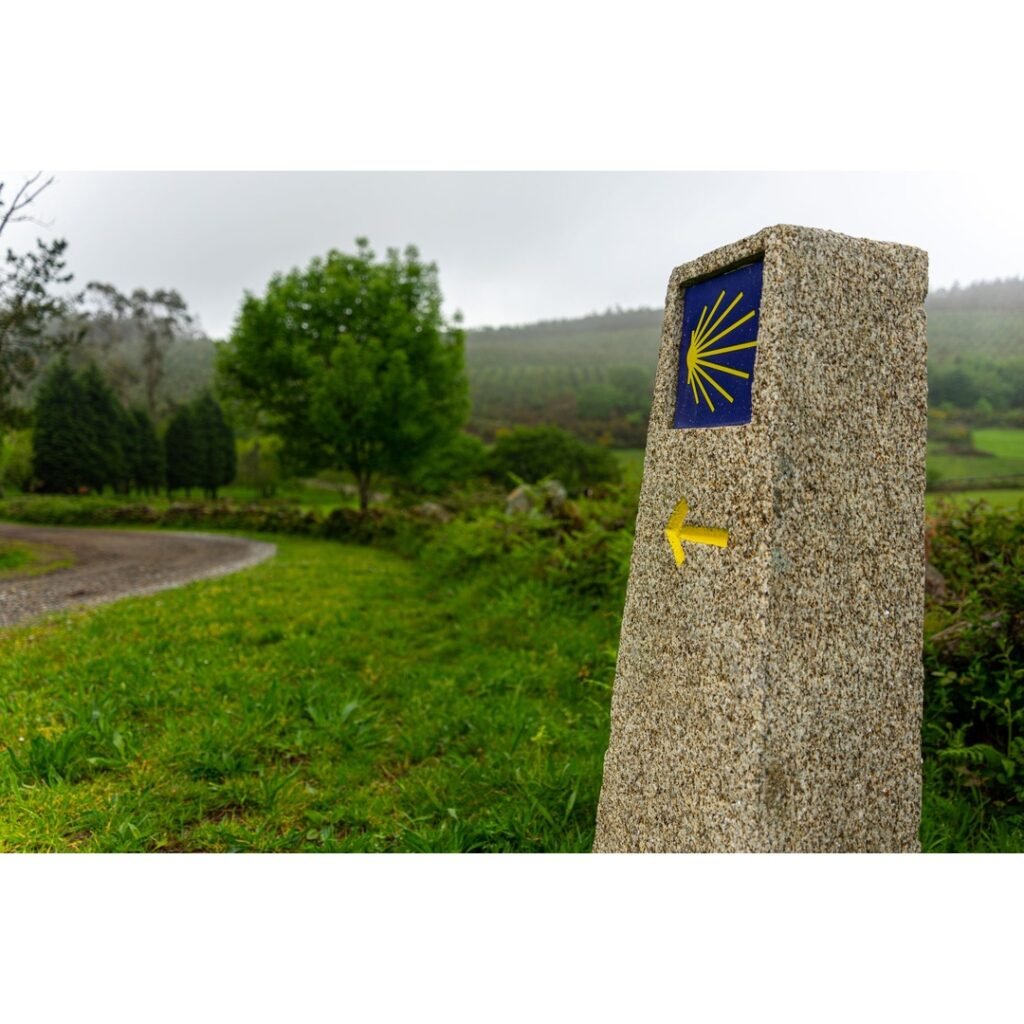
- Navigation: A physical guidebook, map, or a reliable offline GPS app on a smartphone. Waymarking with yellow arrows and scallop shells is generally excellent, but having a backup is wise.
- Hydration: A reusable water bottle or hydration reservoir.
- Toiletries: Travel-sized, quick-drying toiletries.
- Documents: Passport, travel insurance, and the Pilgrim’s Passport (Credencial).
Accommodation and Food on the Way
The Camino is renowned for its pilgrim-specific accommodations, primarily albergues. These are communal hostels, ranging from basic municipal facilities to more comfortable private options. They offer an affordable place to sleep, typically in bunk beds, and are a hub for pilgrim camaraderie. Many albergues operate on a first-come, first-served basis, especially on popular routes during peak season.
Food is an integral part of the Camino experience. Many towns offer a “Menu del Peregrino” (Pilgrim’s Menu), a set-price meal usually including a starter, main course, dessert, bread, and wine or water, providing excellent value and a taste of local cuisine.
Navigation and Safety Considerations
While hiking the Camino de Santiago Spain is generally safe, understanding navigation and potential hazards is crucial for a smooth journey.
Waymarking and Navigation
The Camino routes are famously well-marked with yellow arrows and scallop shell symbols, guiding pilgrims towards Santiago de Compostela. These markers are found on trees, rocks, buildings, and dedicated posts. However, it is always advisable to carry a guidebook or use a reliable navigation app as a supplementary tool, especially in urban areas where markers can be less obvious or at junctions with multiple route variations.
Safety on the Trail
- Solo Hiking: Many pilgrims walk solo, and the Camino is generally considered safe. However, exercising common sense is important, especially when walking alone in remote areas or at night.
- Weather: Spain’s weather can be unpredictable. Summers can be very hot, particularly on the Meseta, necessitating early starts and ample hydration. Spring and autumn offer milder temperatures but can bring rain, especially in Galicia. Winter hiking offers solitude but requires preparation for colder temperatures and more rain.
- Wildlife: While encounters with dangerous wildlife are rare, awareness of local flora and fauna is always good practice.
- Emergency Services: In Spain, the emergency number is 112. Having a fully charged phone and a portable power bank is essential.
- Foot Care: Blisters are the most common ailment. Proper footwear, good socks (wool or synthetic, not cotton), and immediate attention to hot spots can prevent serious issues.
- Hydration and Nutrition: Carry sufficient water, especially on longer stretches between villages. Regular snacks help maintain energy levels.
Environmental Stewardship: Protecting the Path
The beauty of hiking the Camino de Santiago Spain lies in its natural landscapes and cultural heritage. Practicing environmental stewardship ensures these paths remain pristine for future generations. Adhering to Leave No Trace principles is fundamental:
- Plan Ahead and Prepare: Know the route, weather, and any special regulations.
- Travel and Camp on Durable Surfaces: Stick to marked trails, even if they are muddy. Avoid creating new paths.
- Dispose of Waste Properly: Pack out everything brought in, including all trash and food scraps. Use designated bins where available.
- Leave What You Find: Do not disturb natural objects, historical artifacts, or cultural sites.
- Minimize Campfire Impacts: Where fires are permitted (rarely on the Camino), use established fire rings and ensure fires are completely out.
- Respect Wildlife: Observe animals from a distance. Do not feed them.
- Be Considerate of Other Visitors: Yield to other pilgrims, keep noise levels down, and respect private property.
Personal Insights: The Transformative Power of the Camino
As an experienced hiker, Summit Reid has often reflected on the unique magic of hiking the Camino de Santiago Spain. “The Camino is more than just a physical challenge; it’s a journey that strips away the superfluous, leaving one with a profound sense of self and connection,” Reid observes. “We often start with a destination in mind, Santiago, but quickly realize the true destination is within.”
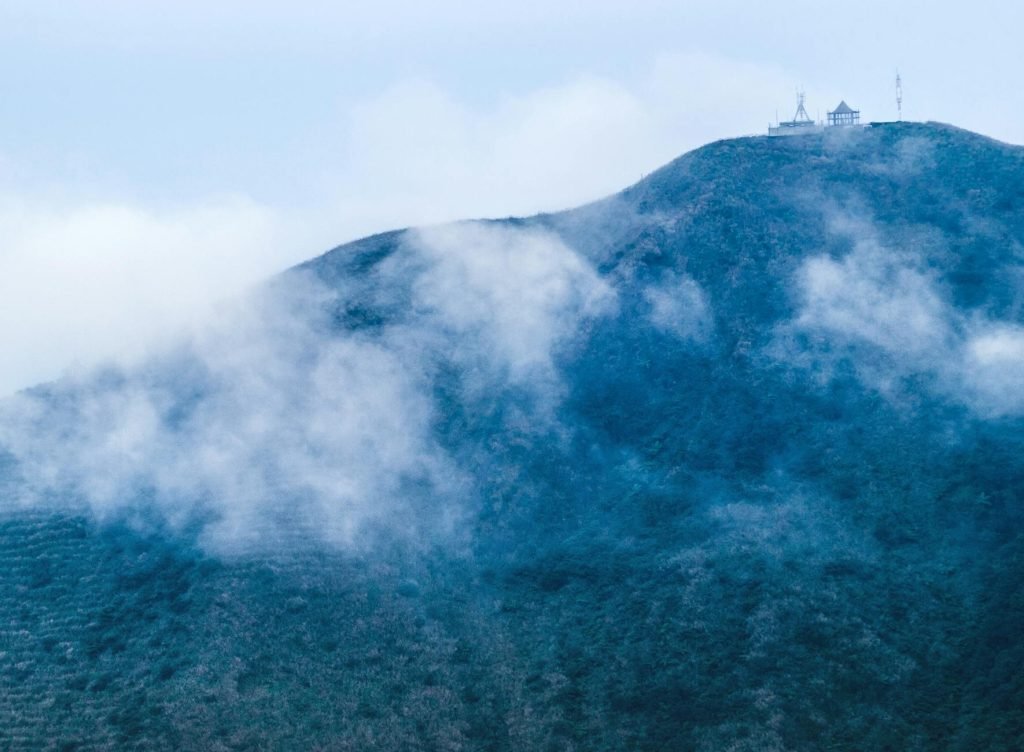
Reid recounts an experience on the Camino Primitivo, known for its rugged beauty and solitude. “There was a particularly challenging climb through the Asturian mountains, a long, relentless ascent. The weather turned, and a thick fog rolled in, reducing visibility dramatically. It was just the sound of our own breathing and the crunch of gravel underfoot. In that moment of isolation and physical exertion, a deep sense of peace settled in. The mountains, shrouded in mist, felt ancient and wise, reminding us of our small place in the grand tapestry of nature.”
You might also enjoy: Conquer the Coastal Majesty: Your Guide to Hiking Cinque Terre Italy Coastal Trails
Another vivid memory comes from the Camino Francés, during an evening spent at a small albergue in a tiny village. “After a day of walking through the golden fields of the Meseta, we gathered with pilgrims from half a dozen different countries. Sharing stories, laughter, and a simple meal, we realized that despite our varied backgrounds, we were all united by the shared experience of the path. These moments of spontaneous community, forged in shared effort and vulnerability, are truly the heart of the Camino.”
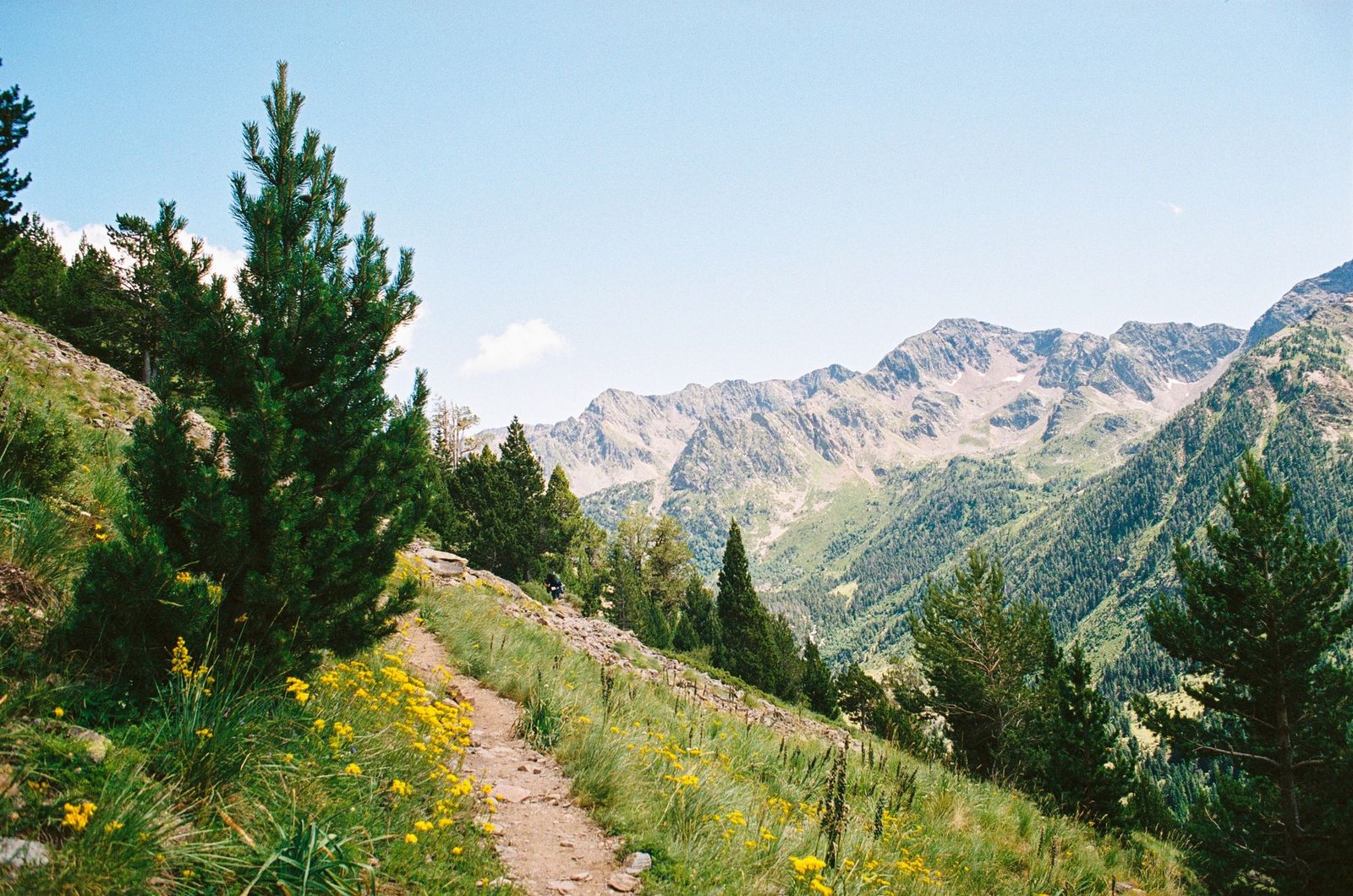
The connection with nature is also a recurring theme. “Whether it’s the vibrant green hills of Galicia, the sun-drenched vineyards of La Rioja, or the dramatic coastline of the Camino del Norte, the landscapes constantly invite introspection and appreciation,” Reid explains. “We learn to notice the small details: the wildflowers by the path, the sound of a distant church bell, the changing light on the horizon. These observations become meditations, grounding us in the present moment and fostering a deep sense of gratitude.”
Reid emphasizes that the Camino is not about perfection or speed. “It’s about embracing the journey, blisters and all. It’s about learning resilience, practicing patience, and opening oneself to the unexpected kindness of strangers. We walk not just to reach Santiago, but to discover what the path reveals about ourselves.”
Conclusion: Your Camino Awaits
Hiking the Camino de Santiago Spain offers an unparalleled opportunity for adventure, personal growth, and a deep connection with history, culture, and the natural world. Whether drawn by spiritual seeking, the desire for a physical challenge, or simply the call of the open road, the Camino provides a transformative experience unlike any other.
With careful preparation, respect for the environment, and an open heart, every hiking enthusiast can embark on this ancient pilgrimage and discover their own unique Camino. The path is waiting. Buen Camino!
Frequently Asked Questions
What is the best time of year for hiking the Camino de Santiago Spain?
The best time to hike the Camino de Santiago is generally during the spring (April to June) and autumn (September to October). These months offer moderate temperatures and fewer crowds compared to the peak summer season.
Do I need a special permit or passport for hiking the Camino de Santiago Spain?
While not strictly compulsory for simply walking, a Pilgrim’s Passport (Credencial del Peregrino) is essential if you wish to stay in pilgrim albergues and obtain the Compostela certificate upon reaching Santiago. It can be obtained from pilgrim associations, churches, or at the start of many routes.
What is an albergue, and what can I expect when staying in one?
Albergues are communal hostels specifically for pilgrims, offering affordable overnight accommodation, typically in bunk beds. They range from basic municipal facilities to more comfortable private options and are a central part of the Camino social experience.
How much money should I budget for hiking the Camino de Santiago Spain?
The cost can vary significantly depending on your chosen route, accommodation preferences (albergues vs. private rooms), and dining habits. A general estimate for staying in albergues and eating pilgrim menus might be around €30-€50 per person per day, but this can be higher with more private accommodations and restaurant meals.
Related Adventures
- Hiking Jasper National Park Alberta: An Enthusiast’s Guide to Wilderness Immersion
- Conquer the Coastal Majesty: Your Guide to Hiking Cinque Terre Italy Coastal Trails
- Unveiling the Majesty: Your Ultimate Guide to Hiking Routes in the Swiss Alps
⚠️ Safety Notice: This content is for informational purposes only. Always consult local guides and operators, verify current conditions, and ensure appropriate skills and certifications before any outdoor activity. DiveBikeHike is not responsible for injuries or incidents.