For scuba diving enthusiasts, few destinations ignite the imagination quite like the Galapagos Islands, Ecuador. This remote archipelago, a UNESCO World Heritage Site, is a crucible of evolution, both above and below the waves. Diving the Galapagos Islands Ecuador offers a truly unique and often exhilarating experience, where strong currents deliver an abundance of nutrients, attracting an astonishing array of marine life found nowhere else on Earth. It is a destination that promises not just dives, but profound encounters with nature’s raw power and beauty.
The Allure of Diving the Galapagos Islands Ecuador
The Galapagos Marine Reserve is a melting pot of marine biodiversity, where three major ocean currents converge, creating a nutrient-rich environment that supports an incredible ecosystem. Divers here can expect to witness massive schools of fish and abundant pelagic life, making every descent an adventure into the unknown. The islands’ volcanic origins have sculpted dramatic underwater landscapes, featuring walls, deep-water pinnacles, and exposed channels that serve as highways for marine megafauna.
A Symphony of Marine Life Encounters
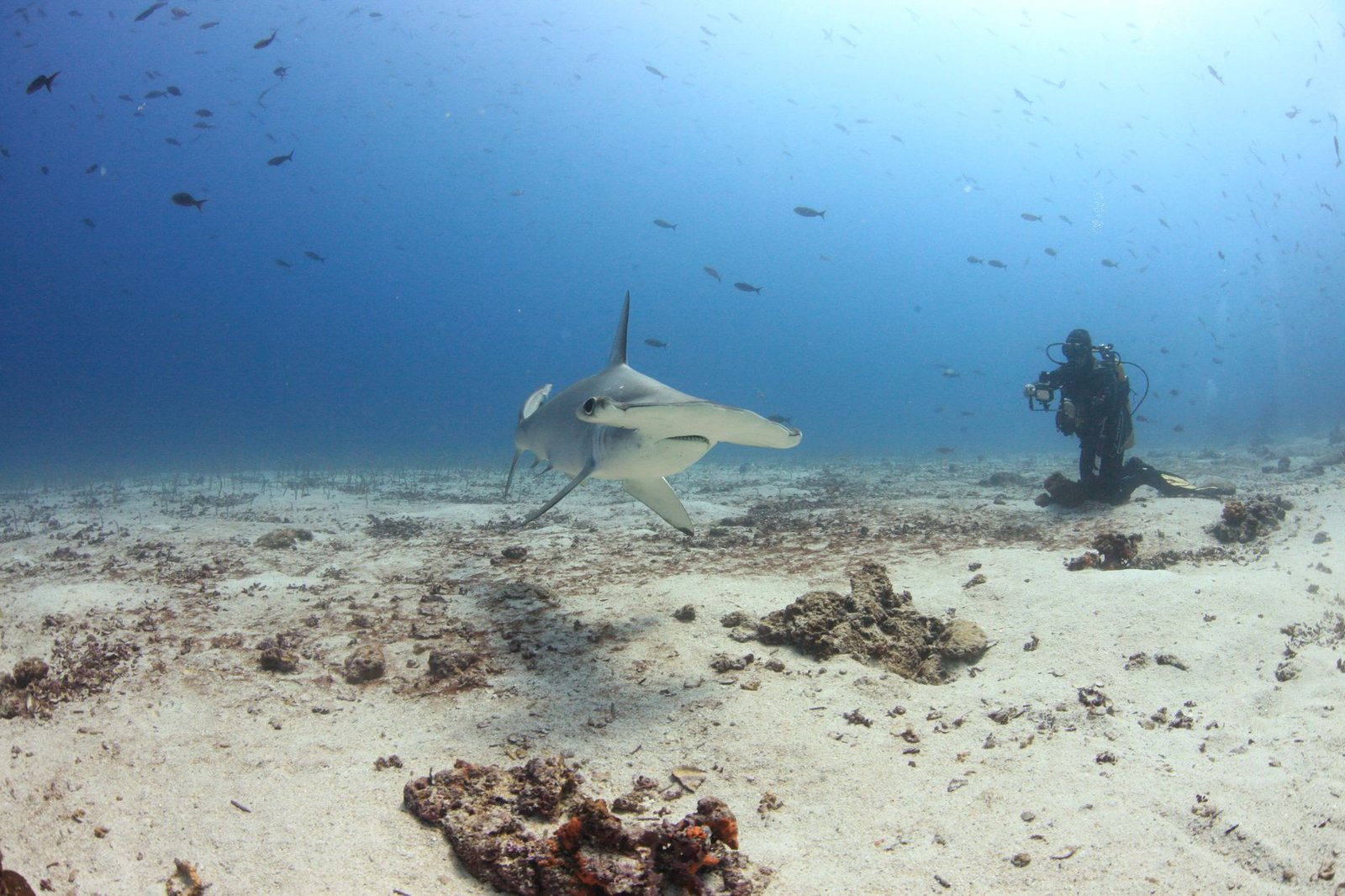
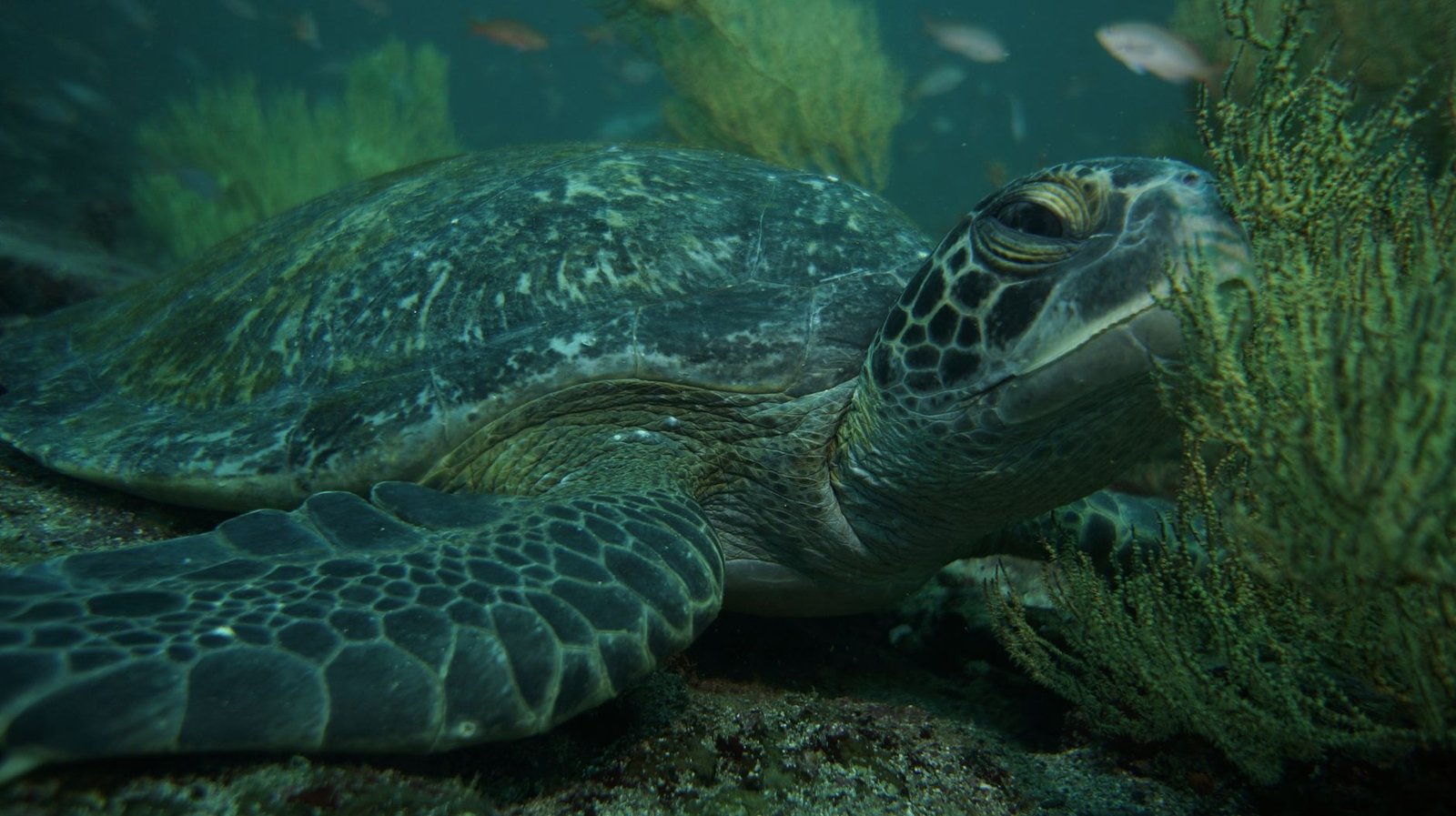
One of the primary draws of diving the Galapagos Islands Ecuador is the sheer density and diversity of its marine inhabitants. Divers frequently encounter scalloped hammerhead sharks, often in large schools, alongside Galapagos sharks, white-tip reef sharks, and even the majestic whale sharks during certain seasons. Beyond the sharks, the waters teem with playful sea lions, graceful green sea turtles, and various ray species, including manta rays and eagle rays. Unique endemic creatures like marine iguanas, which forage underwater, and the elusive Mola mola (ocean sunfish) add to the extraordinary spectacle.
Premier Dive Sites in the Galapagos
The Galapagos offers a range of dive sites, each with its own character and marine highlights. While some are accessible via day trips, the most remote and renowned sites typically require a liveaboard experience.
Darwin and Wolf Islands: The Apex Predator Playground
Located in the far northern reaches of the archipelago, Darwin Island (and its famous Darwin’s Arch, though the arch itself collapsed in 2021) and Wolf Island are considered the crown jewels of Galapagos diving. These sites are exclusively accessible by liveaboard and are legendary for their dense schools of scalloped hammerhead sharks and seasonal sightings of whale sharks, particularly from June to November. Conditions here can be challenging, with strong currents and choppy seas, making them best suited for advanced and experienced divers. Beyond the large pelagics, divers can also encounter Galapagos sharks, silky sharks, dolphins, and various reef fish.
Gordon Rocks: The Washing Machine
Near Santa Cruz Island, Gordon Rocks is a world-renowned dive site often dubbed ‘The Washing Machine’ due to its strong currents and upwellings. This site is a must-visit for experienced divers, often requiring an Advanced certification and a minimum of 25-30 logged dives. It is celebrated for consistent sightings of large schools of hammerhead sharks, Galapagos sharks, and various rays, including eagle rays and Mobula rays. Mola mola are also occasionally spotted here, especially during the colder water season.
Kicker Rock (Leon Dormido): The Sleeping Lion
Off the coast of San Cristobal Island, Kicker Rock, also known as Leon Dormido (Sleeping Lion), is a distinctive geological formation that offers excellent diving and snorkeling. The channel between the two rock formations is a natural corridor for marine life, providing opportunities to see hammerhead sharks, Galapagos sharks, white-tip reef sharks, sea lions, green sea turtles, and eagle rays. Visibility can be excellent, reaching up to 30 meters. Kicker Rock is often considered suitable for a wider range of experience levels, though currents can sometimes be strong.
You might also enjoy: Diving the Similan Islands Thailand: An Unforgettable Underwater Odyssey
Punta Vicente Roca: The Cold Water Haven
Located on the northwestern tip of Isabela Island, Punta Vicente Roca is known for its cold, nutrient-rich waters that attract unique species. This site is a prime location for encountering the elusive Mola mola (ocean sunfish), often rising from deeper waters. Divers may also spot Galapagos penguins, playful sea lions, green turtles, red-lipped batfish, seahorses, and the endemic Galapagos bullhead shark. The diving here is typically along a sloping wall, with depths generally between 10-27 meters. Strong currents and thermoclines are common, adding to the adventurous nature of the dive.
Planning Your Galapagos Diving Adventure
Best Time for Diving the Galapagos Islands Ecuador
Diving in the Galapagos is a year-round possibility, but conditions and marine life sightings vary with the seasons. The archipelago experiences two main seasons:
- Warm Season (December to May): Water temperatures are generally warmer, ranging from approximately 23-27°C (73-81°F). Seas are typically calmer, and visibility can be excellent. This season offers good chances for manta rays and active reef life.
- Cool Season (June to November): Water temperatures are cooler, ranging from approximately 16-22°C (60-72°F), with potential for colder thermoclines. This period is often considered prime time for big animal encounters, especially whale sharks around Darwin and Wolf Islands (peaking July-October), and increased activity of hammerheads and Mola mola due to nutrient-rich upwellings. However, seas can be rougher.
Liveaboard vs. Day Trips
For those serious about diving the Galapagos Islands Ecuador, a liveaboard cruise is highly recommended, especially to access the remote northern sites like Darwin and Wolf Islands. Liveaboards offer multiple dives per day, cover more ground, and provide an immersive experience. Day trips are available from inhabited islands like Santa Cruz and San Cristobal, offering access to sites like Gordon Rocks and Kicker Rock.
Certification and Experience Requirements
Galapagos diving is generally considered best for experienced divers comfortable with strong currents, cold water, and potential surge. Most liveaboard operators require an Advanced Open Water certification and often recommend a minimum of 50-100 logged dives, with at least one dive within the last 6-12 months. It is crucial to be proficient in buoyancy control and drift diving techniques. Local regulations require all divers to be accompanied by a licensed professional dive guide.
Practical Tips and Safety Considerations
As experienced dive masters, we emphasize thorough preparation for diving the Galapagos Islands Ecuador. These waters are wild and demand respect.
Gear Up for Success
- Wetsuit: A 7mm wetsuit is strongly recommended, especially during the cooler season, often with a hooded vest and gloves, to combat cold water and thermoclines. Even in the warmer season, a 5mm wetsuit is a minimum.
- Dive Computer: Mandatory for all dives.
- Safety Devices: A Dive Alert, surface signaling device (SMB), and an electronic beacon are often required and available on board.
- Reef Hook: While not for touching marine life, a reef hook can be invaluable for maintaining position in strong currents without expending excessive energy, particularly useful for photographers.
Safety First
- Currents: Be prepared for strong and sometimes unpredictable currents. Good physical fitness and experience with drift diving are essential. Down currents can also occur.
- Depth Limits: Decompression diving is prohibited. The maximum allowed depth is generally 39 meters (130 feet) on air or 33.5 meters (110 feet) on Nitrox.
- Dive Briefings: Always pay close attention to dive briefings, which provide crucial information on site conditions, currents, and potential hazards.
- No Alcohol Before Diving: Alcohol consumption is strictly prohibited during diving activities, and once a diver has their first drink, they are done diving for the day.
- Dive Insurance: Proof of dive insurance is required by Galapagos National Park regulations.
Environmental Responsibility
The Galapagos Marine Reserve is a highly protected area. Divers must adhere to strict rules to preserve this fragile ecosystem. Maintain a minimum distance of 2 meters from all wildlife, avoid touching or disturbing marine creatures or coral, and practice excellent buoyancy control. Flash photography is generally not permitted when photographing wildlife. Leave no trace, and cooperate with all environmental inspection and quarantine officials.
You might also enjoy: Diving Seychelles Granite Formations: An Underwater Journey Through Ancient Worlds
Personal Insights from Marina Hayes
As Marina Hayes, an experienced dive master, often shares, “Diving the Galapagos Islands Ecuador is not just a trip; it’s a pilgrimage. We’ve guided countless divers through these waters, and the look of awe on their faces when a school of hundreds of hammerheads appears out of the blue, or a curious sea lion nudges them, is truly priceless. It’s a place that reminds us of the raw, untamed beauty of our oceans. The currents can be challenging, and the water can be cool, but the rewards far outweigh any discomfort. We always advise divers to come prepared, both physically and mentally, so they can fully immerse themselves in the magic unfolding around them. Every dive here is a story waiting to be told, a memory etched deep within the soul.”
Conclusion: Your Galapagos Dive Awaits
Diving the Galapagos Islands Ecuador is an unparalleled adventure, a journey into a marine wonderland where evolution is visibly at play. From the exhilarating encounters with massive pelagics at Darwin and Wolf to the unique cold-water species of Punta Vicente Roca, and the vibrant reef life of Gordon Rocks and Kicker Rock, every dive offers a profound connection to nature. This destination demands respect and preparation but rewards divers with an experience that transcends the ordinary. If the call of the wild, untamed ocean stirs your spirit, then it is time to answer. Begin planning your expedition to the Galapagos and prepare to be transformed by one of the world’s most extraordinary underwater realms.
Frequently Asked Questions
What is the best time of year for diving the Galapagos Islands Ecuador?
The best time depends on your priorities. June to November (cool season) is ideal for whale sharks and increased pelagic activity, though waters are cooler and choppier. December to May (warm season) offers warmer, calmer waters and better visibility, with good chances for manta rays and active reef life.
What level of diving experience is required for Galapagos?
Galapagos diving is generally recommended for experienced divers. Most liveaboard operators require an Advanced Open Water certification and often suggest a minimum of 50-100 logged dives, with recent diving experience, due to strong currents and challenging conditions.
What marine life can be seen when diving the Galapagos Islands Ecuador?
Divers can expect to see an incredible array of marine life, including large schools of hammerhead sharks, Galapagos sharks, whale sharks (seasonally), manta rays, eagle rays, sea lions, green sea turtles, marine iguanas, and the elusive Mola mola (ocean sunfish).
Are there any specific safety regulations for diving in the Galapagos?
Yes, strict safety regulations are in place. All divers must be accompanied by a licensed dive guide, adhere to a maximum depth of 39 meters (130 feet), use a dive computer, and carry surface signaling devices. Decompression diving and alcohol consumption before diving are strictly prohibited.
Related Adventures
- Diving the Similan Islands Thailand: An Unforgettable Underwater Odyssey
- Diving Seychelles Granite Formations: An Underwater Journey Through Ancient Worlds
- Unveiling the Underwater Majesty: Scuba Diving California’s Channel Islands
⚠️ Safety Notice: This content is for informational purposes only. Always consult local guides and operators, verify current conditions, and ensure appropriate skills and certifications before any outdoor activity. DiveBikeHike is not responsible for injuries or incidents.