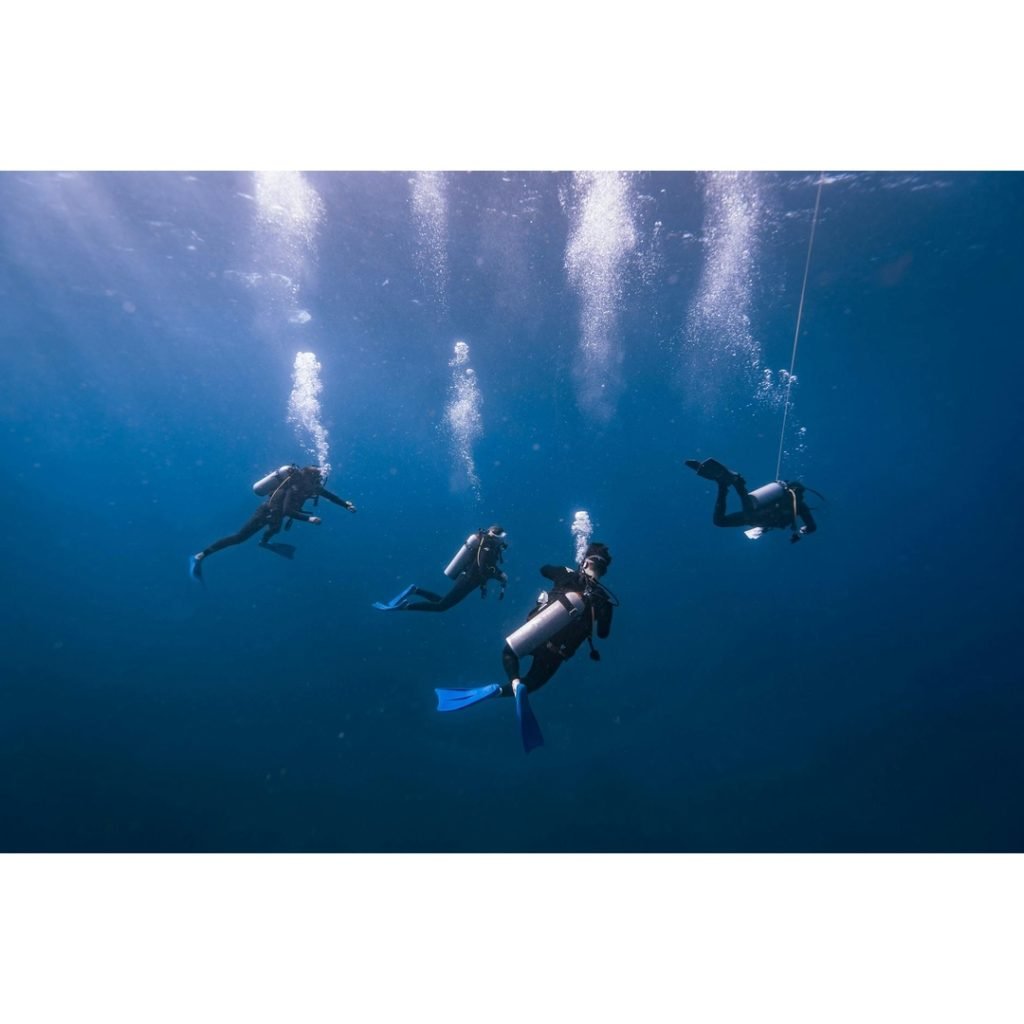
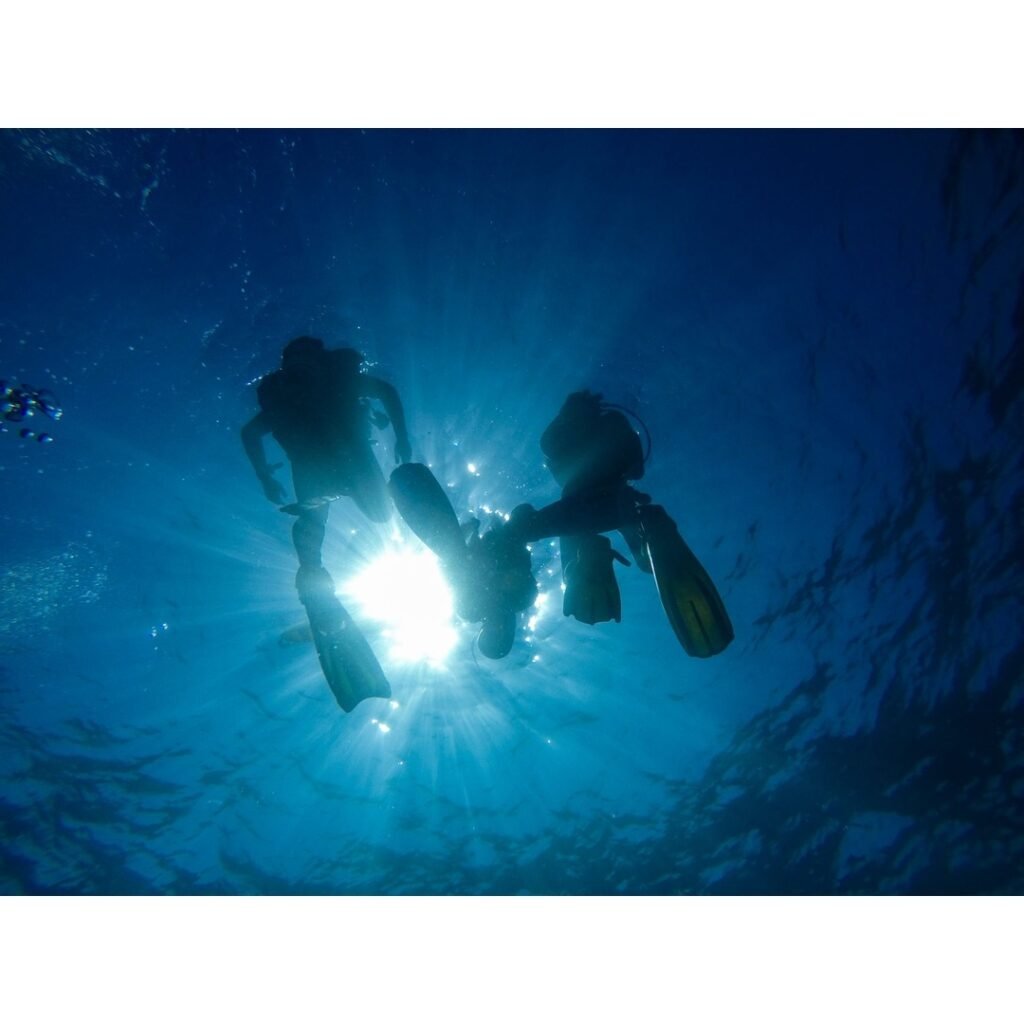
For those who seek the extraordinary beneath the waves, the call of the Andaman Sea resonates deeply. Among its many treasures, the Similan Islands National Park stands as a beacon for divers worldwide, offering an underwater spectacle that few destinations can rival. Diving the Similan Islands Thailand is not merely a trip; it is an immersion into a vibrant, thriving ecosystem, a journey that leaves an indelible mark on every enthusiast who descends into its crystal-clear embrace.
As experienced dive masters, we have witnessed countless divers emerge from these waters with eyes wide with wonder, their stories echoing the sheer biodiversity and breathtaking beauty found here. This comprehensive guide aims to prepare and inspire, offering a detailed look into what makes the Similan Islands a premier diving destination, from its unique topography to its incredible marine inhabitants and the practicalities of planning an unforgettable adventure.
The Allure of Diving the Similan Islands Thailand
The Similan Islands, a cluster of eleven islands approximately 70 kilometers off the coast of Phang Nga Province, are renowned for their pristine white-sand beaches, lush tropical rainforests, and, most importantly, their spectacular underwater world. Designated as a National Marine Park in 1982, the islands are a protected haven for marine life, boasting an exceptional diversity influenced by the nutrient-rich waters of the Indian Ocean.
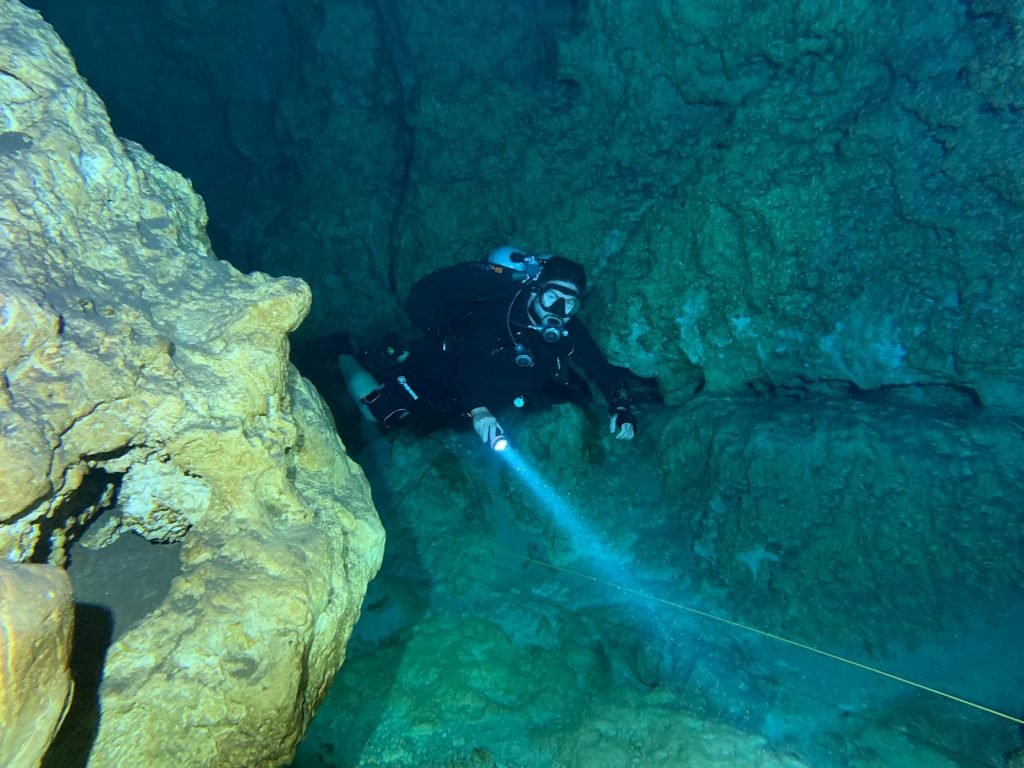
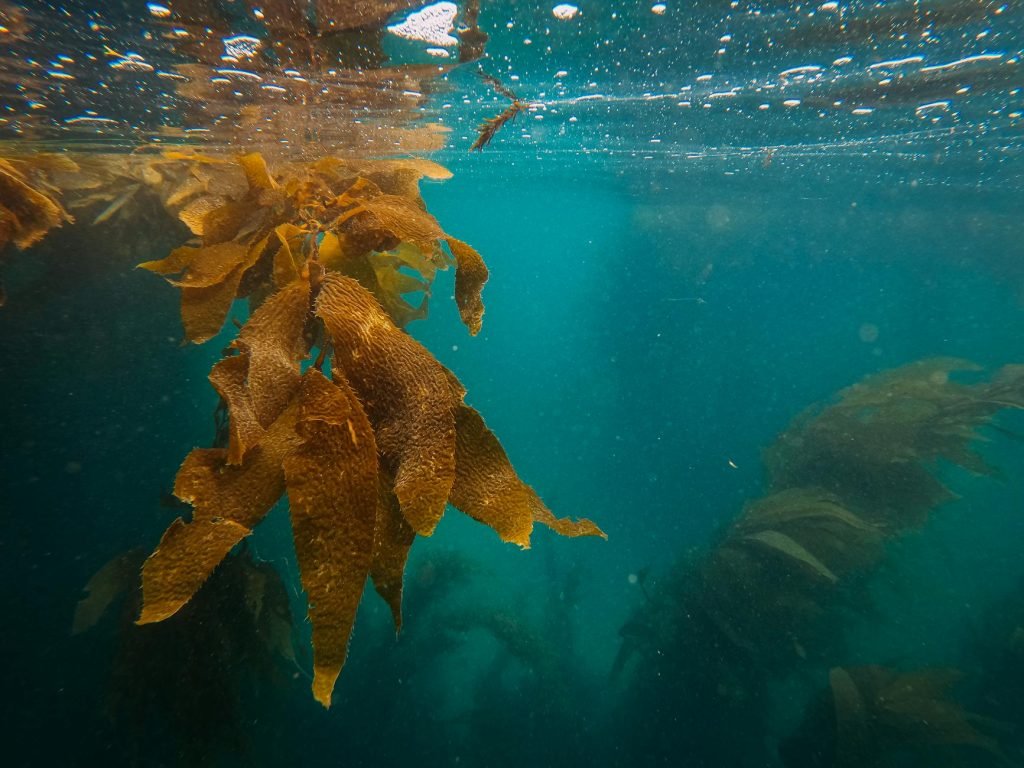
What sets the Similans apart is the dramatic contrast between its eastern and western dive sites. The eastern coast typically features gently sloping coral reefs, adorned with flourishing hard and soft corals, sea anemones, and teeming fish populations. These sites often present negligible currents and moderate depths, making them accessible for a wide range of diver experience levels. In stark contrast, the western side of the islands is characterized by colossal granite boulders that tumble down to the seabed, creating a labyrinth of tunnels, archways, and caverns that invite thrilling swim-throughs. Stronger currents here bring a steady supply of nutrients, fostering masses of gorgonians, crinoids, sea fans, and lush soft corals.
The Similan Islands are a seasonal diving destination, typically open to visitors from October 15th to May 15th each year, closing during the southwest monsoon season to allow the delicate ecosystem to recover from tourism pressure and to ensure visitor safety during rough seas. The peak diving season, offering the calmest seas, clearest visibility, and ideal water temperatures, generally runs from November to April. February and March are often highlighted as the best months for optimal conditions, with visibility frequently reaching 30 meters or more and water temperatures comfortably hovering between 27°C and 30°C.
Navigating the Similan Islands National Park
Understanding the regulations and logistics of the Similan Islands National Park is crucial for a smooth and responsible diving experience. The park authorities have implemented measures to preserve its natural beauty and protect its marine inhabitants. A daily visitor cap of 3,850 people is enforced, and an e-ticket system requires advance booking for entry. Importantly, overnight stays on the islands themselves are no longer permitted; multi-day visits are exclusively facilitated through liveaboard dive boats.
Conservation efforts are a cornerstone of the park’s management. Islands 1, 2, and 3 are restricted from public access to support turtle hatching protection programs and aid in reef conservation. Divers and snorkelers are expected to adhere to a strict “no touch” policy, refraining from touching any marine life, corals, or the seabed. Feeding marine animals is also prohibited, and all dives must be guided, with a maximum ratio of four divers to one guide. New regulations also stipulate that underwater cameras are to be used only by divers with Advanced certification or above, or those with a minimum of 40 verified logged dives, to minimize impact on fragile ecosystems.
Iconic Dive Sites: A Deep Dive into the Similans’ Wonders
The Similan Islands and the surrounding northern sites offer a diverse array of dive experiences, each with its unique charm and inhabitants. Here, we explore some of the most celebrated locations:
Within the Similan Archipelago
- Anita’s Reef (Hin Muan): Located between Islands 5 and 6, Anita’s Reef is a captivating site characterized by granite boulders interspersed with flat sandy areas. It boasts a rich variety of hard and soft corals, including staghorn corals and sea fans. Depths here range from approximately 5 meters to 40 meters, with excellent visibility often between 20 and 40 meters. Currents are typically mild, making it suitable for divers of all experience levels, including beginners. Divers can expect to encounter razor wrasse, angelfish, trevally, and pipefish, with possibilities of spotting octopus, sea snakes, stingrays, and leopard sharks on the sandy bottom.
- Breakfast Bend: Situated east of Island 8, Breakfast Bend is a popular site known for its extensive hard coral gardens, staghorn corals, and sea whips. Depths vary from the surface down to 35 meters, offering good visibility, usually between 10 and 30 meters. This site is generally suitable for beginners, with medium currents. Common sightings include leopard sharks and sea turtles. Lucky divers might also spot whitetip reef sharks resting on the seabed or catch a glimpse of a passing Kuhl’s ray or a camouflaged ghost pipefish.
- Elephant Head Rock (Hin Pusa): Southwest of Island 8, Elephant Head Rock is named for its distinctive rock formations. This site is considered more challenging due to potential surge and strong currents but rewards experienced divers with dramatic swim-throughs, underwater tunnels, and hidden crevices. Depths can exceed 40 meters. Marine life here includes large snappers, clearfin lionfish, and various sea turtles like olive ridley and hawksbill. Leopard sharks are also frequently seen, and whitetip reef sharks may patrol the deeper pinnacles.
- Christmas Point: Found off Island 9, Christmas Point is a dynamic site featuring a large cluster of sloping boulders that descend from around 17 meters to well over 40 meters. Strong currents are common here, attracting larger pelagic species. It is considered one of the best locations for encountering leopard sharks. Other notable residents include long fin batfish, Napoleon wrasse, unicorn fish, and groups of brown marbled grouper. Divers might also spot Kuhl’s rays, spotted garden eels, and leaf fish across the sandy patches.
Beyond the Similans: Northern Gems
Many liveaboard itineraries extend north of the main Similan archipelago to include dive sites that are geographically distinct but fall under the same national park administration or are nearby, offering even greater diversity.
You might also enjoy: Unveiling the Underwater Majesty: Scuba Diving California’s Channel Islands
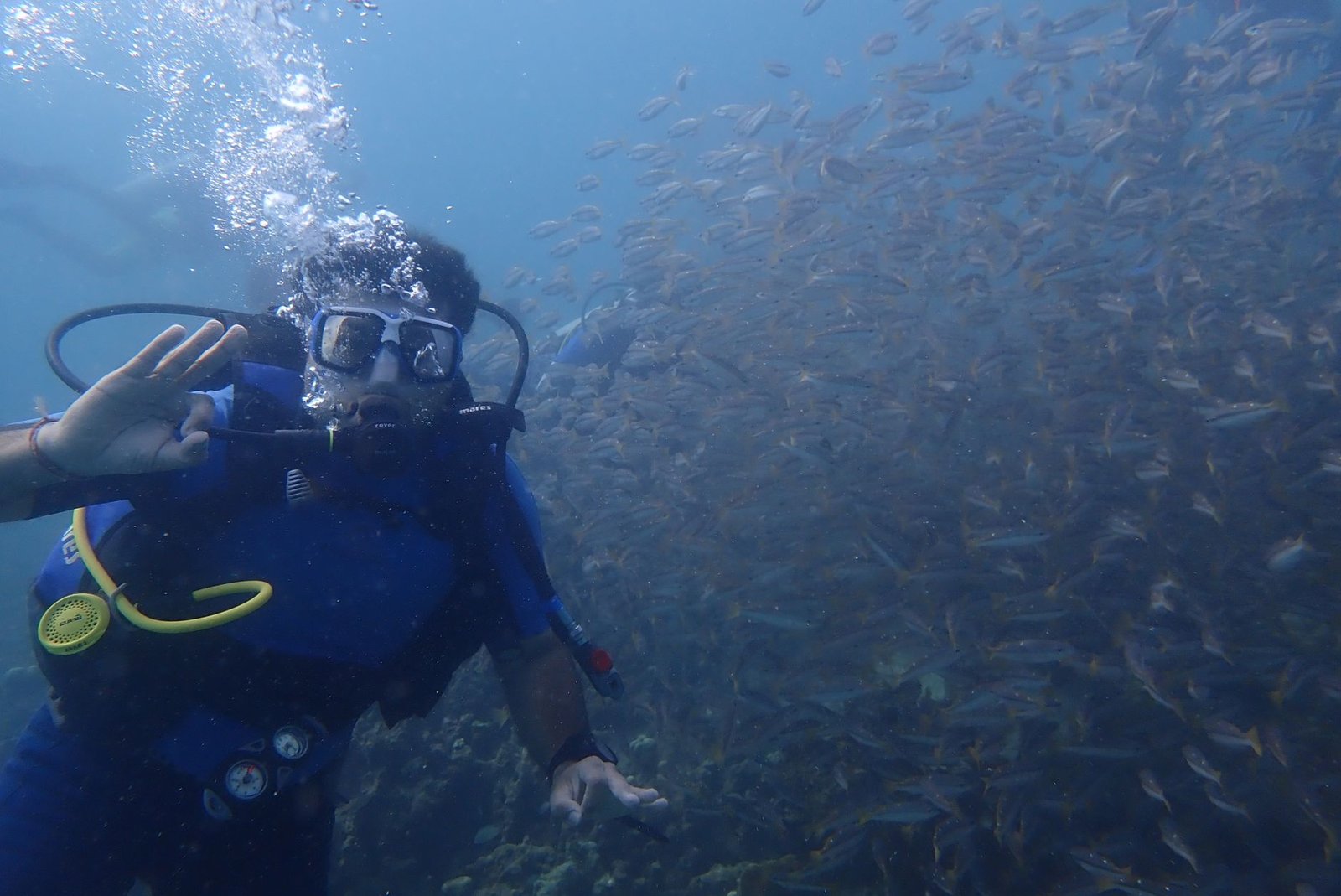
- Koh Bon: Located northwest of the Similan Islands, Koh Bon is a limestone island famous for its manta ray encounters. The western ridge of Koh Bon is a renowned cleaning station where these magnificent creatures are frequently observed gliding gracefully. The site features steep reef slopes and a spectacular underwater ridge, with depths typically ranging from 18 to over 30 meters and visibility often between 20 and 30 meters. Currents can be moderate to strong. Beyond manta rays, divers may also spot whale sharks, reef sharks, leopard sharks, Napoleon wrasse, trevallies, batfish, and a vibrant array of reef fish.
- Koh Tachai: As the northernmost island often included in Similan liveaboard trips, Koh Tachai offers two primary dive experiences: the Pinnacle and the Reef. Koh Tachai Pinnacle, also known as Koh Tachai Dome, is a submerged granite pinnacle known for its powerful currents and dynamic underwater scenery. Depths here range from 12 meters to 40 meters. It is a thrilling site for advanced divers, offering frequent sightings of oceanic manta rays, especially from November through April, and occasional whale sharks. Large schools of barracuda, giant trevally, and batfish are also common. The shallower Koh Tachai Reef, on the eastern side of the island, features a sloping sandy reef with hard corals, providing opportunities to see leopard sharks, moray eels, and various reef fish.
- Richelieu Rock: Often hailed as the “jewel of the Andaman Sea” and Thailand’s best dive site, Richelieu Rock is an isolated, horseshoe-shaped pinnacle located within the Surin Islands National Park, northeast of the Similans. The rock barely breaks the surface at low tide and drops dramatically to depths of over 30 meters, with most exploration occurring between 20 and 28 meters. Strong currents are typical, bringing an abundance of nutrients that support an incredibly rich ecosystem. The pinnacle is entirely encrusted with vibrant purple soft corals, anemones, gorgonian sea fans, and barrel sponges. Richelieu Rock is globally recognized as one of the best places in Thailand to encounter whale sharks, particularly from February to May, and manta rays. Divers can also expect to see massive schools of barracuda, giant groupers, harlequin shrimp, seahorses, ghost pipefish, and a myriad of nudibranchs. Its sheer scale and biodiversity often warrant multiple dives to fully appreciate.
Choosing Your Adventure: Liveaboard vs. Day Trips
When planning your diving expedition to the Similan Islands, a key decision involves choosing between a liveaboard trip and day trips. Each option offers distinct advantages:
Liveaboard Diving
For the dedicated scuba enthusiast, a liveaboard offers the most immersive and comprehensive experience. These multi-day cruises, typically ranging from 3 to 7 days, allow divers to explore a wider array of dive sites, including the more distant northern locations like Koh Bon, Koh Tachai, and Richelieu Rock, without the daily commute from the mainland. Liveaboards provide the opportunity for up to four dives a day, often including night dives, which reveal a completely different set of nocturnal marine creatures. The longer surface intervals between dives enhance safety and comfort, and the ability to reach dive sites early in the morning or late in the afternoon means encountering fewer crowds. While the initial cost may seem higher, the cost per dive, including accommodation and meals, often proves more economical than multiple day trips.
Day Trips
Day trips are a viable option for those with limited time or who prefer to stay on the mainland. Departing primarily from Khao Lak, these trips typically involve a 90-minute speedboat ride each way to the Similan Islands. Day trips usually offer two or three dives and focus on the closer Similan Islands. While convenient for a quick visit, the long travel time can make for a rushed day, and dive sites may be more crowded, especially during peak hours.
Marine Life Encounters: A Kaleidoscope of Biodiversity
The Similan Islands are a biodiversity hotspot, promising an astonishing array of marine life. Divers frequently encounter graceful manta rays, especially around Koh Bon and Koh Tachai, and the elusive whale shark, particularly at Richelieu Rock, offers a truly once-in-a-lifetime experience.
Reef sharks, including whitetip, blacktip, and leopard sharks, are common sights, often found resting on sandy bottoms or patrolling the reef edges. Sea turtles, such as hawksbill and green sea turtles, are frequently observed gliding through the water or munching on corals. Schools of barracuda, giant trevally, and tuna can be seen in impressive formations, while vibrant reef fish like angelfish, butterflyfish, lionfish, snappers, and the iconic anemonefish populate the coral gardens.
For macro enthusiasts, the Similans offer a treasure trove of smaller wonders, including various species of nudibranchs, ornate ghost pipefish, seahorses, harlequin shrimp, and cuttlefish. Every dive holds the promise of a new discovery, from the smallest critter to the largest pelagic, making each descent a unique and memorable event.
Practical Tips and Actionable Advice for Diving the Similan Islands
To maximize your experience diving the Similan Islands Thailand, consider these practical tips:
- Certification Levels: While Open Water Diver certification is sufficient for many of the shallower, calmer sites (max depth 18m), an Advanced Open Water (AOW) certification is highly recommended. Many of the more renowned sites, particularly those with deeper sections or stronger currents like Elephant Head Rock, Koh Tachai Pinnacle, and Richelieu Rock, are best explored by Advanced divers. Some liveaboards may require AOW or offer the deep dive portion of the course onboard.
- Equipment: Standard scuba gear is essential. Given the warm water temperatures (27-30°C), a 3mm wetsuit is usually sufficient for comfort. Consider bringing your own mask for a perfect fit. For those prone to seasickness, motion-sickness medication is highly advisable, especially for speedboat transfers or during choppier conditions.
- Photography: The Similans offer incredible photographic opportunities. However, new regulations require divers to have an Advanced certification or a minimum of 40 logged dives to use an underwater camera. This is a measure to protect the fragile marine ecosystem from accidental damage by inexperienced photographers.
- Respect the Environment: Always practice responsible diving. Maintain neutral buoyancy, avoid touching corals or marine life, and never chase or harass animals. Participate in conservation efforts by choosing eco-conscious operators and reporting any observed environmental damage. The health of these reefs depends on every diver’s actions.
- Health and Safety: Ensure you are in good health and physically fit for diving. If you have any medical conditions, consult a doctor and your dive operator. Remember the 24-hour no-fly rule after diving. Always dive within your limits and follow your dive guide’s instructions.
Personal Insights from an Experienced Dive Master
Having spent years exploring the depths of the Similan Islands, we have gathered a wealth of experiences that highlight the truly unique nature of this destination. One particularly memorable encounter involved a group of divers at Richelieu Rock. The current was brisk, but the reward was immense: a majestic whale shark circled the pinnacle for nearly the entire dive, seemingly unfazed by our presence. Its sheer size and gentle demeanor left everyone in awe, a powerful reminder of the ocean’s grandeur.
Another profound experience occurred at Koh Bon, where a cleaning station became a stage for multiple manta rays. Watching these intelligent creatures gracefully perform their ballet, allowing smaller fish to clean them, underscored the intricate balance of the marine ecosystem. It’s moments like these, where nature unfolds its wonders before your eyes, that truly define diving the Similan Islands Thailand.
You might also enjoy: Diving Seychelles Granite Formations: An Underwater Journey Through Ancient Worlds
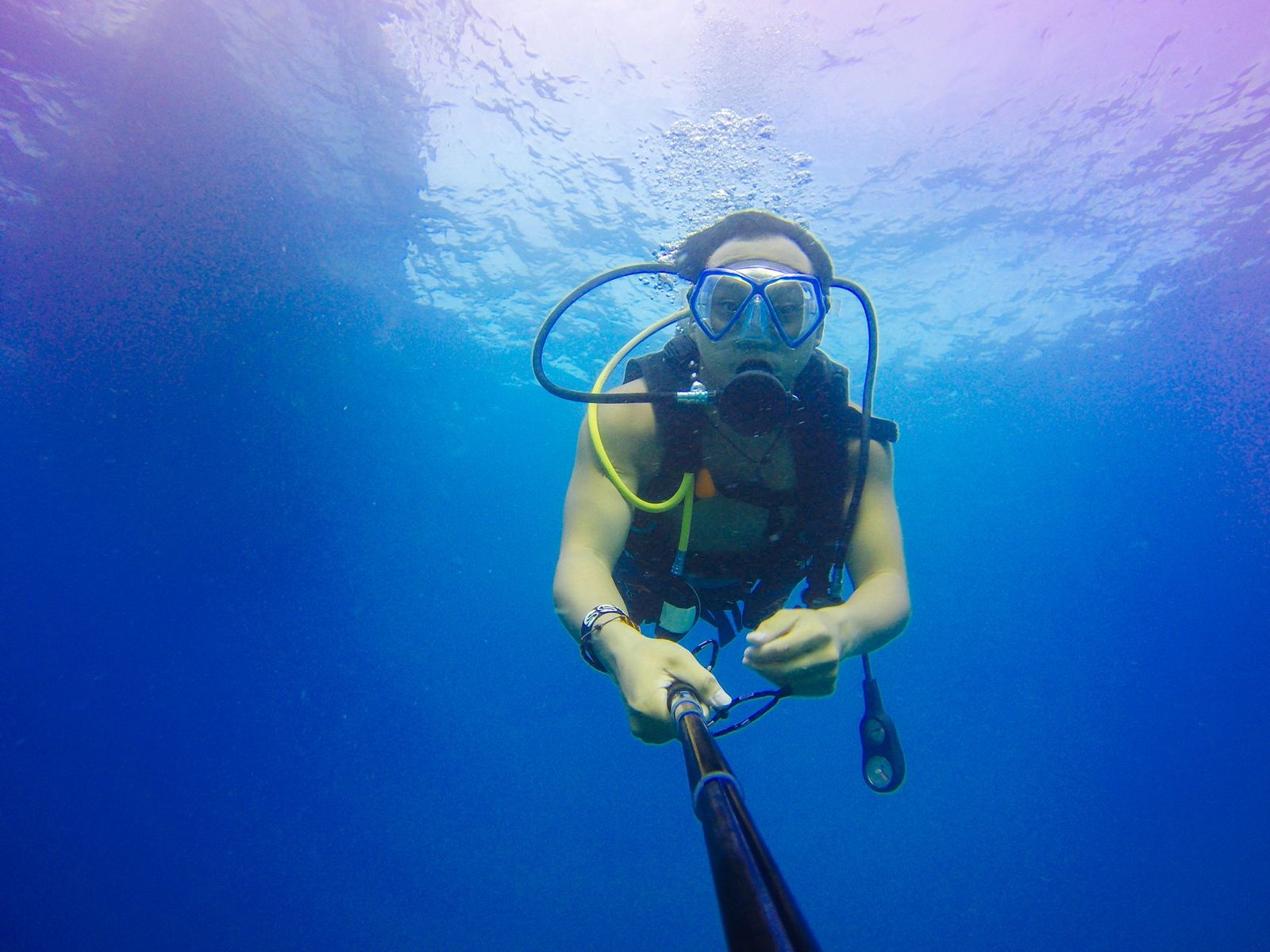
We have also seen the challenges. Strong currents, particularly at sites like Elephant Head Rock and Christmas Point, demand respect and proper dive planning. It is in these conditions that the importance of an experienced dive guide and a well-briefed group becomes paramount. The granite boulder formations, while offering incredible swim-throughs, require careful buoyancy control to avoid contact. These challenges, however, only add to the sense of accomplishment and the depth of the adventure.
The Similans are not just about the big pelagics; the macro life is equally captivating. Spending time meticulously searching for a tiny ornate ghost pipefish or a vibrant nudibranch hidden among the corals can be just as rewarding as a manta ray sighting. It’s a testament to the incredible diversity that every inch of these reefs holds a story.
Conclusion: Your Similan Adventure Awaits
Diving the Similan Islands Thailand offers an unparalleled journey into one of the world’s most spectacular underwater realms. From the dramatic boulder formations to the vibrant coral gardens and the incredible diversity of marine life, every dive promises discovery and wonder. The commitment to conservation by the national park ensures that these pristine waters remain a sanctuary for generations to come, making a visit here not only an adventure but also a contribution to preserving a global treasure.
Whether embarking on a multi-day liveaboard to explore every hidden gem or taking a day trip to witness its immediate splendor, the Similan Islands beckon. Prepare your gear, hone your skills, and get ready to create memories that will last a lifetime. The Andaman Sea awaits your exploration.
Frequently Asked Questions
When is the best time to go diving in the Similan Islands?
The optimal time for diving in the Similan Islands is during the dry season, from November to April. The months of February and March typically offer the calmest seas, best visibility (often exceeding 30 meters), and comfortable water temperatures ranging from 27°C to 30°C.
What certification level is recommended for diving the Similan Islands?
While Open Water Diver certification allows access to many sites, an Advanced Open Water (AOW) certification is highly recommended. Many of the more challenging and renowned dive sites, such as Elephant Head Rock, Koh Tachai Pinnacle, and Richelieu Rock, feature deeper depths and stronger currents that are better suited for Advanced divers.
Are whale sharks and manta rays commonly seen when diving the Similan Islands Thailand?
The Similan Islands and nearby sites like Koh Bon, Koh Tachai, and especially Richelieu Rock, are known for encounters with manta rays and whale sharks. While sightings are never guaranteed, the peak season, particularly from February to May, offers the highest chances of encountering these magnificent pelagic species.
Can visitors stay overnight on the Similan Islands?
No, overnight stays on the Similan Islands themselves are no longer permitted as part of conservation efforts. For multi-day diving experiences, visitors must opt for liveaboard dive boats, which provide accommodation and access to the dive sites. Day trips are available for those wishing to visit for a single day.
Related Adventures
- Unveiling the Underwater Majesty: Scuba Diving California’s Channel Islands
- Diving Seychelles Granite Formations: An Underwater Journey Through Ancient Worlds
- Scuba Diving Komodo National Park Indonesia: An Unforgettable Underwater Adventure
⚠️ Safety Notice: This content is for informational purposes only. Always consult local guides and operators, verify current conditions, and ensure appropriate skills and certifications before any outdoor activity. DiveBikeHike is not responsible for injuries or incidents.