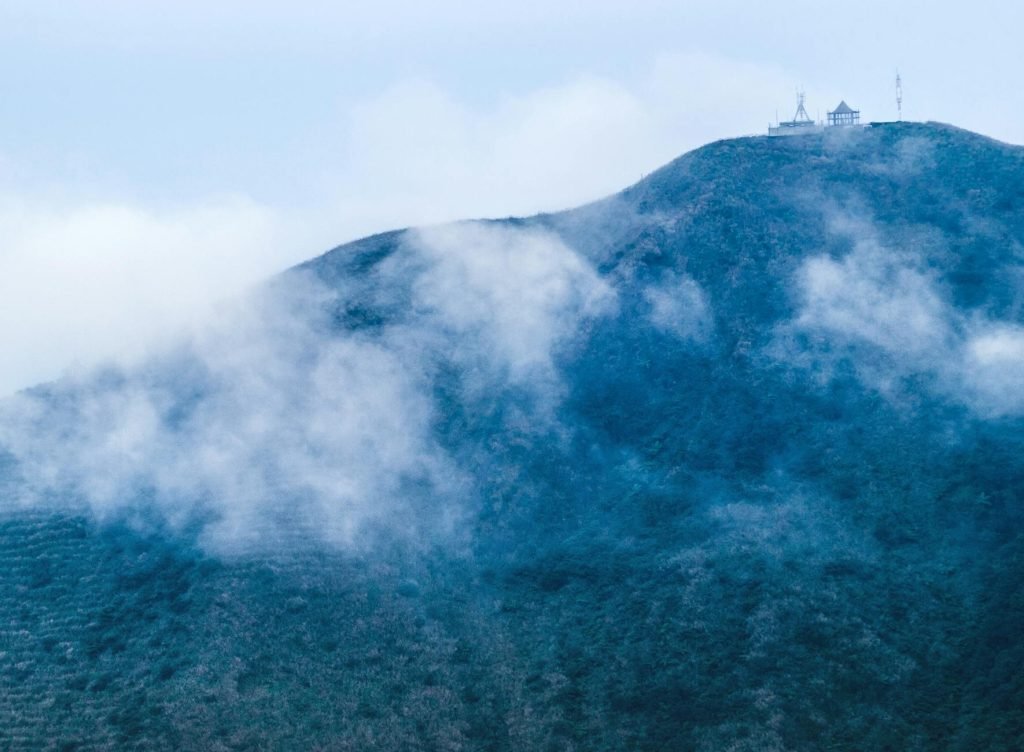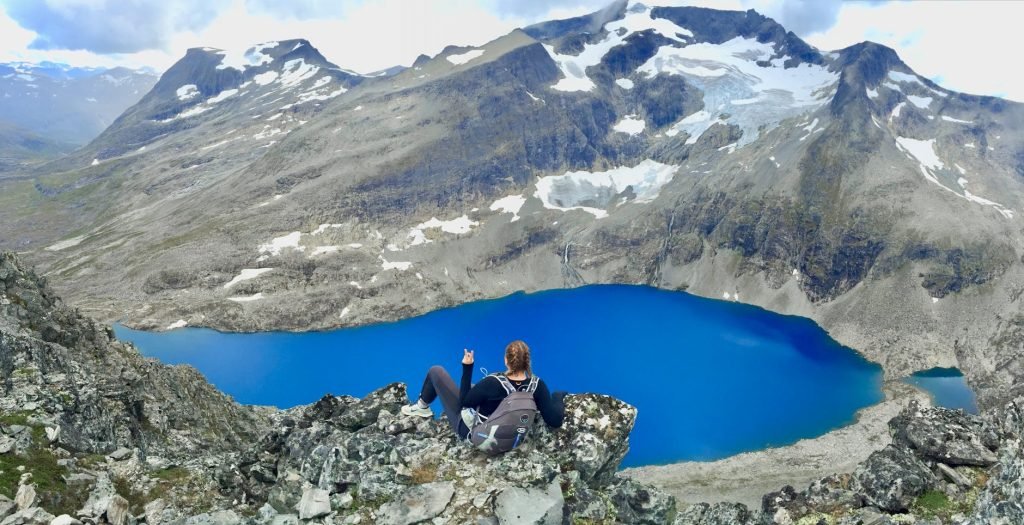
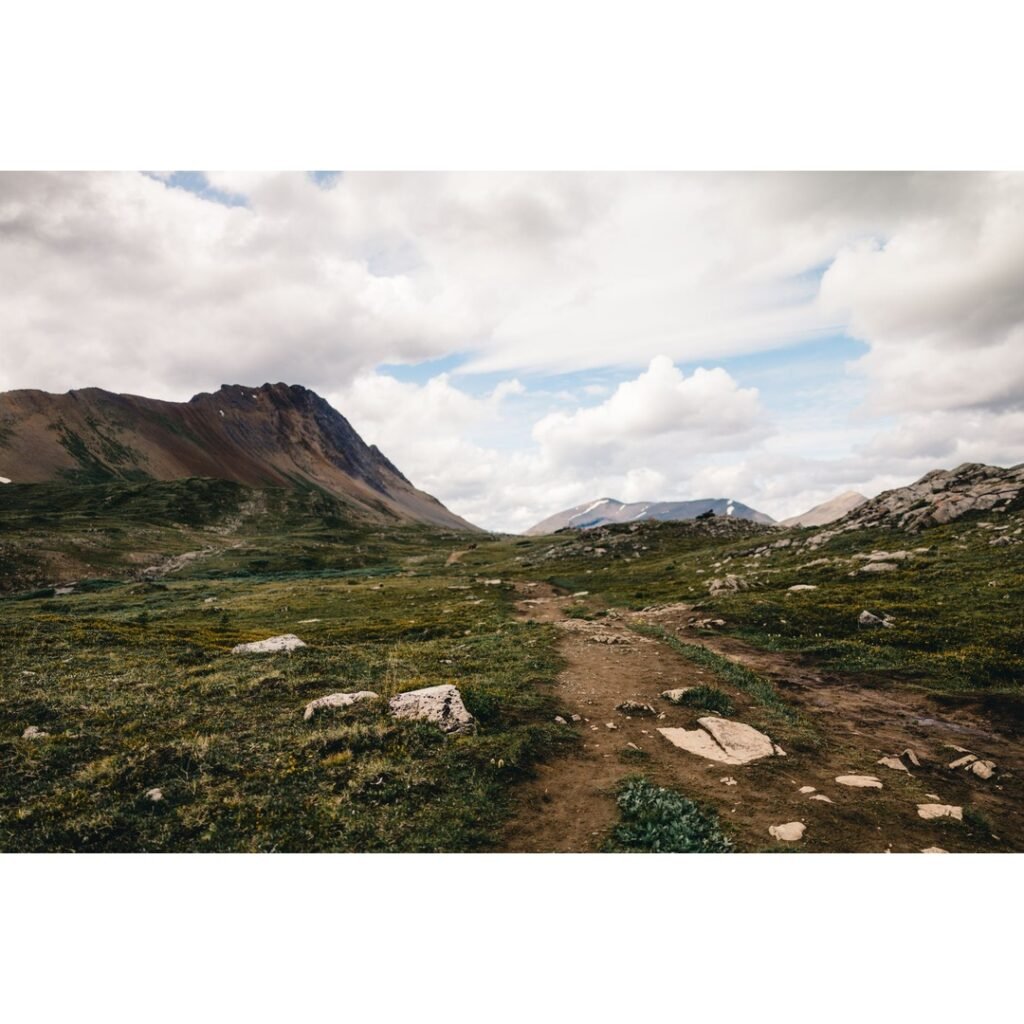
For those who seek solace and exhilaration in the embrace of towering peaks and pristine wilderness, hiking Jasper National Park Alberta offers an unparalleled experience. Nestled in the heart of the Canadian Rockies, Jasper is more than just a destination; it is a sanctuary where the raw power of nature inspires profound connection and unforgettable adventures. From glacial-fed lakes shimmering with impossible blues to ancient forests echoing with the calls of wildlife, every trail invites a deeper understanding of the natural world and our place within it.
This guide is crafted for the dedicated hiking enthusiast, providing insights and practical advice to help plan an immersive journey into Jasper’s vast backcountry and iconic day-hike landscapes. We believe that true adventure lies not just in conquering summits, but in the quiet moments of observation, the challenge of self-reliance, and the commitment to preserving the wild beauty that surrounds us.
Why Hike Jasper National Park Alberta? The Call of the Wild
Jasper National Park, a UNESCO World Heritage site, is the largest national park in the Canadian Rockies, spanning over 11,000 square kilometers (approximately 4,200 square miles). Its immense scale ensures a diversity of landscapes that captivate every hiker. Here, one can traverse alpine meadows bursting with wildflowers, explore deep canyons carved by millennia of water flow, and ascend to breathtaking viewpoints offering panoramic vistas of icefields and jagged peaks. The park’s commitment to conservation means a rich tapestry of wildlife thrives, offering glimpses of elk, bighorn sheep, mountain goats, and even bears in their natural habitat.
The sheer variety of trails caters to all levels of experience, from leisurely strolls suitable for families to multi-day backcountry expeditions demanding significant preparation and skill. What unites all these experiences is the profound sense of immersion in a landscape largely untouched by human development, fostering a deep appreciation for the planet’s wild places. The crisp mountain air, the scent of pine, and the sound of rushing rivers combine to create an environment that rejuvenates the spirit and challenges the body.
Planning Your Jasper Hiking Adventure: Essential Preparation
A successful and enjoyable hiking trip to Jasper National Park Alberta begins long before setting foot on the trail. Careful planning is paramount, ensuring both safety and a minimal impact on the environment.
When to Visit and Park Entry
- Summer (June to September): This is the most popular time for hiking, with most trails free of snow and generally stable weather. However, popular trails can be crowded, and accommodation books up quickly.
- Shoulder Seasons (May, October): Offers fewer crowds and unique beauty, but higher elevations may still have snow and weather can be unpredictable. Some facilities may have limited hours.
All visitors to Jasper National Park are required to purchase a Parks Canada Discovery Pass or a daily park pass. These passes can be purchased online, at park gates, or at Parks Canada visitor centers.
Gear and Supplies
Proper gear is crucial for comfort and safety in the mountains. Essential items include:
You might also enjoy: Discovering the Untamed Beauty: A Guide to Trails in Pacific Rim National Park Vancouver Island
- Layered Clothing: Weather in the mountains can change rapidly. Pack moisture-wicking base layers, insulating mid-layers, and a waterproof/windproof outer shell.
- Sturdy Hiking Boots: Ankle support and good grip are essential for varied terrain.
- Backpack: Sufficient capacity for water, food, extra layers, and safety gear.
- Navigation Tools: Map, compass, and/or a GPS device. Do not rely solely on phone apps, as signal can be unreliable.
- First-Aid Kit: Comprehensive enough for minor injuries and ailments.
- Bear Spray: Essential for personal safety in bear country. Know how to use it effectively.
- Water and Food: Carry more than you think you’ll need. Water filters or purification tablets are recommended for longer trips.
- Sun Protection: Hat, sunglasses, and sunscreen are vital, even on cloudy days.
- Headlamp/Flashlight: Even for day hikes, unexpected delays can lead to hiking in the dark.
Iconic Trails and Hidden Gems for Hiking in Jasper National Park
Jasper boasts an incredible network of trails, each offering a unique perspective on the park’s grandeur. Here are a few examples, ranging in difficulty and appeal:
Accessible and Moderate Trails
- Maligne Canyon Trail: This popular trail offers several loop options, ranging from 3.4 km (2.1 miles) to 4.8 km (3 miles) with minimal elevation gain. It provides stunning views into one of the deepest canyons in the Canadian Rockies, with bridges crossing the rushing Maligne River. It’s an excellent option for a shorter hike with dramatic scenery.
- Valley of the Five Lakes: A moderate 4.5 km (2.8 miles) loop trail with an elevation gain of about 160 meters (525 feet), this hike showcases five stunning turquoise and emerald-colored lakes. The varying shades of blue and green are a result of glacial rock flour suspended in the water. It’s a fantastic trail for photography and a relatively easy way to experience Jasper’s vibrant waters.
Challenging and Rewarding Hikes
- Sulphur Skyline Trail: A challenging 8 km (5 miles) round trip with a significant elevation gain of approximately 700 meters (2,300 feet), this trail leads to a panoramic viewpoint above the Miette Hot Springs. The reward for the strenuous climb is a breathtaking 360-degree vista of the Fiddle River Valley and surrounding peaks. Hikers often relax at the hot springs afterward.
- Bald Hills Trail: Located near Maligne Lake, this strenuous 10.4 km (6.5 miles) loop (or out-and-back) gains about 500 meters (1,640 feet) in elevation. It offers spectacular views of Maligne Lake and the surrounding mountains, including the iconic Spirit Island in the distance. The trail ascends through subalpine forest to open alpine meadows, often providing excellent opportunities for wildlife viewing.
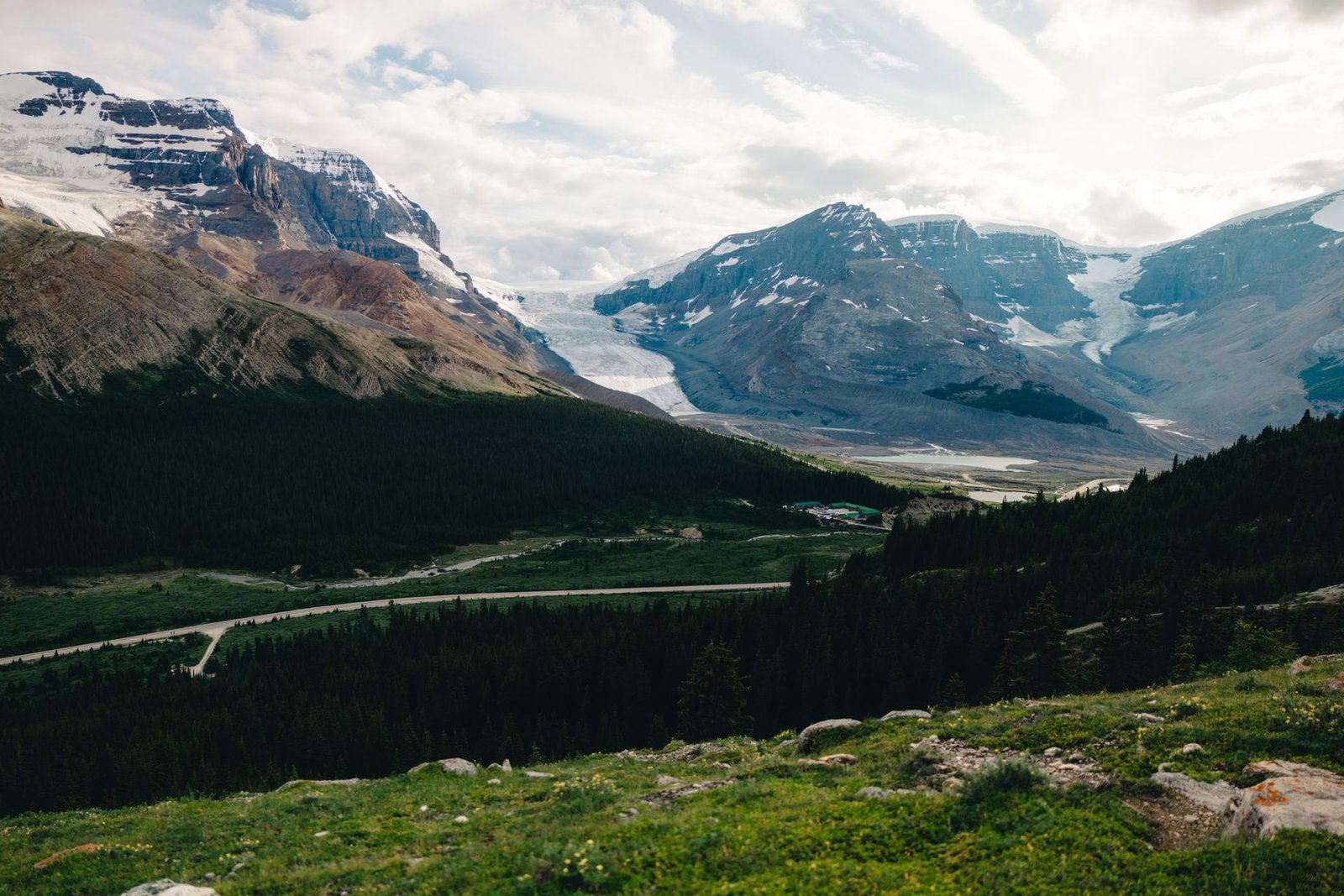
- Wilcox Pass Trail: A moderate-to-challenging 9.8 km (6.1 miles) out-and-back trail with an elevation gain of around 390 meters (1,280 feet), this hike offers incredible views of the Athabasca Glacier and the Columbia Icefield. It’s known for its unique “red chairs” viewpoint and is often considered one of the best ways to experience the icefields without specialized mountaineering gear.
Navigating the Wild: Safety and Environmental Stewardship
The beauty of Jasper National Park Alberta comes with responsibilities. Safety and environmental stewardship are paramount for any hiker.
Safety Considerations
- Tell Someone Your Plans: Always inform a trusted person of your itinerary, including your route, expected return time, and who is with you.
- Check Trail Conditions: Before heading out, check current trail conditions, weather forecasts, and any park advisories at a Parks Canada visitor center or online. Trails can be closed due to bear activity, rockslides, or other hazards.
- Wildlife Encounters: Jasper is bear country. Carry bear spray, know how to use it, and make noise while hiking to avoid surprising animals. Keep a safe distance from all wildlife and never feed animals. Learn about proper food storage in the backcountry.
- Weather Awareness: Mountain weather is highly unpredictable. Be prepared for sudden changes, including rain, snow, and temperature drops, even in summer.
- Stay on Marked Trails: This protects fragile ecosystems and prevents you from getting lost.
- Hydration and Nutrition: Carry ample water and high-energy snacks. Dehydration and lack of fuel can lead to fatigue and poor decision-making.
Environmental Stewardship: Leave No Trace Principles
As visitors to this magnificent wilderness, we have a collective responsibility to protect it. Adhering to the Leave No Trace principles ensures that Jasper remains pristine for future generations:
- Plan Ahead and Prepare: Know the regulations and special concerns for the area you’ll visit.
- Travel and Camp on Durable Surfaces: Stick to established trails and campsites.
- Dispose of Waste Properly: Pack it in, pack it out. This includes all garbage, food scraps, and even toilet paper.
- Leave What You Find: Do not disturb natural objects, artifacts, or plants.
- Minimize Campfire Impacts: Use established fire rings, keep fires small, and ensure they are completely extinguished. In many areas, fires are prohibited.
- Respect Wildlife: Observe from a distance, never feed animals, and store food securely.
- Be Considerate of Other Visitors: Yield to uphill hikers, keep noise levels down, and allow others to enjoy the solitude of nature.
Beyond the Trailhead: Deepening Your Connection
As experienced hikers, we’ve learned that the true essence of hiking Jasper National Park Alberta lies not just in the physical exertion, but in the profound connection forged with the natural world. There’s a particular magic in the Canadian Rockies that encourages introspection and a sense of belonging. We recall a crisp autumn morning on the Bald Hills trail, watching the first rays of sun ignite the peaks around Maligne Lake. The silence was absolute, broken only by the crunch of our boots on frost-kissed earth and the distant call of a raven. It was a moment of pure, unadulterated presence, a reminder of the immense power and delicate balance of the ecosystem.
Another memory takes us to the Valley of the Five Lakes, where the vibrant hues of the water seemed to shift with every cloud passing overhead. It was a gentle hike, yet deeply impactful, illustrating how even accessible trails can offer profound beauty and a chance to slow down and truly observe. These experiences reinforce the understanding that we are not merely observers but participants in this grand natural theater. Each step taken with respect and awareness deepens our appreciation for the wild spaces that remain.
You might also enjoy: Conquer the Coastal Majesty: Your Guide to Hiking Cinque Terre Italy Coastal Trails
Conclusion: Answer the Call of Jasper
Hiking Jasper National Park Alberta is an invitation to step away from the ordinary and immerse oneself in the extraordinary. It is a journey that promises not only breathtaking scenery and physical challenge but also a unique opportunity for self-discovery and a renewed connection with the natural world. Whether you seek the solitude of a remote alpine ridge or the vibrant energy of a popular viewpoint, Jasper’s trails offer an adventure for every enthusiast.
Prepare diligently, respect the wilderness, and embrace the spirit of exploration. The mountains are calling, and a lifetime of memories awaits in the majestic heart of the Canadian Rockies. What trail will you explore first?
Frequently Asked Questions
What is the best time of year for hiking in Jasper National Park?
The best time for hiking in Jasper National Park is generally from June to September, when most trails are snow-free and the weather is typically warmer and more stable. However, July and August are the busiest months, so consider early June or late September for fewer crowds.
Do I need a permit to hike in Jasper National Park?
Yes, all visitors to Jasper National Park are required to purchase a Parks Canada Discovery Pass or a daily park pass. If you plan to do overnight backcountry hiking, you will also need a separate backcountry permit, which often requires reservations.
What wildlife might I encounter while hiking in Jasper?
Jasper National Park is home to a diverse array of wildlife, including elk, bighorn sheep, mountain goats, deer, coyotes, and various bird species. Black bears and grizzly bears are also present, making bear safety precautions essential for all hikers.
Are there any easy hikes suitable for beginners in Jasper National Park?
Yes, Jasper offers several easy and moderate hikes perfect for beginners or those looking for a less strenuous experience. Popular options include the Maligne Canyon Trail (various loops), the Valley of the Five Lakes, and sections of the Athabasca River Loop.
Related Adventures
- Discovering the Untamed Beauty: A Guide to Trails in Pacific Rim National Park Vancouver Island
- Conquer the Coastal Majesty: Your Guide to Hiking Cinque Terre Italy Coastal Trails
- Unveiling the Majesty: Your Ultimate Guide to Hiking Routes in the Swiss Alps
⚠️ Safety Notice: This content is for informational purposes only. Always consult local guides and operators, verify current conditions, and ensure appropriate skills and certifications before any outdoor activity. DiveBikeHike is not responsible for injuries or incidents.