As a dive master with years of exploring the ocean’s most spectacular corners, it is rare to find a place that truly feels like an untouched frontier. Yet, Timor Leste, a young nation cradled within the illustrious Coral Triangle, offers just that. For scuba diving enthusiasts, the allure of coral triangle diving Timor Leste is not just in its vibrant reefs, but in the profound sense of discovery that accompanies every descent into its crystal-clear waters.
Timor Leste, also known as East Timor, is a destination that has quietly preserved its marine treasures, making it a dream for those who yearn for authentic, uncrowcrowded diving. This guide aims to illuminate the wonders awaiting beneath the surface, offering practical advice, safety considerations, and a glimpse into what makes this corner of the Coral Triangle truly special.
Timor Leste: A Gem in the Coral Triangle
Timor Leste’s strategic location within the Coral Triangle is the primary reason for its extraordinary marine biodiversity. This vast marine region, often dubbed the “Amazon of the Seas,” encompasses the tropical waters of six countries and is recognized as the global epicenter of marine biodiversity. It boasts an astounding concentration of marine life, including over 76% of the world’s shallow-water reef-building coral species and 37% of its reef fish species. Timor Leste, situated at the southwestern edge of this biological hotspot, benefits from deep ocean waters and nutrient-rich currents, particularly the Indonesian Throughflow, which fuel its incredibly productive ecosystems.
What sets Timor Leste apart is its relatively undeveloped tourism infrastructure compared to its more famous neighbors. This means fewer divers, healthier reefs, and a more intimate connection with the underwater world. The country’s commitment to conservation, including the establishment of marine protected areas and the use of customary law like Tara Bandu, further safeguards these pristine environments for future generations.
Exploring the Underwater Wonders: Dive Sites for Coral Triangle Diving Timor Leste
The diving landscape of Timor Leste is diverse, offering everything from accessible shore dives to exhilarating boat trips to remote islands. The main diving areas can be broadly categorized into three regions: the capital Dili and its surroundings, Atauro Island, and the eastern coastal areas including Com and Jaco Island.
Dili and Coastal Shore Dives
For divers based in the capital, Dili offers surprisingly excellent and easily accessible shore diving. Many sites are just a short drive from the city, allowing for flexible dive schedules. These sites often feature a mix of vibrant coral gardens and fascinating muck diving opportunities, perfect for macro enthusiasts.
- Cristo Rei: Located a few kilometers east of Dili, at the base of the iconic Jesus statue, Cristo Rei is a popular spot for both day and night dives. It offers a reasonable day dive and an excellent night dive, with relatively easy entry at high tide.
- Tasi Tolu: Meaning “Three Seas,” Tasi Tolu is renowned as Timor Leste’s premier muck diving location. Here, divers can search for unique critters like seahorses, nudibranchs, and various photographer favorites amidst a mostly sandy bottom, often with seagrass beds that attract dugongs.
- Dili Rock: Situated near Tasi Tolu, Dili Rock offers a combination of critter spotting and beautiful coral gardens. It’s known for its easy access and good conditions, with a variety of sandy bottoms and excellent corals.
- Pertamina Jetty: Close to the city center, this site is a surprising gem for muck diving, known for its diverse critters, octopus, and schooling batfish.
Further along the northern coast, both east and west of Dili, lie additional shore diving opportunities such as K41, Secret Garden, and Lone Tree, offering beautiful fringing reefs. These sites often feature small, photogenic sponge gardens and an abundance of reef fish.
Atauro Island: The World’s Most Biodiverse Reefs
A short boat ride north of Dili, Atauro Island is often hailed as the crown jewel of Timor Leste diving. A 2016 Conservation International survey famously recorded the highest average number of reef fish species per site anywhere on Earth around Atauro, with an average of 253 species. This incredible biodiversity is attributed to the island’s unique topography, deep surrounding waters, and nutrient-rich upwellings from the Ombai and Wetar Straits.
Atauro offers a variety of dive experiences, primarily accessed by boat:
- Haruina: Located on the east side of the island, Haruina is characterized by dramatic walls and a sloping reef, famous for drift diving and its exceptional biodiversity.
- Adara Wall: On the west side, this site is celebrated for its amazing topography, with drop-offs starting just meters from the beach. The walls are covered in soft corals and huge sponges, attracting various schools of fish.
- Watuwai: This dive site is known for both macro and micro-organisms. Divers might spot blue-spotted stingrays and turtles resting under table corals.
- Big Fish: As its name suggests, this site is known for larger pelagic species like sharks, tunas, and giant trevally. It can experience strong and unpredictable currents, making it more suitable for experienced divers.
The reefs around Atauro typically begin with broad coral slopes, rich in hard corals and reef structure, before transitioning into steeper drop-offs and open blue water, creating expansive reef faces ideal for exploration.
You might also enjoy: Discover the Unparalleled Coral Reefs of Raja Ampat, Indonesia: A Diver’s Quick Guide
Com and Jaco Island
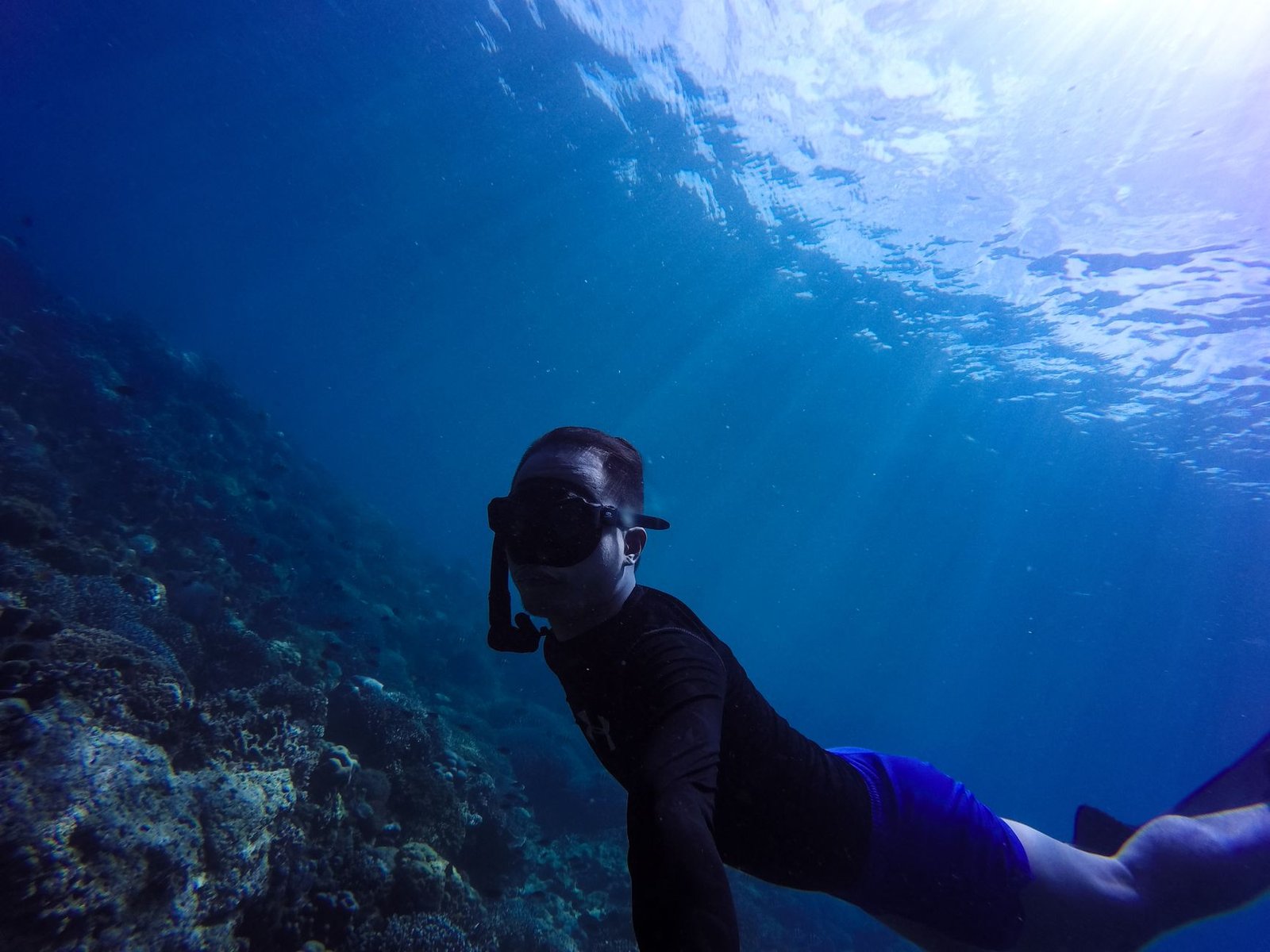
At the far eastern end of Timor Leste lies the Com coastline and the sacred Jaco Island. This area also offers pristine diving, though it is less frequently visited than Dili or Atauro. Jaco Island, part of the Nino Konis Santana National Park, is an uninhabited island revered by locals, offering a truly remote and serene diving experience. Dive sites here include Com Pier and Jaco Island South.
Marine Life Encounters in Timor Leste
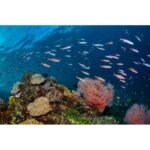
The sheer abundance and diversity of marine life encountered during diving in Timor Leste are truly breathtaking. Divers can expect to see a kaleidoscope of colorful hard and soft corals, sponges, and fans.
Reef fish are plentiful, with large schools of fusiliers, snappers, surgeonfish, anthias, butterflyfish, angelfish, wrasse, parrotfish, triggerfish, and damselfish gracing the reefs. For those with a keen eye for the small and unusual, the macro life is equally captivating, featuring nudibranchs in an array of colors, various shrimps, crabs, pipefish, and even the elusive blue-ringed octopus.
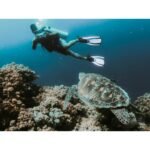
Pelagic encounters are also a highlight, especially in the deeper waters and during migration seasons. Divers may spot tuna, mackerel, trevallies, groupers, and reef sharks. Timor Leste’s waters are also a significant migration route for cetaceans. From approximately October to December, the Ombai and Wetar Straits become a superhighway for whales and dolphins, including pygmy blue whales, humpbacks, sperm whales, killer whales, and various dolphin species. Turtles (six of the world’s seven marine turtle species) and manta rays are also frequently sighted, and lucky divers might even encounter the more elusive dugongs, particularly in areas with seagrass beds.
Planning Your Coral Triangle Diving Timor Leste Adventure
Best Time to Visit
The dry season, running from approximately May to November, is generally considered the best time for Timor Leste scuba diving. During these months, divers can expect calmer seas, more predictable weather, and excellent visibility, often exceeding 20-30 meters and sometimes reaching up to 40-50 meters. While diving is possible year-round, the wet season (December to April) can bring increased rainfall, rougher seas, and reduced visibility due to runoff. Water temperatures remain consistently warm throughout the year, typically ranging from 26-29°C (80-84°F), making a 3mm wetsuit or even a rash guard sufficient for most divers.
Logistics and Accommodation
International flights to Timor Leste typically arrive in Dili, often via Bali (Indonesia), Singapore, or Darwin (Australia). Upon arrival, local dive operators in Dili can arrange shore dives or boat trips to Atauro Island. Accommodation options range from guesthouses in Dili to eco-resorts on Atauro. As tourism infrastructure is still developing, it is advisable to book tours and accommodation in advance, especially during peak season (July-September).
Local Dive Operators
Several experienced dive operators in Dili offer a range of services, including shore and boat dives, PADI courses, and overnight dive safaris. They provide equipment rental, knowledgeable guides, and transport to dive sites. Engaging with local operators not only ensures a safe and well-planned dive experience but also supports the local economy and conservation efforts.
Safety First: Essential Considerations for Divers
While the allure of untouched reefs is strong, safety must always be paramount. Divers exploring Timor Leste should be aware of specific considerations:
You might also enjoy: Unveiling the Ghost Fleet: An Ultimate Guide to Wreck Diving in Truk Lagoon Micronesia
- Hyperbaric Chamber: Timor Leste does not have a hyperbaric chamber. The nearest recompression facility is in Darwin, Australia. This critical fact necessitates conservative diving practices. Always plan profiles with generous safety margins, avoid pushing depth or bottom time limits, and perform safety stops. It is crucial to adhere to the 24-hour no-fly period after your last dive.
- Diving Insurance: Comprehensive diving insurance, such as DAN (Divers Alert Network) or an equivalent, is non-negotiable. Ensure your policy explicitly covers emergency medical evacuation, as this can be costly and time-consuming.
- Currents: The deep waters surrounding Timor Leste, particularly in the Ombai and Wetar Straits, can generate strong and sometimes unpredictable currents. Always check tidal predictions and heed the advice of local dive guides, who are experienced with local conditions.
- Crocodile Awareness: Saltwater crocodiles inhabit some coastal areas of Timor Leste. While Atauro Island and the Cristo Rei beach area are generally considered safe for swimming and diving, it is crucial to avoid water entry in known crocodile habitats, such as around Com, Valu Beach near Tutuala, south-coast river mouths, Metinaro, and Hera. Always check with locals before entering the water in unfamiliar areas.
- Health and Hydration: Timor Leste has a hot and humid climate. Stay hydrated by drinking plenty of bottled water, as tap water is generally not safe to drink unless treated. Medical facilities are limited, especially outside Dili, so a well-stocked personal medical kit is recommended. Consult your doctor regarding necessary vaccinations before your trip.
- Environmental Responsibility: Practice responsible diving by maintaining excellent buoyancy control, avoiding contact with corals, and never collecting marine life. Support local conservation efforts by choosing eco-conscious operators and minimizing your environmental footprint.
Personal Insights: A Dive Master’s Perspective on Timor Leste
As Marina Hayes, an experienced dive master, the waters of Timor Leste hold a special place in our hearts. We have explored countless reefs across the globe, but the raw, untamed beauty of coral triangle diving Timor Leste is truly unique. It is not just about the incredible biodiversity, which is indeed world-class, but the feeling of being a true explorer. There are no crowds, no queues for dive sites; often, we find ourselves with an entire coral wall to ourselves, a luxury rarely afforded in other renowned diving destinations.
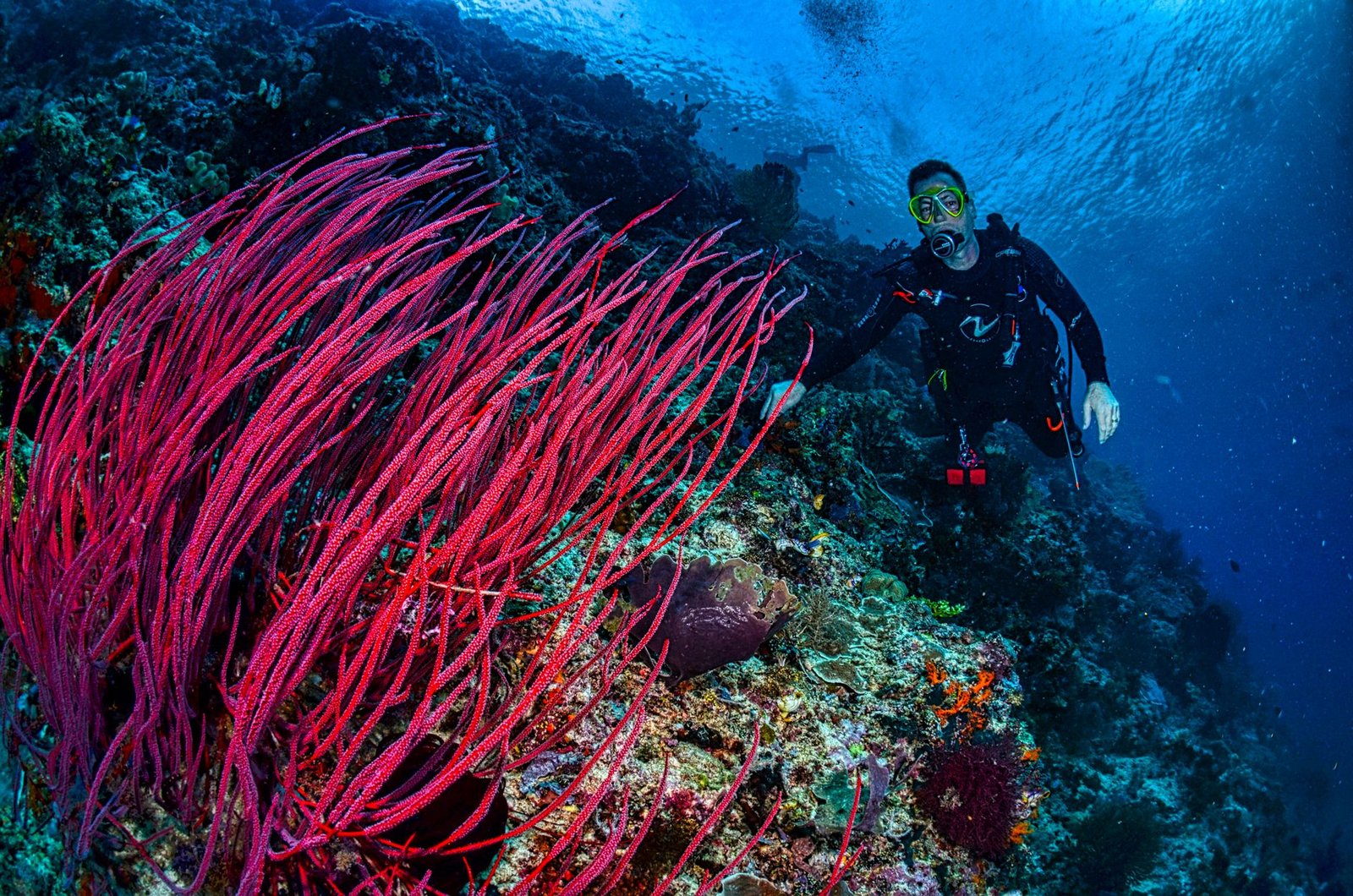
We recall a particular dive off Atauro Island, drifting along a vibrant wall teeming with fusiliers, snappers, and trevallies. The soft corals pulsed with life, and macro critters, from tiny nudibranchs to camouflaged pipefish, revealed themselves with patience. The visibility was exceptional, allowing us to appreciate the sheer scale of the healthy reef system. It was a profound reminder of what pristine marine environments can truly be. The deep connection to the open ocean, with nutrient-rich upwellings, makes these reefs feel incredibly alive and dynamic.
The local communities and their growing involvement in marine conservation are also inspiring. Witnessing the dedication to protecting these precious ecosystems adds another layer of appreciation to the diving experience. This is a place where every dive feels like a privilege, a journey into a world that is still largely wild and wondrous.
Conclusion: Your Next Unforgettable Dive Adventure Awaits
Timor Leste stands as a testament to the enduring power and beauty of the natural world, offering a unique and deeply rewarding experience for the adventurous diver. Its position within the Coral Triangle guarantees a marine spectacle of unparalleled biodiversity, from vibrant coral gardens and bustling reef ecosystems to encounters with majestic pelagics and elusive macro life. The opportunity for coral triangle diving Timor Leste is more than just a trip; it is an immersion into one of the planet’s last true underwater frontiers.
For those ready to step off the well-trodden path and discover a diving destination that promises authenticity, breathtaking beauty, and a profound connection with the ocean, Timor Leste awaits. Start planning your adventure today, and prepare to be captivated by the extraordinary depths of this remarkable nation.
Frequently Asked Questions
What makes Timor Leste a special diving destination within the Coral Triangle?
Timor Leste is special due to its location at the heart of the Coral Triangle, benefiting from deep, nutrient-rich waters that foster exceptional marine biodiversity. It offers pristine, uncrowded reefs, a wide variety of dive sites from shore to remote islands, and a strong sense of discovery due to its emerging tourism.
When is the best time of year to go scuba diving in Timor Leste?
The best time for scuba diving in Timor Leste is generally during the dry season, from May to November. This period offers the calmest seas, best weather conditions, and excellent visibility, often exceeding 20-30 meters.
Are there any specific safety concerns for divers in Timor Leste?
Yes, divers should be aware that Timor Leste does not have a hyperbaric chamber, with the nearest facility in Darwin, Australia, making comprehensive dive insurance for emergency evacuation essential. Strong currents can occur, and saltwater crocodiles are present in some coastal areas, so always consult with locals about safe water entry points.
What kind of marine life can divers expect to see in Timor Leste?
Divers in Timor Leste can expect to see abundant hard and soft corals, a vast array of reef fish, and diverse macro critters like nudibranchs and seahorses. Encounters with pelagic species such as reef sharks, manta rays, turtles, and various whales and dolphins during migration season are also common.
Related Adventures
- Discover the Unparalleled Coral Reefs of Raja Ampat, Indonesia: A Diver’s Quick Guide
- Unveiling the Ghost Fleet: An Ultimate Guide to Wreck Diving in Truk Lagoon Micronesia
- Philippines Whale Sharks: Your Ultimate Guide to Diving with Gentle Giants
⚠️ Safety Notice: This content is for informational purposes only. Always consult local guides and operators, verify current conditions, and ensure appropriate skills and certifications before any outdoor activity. DiveBikeHike is not responsible for injuries or incidents.