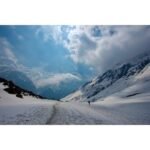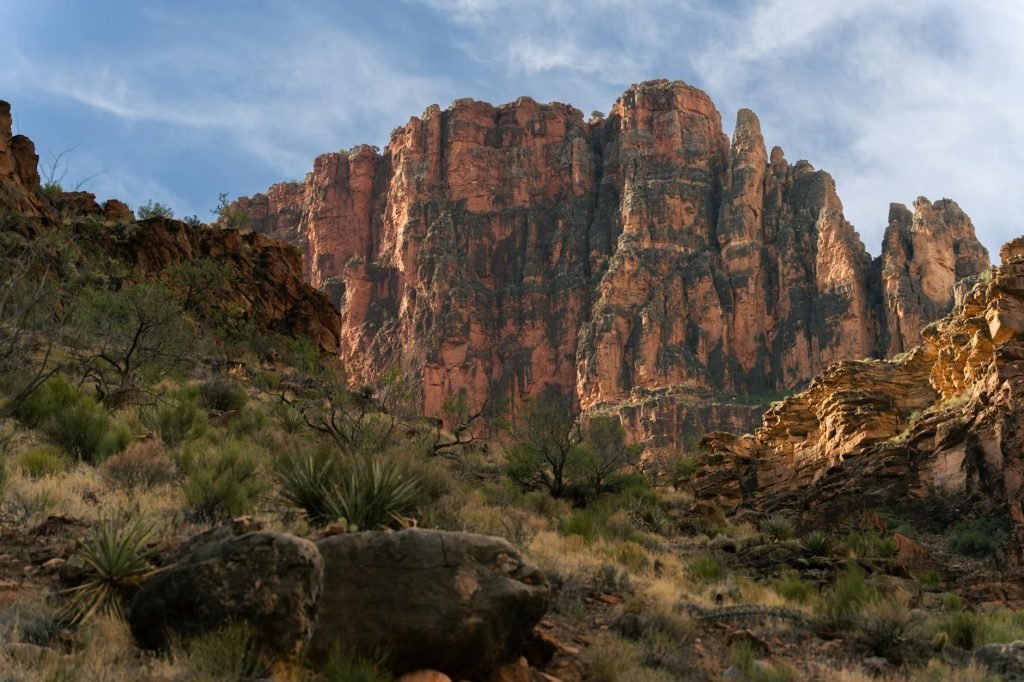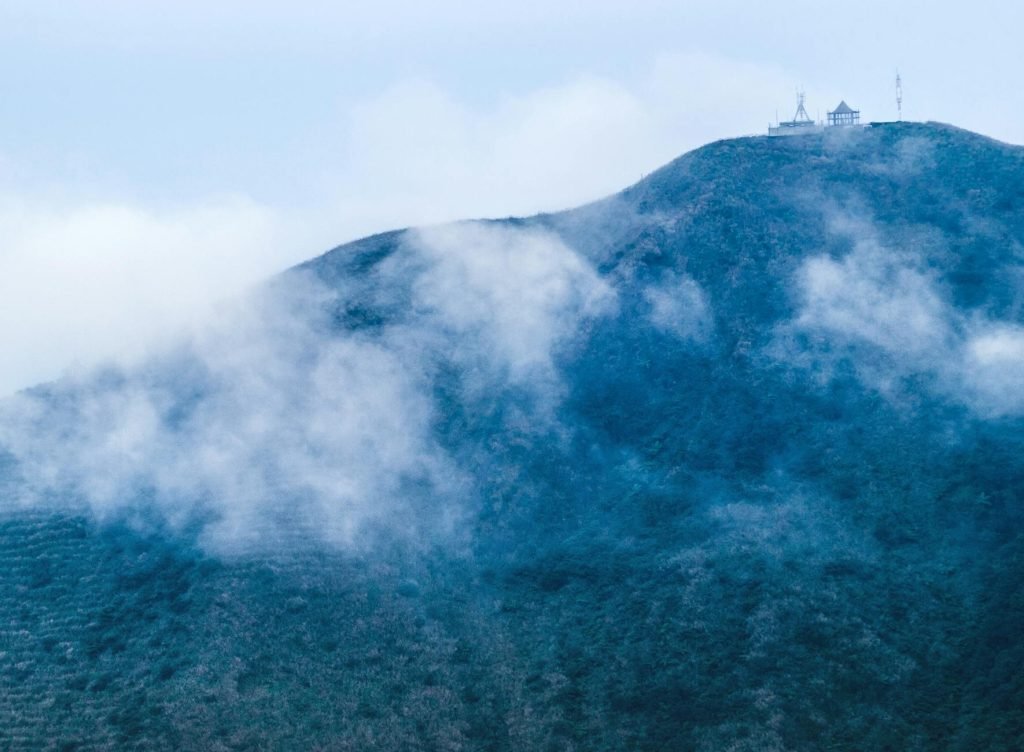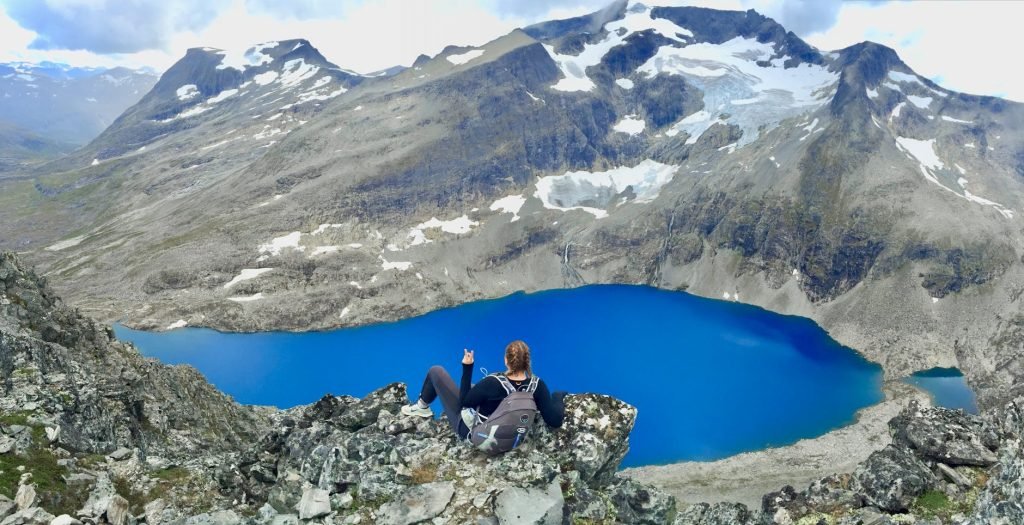
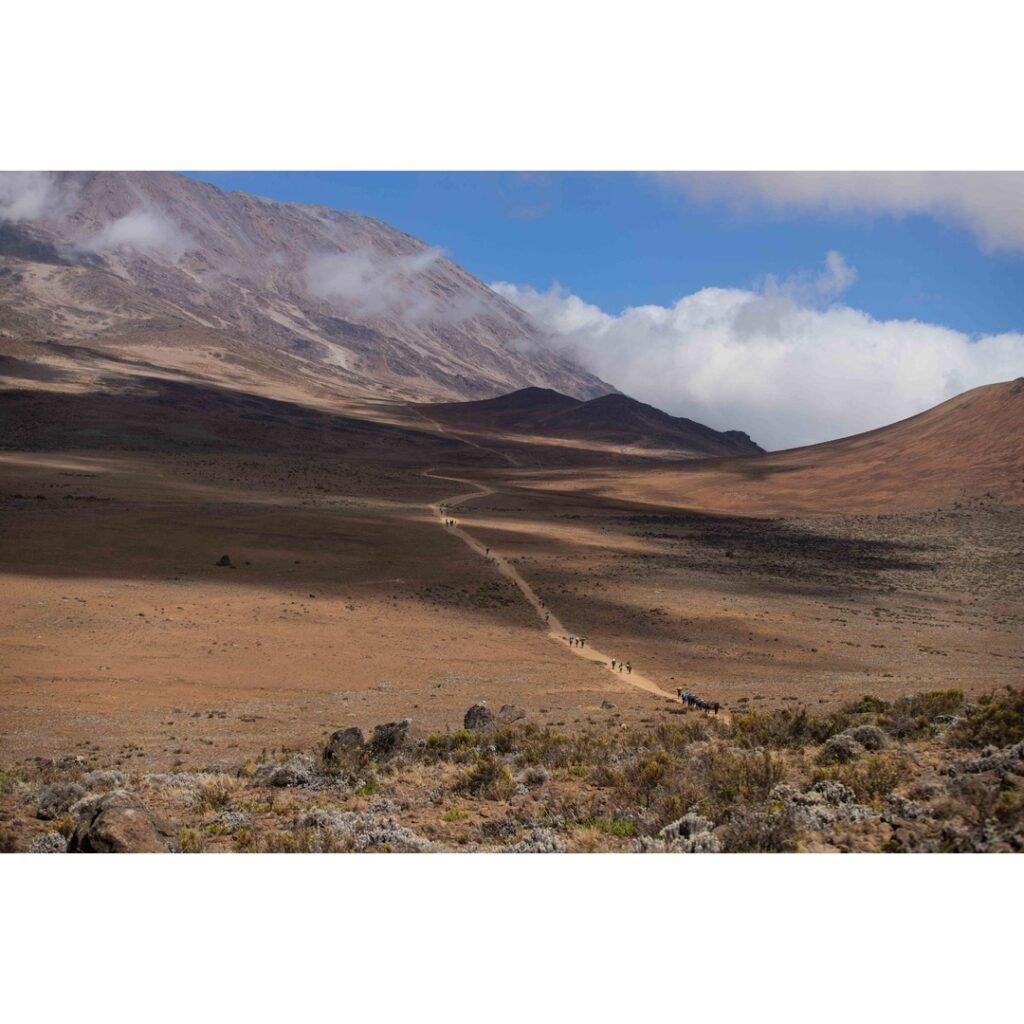
Rising majestically from the heart of Kenya, Mount Kenya stands as Africa’s second-highest peak, a formidable and captivating challenge for hiking enthusiasts worldwide. Its jagged, glacier-clad summits, lush forests, and unique Afro-alpine ecosystems offer an expedition unlike any other. For those drawn to the allure of high-altitude trekking and a profound connection with nature, embarking on a journey hiking Mount Kenya Africa promises an unforgettable adventure, a testament to endurance, and a reward of breathtaking panoramas.
This comprehensive guide is crafted for the avid hiker, providing deeper analysis, detailed comparisons, and practical advice to ensure a safe, successful, and deeply enriching experience. We will explore the mountain’s unique geography, dissect the popular trekking routes, outline crucial preparation, and emphasize the vital aspects of safety and environmental responsibility.
The Majestic Heart of Kenya: Mount Kenya’s Unique Landscape and Ecosystems
Mount Kenya is not merely a mountain; it is a world unto itself, a colossal stratovolcano formed approximately 3 million years ago. Once towering potentially over 6,000 meters, erosion and successive periods of glaciation have sculpted its dramatic, rugged peaks and U-shaped valleys, leaving behind a landscape of unparalleled beauty. Situated just 16.5 kilometers south of the equator, the mountain defies its tropical location by hosting a series of remnant glaciers, with the Lewis Glacier being the largest.
The mountain’s immense elevation, ranging from 1,200 meters on its northern plains to 5,199 meters at Batian Peak, creates a dramatic vertical climate gradient, resulting in a “mountain climate island” that transitions from humid equatorial forest to polar-like conditions near its summit. This vertical zonation gives rise to distinct vegetation bands, each supporting unique flora and fauna:
- Montane Forest Zone (1,800m – 2,500m): The journey often begins in this lush, humid rainforest, teeming with life. Here, trekkers might encounter African elephants, Cape buffalo, and various monkey species like the black-and-white colobus, alongside a rich diversity of birds. Dominant trees include Podocarpus latifolius and Juniperus procera.
- Bamboo Zone (2,500m – 3,200m): As elevation increases, the forest transitions into dense bamboo thickets, particularly prominent on the wetter eastern and southeastern slopes. This zone, while peaceful, can be challenging with its limited visibility and sometimes slippery paths. Bushbucks and duikers are known to inhabit this area.
- Heath and Moorland Zone (3,200m – 4,000m): Beyond the bamboo, the landscape opens dramatically into heathland and moorland, characterized by giant heather, tussock grasses, and unique flowering plants like Protea kilimandscharica. Temperatures drop, and the terrain becomes rockier, offering expansive views.
- Afro-Alpine Zone (4,000m – 4,600m): This high-altitude desert is perhaps the most iconic, featuring bizarre and beautiful giant rosette plants such as giant senecios (Dendrosenecio keniodendron) and giant lobelias (Lobelia telekii, Lobelia keniensis), which have adapted to extreme diurnal temperature variations. Smaller mammals like the Mount Kenya hyrax and common duiker are found here, along with birds like sunbirds and raptors.
- Nival Zone (Above 4,600m): The final push to the summit enters the nival zone, a stark realm of bare rock, glaciers, and permanent ice fields. Vegetation is almost non-existent, with only lichens and mosses clinging to life. This is the realm of the highest peaks: Batian (5,199 m), Nelion (5,188 m), and Point Lenana (4,985 m). While Batian and Nelion require technical climbing skills, Point Lenana is the primary trekking summit.
Choosing Your Path: Popular Routes for Hiking Mount Kenya Africa
Three main routes cater to the vast majority of trekkers hiking Mount Kenya Africa: Sirimon, Naro Moru, and Chogoria. Each offers a distinct experience, varying in scenery, difficulty, and typical duration. Many trekkers opt for a combination of these routes, ascending one and descending another, to maximize their experience and witness the mountain’s diverse facets.
The Sirimon Route: A Gradual Ascent for Acclimatization
Approaching from the northwest, the Sirimon Route is widely regarded as one of the easier and most popular routes due to its relatively gradual and steady ascent, making it excellent for acclimatization. This route offers some of the finest forest walking, passing through stands of Cedar and Podocarpus trees, followed by giant St. John’s Wort and bamboo thickets. The Sirimon route is approximately 15 kilometers long to Shipton’s Camp and typically takes 4-5 days to reach Point Lenana.
Key features include:
- Old Moses Camp (3,300m): Often the first overnight stop, reached after a trek of about 9-10 km from the Sirimon Gate.
- Mackinder Valley: A spectacular U-shaped valley offering panoramic views towards the main peaks. The valley is home to classic Mount Kenya flora like giant lobelia and groundsel.
- Shipton’s Camp (4,200m – 4,250m): A permanent camp nestled beneath the main peaks, serving as a base for the summit push.
The Sirimon route is highly recommended for less experienced climbers due to its steady altitude gain and scenic beauty.
The Naro Moru Route: The Fastest Path to the Summit
The Naro Moru Route, approaching from the west, is known for being the fastest and most direct route to Point Lenana. While less scenic than Chogoria, it offers a challenging and rewarding experience, often completed in 3-4 days. The initial section involves a vehicle track through dense tropical forest and bamboo, which can be notoriously muddy, often referred to as the “vertical bog.”
Highlights of the Naro Moru route include:
- Met Station (3,050m): The first hut, accessible by a vehicle track.
- Teleki Valley: A wide valley leading towards Mackinder’s Camp, offering views of the Tyndall Glacier.
- Mackinder’s Camp (4,200m): A crucial camp before the summit attempt.
The Naro Moru route is popular for its efficiency, but trekkers should be prepared for its demanding terrain, especially the “vertical bog.”
The Chogoria Route: A Journey Through Unrivaled Scenery
Often hailed as the most scenic and visually dramatic route, the Chogoria Route approaches Mount Kenya from the southeast. This route is longer and more gradual, typically taking 5 days, which aids in acclimatization and allows for a deeper appreciation of the mountain’s diverse landscapes. It offers a sense of solitude and passes through a remarkable array of ecosystems, from dense forest to high moorland, dotted with stunning lakes and tarns.
You might also enjoy: Conquering the Roof of Africa: Your Ultimate Guide to Hiking Mount Kilimanjaro Tanzania
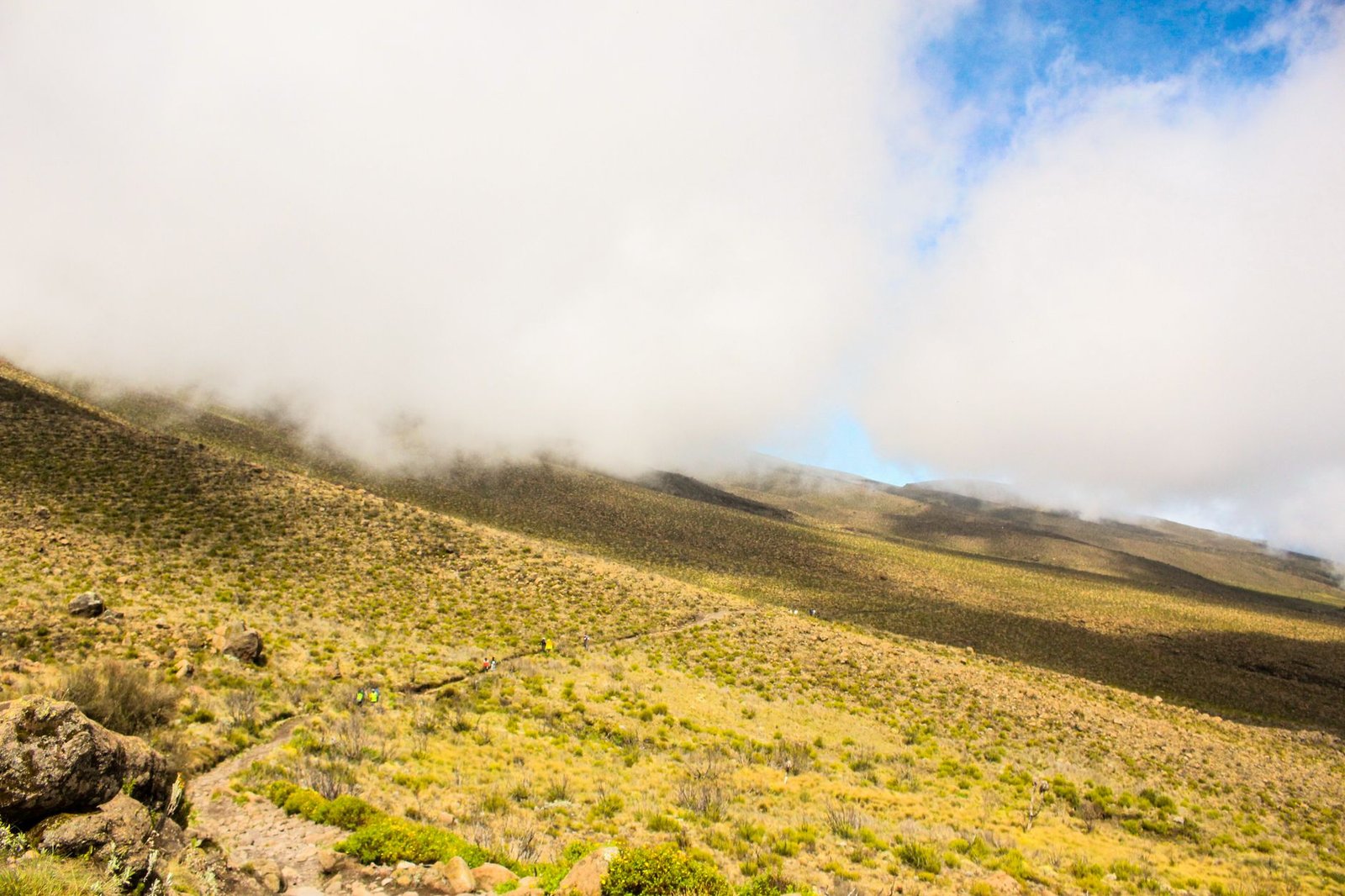
Notable features along the Chogoria route include:
- Meru Bandas (2,950m): Often the first overnight stop, reached after a 4×4 transfer and a hike through the forest.
- Gorges Valley: A magnificent glacial valley with sheer cliffs and waterfalls.
- Lake Ellis and Lake Michaelson: Two iconic, pristine alpine lakes that offer breathtaking photographic opportunities.
- Hall Tarns (4,230m): Situated on a plateau above Lake Michaelson, providing stunning views.
- Mintos Hut (4,200m): A high-altitude camp offering strategic positioning for the summit push.
The Chogoria route is ideal for those who prioritize landscape photography and a more immersive, less crowded experience.
Practical Preparation for Your Mount Kenya Expedition
Successful hiking Mount Kenya Africa demands thorough preparation, encompassing physical fitness, appropriate gear, and a clear understanding of the mountain’s unique challenges.
Optimal Timing: When to Hike Mount Kenya Africa
The best time for hiking Mount Kenya Africa is during the dry seasons: January to February and July to October. These periods offer clearer skies, reduced rainfall, and more stable climbing conditions, significantly enhancing visibility and reducing the risks associated with slippery or muddy trails. While January to February can be warmer, July to September tends to be slightly cooler with potentially fewer climbers. It is advisable to avoid the two rainy seasons, which typically run from mid-March to June and from late October to the end of December, as conditions can become challenging and hazardous.
Physical Conditioning: Building Endurance and Resilience
Hiking Mount Kenya Africa, particularly to Point Lenana, requires a good level of physical fitness. Trekkers should engage in regular cardiovascular exercise, such as running, cycling, or swimming, for at least 6-8 weeks prior to the expedition. Incorporating strength training, especially for legs and core, and long-distance hikes with a weighted pack will build the endurance needed for sustained ascents and descents over varied terrain. Practicing hiking on uneven ground and at inclines will also prove beneficial.
Essential Gear: Equipping for the Alpine Environment
The unpredictable equatorial alpine climate of Mount Kenya necessitates a comprehensive gear list to manage significant temperature fluctuations, from warm days to freezing nights. A layered clothing system is crucial for adapting to changing conditions.
- Clothing:
- Base Layers: Moisture-wicking thermal tops and bottoms (medium and heavyweight).
- Mid-Layers: Fleece jackets and pants for warmth.
- Outer Layers: A windproof, waterproof, and breathable jacket (e.g., Gore-Tex parka) and waterproof pants.
- Insulation: A warm down or synthetic puffer jacket for cold evenings and summit night.
- Headwear: Warm hat (beanie), sun hat, and a bandana or buff.
- Handwear: Lightweight liner gloves, softshell gloves, and insulated shell gloves or expedition mitts for severe cold.
- Footwear:
- Sturdy, waterproof, and well-broken-in hiking boots with good ankle support.
- Multiple pairs of wool or synthetic hiking socks and liner socks.
- Gaiters to keep debris and moisture out of boots.
- Sleeping Gear:
- A 3-4 season sleeping bag rated for comfort at -5°C or lower.
- An insulated sleeping pad (self-inflating and closed-cell foam for extra warmth).
- Other Essentials:
- Rucksack (65-75 liters for porters) and a daypack (35-45 liters).
- Trekking poles to reduce strain on knees.
- Headlamp with spare batteries.
- First aid kit with personal medications, blister treatment, pain relievers, and altitude sickness medication (consult a doctor).
- Water bottles or hydration reservoir (minimum 3 liters capacity) and water purification tablets/filter.
- High-energy snacks (nuts, dried fruit, chocolate, energy bars).
- Sunglasses (glacier glasses with side covers recommended) and sunscreen.
- Toiletries, wet wipes, and hand sanitizer.
- Camera and power bank.
Navigating the Ascent: Safety and Guidance on Mount Kenya
Safety is paramount when hiking Mount Kenya Africa. The high altitude, changeable weather, and rugged terrain present inherent risks that require careful management and adherence to established protocols.
Acclimatization: The Key to Altitude Safety
Acute Mountain Sickness (AMS), High Altitude Pulmonary Edema (HAPE), and High Altitude Cerebral Edema (HACE) are serious risks at elevations above 2,500 meters. Gradual ascent is the most effective way to prevent altitude sickness. A typical trek to Point Lenana should ideally span 5 to 7 days to allow the body sufficient time to acclimatize. The Sirimon route, with its more gradual incline, is often recommended for better acclimatization.
Key acclimatization strategies include:
- Ascend Slowly: Avoid rapid ascents. The principle of “climb high, sleep low” can be beneficial.
- Stay Hydrated: Drink at least 3 liters of water daily at altitude.
- Monitor Symptoms: Be aware of AMS symptoms such as headache, nausea, dizziness, fatigue, and loss of appetite.
- Rest: Take rest days as needed.
- Descend if Severe: If symptoms of severe AMS, HAPE, or HACE occur, immediate descent of at least 500-1,000 meters is critical, and medical attention should be sought.
The Indispensable Role of Guides and Porters
Hiking Mount Kenya Africa without a licensed guide is prohibited. Experienced guides, often licensed by the Kenya Wildlife Service (KWS), are essential for safety. They possess invaluable knowledge of the routes, weather patterns, and altitude challenges. Guides monitor the group’s pace and health, provide navigation, offer safety tips, and are trained to assist in emergencies and coordinate evacuations. Porters, while not mandatory, are highly recommended to carry heavy gear, allowing trekkers to carry lighter daypacks and conserve energy for the ascent. This support significantly enhances the safety and enjoyment of the expedition.
Emergency Preparedness and Travel Insurance
Despite careful planning, emergencies can occur. It is crucial to be prepared:
- Communication: Guides often carry radios to communicate with KWS ranger stations, which are permanently manned at key locations like Sirimon, Naro Moru, and Chogoria Gates, as well as Shipton’s Camp and Austrian Hut.
- Rescue Services: The Mount Kenya Rescue Team (MKRT), a volunteer-led organization, works with KWS for specialized rope rescues and medical stabilization. Air evacuation services, such as the Flying Doctors Service, can be coordinated, often operating via Nanyuki Airstrip.
- Travel Insurance: Standard travel insurance typically does not cover high-altitude trekking. It is critical to obtain specialized mountaineering-grade insurance that includes coverage above 4,500 meters, emergency evacuation (including helicopter rescue), medical treatment, and repatriation. Always verify the altitude limit and specific inclusions before purchasing.
Environmental Stewardship: Preserving Mount Kenya’s Majesty
Mount Kenya National Park is a UNESCO World Heritage Site, recognized for its exceptional natural beauty and ecological significance. As visitors, we share a collective responsibility to preserve its fragile environment and cultural sanctity. Environmental stewardship is not just a recommendation; it is a critical ethical imperative for anyone hiking Mount Kenya Africa.
You might also enjoy: Trekking in Nepal Himalayas Annapurna: Your Ultimate Guide to an Unforgettable Journey
- Leave No Trace: This fundamental principle dictates that all waste, including food wrappers, plastic bottles, and batteries, must be carried out of the park. Avoid burning or burying waste.
- Stay on Designated Trails: Deviating from established paths can cause erosion and damage to delicate alpine vegetation.
- Respect Wildlife: Maintain a safe distance from animals and never feed them. Disturbing wildlife or leaving litter can alter their natural behavior and harm their health.
- Minimize Impact on Water Sources: Use designated toilet facilities and avoid contaminating streams and tarns. Treat all water collected from natural sources before drinking.
- Cultural Sensitivity: Mount Kenya holds deep spiritual significance for local communities, including the Kikuyu, Embu, and Meru. Respect local beliefs and avoid disruptive behavior.
- Support Sustainable Tourism: Choose tour operators that employ certified guides and porters, adhere to ethical practices, and contribute to conservation efforts.
Summit Reid’s Reflections: A Personal Journey on Mount Kenya
Having traversed countless peaks across the globe, the experienced hiker, Summit Reid, often reflects on the unique spirit of hiking Mount Kenya Africa. “The mountain’s sheer geological drama, from its ancient volcanic origins to its glaciated peaks, tells a story of time and elemental power,” Reid often remarks. “We recall the crisp mornings on the Sirimon route, where the air felt like liquid crystal, and the sun painted the Mackinder Valley in hues of gold and emerald. The gradual ascent offered ample time to absorb the changing landscapes, from the dense montane forests, alive with the calls of colobus monkeys, to the sprawling moorlands dotted with giant lobelias that seemed to stand sentinel over the path.”
Reid emphasizes the importance of patience, especially when facing the challenges of altitude. “There was a particular day, pushing towards Shipton’s Camp, when the air thinned noticeably. The experienced hiker learned to listen intently to the body, to slow the pace, and to appreciate every breath. It’s not about conquering the mountain, but about allowing the mountain to transform you. The views of Batian and Nelion from Shipton’s, stark and imposing, served as a constant reminder of the raw, untamed beauty that defines this part of Africa.”
The Chogoria route, with its dramatic Gorges Valley and the serene beauty of Lake Michaelson, left an indelible impression. “The sheer scale of the landscape on the Chogoria side is breathtaking,” Reid recounts. “We remember a moment at Hall Tarns, watching the clouds swirl around the peaks, feeling utterly insignificant yet profoundly connected to the vastness of nature. The descent, often chosen via Chogoria for its visual rewards, felt like a journey through a living canvas, each turn revealing a new masterpiece of cliffs, tarns, and unique vegetation.”
For Reid, the summit push to Point Lenana, often starting in the pre-dawn darkness, is a profound experience. “The cold is biting, the air thin, and every step is a conscious effort. But then, as the first rays of dawn pierce the eastern sky, illuminating the distant plains and casting a golden glow on Batian and Nelion, the effort melts away. Standing at 4,985 meters, watching the sunrise over Africa, is a moment of pure, unadulterated awe. It’s a reminder of the incredible resilience of the human spirit and the unparalleled majesty of our natural world.”
Reid consistently advocates for responsible trekking. “Every hiker has a role to play in preserving Mount Kenya. We carry out everything we carry in, stay on the trails, and respect the wildlife. It’s about leaving no trace, ensuring that future generations can experience the same pristine beauty and profound connection that we have been privileged to witness.”
Conclusion: Answer the Call of the Wild
Hiking Mount Kenya Africa is more than just a trek; it is an expedition into the heart of a breathtaking wilderness, a journey through diverse ecosystems, and a profound personal challenge. From the lush montane forests to the stark, glaciated peaks, the mountain offers an unparalleled opportunity to connect with nature on a deep, visceral level. With careful preparation, respect for the environment, and the guidance of experienced professionals, the summit of Point Lenana awaits, promising views that will forever be etched in memory.
Answer the call of this magnificent African giant. Prepare diligently, trek responsibly, and allow the inspiring grandeur of Mount Kenya to leave an enduring mark on your spirit. The mountains are calling, and this adventure promises a lifetime of stories and a renewed appreciation for the wild heart of our planet.
Frequently Asked Questions
What is the best time of year for hiking Mount Kenya Africa?
The optimal time for hiking Mount Kenya Africa is during the dry seasons, which occur from January to February and again from July to October. These periods offer the most favorable conditions with clear skies, minimal rainfall, and stable trekking environments, providing excellent visibility and safer trails.
Do I need a guide to hike Mount Kenya?
Yes, it is mandatory to hire a licensed guide for hiking Mount Kenya. Guides are essential for safety, navigation, and to provide crucial support, especially in the high-altitude and potentially unpredictable conditions of the mountain. They are also knowledgeable about local regulations and emergency procedures.
How difficult is hiking Mount Kenya, particularly to Point Lenana?
Hiking to Point Lenana (4,985 m) on Mount Kenya is considered a challenging trek, requiring a good level of physical fitness and proper acclimatization. While it is a non-technical trekking peak, the high altitude, steep sections, and variable weather conditions demand endurance and preparation. The technical peaks of Batian and Nelion require advanced climbing skills.
What are the main risks associated with hiking Mount Kenya?
The primary risks when hiking Mount Kenya include altitude sickness (AMS, HAPE, HACE), unpredictable weather changes (including extreme cold, rain, or snow), and the challenging terrain. Wildlife encounters, though less common at higher altitudes, are also a consideration in lower zones. Proper acclimatization, appropriate gear, and experienced guides significantly mitigate these risks.
Related Adventures
- Conquering the Roof of Africa: Your Ultimate Guide to Hiking Mount Kilimanjaro Tanzania
- Trekking in Nepal Himalayas Annapurna: Your Ultimate Guide to an Unforgettable Journey
- Conquering the High Sierra: Your Ultimate Guide to Hiking the John Muir Trail California
⚠️ Safety Notice: This content is for informational purposes only. Always consult local guides and operators, verify current conditions, and ensure appropriate skills and certifications before any outdoor activity. DiveBikeHike is not responsible for injuries or incidents.