For scuba diving enthusiasts, few destinations ignite the imagination quite like North Carolina’s coast, famously dubbed the “Graveyard of the Atlantic.” This stretch of ocean, particularly off the Outer Banks and Crystal Coast, is a silent testament to centuries of maritime history, claiming thousands of vessels due to treacherous currents, shifting sandbars, and intense storms. Today, these sunken ships have transformed into vibrant artificial reefs, offering an extraordinary realm for wreck diving North Carolina Graveyard of Atlantic experiences.
The allure of plunging into these historical sites is undeniable. Each wreck tells a story, from World War II casualties to vessels lost to the unforgiving sea. Divers are not merely exploring metal structures; they are immersing themselves in history, witnessing firsthand the dramatic events that shaped the Atlantic’s maritime narrative. The region’s unique geographical position, influenced by the warm Gulf Stream, contributes to excellent diving conditions and a rich tapestry of marine biodiversity, making it a premier destination for underwater exploration.
A Submerged History: Why the “Graveyard of the Atlantic”?
The moniker “Graveyard of the Atlantic” is well-earned. For centuries, the confluence of the Labrador Current and the Gulf Stream, coupled with shifting shoals like Diamond Shoals off Cape Hatteras, created a perilous environment for seafaring vessels. However, it was during World War II that the area truly cemented its reputation. German U-boats patrolled these waters, targeting Allied shipping lanes, leading to a dramatic increase in sunken ships. The remnants of these wartime encounters, including several U-boats themselves, now lie scattered across the seabed, offering a poignant and thrilling dive experience.
The sheer number and variety of wrecks here are staggering, ranging from wooden sailing ships to modern tankers and military vessels. Each site offers a unique glimpse into a specific moment in time, preserved by the ocean’s embrace. Exploring these submerged artifacts provides a profound connection to the past, allowing divers to touch history in a way few other activities can.
Premier Dive Sites: Exploring North Carolina’s Underwater Museum
The waters off North Carolina boast an impressive array of dive sites, catering to various skill levels and interests. Here are some of the most iconic:
The U-352: A German U-Boat Encounter
One of the most famous and frequently dived wrecks is the German submarine U-352. Sunk on May 9, 1942, by the U.S. Coast Guard Cutter Icarus, this Type VIIC U-boat rests at a depth of approximately 110-115 feet off Cape Lookout. The U-352 lies intact, listing at a 45-degree angle to its starboard side, with much of its outer casing having rusted away to reveal the pressure hull. While penetration is generally not recommended due to its deteriorating state and confined spaces, circumnavigating the exterior offers an incredible experience. Divers can observe the conning tower, torpedo tubes, and the sheer scale of this wartime relic. The wreck is also a magnet for marine life, particularly sand tiger sharks, which are often seen patrolling its structure.
The Papoose (W.E. Hutton): A Tanker’s Tragic End
The Papoose, a 412-foot tanker, met its fate on March 18, 1942, torpedoed by the German U-124. This substantial wreck lies largely intact, though upside down, at a depth of around 120-125 feet. The Papoose is renowned for its resident population of sand tiger sharks, which frequently congregate around its bow and stern. For appropriately certified wreck divers, limited penetration into areas like the boiler room may be possible, offering a unique internal perspective of this historical vessel.
The USS Aeolus: A Purpose-Sunk Artificial Reef
Originally an attack cargo ship and later a cable repair vessel, the USS Aeolus was intentionally sunk in 1988 as part of North Carolina’s artificial reef program. This 409-459-foot ship now rests at depths ranging from 90 to 110 feet. Hurricane Fran in 1996 dramatically reshaped the Aeolus, splitting it into three major sections and turning parts of it upright, creating an excellent multi-level dive site with interesting swim-through sections. The Aeolus is teeming with marine life, including large schools of fish, barracuda, amberjack, and, of course, sand tiger sharks.
You might also enjoy: Unveiling the Ghost Fleet: An Ultimate Guide to Wreck Diving in Truk Lagoon Micronesia
The USCGC Spar: A Diver-Friendly Wreck
The Coast Guard Cutter Spar, a 180-foot buoy tender, was sunk in June 2004 as an artificial reef, positioned just yards from the Aeolus. Sitting at a depth of 100-110 feet with a 45-degree list, the Spar is largely intact and offers numerous opportunities for exploration, including penetration for qualified divers. It is particularly celebrated as a hotspot for sand tiger sharks, which are frequently observed swimming along its structure.
The USS Monitor: A National Treasure (with restricted access)
While not a typical recreational dive site, the USS Monitor holds immense historical significance. This iconic Civil War ironclad, famous for its battle with the CSS Virginia, sank in a storm off Cape Hatteras in 1862. Resting at a depth of 240 feet, the Monitor is now protected as the nation’s first National Marine Sanctuary. Access to this site is highly restricted, requiring special permits primarily for scientific research and highly experienced technical divers. However, its story and recovered artifacts can be explored at The Mariners’ Museum in Newport News, Virginia.
Vibrant Marine Life: Beyond the Steel
The wrecks of North Carolina are not merely historical artifacts; they are thriving ecosystems. The structures provide shelter and hunting grounds for an incredible diversity of marine life. Divers can expect to encounter large schools of baitfish, creating mesmerizing spectacles as they swirl around the wrecks. Predatory fish like barracuda and amberjack are common, often seen cruising above the decks.
The undisputed stars of the show for many divers are the sand tiger sharks. These impressive, toothy creatures are often found resting within the wrecks or slowly patrolling their perimeters, especially from late summer through fall. Despite their formidable appearance, sand tiger sharks are generally docile and offer incredible photographic opportunities. Other marine inhabitants include various species of snapper, grouper, spadefish, sea turtles, and rays.
Diving Conditions and Best Times to Visit
The optimal season for wreck diving North Carolina’s Graveyard of the Atlantic typically runs from May to October. During these months, water temperatures are warmer, ranging from approximately 72-82°F (22-28°C), and visibility is generally at its best, often exceeding 50-100 feet, and sometimes reaching over 100 feet. The influence of the Gulf Stream brings in clear, warm waters, contributing to these excellent conditions. Summer usually offers calmer seas, while spring and fall can provide fewer crowds and active marine life migrations. For those specifically hoping to see large aggregations of sand tiger sharks, August and onward often yield the greatest numbers.
Practical Tips for Wreck Diving North Carolina
To make the most of a wreck diving North Carolina Graveyard of Atlantic adventure, preparation is key:
- Certification Levels: Many of the popular wrecks lie at depths requiring at least an Advanced Open Water certification. For those interested in exploring inside the wrecks, a Wreck Diver specialty certification is essential. This training covers critical skills like line-laying, navigation, and emergency procedures within overhead environments. Nitrox certification is highly recommended for extended bottom times, especially on deeper dives.
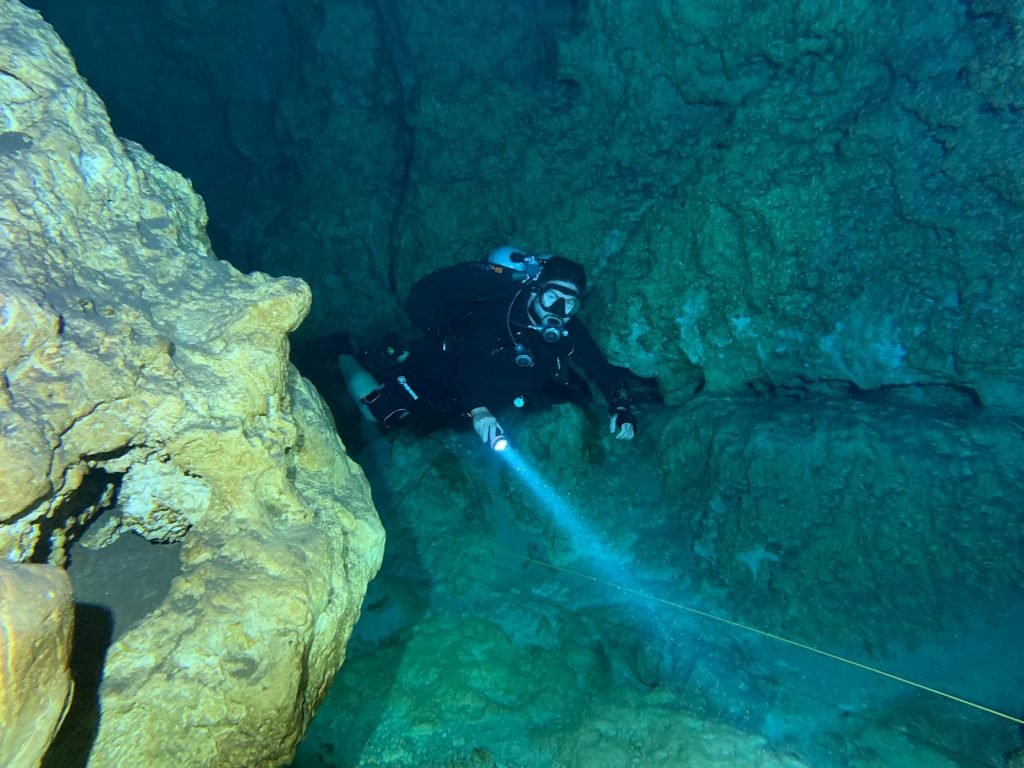
- Essential Equipment: Beyond standard scuba gear, consider bringing a primary dive light and at least one backup light, especially if planning any form of penetration. A dive reel is crucial for safely navigating inside wrecks. A cutting tool is also a vital safety item.
- Choosing a Dive Operator: Select a reputable local dive charter with extensive experience in the area. They possess invaluable knowledge of the wrecks, local conditions, and safety protocols.
- Dive Planning: Always plan your dives meticulously, considering depth, bottom time, and gas consumption. Account for potential currents and varying visibility.
Safety Considerations for Wreck Diving
Wreck diving, while exhilarating, carries inherent risks that demand respect and proper training. Safety should always be the top priority.
You might also enjoy: Night Diving in Raja Ampat Indonesia Bioluminescence: An Otherworldly Underwater Spectacle
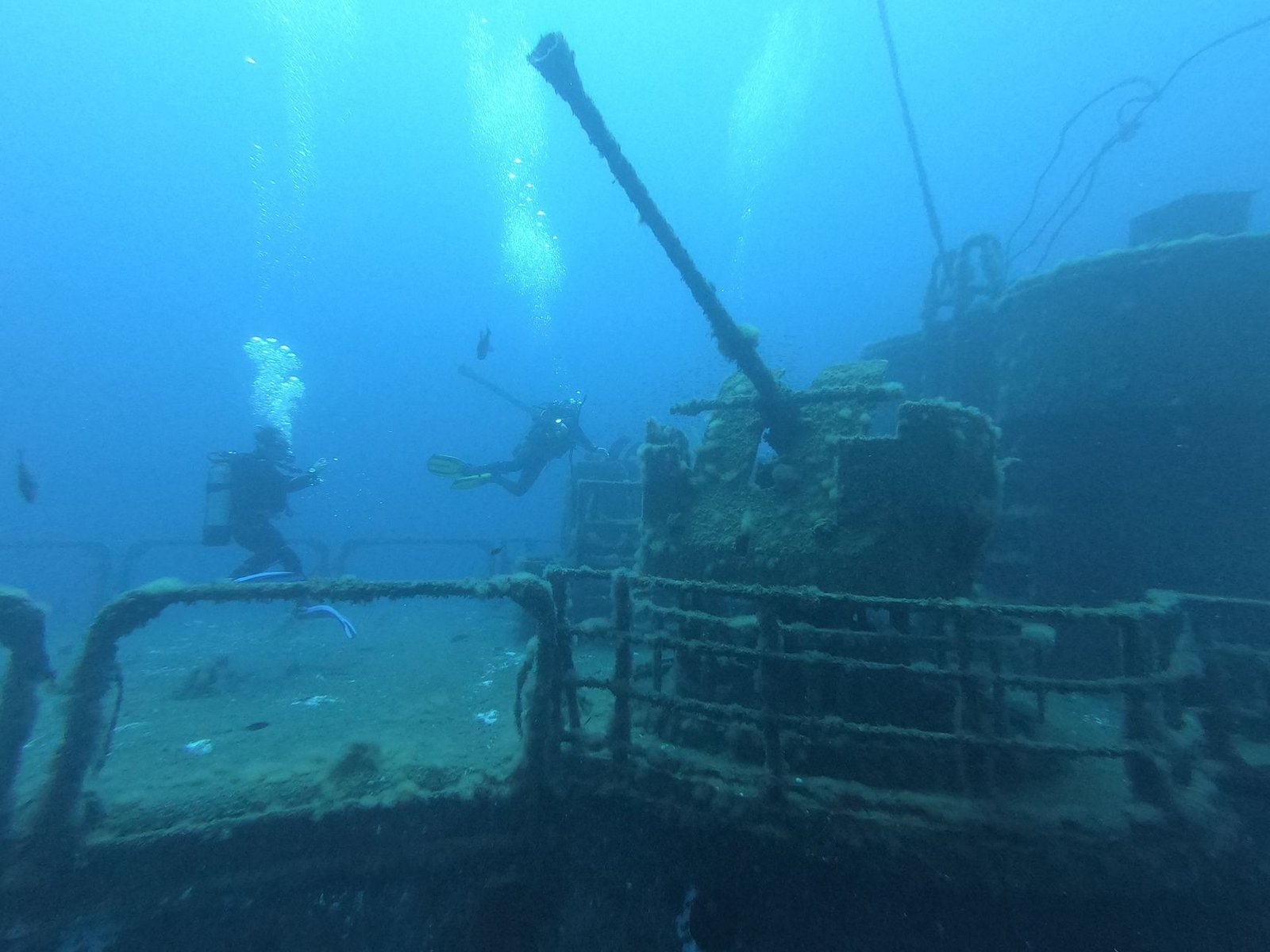
- Wreck Penetration: Entering a wreck should only be attempted by divers with specialized wreck diving training and appropriate equipment. Risks include silting out (reducing visibility to zero), entanglement, structural collapse, and getting lost. Always use a continuous guideline to the exterior and have redundant air sources and lighting.
- Currents: Offshore North Carolina can experience strong currents, particularly near the Gulf Stream. Divers should be proficient in drift diving techniques and always stay close to their dive buddy and the dive boat.
- Decompression Sickness: Many wrecks are deep, increasing the risk of decompression sickness. Adhere strictly to dive computer limits, plan conservative profiles, and perform safety stops. Nitrox can help mitigate some of these risks.
- Respecting the Wrecks: These sites are historical treasures and fragile ecosystems. Divers must avoid touching or removing any artifacts. Disturbing the wreck can damage its structure and harm marine life.
Insights from an Experienced Dive Master
As Marina Hayes, an experienced dive master who has spent countless hours exploring these submerged wonders, often emphasizes, “The Graveyard of the Atlantic offers a unique blend of history and natural beauty that captivates every diver. We’ve seen divers return year after year, drawn by the stories these wrecks tell and the incredible marine encounters they provide. The sheer volume of sand tiger sharks on some of these sites is truly a spectacle, a testament to the thriving ecosystems that have developed around these sunken giants. However, the ocean demands respect. Proper training, meticulous planning, and a deep understanding of your limits are paramount to a safe and rewarding experience. Every dive here is an opportunity to learn, to connect with history, and to witness nature’s resilience.”
Conclusion: Your Next Underwater Adventure Awaits
Wreck diving North Carolina’s Graveyard of the Atlantic offers an unparalleled adventure for those seeking to combine their passion for diving with a profound appreciation for history and marine life. From the haunting silhouette of a German U-boat to the vibrant ecosystems thriving on purpose-sunk artificial reefs, each dive promises discovery and excitement. The warm, clear waters, coupled with the chance to encounter majestic sand tiger sharks, solidify North Carolina’s reputation as a world-class wreck diving destination.
Whether you are an experienced wreck diver or looking to expand your skills, the opportunities here are immense. Begin planning your journey to this extraordinary underwater museum. Get properly certified, choose a reputable dive operator, and prepare to be amazed by the rich history and vibrant life that await beneath the waves. The Graveyard of the Atlantic is calling – are you ready to answer?
Frequently Asked Questions
What makes North Carolina’s coast known as the “Graveyard of the Atlantic”?
North Carolina’s coast earned its nickname due to a combination of factors: treacherous currents, shifting sandbars, and frequent storms. During World War II, German U-boats also targeted Allied shipping in the area, leading to a significant number of shipwrecks.
What kind of marine life can divers expect to see on North Carolina wrecks?
Divers frequently encounter sand tiger sharks, especially from late summer through fall. Other common marine life includes large schools of baitfish, barracuda, amberjack, snapper, grouper, spadefish, sea turtles, and various rays.
What certifications are recommended for wreck diving in North Carolina?
For many deeper wrecks, an Advanced Open Water certification is a prerequisite. For those wishing to penetrate wrecks, a specialized Wreck Diver certification is essential, covering critical safety and navigation skills. Nitrox certification is also highly recommended for extended bottom times.
When is the best time of year to go wreck diving in North Carolina?
The optimal season for wreck diving in North Carolina is typically from May to October. During these months, water temperatures are warmer (72-82°F or 22-28°C), and visibility is generally at its best. For peak sand tiger shark encounters, August and onward are often ideal.
Related Adventures
- Unveiling the Ghost Fleet: An Ultimate Guide to Wreck Diving in Truk Lagoon Micronesia
- Night Diving in Raja Ampat Indonesia Bioluminescence: An Otherworldly Underwater Spectacle
- Diving Seychelles Granite Formations: An Underwater Journey Through Ancient Worlds
⚠️ Safety Notice: This content is for informational purposes only. Always consult local guides and operators, verify current conditions, and ensure appropriate skills and certifications before any outdoor activity. DiveBikeHike is not responsible for injuries or incidents.