For hiking enthusiasts seeking the ultimate challenge and a profound connection with nature, hiking Mount Kilimanjaro Tanzania stands as an unparalleled aspiration. This majestic dormant volcano, Africa’s highest peak, offers an extraordinary journey through diverse ecosystems to its iconic summit. Standing proudly at 5,895 meters (19,341 feet) above sea level at Uhuru Peak, Kilimanjaro is not merely a mountain; it is a world unto itself, inviting adventurers to test their limits and forge an indelible bond with the wild heart of Africa.
The Majesty of Kilimanjaro: An Overview
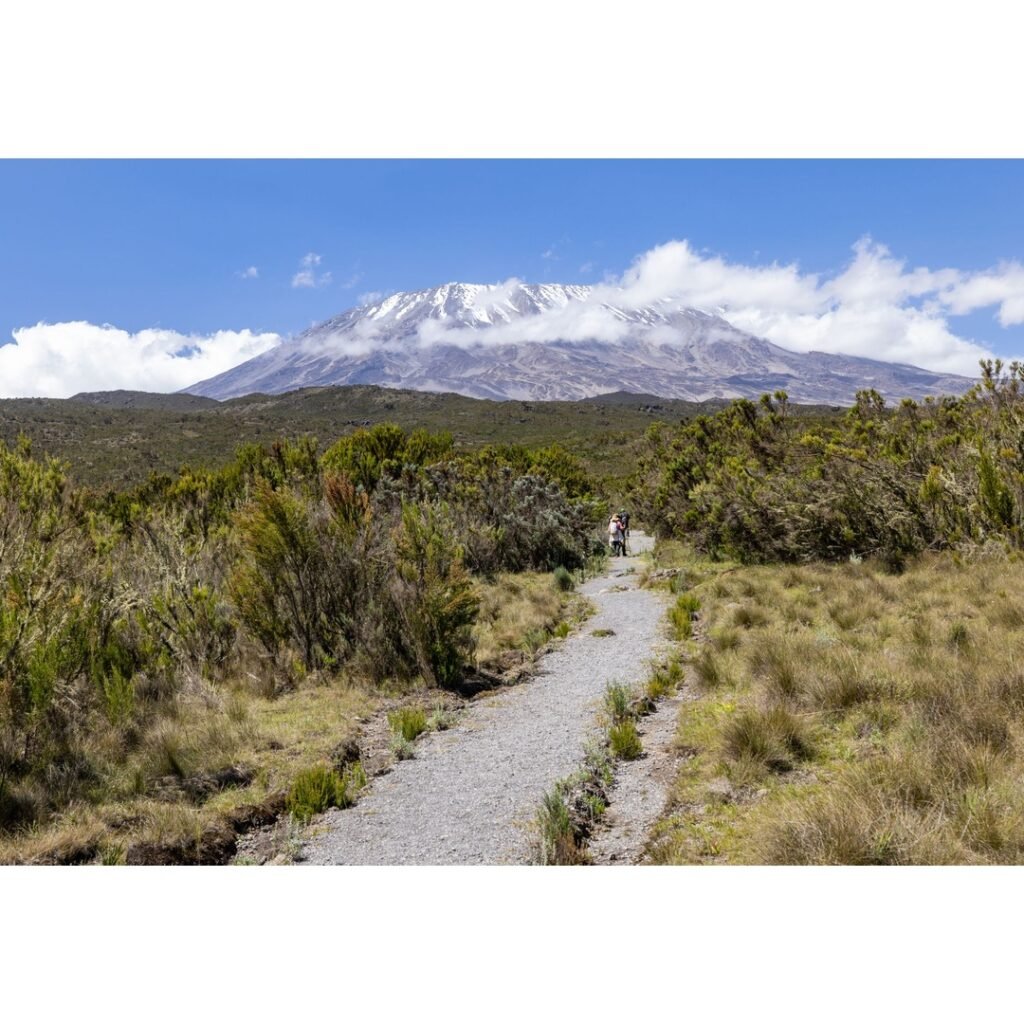
Mount Kilimanjaro, a dormant stratovolcano, is composed of three distinct volcanic cones: Kibo (the highest, home to Uhuru Peak), Mawenzi, and Shira. Unlike many of the world’s great peaks that are part of extensive mountain ranges, Kilimanjaro stands as the highest free-standing mountain above sea level, commanding breathtaking views across the Tanzanian plains. Its slopes host an incredible array of ecological zones, transitioning from cultivated land and lush rainforests at its base, through heather and moorland, into alpine desert, and finally culminating in an arctic summit with glaciers.
This remarkable biodiversity means that a trek up Kilimanjaro is not just an ascent in altitude but a journey through multiple distinct worlds. Hikers can expect to encounter vibrant flora and, with luck, glimpses of unique wildlife in the lower zones, before the landscape transforms into more stark, yet equally captivating, high-altitude environments. The ever-changing scenery provides a constant source of wonder and motivation, making every step of the hiking Mount Kilimanjaro Tanzania experience truly unique.
Choosing Your Path: Popular Routes for Hiking Mount Kilimanjaro Tanzania
Selecting the right route is a crucial decision for any aspiring Kilimanjaro trekker, as each path offers a different experience in terms of scenery, difficulty, and acclimatization profile. There are several established routes, each with its own character.
The Machame Route: The “Whiskey Route”
Often dubbed the “Whiskey Route” due to its challenging nature compared to the “Coca-Cola” (Marangu) route, Machame is one of the most popular and scenic trails. It typically takes 6 to 7 days to complete, covering a distance of approximately 62 kilometers (37 miles) from gate to gate. The Machame route offers excellent acclimatization opportunities, including the “climb high, sleep low” principle, which contributes to its relatively high summit success rates, often around 85% for the 7-day trek. Trekkers on this route pass through dense rainforests, cross the Shira Plateau, and navigate the famous Barranco Wall, a steep but non-technical scramble.
The Lemosho Route: The Scenic Gem
Considered by many to be the most beautiful route, the Lemosho route approaches Kilimanjaro from the west, offering stunning panoramic views and a remote, less crowded start. This route typically spans 7 to 8 days, covering about 70 kilometers (43 miles). Its longer duration and gradual ascent provide an excellent acclimatization profile, leading to some of the highest summit success rates, often reaching 90% for the 8-day itinerary. The Lemosho route traverses diverse landscapes, from rainforests to the expansive Shira Plateau, before merging with the Machame route.
The Marangu Route: The “Coca-Cola Route”
The oldest and most established route, the Marangu route is often referred to as the “Coca-Cola Route” because it is the only path offering dormitory-style hut accommodation instead of camping. It is generally considered the easiest in terms of gradient, with a gradual slope, and takes 5 to 6 days. However, its shorter duration can make acclimatization more challenging, resulting in lower summit success rates, particularly for the 5-day option (around 30-50%). The Marangu route uses the same path for both ascent and descent, which means less varied scenery compared to other routes.
The Rongai Route: The Northern Approach
The Rongai route is unique as it is the only trail that approaches Kilimanjaro from the north, near the Kenyan border. This northern exposure means it receives less precipitation, making it a good option during the rainy seasons. The route is moderately difficult and typically takes 6 to 7 days, covering approximately 70-81 kilometers (44-50 miles). It offers a sense of unspoiled wilderness and the possibility of spotting wildlife in its lower sections. The Rongai route also boasts good summit success rates, especially with longer itineraries.
You might also enjoy: Trekking in Nepal Himalayas Annapurna: Your Ultimate Guide to an Unforgettable Journey
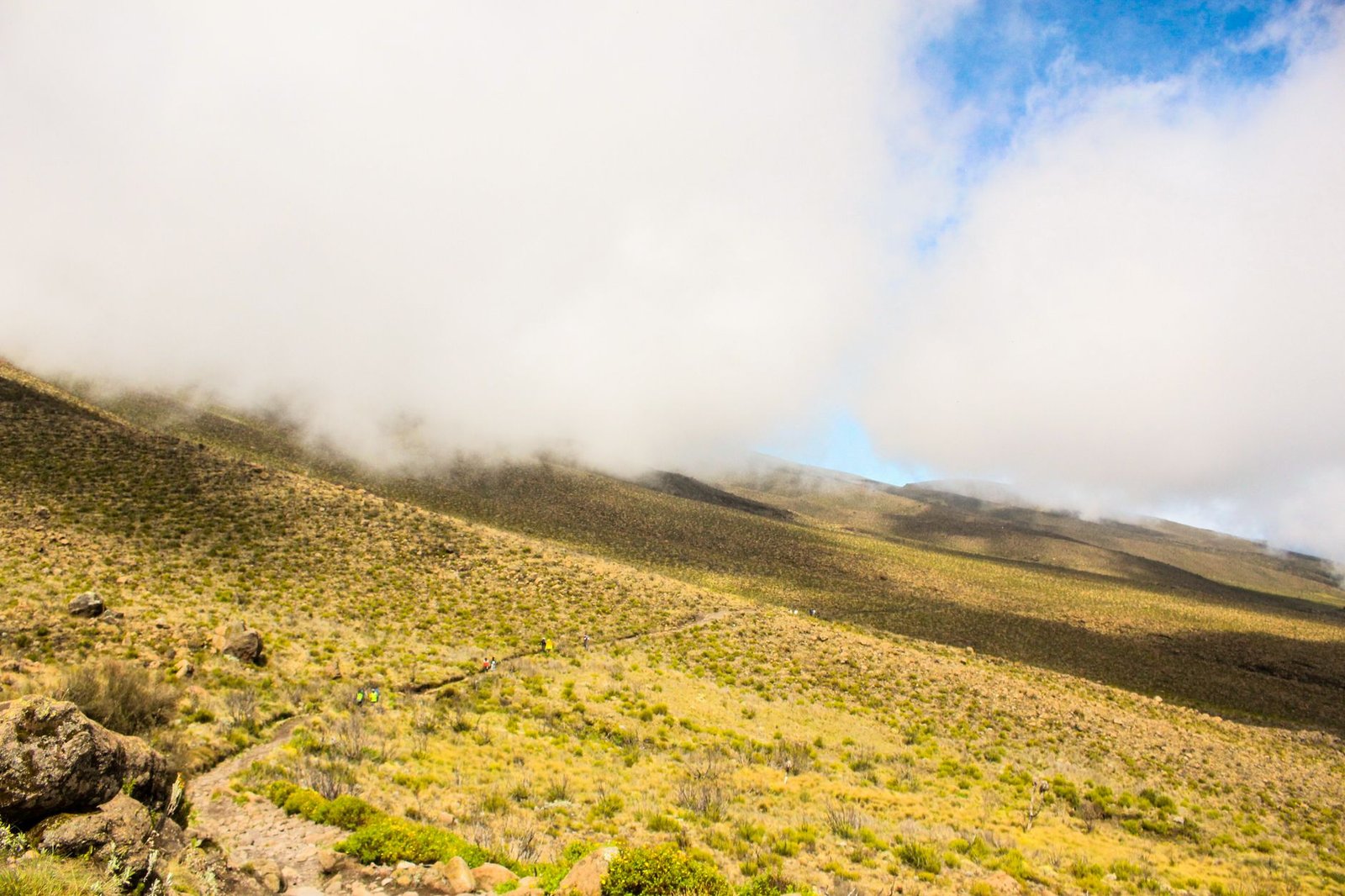
Preparation is Paramount: Training for Your Kilimanjaro Ascent
Conquering Kilimanjaro demands more than just a desire for adventure; it requires diligent preparation. Physical fitness is crucial, but it is important to understand that even highly fit individuals can be susceptible to altitude sickness. Therefore, training should focus on endurance, cardiovascular health, and leg strength. Regular hiking, especially with a weighted pack and on varied terrain, is highly recommended. Incorporating long walks, cycling, or swimming into a routine several months before the trek can significantly enhance preparedness.
Mental preparation is equally vital. The trek involves long days, challenging conditions, and the need for sustained perseverance. Cultivating a positive mindset and understanding the demands of the journey will be invaluable. Practicing mindfulness or meditation can help manage stress and discomfort on the mountain.
Equipping oneself with the right gear is non-negotiable. Essential items include well-broken-in, waterproof hiking boots with ankle support, layered clothing (moisture-wicking base layers, insulating mid-layers, and waterproof/windproof outer layers), a four-season sleeping bag rated for cold temperatures, a headlamp with extra batteries, trekking poles, and a reliable hydration system. Remember, cotton is not suitable for hiking as it retains moisture. A comprehensive packing list should be meticulously followed, and gear tested before departure.
Navigating the Mountain: Safety and Support on Your Kilimanjaro Trek
Safety on Kilimanjaro is paramount. All trekkers are required to climb with licensed Tanzanian guides through a registered tour operator. These experienced teams, including assistant guides, cooks, and porters, are essential for a safe and successful ascent. Porters carry the majority of the gear, allowing trekkers to focus on their daypacks and the climb itself.
Altitude sickness is the primary health concern on Kilimanjaro. It is caused by the reduced atmospheric pressure and lower oxygen availability at high altitudes. Symptoms can range from mild headaches and nausea to more severe conditions like High Altitude Pulmonary Edema (HAPE) or High Altitude Cerebral Edema (HACE), which can be life-threatening.
Key strategies for prevention include:
- Ascending Slowly (“Pole Pole”): Your guides will frequently remind you to go “pole pole” (slowly, slowly in Swahili). A gradual ascent allows the body more time to acclimatize.
- Hydration: Drinking ample water (at least 3-4 liters per day) is critical to prevent dehydration, which can exacerbate altitude sickness.
- Nutrition: Eating well, even if appetite is reduced, provides the necessary energy for the strenuous trek.
- “Climb High, Sleep Low”: Some routes are designed to incorporate this principle, where trekkers ascend to a higher elevation during the day but descend to a lower camp for the night, aiding acclimatization.
- Monitoring: Reputable operators have guides who monitor trekkers’ health, often using pulse oximeters to check oxygen saturation and heart rate daily.
- Medication: Consult a physician about preventive medications like Diamox, which can help with acclimatization.
- Never Ascend with Symptoms: If experiencing symptoms of altitude sickness, it is crucial not to climb higher and to descend if symptoms worsen. Emergency oxygen and rescue services are available.
Environmental Stewardship: Preserving Kilimanjaro’s Pristine Beauty
Hiking Mount Kilimanjaro Tanzania offers a profound connection with nature, and with this privilege comes the responsibility of environmental stewardship. Kilimanjaro National Park is a protected area, and adherence to “Leave No Trace” principles is essential. This includes packing out all trash, staying on designated trails, respecting wildlife, and minimizing impact on the delicate ecosystems. Park fees, which are part of the overall trekking cost, contribute directly to the upkeep of the park and conservation initiatives. Choosing a responsible tour operator that prioritizes porter welfare and sustainable practices further supports the preservation of this natural wonder for future generations.
You might also enjoy: Conquering the High Sierra: Your Ultimate Guide to Hiking the John Muir Trail California
Personal Insights from Summit Reid, Experienced Hiker
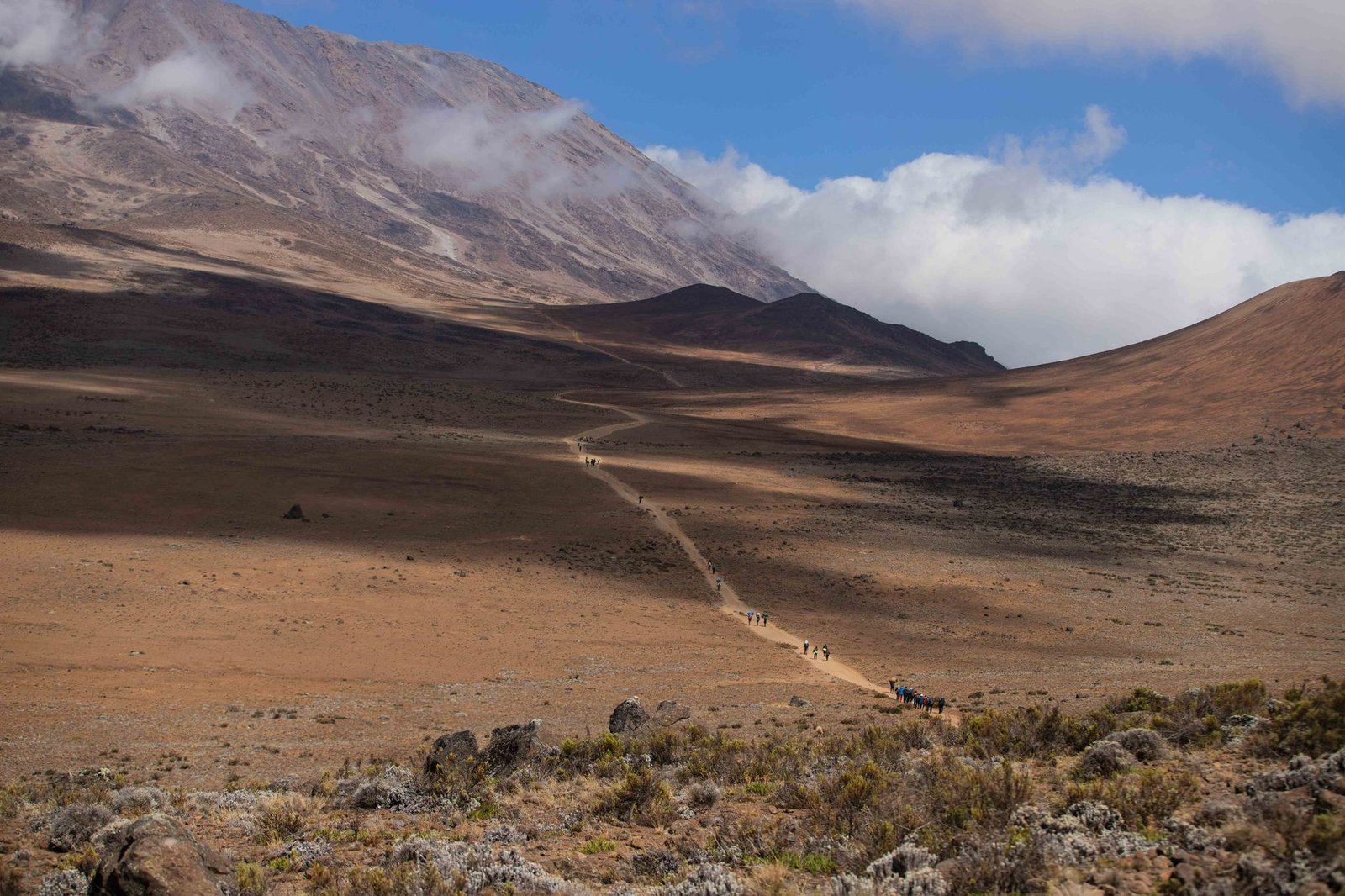
The journey up Kilimanjaro is more than a physical feat; it is a spiritual odyssey. The mountain reveals itself in layers, from the misty embrace of the rainforest to the stark, lunar landscapes of the alpine desert. There is a profound sense of peace found in the rhythm of walking, the crisp mountain air, and the vast, star-filled skies at night. The camaraderie among fellow trekkers and the dedicated support of the local guides and porters create a unique bond, transforming strangers into a temporary family united by a shared goal. Reaching Uhuru Peak at sunrise, witnessing the curvature of the Earth and the sprawling glaciers, is a moment of unparalleled triumph and humility. It is a reminder of both human resilience and the immense power and beauty of the natural world. The mountain strips away distractions, inviting a deep introspection and a renewed appreciation for life’s simple, yet profound, gifts.
Conclusion
Hiking Mount Kilimanjaro Tanzania is an adventure that transcends the ordinary, offering not just a physical challenge but a journey of self-discovery and a deep immersion in nature’s grandeur. From the meticulous planning and physical training to the awe-inspiring landscapes and the profound sense of accomplishment at Uhuru Peak, every aspect of the trek contributes to an unforgettable experience. It is an invitation to step beyond comfort zones, to embrace the wild, and to connect with the majestic spirit of Africa.
Are you ready to answer the call of Africa’s highest peak? Begin planning your own incredible journey to Mount Kilimanjaro today and discover the transformative power of this iconic trek.
Frequently Asked Questions
What is the best time of year for hiking Mount Kilimanjaro Tanzania?
The best times for hiking Mount Kilimanjaro Tanzania are generally during the dry seasons: January to early March and June to October. These months offer clearer skies, better visibility, and more favorable trekking conditions, though occasional showers are always possible.
How difficult is it to climb Mount Kilimanjaro?
While Mount Kilimanjaro is considered a challenging trek due to its high altitude and varying terrain, it does not require technical mountaineering skills or specialized equipment like ropes and axes. The primary difficulty lies in acclimatizing to the altitude and sustaining long days of hiking. Routes like Lemosho and Machame, with longer durations, offer better acclimatization and higher success rates.
Are permits required for hiking Mount Kilimanjaro Tanzania?
Yes, all visitors must obtain permits from the Tanzanian National Parks Authority (TANAPA) to trek on Mount Kilimanjaro. These permits, along with park and campsite fees, are typically secured by your licensed tour operator on your behalf. Independent climbing is not permitted; you must climb with licensed Tanzanian guides.
What are the essential gear items for a Kilimanjaro trek?
Essential gear includes well-broken-in, waterproof hiking boots, layered clothing (moisture-wicking base layers, insulating mid-layers, waterproof/windproof outer layers), a four-season sleeping bag, a headlamp, trekking poles, and a hydration system. Avoid cotton clothing, as it does not dry quickly and can lead to discomfort.
Related Adventures
- Trekking in Nepal Himalayas Annapurna: Your Ultimate Guide to an Unforgettable Journey
- Conquering the High Sierra: Your Ultimate Guide to Hiking the John Muir Trail California
- Unveiling the Majesty: Your Ultimate Guide to Hiking Routes in the Swiss Alps
⚠️ Safety Notice: This content is for informational purposes only. Always consult local guides and operators, verify current conditions, and ensure appropriate skills and certifications before any outdoor activity. DiveBikeHike is not responsible for injuries or incidents.