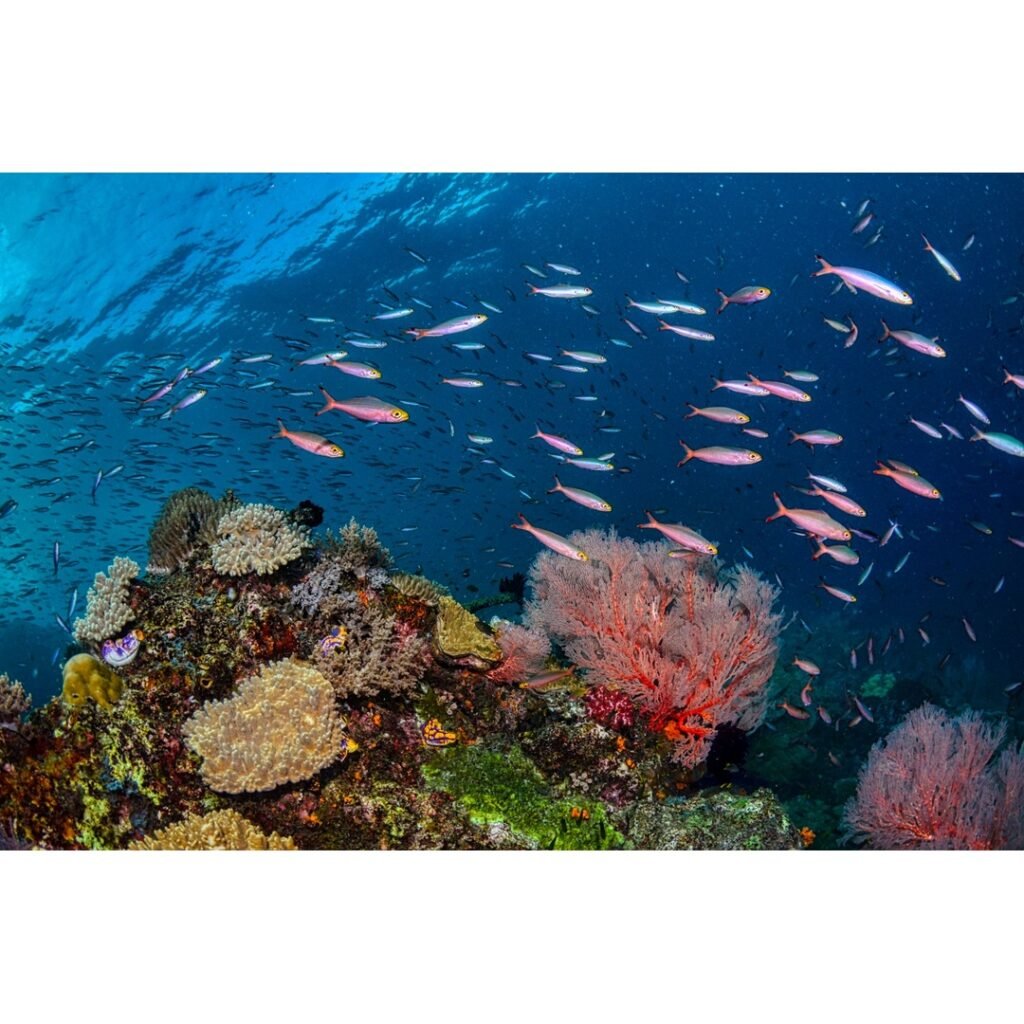
For scuba diving enthusiasts, the archipelago of Raja Ampat in Indonesia is synonymous with unparalleled biodiversity and vibrant coral reefs. While its daytime splendor is world-renowned, a truly magical transformation occurs when darkness descends. This is when the ocean reveals its nocturnal secrets, none more captivating than the mesmerizing phenomenon of night diving in Raja Ampat Indonesia bioluminescence.
As experienced dive masters, we have witnessed countless underwater wonders, but the after-dark spectacle in Raja Ampat holds a special place. It is an experience that transcends typical diving, inviting divers into a realm where the familiar becomes fantastical, and the ocean itself seems to breathe with living light.
Why Raja Ampat Shines After Dark
Raja Ampat’s extraordinary marine biodiversity makes it one of the premier destinations globally for night diving. As day-dwelling creatures retreat, a new cast of characters emerges, transforming the reef into a bustling nocturnal metropolis. This “reverse day” phenomenon allows divers to observe marine behavior rarely seen during daylight hours.
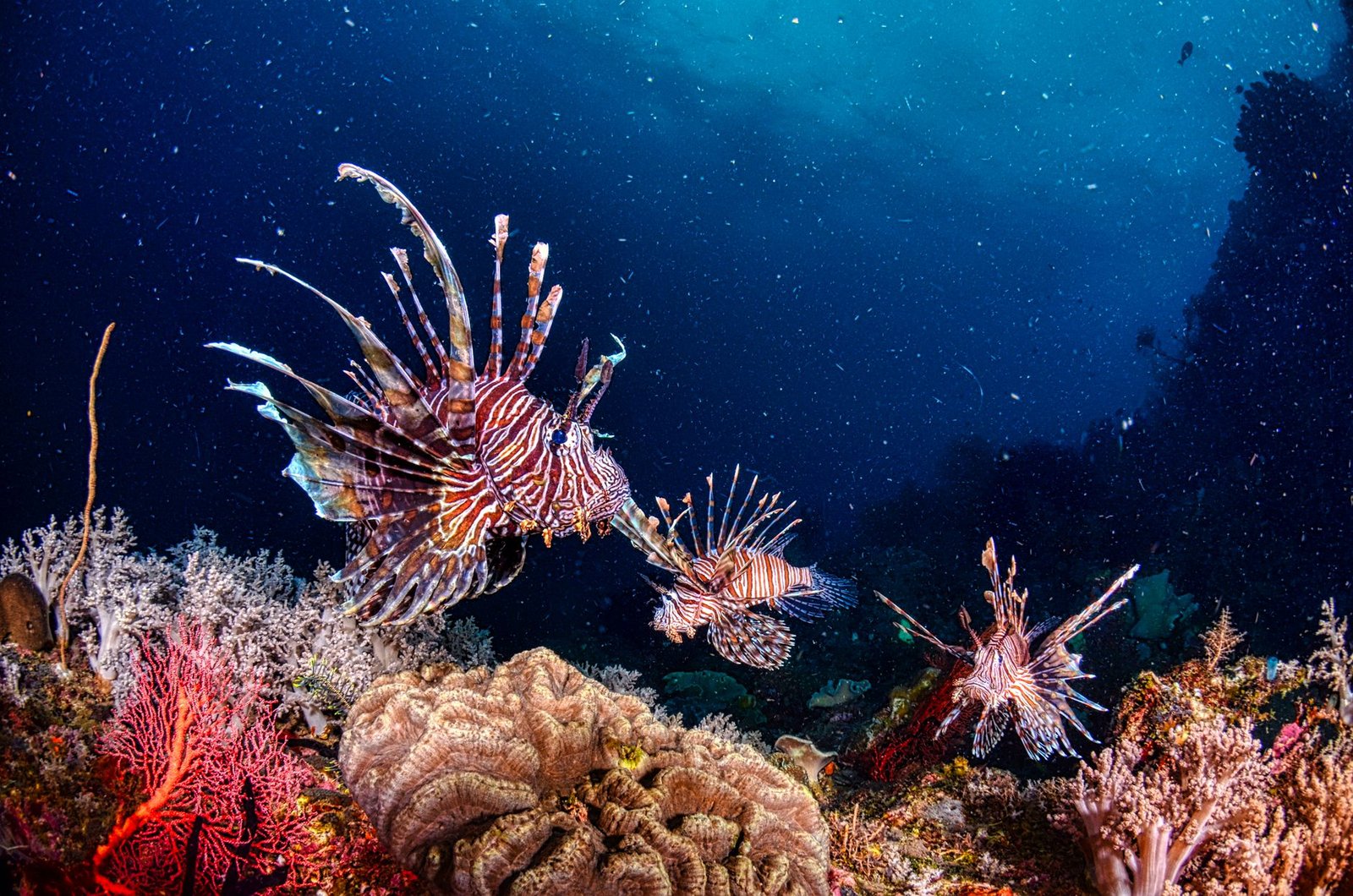
- Nocturnal Hunters: Lionfish, with their dramatic fins, emerge from crevices to hunt, while moray eels slither from their hiding places in search of prey.
- Unique Critters: Keep an eye out for bobtail squids, camouflaged octopuses, and a myriad of nudibranchs gliding across corals. The elusive walking sharks, found mainly in shallow reefs, are also more active at night, sometimes seen weaving through coral gardens.
- Sleeping Wonders: Even familiar species offer new perspectives, such as parrotfish encased in their mucous cocoons, a fascinating defense mechanism.
The healthy coral reefs of Raja Ampat provide a rich tapestry for these nocturnal activities, with vibrant corals and sponges becoming backdrops for an entirely different ecosystem.
The Phenomenon of Bioluminescence in Raja Ampat
Beyond the active marine life, the true enchantment of night diving in Raja Ampat Indonesia bioluminescence lies in the ocean’s ability to produce its own light. This natural wonder, often referred to as the “Tears of the Ocean” or “Sea of Stars,” is primarily caused by bioluminescent plankton, specifically tiny micro-organisms called dinoflagellates.
When these organisms are disturbed by movement – a diver’s fin kick, a gentle wave of the hand, or the movement of a fish – they emit a brief, ethereal blue-green light. Imagine turning off your dive torch in the inky blackness and waving your hand through the water, only to be surrounded by countless sparkling pinpricks of light, like underwater fireflies. This mesmerizing, starry spectacle is a truly surreal opportunity to engage with nature.
You might also enjoy: Discover the Unparalleled Coral Reefs of Raja Ampat, Indonesia: A Diver’s Quick Guide
It is important to distinguish bioluminescence from biofluorescence. While both involve light, bioluminescence is light produced by the organism itself through a chemical reaction. Biofluorescence, on the other hand, is when an organism absorbs light (like UV or blue light from a special torch) and re-emits it at a different, often vibrant, color. Raja Ampat is also renowned for its fluorescence diving, where special UV lights and yellow mask filters reveal corals, anemones, and fish glowing in otherworldly greens, pinks, and oranges. However, the spontaneous, sparkling magic of bioluminescence is a distinct and equally breathtaking experience.
Top Dive Sites for Nighttime Wonders
While bioluminescence can be observed at many sites, certain locations in Raja Ampat are particularly celebrated for their nocturnal activity and potential for glowing encounters. Dive operators often select sites with minimal currents for night dives, enhancing safety and enjoyment.
- Arborek Jetty: A classic site, the pilings of Arborek Jetty are teeming with soft corals and attract an incredible array of reef life. At night, divers can spot hunting cuttlefish, shrimp, crabs, and occasionally blue-ringed octopuses.
- Yillet Besar (Misool Area): This site offers a gently sloping seabed with coral bommies and seagrass patches. It’s known for blue-ringed octopuses, cuttlefish, moray eels, and a kaleidoscope of nudibranchs.
- Wayil: With calm conditions and excellent shelter, Wayil’s walls and coral gardens are perfect for observing a wide variety of nudibranchs and flatworms. On moonless nights, turning off torches can reveal abundant bioluminescent plankton.
- Sawandarek: The coral slope and wall at Sawandarek become a corridor for nocturnal predators like moray eels and lionfish. Walking sharks are sometimes seen here, navigating the coral gardens.
Preparing for Your Bioluminescent Night Dive
To fully appreciate the magic of night diving in Raja Ampat Indonesia bioluminescence, proper preparation is key. The water temperature in Raja Ampat remains comfortably warm year-round, typically ranging from 27-31°C (82-86°F), so a 3mm wetsuit is usually sufficient.
Essential Gear:
- Primary Dive Light: A bright, reliable torch is crucial.
- Backup Light: Always carry a secondary light, securely clipped, in case your primary fails.
- Tank Marker/Light Stick: Helps you and your buddy stay together and can mark your position.
- Compass: Essential for underwater navigation in low visibility.
- SMB (Surface Marker Buoy): For signaling your position to the boat upon surfacing.
Practical Tips:
- Slow Down: Night diving is about observation, not covering ground. Move slowly and deliberately to spot hidden wonders.
- Buoyancy Control: Master your buoyancy to avoid accidental contact with sensitive corals or stirring up sediment in low light.
- Light Management: Avoid shining your torch directly into the eyes of marine life. Use it to highlight creatures or guide your path. Consider a red-filtered torch for sensitive animals.
- Patience is Key: Many nocturnal creatures are small and well-camouflaged. A keen eye and a slow approach will be rewarded.
- Turn Off Your Torch: For the ultimate bioluminescence experience, turn off your light for a moment and gently wave your hand through the water.
Safety First: Essential Considerations for Night Diving
Night diving is a safe and exhilarating experience when conducted with proper preparation and adherence to guidelines.
- Certification: Divers should be certified for night diving. Most operators recommend an Open Water Diver certification as a prerequisite for a Night Diver Specialty course. PADI requires three to four night dives for certification, while SDI requires two.
- Buddy System: Always dive with a buddy, maintaining close communication through hand signals or dive lights.
- Pre-Dive Briefing: A thorough briefing with your guide and group is crucial, covering the dive plan, communication signals, and emergency procedures.
- Stay Calm and Focused: Adjusting to darkness can be intimidating initially. Trust your guide and equipment.
- Respect the Environment: Nighttime is when many species feed or rest. Observe quietly, avoid touching or chasing marine life, and never stand or walk on living coral.
- Health: Ensure you are in good physical health. Avoid alcohol, drugs, or caffeine before diving.
A Dive Master’s Insights: Navigating the Night
As Marina Hayes, an experienced dive master, we have had the privilege of guiding countless divers through the nocturnal wonders of Raja Ampat. The transition from a vibrant daytime reef to a mysterious, glowing landscape is truly profound. We often tell our divers to embrace the darkness, to let their other senses heighten. The sounds of the reef become more pronounced, and the subtle movements of creatures take on new significance. The moments when we encourage divers to switch off their torches and witness the spontaneous bursts of bioluminescence are always met with gasps of awe. It’s a humbling reminder of the ocean’s magic, a truly immersive experience that connects us deeply with the natural world. Each night dive here is a unique story, a testament to the incredible life that thrives when the sun goes down.
You might also enjoy: Diving Seychelles Granite Formations: An Underwater Journey Through Ancient Worlds
Conclusion
Night diving in Raja Ampat Indonesia bioluminescence offers an unparalleled adventure for any scuba diving enthusiast. It is a journey into a hidden world, where the ocean’s natural light show combines with the emergence of fascinating nocturnal creatures to create an unforgettable experience. From the vibrant hunting grounds of lionfish to the sparkling dance of plankton, Raja Ampat after dark is a testament to the boundless wonders of our planet’s marine ecosystems. Are you ready to witness this extraordinary spectacle for yourself? Plan your night diving adventure to Raja Ampat and prepare to be captivated by the ocean’s secret glow.
Frequently Asked Questions
What causes the bioluminescence seen during night diving in Raja Ampat?
The bioluminescence in Raja Ampat is primarily caused by microscopic marine organisms, mainly dinoflagellates, which are a type of plankton. These organisms emit a brief, sparkling blue-green light when disturbed by movement in the water, creating a stunning natural light show.
Do I need a special certification for night diving in Raja Ampat?
Yes, it is highly recommended and often required by dive operators to have a Night Diver Specialty certification before undertaking night dives. This course teaches essential skills for safely navigating and enjoying the underwater world in low-light conditions.
What kind of marine life can I expect to see during a night dive in Raja Ampat?
Night dives in Raja Ampat reveal a completely different array of marine life compared to daytime dives. You can expect to encounter nocturnal hunters like lionfish and moray eels, unique critters such as bobtail squids, various octopuses, nudibranchs, and potentially even the famous walking sharks.
When is the best time to experience bioluminescence in Raja Ampat?
While bioluminescence can be observed year-round, new moon nights are often considered ideal as the darker conditions enhance the visibility of the natural light show. The dry season, from October to April, generally offers calmer seas and excellent visibility for diving.
Related Adventures
- Discover the Unparalleled Coral Reefs of Raja Ampat, Indonesia: A Diver’s Quick Guide
- Diving Seychelles Granite Formations: An Underwater Journey Through Ancient Worlds
- Philippines Whale Sharks: Your Ultimate Guide to Diving with Gentle Giants
⚠️ Safety Notice: This content is for informational purposes only. Always consult local guides and operators, verify current conditions, and ensure appropriate skills and certifications before any outdoor activity. DiveBikeHike is not responsible for injuries or incidents.