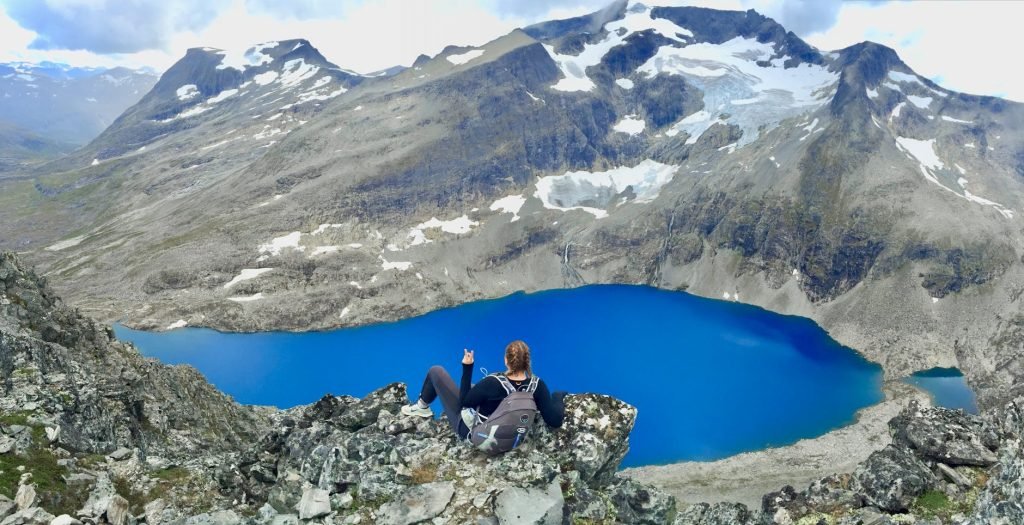
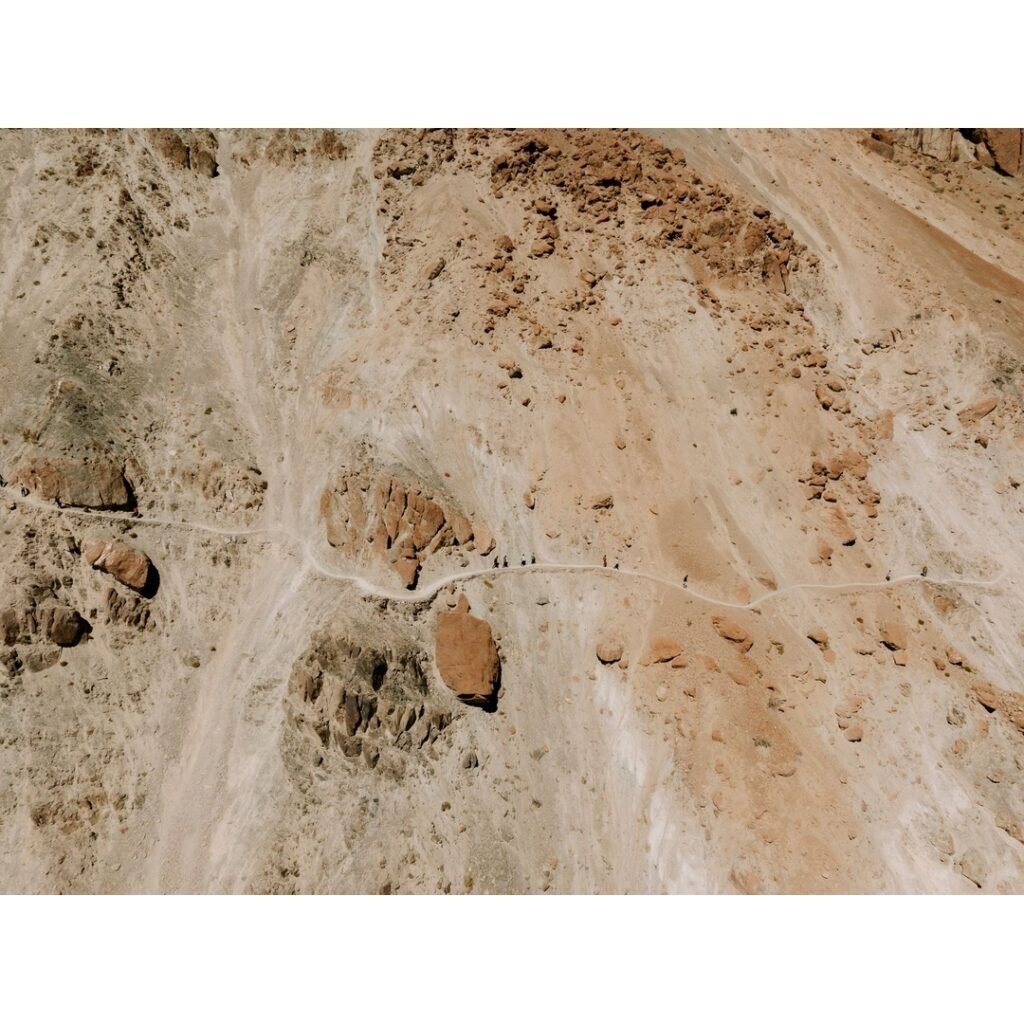
The call of the mountains resonates deeply within the soul of every hiking enthusiast. For those seeking an experience that transcends the ordinary, a journey into the heart of the Indian Himalayas, specifically trekking in Ladakh India Himalayas, offers an unparalleled adventure. This high-altitude cold desert, nestled between the Kunlun and Great Himalayan ranges, presents a landscape so unique and breathtaking that it often feels like stepping onto another planet. From ancient monasteries clinging to dramatic cliffs to vibrant green oases in barren valleys, Ladakh promises a trek that is as spiritually enriching as it is physically challenging.
Why Choose Ladakh for Your Himalayan Trekking Adventure?
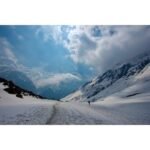
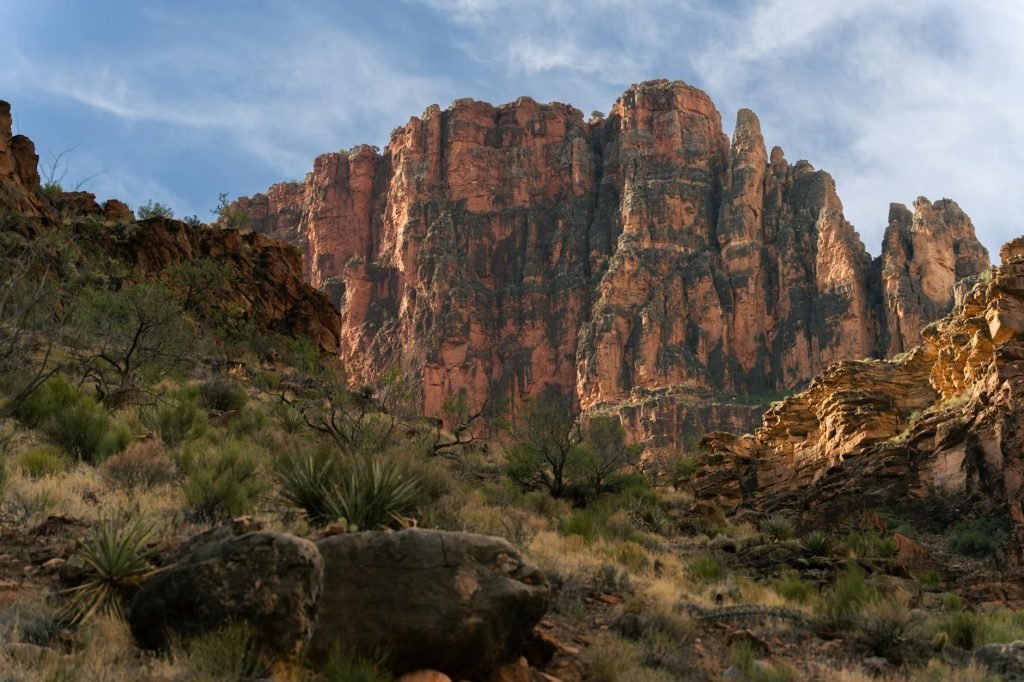
Ladakh, often referred to as “The Land of High Passes,” is a region of stark contrasts and profound beauty. Unlike the lush, monsoon-fed Himalayas found elsewhere in India, Ladakh’s terrain is characterized by rust-colored mountains, deep gorges carved by glacial rivers, and an arid, cold desert climate. This unique geography creates a distinct trekking environment, offering panoramic vistas of snow-capped peaks, vast open skies, and an incredible sense of solitude.
Beyond its stunning natural beauty, Ladakh is a vibrant tapestry of Buddhist culture. Trekkers will encounter ancient gompas (monasteries), chortens (stupas), and prayer flags fluttering in the wind, providing a glimpse into a way of life deeply intertwined with the spiritual traditions of Tibetan Buddhism. Staying in local homestays along popular routes offers an authentic cultural immersion, allowing trekkers to connect with the warm hospitality of the Ladakhi people and savor traditional cuisine.
Popular Routes for Trekking in Ladakh India Himalayas
Ladakh offers a diverse range of trekking options, catering to various fitness levels and timeframes. Here are some of the most celebrated routes:
The Markha Valley Trek: Ladakh’s Classic Journey
Often hailed as the most popular trek in Ladakh, the Markha Valley Trek is a moderate to difficult expedition that typically spans 6 to 8 days. This trek takes adventurers through the heart of Hemis National Park, a protected area known for its diverse wildlife, including the elusive snow leopard. The trail follows the Markha River, winding past small, isolated villages like Skiu, Sara, Markha, and Hankar, where trekkers can experience authentic Ladakhi homestays.
Highlights of the Markha Valley Trek include crossing several high-altitude passes, with Kongmaru La being the highest at approximately 5,200 to 5,260 meters (17,060 to 17,257 feet). From the summit of Kongmaru La, trekkers are rewarded with breathtaking panoramic views of the Zanskar and Stok ranges, including the majestic Kang Yatse peak. The trek involves multiple days of hiking for up to eight hours a day over rocky terrain, requiring a good level of fitness.
Sham Valley Trek: The “Baby Trek” for Cultural Immersion
For those seeking a less strenuous introduction to trekking in Ladakh, the Sham Valley Trek, often called the “Baby Trek,” is an excellent choice. This easy to moderate trek typically lasts 3 to 5 days and remains at relatively lower elevations, with the highest point, Tsermangchen La, reaching around 3,870 to 3,900 meters (12,700 to 12,800 feet). It’s ideal for beginners, families, or as an acclimatization trek before more challenging expeditions.
The Sham Valley Trek focuses heavily on cultural immersion, linking traditional villages such as Likir, Yangthang, Hemis Shukpachan, and Tingmosgang. Trekkers can enjoy homestays, explore ancient monasteries like Likir Monastery, and walk through lush apricot orchards and barley fields, offering a stark contrast to the surrounding arid landscape.
Beyond the Popular Trails: Zanskar and Nubra Valley
For experienced trekkers seeking longer and more challenging expeditions, the remote Zanskar region offers treks like the Padum to Lamayuru traverse, which can take around 10 days, crossing ancient monasteries and diverse landscapes. The Nubra Valley also presents trekking opportunities, such as the route from Phyang to Hunder, crossing the Lasermo La pass at approximately 5,438 meters (17,841 feet) and offering stunning views of the Karakoram range.
Practical Preparation for Trekking in Ladakh India Himalayas
A successful and enjoyable trek in Ladakh hinges on thorough preparation. The high altitude and remote nature of the region demand careful planning.
You might also enjoy: Trekking in Nepal Himalayas Annapurna: Your Ultimate Guide to an Unforgettable Journey
Acclimatization: Your Foremost Priority
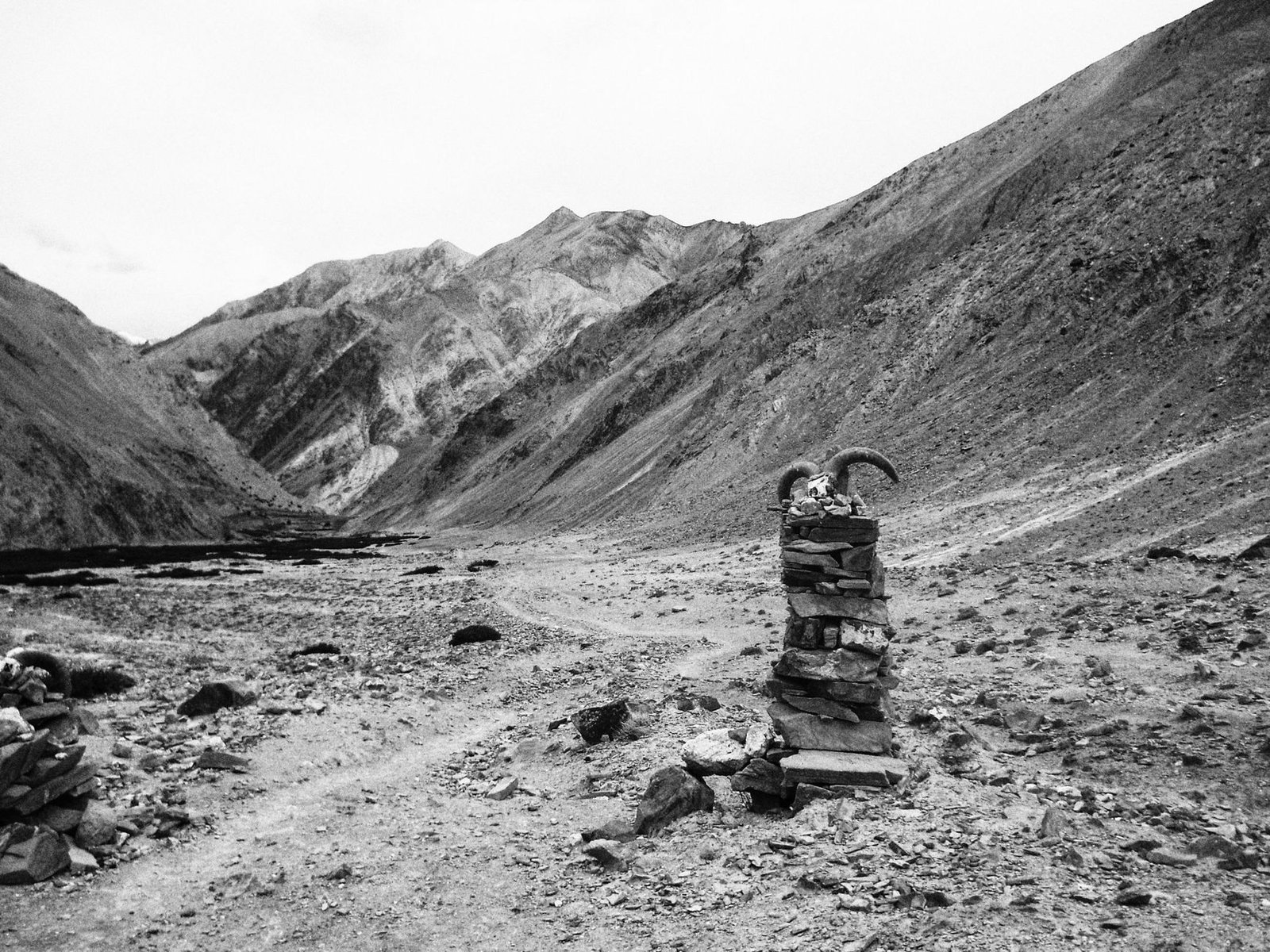
The most critical aspect of any Ladakh trek is proper acclimatization to the high altitude. Leh, the capital of Ladakh, sits at an elevation of approximately 3,500 meters (11,500 feet). It is strongly recommended to spend a minimum of 2 to 3 days resting and acclimatizing in Leh before embarking on any trek. During this period, avoid strenuous activities, stay hydrated by drinking at least 3 to 4 liters of water daily, and avoid alcohol and smoking. Even mild symptoms of Acute Mountain Sickness (AMS) like headache, nausea, loss of appetite, or dizziness should be taken seriously. If symptoms worsen, immediate descent to a lower altitude is the most effective treatment.
Physical Fitness and Training
While some treks are easier, most routes in Ladakh require a good level of physical fitness. Regular cardiovascular exercise such as jogging, swimming, or cycling, combined with strength training focusing on the lower body and core, is highly recommended for several weeks before your trip. Practice uphill walking or stair climbing with a weighted backpack to simulate trekking conditions.
Essential Gear and Packing
- Layered Clothing: Temperatures can fluctuate dramatically, from warm sunny days (15-25°C / 59-77°F in summer) to freezing nights, especially at higher altitudes. Pack moisture-wicking base layers, insulating fleece, and a waterproof/windproof outer shell.
- Sturdy Trekking Boots: Well-broken-in, ankle-supporting, waterproof hiking boots are essential.
- Backpack: A comfortable backpack (50-70 liters for multi-day treks) and a smaller daypack for daily essentials.
- Sleeping Bag: A warm sleeping bag rated for sub-zero temperatures is crucial, even in summer, especially if camping.
- Sun Protection: High altitude means intense UV radiation. Pack a wide-brimmed hat, sunglasses with UV protection, and high-SPF sunscreen.
- First-Aid Kit: Include personal medications, pain relievers, blister treatment, antiseptic wipes, and any prescribed altitude sickness medication (consult a doctor).
- Water Purification: Reusable water bottles and a purification system (filters, tablets, or UV sterilizer) are vital to avoid single-use plastics and ensure safe drinking water.
- Other Essentials: Headlamp, trekking poles, power bank, toiletries, and snacks.
Permits and Documentation
Depending on your chosen route and nationality, various permits may be required for trekking in Ladakh. Inner Line Permits (ILP) are generally needed for Indian nationals to visit restricted areas like Nubra Valley, Pangong Tso, and Tso Moriri. Foreign nationals typically require a Protected Area Permit (PAP) for these regions, which often needs to be arranged through a registered travel agent and may require a group of at least two foreign trekkers. A wildlife protection fee may also apply for treks passing through Hemis National Park. It is always advisable to check current requirements with local authorities or a reputable trekking agency well in advance.
Best Time for Trekking
The main trekking season in Ladakh is from May to October, with June to September offering the most favorable conditions with clear skies and accessible passes. July and August provide lush green landscapes and moderate temperatures, while September offers clear skies and fewer crowds. Winter treks, such as the famous Chadar Trek on the frozen Zanskar River, are also possible from January to March but are highly specialized and require extreme cold-weather gear and experience.
Navigation and Safety Considerations
Safety is paramount when undertaking high-altitude treks. Responsible planning and adherence to guidelines can mitigate risks.
Hiring Guides and Porters
While some easier routes might be attempted independently, hiring an experienced local guide is highly recommended, especially for longer or more challenging treks. Guides possess invaluable local knowledge, can navigate tricky terrain, assist with emergencies, and enhance the cultural experience. Porters can significantly lighten your load, allowing you to conserve energy at altitude.
Altitude Sickness Management
Beyond acclimatization, understanding and managing AMS is crucial. Symptoms can range from mild headaches to severe, life-threatening conditions like High Altitude Cerebral Edema (HACE) or High Altitude Pulmonary Edema (HAPE). Always ascend gradually, listen to your body, and never ignore symptoms. If symptoms persist or worsen, immediate descent is the most effective treatment. Carry emergency oxygen if advised by your guide or doctor.
Weather and Terrain Challenges
Ladakh’s weather can be unpredictable, with rapid changes possible even during the summer. Be prepared for strong winds, sudden drops in temperature, and occasional snowfall on high passes. The terrain often involves rocky paths, river crossings, and steep ascents and descents. Good quality gear and cautious trekking are essential.
Communication and Emergency Protocols
Mobile network coverage is limited in many remote trekking areas. Consider carrying a satellite phone or a personal locator beacon for emergencies. Ensure your trekking agency has robust emergency evacuation plans in place. Always inform someone of your itinerary and expected return date.
Environmental Stewardship and Responsible Trekking
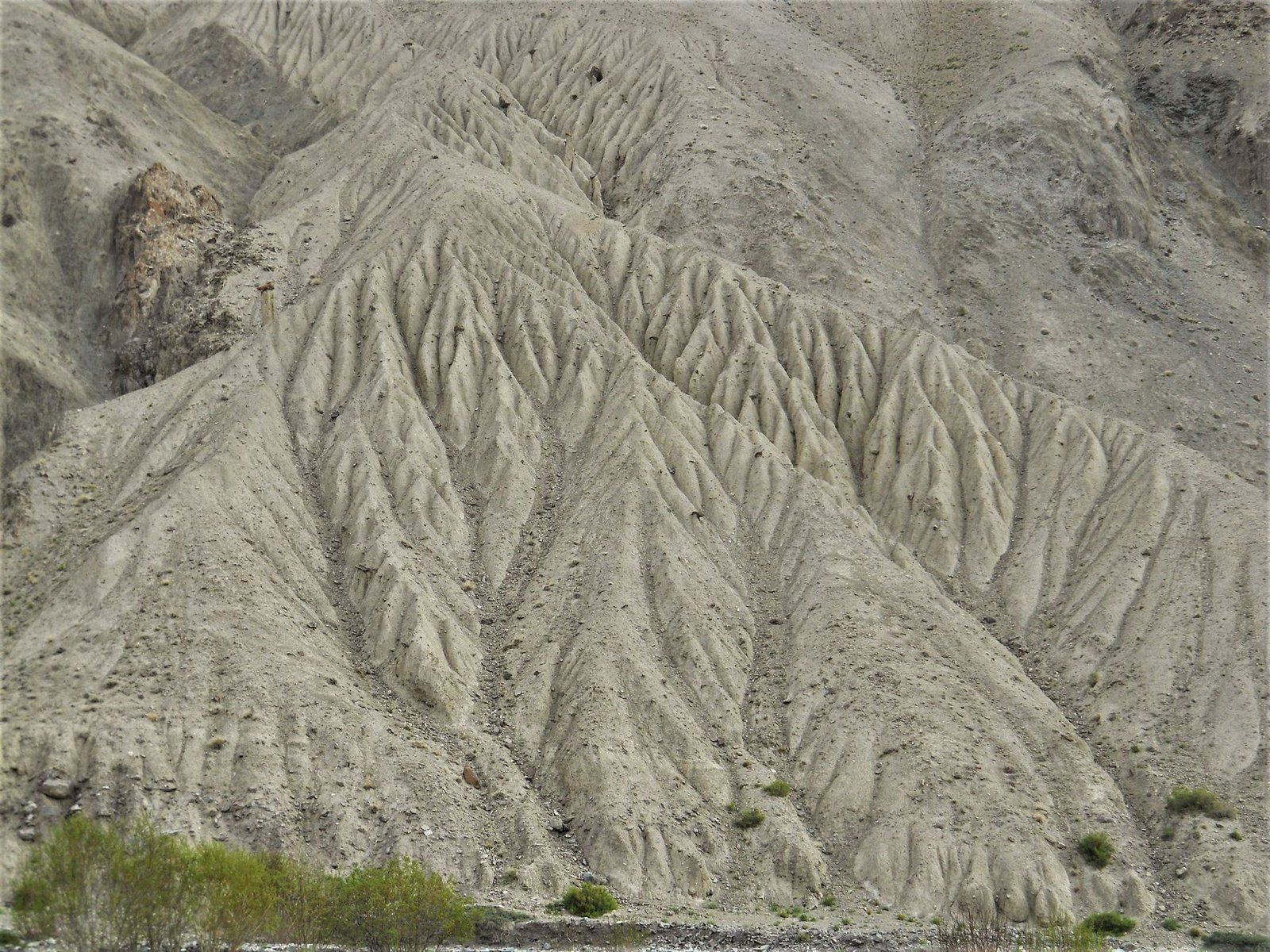
Ladakh’s fragile cold desert ecosystem is highly vulnerable to human impact. Practicing responsible tourism is not just a recommendation; it is a necessity to preserve this unique environment and support local communities.
You might also enjoy: Conquering the Roof of Africa: Your Ultimate Guide to Hiking Mount Kilimanjaro Tanzania
Leave No Trace Principles
Adhere strictly to the Leave No Trace principles:
- Plan Ahead and Prepare: Research regulations, designated trails, and camping zones.
- Travel and Camp on Durable Surfaces: Stick to established trails and campsites to prevent erosion and damage to vegetation. Avoid creating new paths.
- Dispose of Waste Properly: Carry out all trash, including biodegradable waste like food scraps, which decompose slowly at high altitudes. Avoid single-use plastics.
- Leave What You Find: Do not remove natural items or disturb historical sites.
- Minimize Campfire Impacts: Avoid campfires in sensitive areas.
- Respect Wildlife: Observe from a distance, never feed animals, and avoid disturbing their habitats.
- Be Considerate of Other Visitors: Keep noise levels low and respect the solitude of others.
Supporting Local Communities
Opt for local guides, porters, and homestays. Purchase locally made products and contribute to community-based tourism initiatives. This ensures that the economic benefits of tourism directly support the people who call Ladakh home.
Water Conservation
Ladakh is a high-altitude desert with scarce water resources. Be mindful of your water usage, especially in homestays. Utilize traditional dry composting toilets where available, as they conserve water and produce organic manure.
Personal Insights from Summit Reid, Experienced Hiker
For us, as experienced hikers, trekking in Ladakh is more than just a physical challenge; it’s a profound journey of self-discovery and connection with nature. We recall the crisp, thin air filling our lungs as we ascended a high pass, the silence broken only by the fluttering prayer flags and the distant call of a marmot. The sheer scale of the landscape, with its vast, uninhabited expanses, truly puts life into perspective. We have found that the challenging days on the trail, pushing our physical limits, are always rewarded by moments of unparalleled beauty – a sunrise painting the mountain peaks in hues of gold and crimson, or the simple warmth of a cup of butter tea shared with a local family in their homestay. These are the moments that etch themselves into memory, reminding us of the raw, untamed spirit of the Himalayas and the resilience of its people. The spiritual aura of the monasteries and the genuine smiles of the villagers are as much a part of the trekking experience as the majestic mountains themselves. It is a place that demands respect, preparation, and an open heart, and in return, it offers an experience that transforms and inspires.
Conclusion
Trekking in Ladakh India Himalayas offers an extraordinary adventure for those willing to embrace its challenges and immerse themselves in its unique charm. With careful preparation, a commitment to safety, and a deep respect for the environment and local culture, trekkers can unlock a truly transformative experience. The rugged beauty, spiritual tranquility, and warm hospitality of Ladakh await, promising memories that will last a lifetime. So, pack your bags, prepare your spirit, and answer the call of the high passes. Your unforgettable Himalayan adventure begins now.
Frequently Asked Questions
What is the best time of year for trekking in Ladakh?
The ideal time for trekking in Ladakh is generally from June to September. During these months, most trails are open, the weather is relatively stable with clear skies, and daytime temperatures are comfortable, although nights can still be cold at higher elevations.
Do I need special permits for trekking in Ladakh?
Yes, permits are often required for trekking in certain restricted areas of Ladakh. Indian nationals typically need an Inner Line Permit (ILP), while foreign nationals usually require a Protected Area Permit (PAP). These can often be obtained online or through registered travel agents in Leh.
How long should I acclimatize in Leh before starting a trek?
Acclimatization is crucial for preventing altitude sickness. It is highly recommended to spend a minimum of 2 to 3 days resting and engaging in light activities in Leh (at approximately 3,500 meters / 11,500 feet) before beginning any high-altitude trek.
Is trekking in Ladakh suitable for beginners?
Ladakh offers treks for various experience levels. Routes like the Sham Valley Trek are considered easy to moderate and are suitable for beginners or families. More challenging treks, such as the Markha Valley Trek, require a good level of physical fitness and some prior trekking experience.
Related Adventures
- Trekking in Nepal Himalayas Annapurna: Your Ultimate Guide to an Unforgettable Journey
- Conquering the Roof of Africa: Your Ultimate Guide to Hiking Mount Kilimanjaro Tanzania
- Conquering the High Sierra: Your Ultimate Guide to Hiking the John Muir Trail California
⚠️ Safety Notice: This content is for informational purposes only. Always consult local guides and operators, verify current conditions, and ensure appropriate skills and certifications before any outdoor activity. DiveBikeHike is not responsible for injuries or incidents.