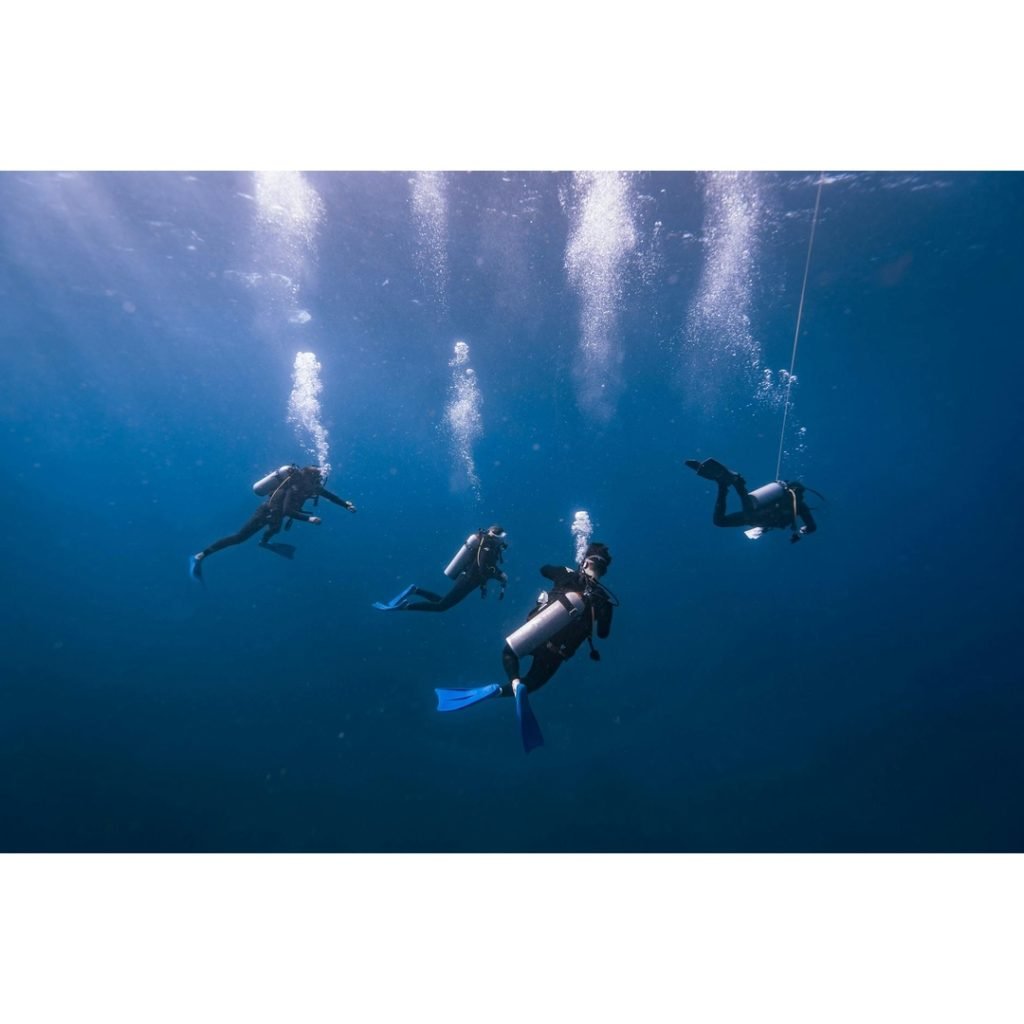
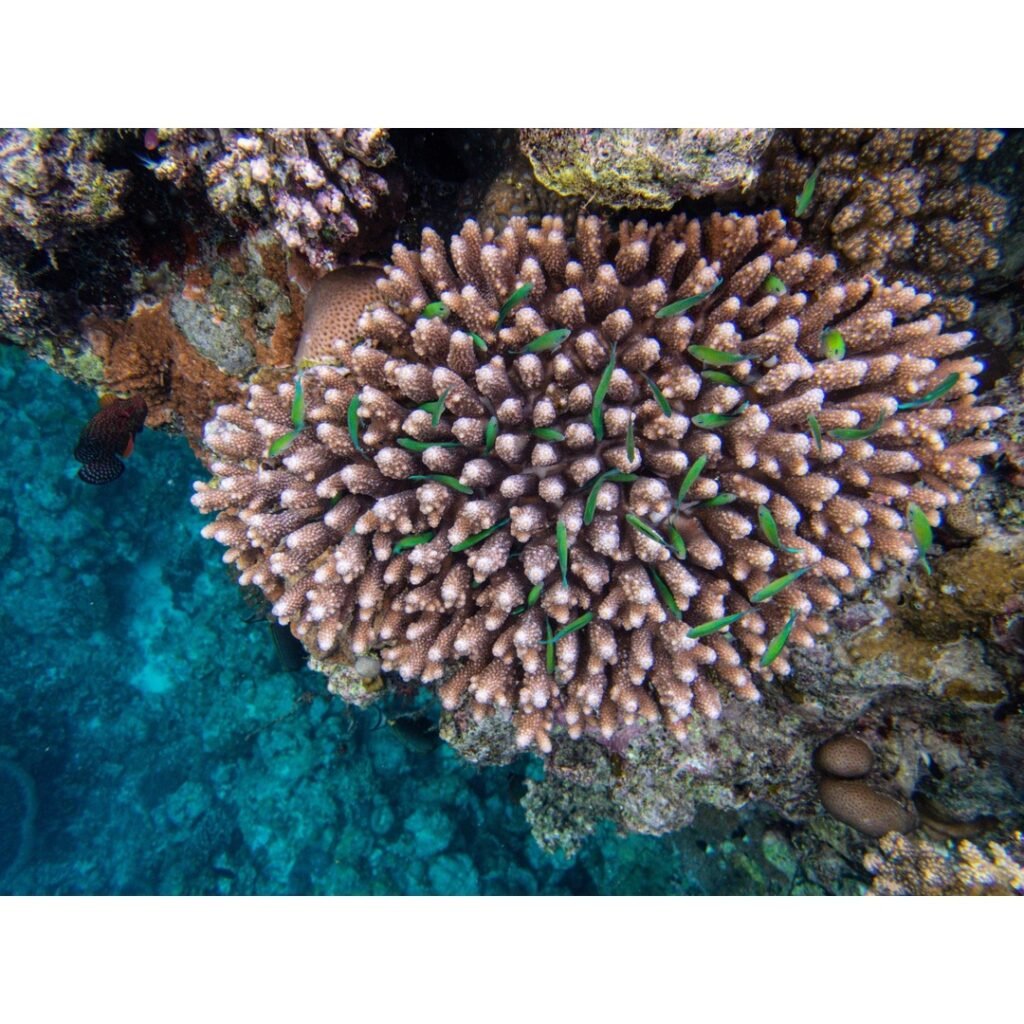
For many divers, the name Fiji conjures images of pristine waters, vibrant reefs, and unparalleled marine biodiversity. Among its many treasures, one site stands out as truly legendary: the Great White Wall. A dive here is not merely an excursion; it is an immersion into an ethereal underwater landscape that leaves an indelible mark on the soul. If you’re a scuba enthusiast seeking an extraordinary experience, then diving the Great White Wall Fiji should be at the very top of your bucket list.
As experienced dive masters, we have witnessed countless divers emerge from this site with expressions of pure awe. The Great White Wall is a testament to the ocean’s artistry, a place where nature paints with shades of white and lavender, creating a spectacle unlike any other on Earth.
Unveiling the Great White Wall: Location and Unique Features
The Great White Wall is located in the Somosomo Strait, a narrow passage between Fiji’s second and third largest islands, Vanua Levu and Taveuni. This strait is renowned as the “Soft Coral Capital of the World” and is home to the famous Rainbow Reef. The strong tidal currents that surge through the Somosomo Strait bring a constant supply of nutrient-rich water, fueling the incredible growth and vibrancy of the soft corals.
What makes the Great White Wall so unique is its sheer vertical face, blanketed almost entirely in a species of soft coral called Dendronephthya. These corals, when feeding, extend their polyps, transforming the wall into a luminous, pale lavender-white spectacle that truly lives up to its name. Divers often describe it as an underwater snowstorm or a living cathedral of ice and lace.
The Dive Experience: A Journey Through a Living Canvas
A typical dive at the Great White Wall often begins with an exciting entry through a unique vertical swim-through, sometimes referred to as a lava tube or tunnel. This passage, vibrant with smaller marine life and invertebrates, offers exits at various depths, commonly around 12-15 meters (40-50 feet) and 22-25 meters (72-82 feet).
Upon exiting the tunnel, divers are greeted by the vast, vertical expanse of the wall itself. The signature white soft corals predominantly display their iconic appearance starting at approximately 20 meters (66 feet) and extending beyond 30 meters (100 feet), plunging to depths of over 100 meters (300 feet). As you drift along the wall, the current carries you, allowing the entire wall to appear to pulse with light as millions of polyps filter plankton from the water. While predominantly white, closer inspection reveals subtle hues of lavender, pink, and blue, creating a dynamic color spectrum.
You might also enjoy: Unveiling the Ghost Fleet: An Ultimate Guide to Wreck Diving in Truk Lagoon Micronesia
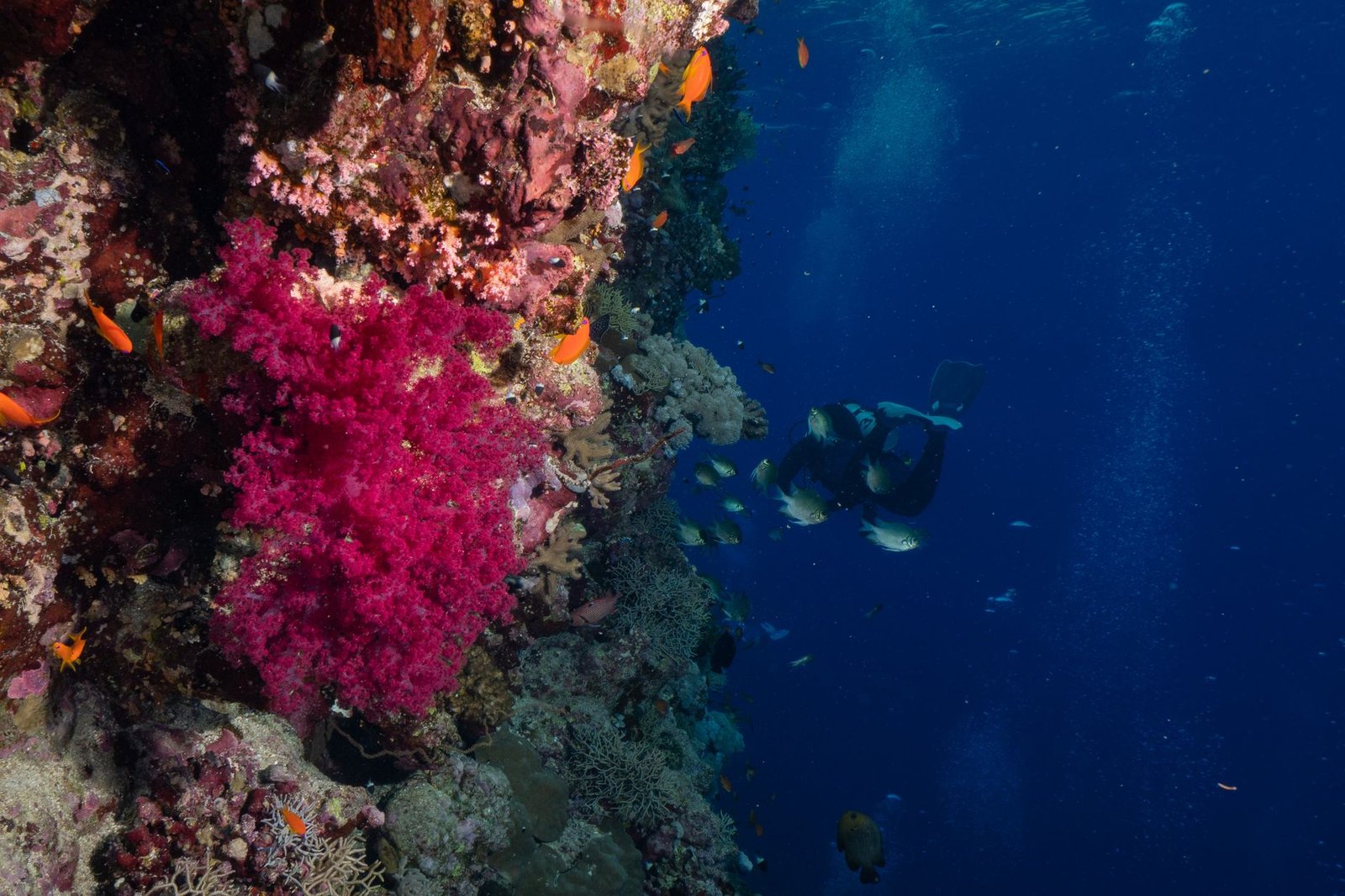
Beyond the soft corals, the Great White Wall teems with diverse marine life. Expect to encounter schools of bigeye trevally, fusiliers, and barracuda patrolling the blue. Napoleon wrasse and giant moray eels inhabit the wall’s crevices, while the occasional grey reef shark or whitetip reef shark may cruise the deeper sections. Hawksbill turtles are often seen grazing on sponges, and macro enthusiasts can spot pygmy seahorses on gorgonian fans and leaf scorpionfish among the soft corals.
Planning Your Dive: When and How to Experience the Great White Wall Fiji
Timing is paramount for experiencing the Great White Wall at its most spectacular. The iconic “bloom” of the white soft corals occurs during neap tides, which happen twice a month during the first and third quarter phases of the Moon. During these periods, the corals are actively feeding, extending their polyps to create the luminous white effect. Diving outside these times may reveal a “great brown wall” as the corals are closed. Dive operators typically publish schedules aligning with these optimal tidal conditions, so checking in advance is highly recommended.
Best Time to Visit Fiji for Diving
- Dry Season (May to October): This is generally considered the ideal time for diving in Fiji. Visibility is often excellent, frequently exceeding 30 meters (100 feet), and currents are more predictable. Water temperatures during this period typically range from 25-29°C (77-84°F).
- Wet Season (November to April): While still diveable, the wet season brings warmer water (27-30°C / 81-86°F) and higher humidity. Visibility can be slightly reduced due to increased plankton, which, while sometimes affecting clarity, can also attract larger filter feeders like manta rays.
Certification and Safety Considerations
Diving the Great White Wall is considered an advanced dive due to its deeper profiles, potential for strong currents, and the need to navigate swim-throughs. A minimum of an Advanced Open Water (AOW) certification is typically required. The wall itself starts at around 20 meters (66 feet), and the most spectacular sections are found at depths of 25-30 meters (82-100 feet) and beyond, which exceeds the depth limits of an Open Water certification.
Safety Guidelines:
- Currents: The Somosomo Strait is known for strong, tide-dependent currents. While dive operators aim to schedule dives during slack tide, currents can still be present and vary. Always follow your divemaster’s instructions and be prepared for drift diving.
- Buoyancy Control: Excellent buoyancy control is crucial, especially when navigating the swim-throughs and maintaining appropriate depth along the wall.
- Depth Management: Monitor your depth and bottom time carefully. Setting a depth alarm on your dive computer is a good practice for deeper wall dives.
- Dive Operator: Choose a reputable dive operator with experienced local guides who are adept at managing the conditions of the Great White Wall. They will assess conditions on the day to ensure safety.
- Equipment: A 3mm wetsuit is commonly used given water temperatures, but consider thermal protection based on your personal comfort and dive duration.
Practical Tips for an Unforgettable Dive
- Book in Advance: Due to the specific tidal windows, dive slots for the Great White Wall can fill up quickly. Book your trip and dives well in advance, especially if you have limited travel dates.
- Stay on Taveuni or Vanua Levu: Most dive operators accessing the Rainbow Reef and Great White Wall are based on Taveuni or Vanua Levu. Taveuni, known as Fiji’s “Garden Island,” offers lush landscapes and various resorts.
- Respect the Environment: The Great White Wall is a fragile ecosystem. Practice responsible diving by maintaining good buoyancy, avoiding contact with corals, and refraining from touching or disturbing marine life. Sau Bay Resort & Spa adopted this site in 2023 as part of PADI’s Adopt the Blue program, highlighting its ecological importance and commitment to protection.
- Bring a Camera: The visual spectacle of the Great White Wall is truly breathtaking. A wide-angle lens is ideal for capturing the grandeur of the wall, while a macro lens can reveal the intricate details of the corals and smaller inhabitants.
A Dive Master’s Perspective
Having guided countless dives around the world, we can confidently say that diving the Great White Wall Fiji is an experience that transcends the ordinary. There’s a moment, after descending through the lava tube and emerging onto the main wall, where the sheer scale and luminous beauty of the soft corals truly hit you. It’s like entering a dreamscape, where the vibrant blues of the ocean meet an impossibly white, undulating garden. The gentle sway of the corals in the current, the darting reef fish, and the occasional glimpse of a passing pelagic create a symphony of life that is both humbling and exhilarating. It’s a reminder of the ocean’s incredible power and delicate beauty, a privilege to witness, and a memory that stays with us long after we’ve surfaced.
Conclusion: Your Call to the White Wall
The Great White Wall of Fiji is more than just a dive site; it’s a natural wonder, a vibrant ecosystem, and a profound experience for any diver. Its unique geology, coupled with the astonishing abundance of soft corals and diverse marine life, makes it a destination of legendary status. By understanding the optimal conditions, preparing appropriately, and diving responsibly, you can unlock the magic of this underwater marvel.
You might also enjoy: Philippines Whale Sharks: Your Ultimate Guide to Diving with Gentle Giants
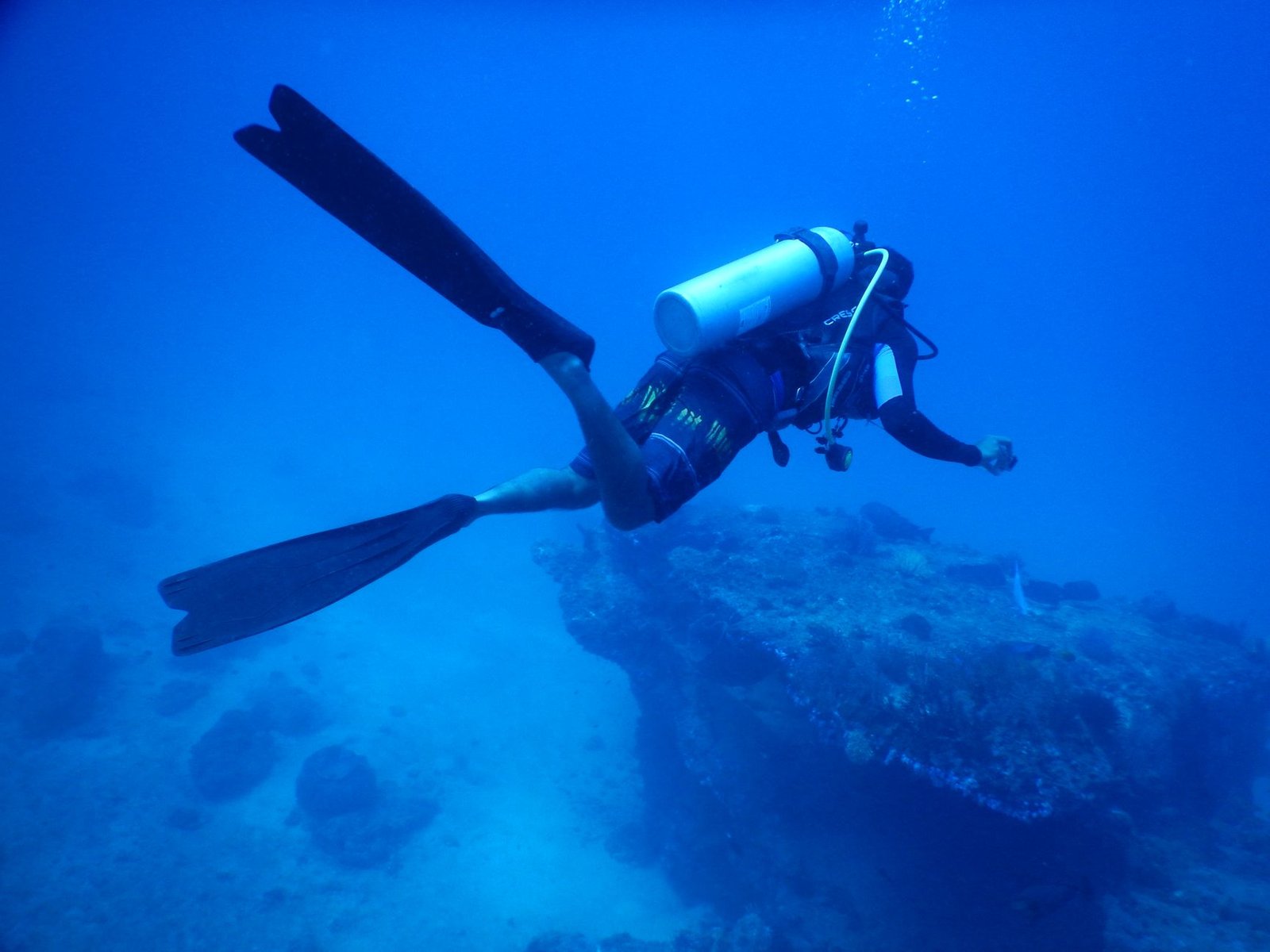
Are you ready to witness the ethereal beauty of Fiji’s Great White Wall? Start planning your adventure today and prepare to be captivated by one of the ocean’s most spectacular displays. The whispers of the Somosomo Strait await your descent.
Frequently Asked Questions
What makes the Great White Wall Fiji so special?
The Great White Wall is renowned for its sheer vertical cliff face, which is almost entirely covered in luminous white Dendronephthya soft corals. When these corals extend their polyps to feed, they create an ethereal, snow-like underwater landscape, a truly unique spectacle in the diving world.
What is the best time of year to dive the Great White Wall?
The optimal time to dive the Great White Wall is during Fiji’s dry season, from May to October, when visibility is generally best and currents are more predictable. Crucially, the iconic “bloom” of the white corals occurs during neap tides, which happen twice a month, so planning your trip around these lunar cycles is essential.
What certification level is required for diving the Great White Wall?
Diving the Great White Wall is considered an advanced dive. Divers are typically required to hold a minimum of an Advanced Open Water (AOW) certification due to the depths involved (20-30 meters and beyond) and the potential for strong currents and swim-throughs.
What kind of marine life can be seen at the Great White Wall?
Beyond the spectacular soft corals, divers can expect to see a rich variety of marine life, including schools of barracuda, trevally, and fusiliers. Napoleon wrasse, giant moray eels, hawksbill turtles, and various reef sharks are also common. Macro enthusiasts can find pygmy seahorses and leaf scorpionfish.
Related Adventures
- Unveiling the Ghost Fleet: An Ultimate Guide to Wreck Diving in Truk Lagoon Micronesia
- Philippines Whale Sharks: Your Ultimate Guide to Diving with Gentle Giants
- Guadalupe Island: The Ultimate Guide to Diving with Great White Sharks
⚠️ Safety Notice: This content is for informational purposes only. Always consult local guides and operators, verify current conditions, and ensure appropriate skills and certifications before any outdoor activity. DiveBikeHike is not responsible for injuries or incidents.