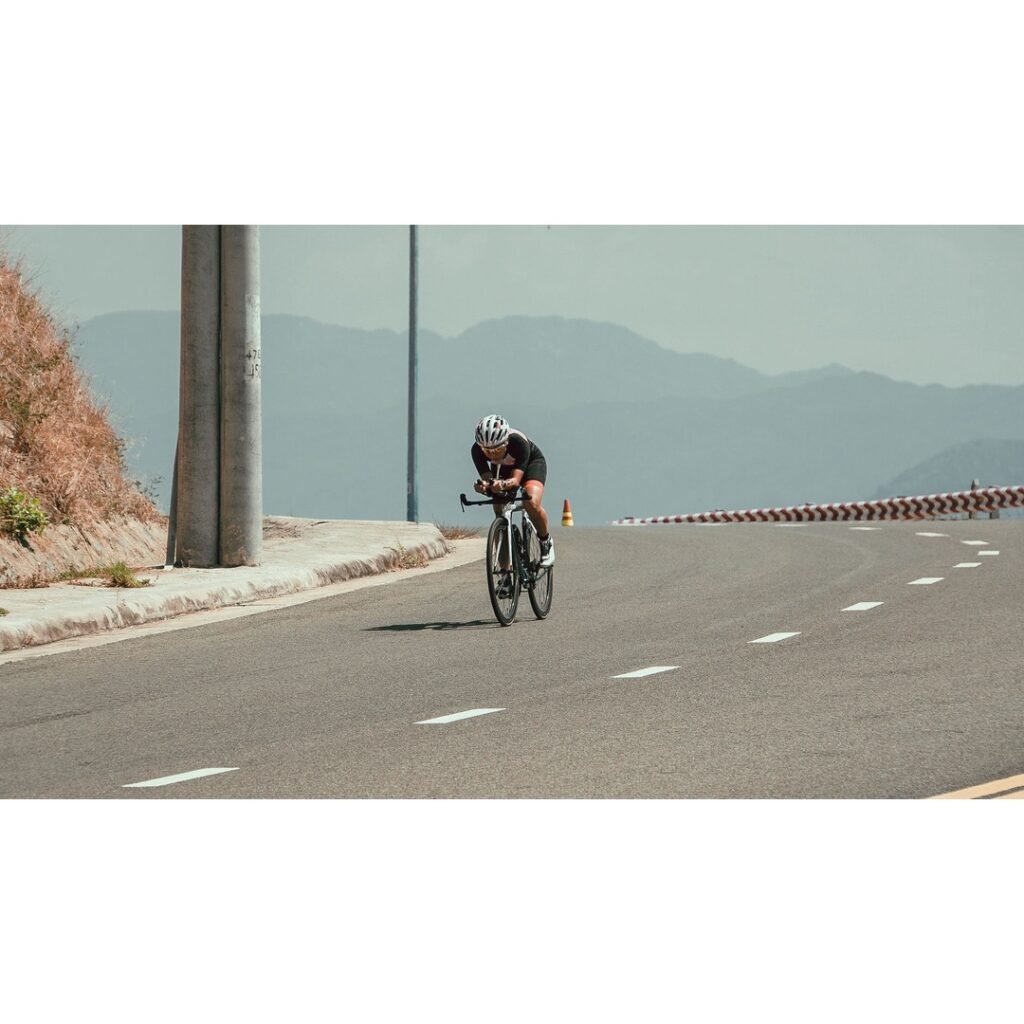
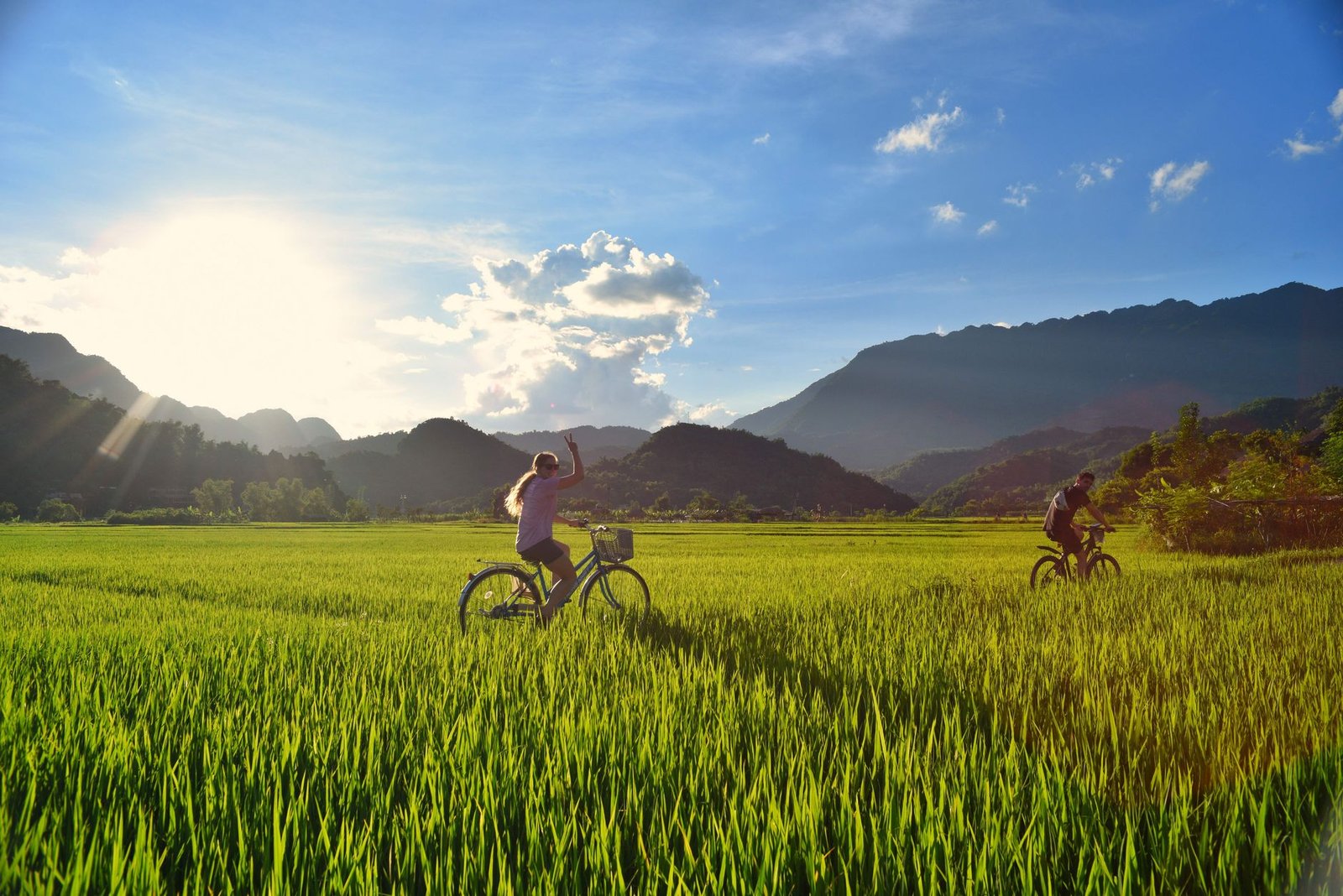
For many cycling enthusiasts, the call of an exotic adventure is irresistible. Few destinations answer that call quite like the Mekong Delta in Vietnam. Imagine pedaling through a labyrinth of waterways, past emerald rice paddies, and beneath the shade of coconut palms. This is the immersive experience of cycling the Mekong Delta Vietnam – a journey that transcends mere sightseeing and delves deep into the heart of local life.
The Mekong Delta, often referred to as the “Rice Bowl of Vietnam,” is a vast, fertile region shaped by the mighty Mekong River. Its intricate network of canals, lush fruit orchards, and bustling floating markets offer a unique backdrop for exploration on two wheels. As experienced cyclists, we find that the bicycle provides an unparalleled intimacy with this vibrant landscape, allowing us to venture where larger vehicles cannot, crossing rustic bridges and navigating narrow paths.
Embracing the Delta’s Unique Terrain and Routes
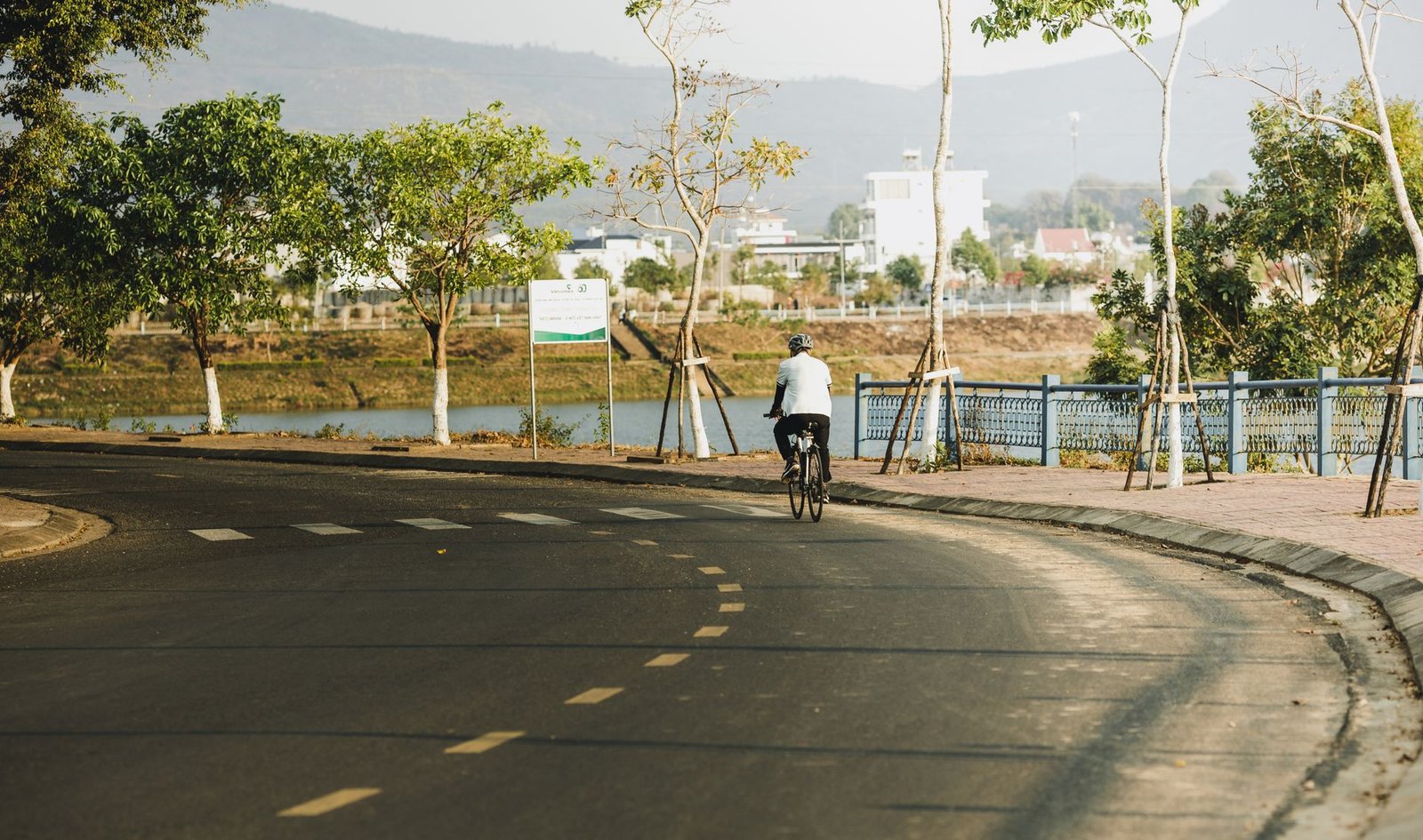
One of the most appealing aspects of cycling the Mekong Delta Vietnam is its predominantly flat terrain. This characteristic makes it accessible and enjoyable for cyclists of all experience levels, from seasoned riders to those seeking a more relaxed pace. The routes typically consist of a mix of quiet sealed roads, narrow concrete paths, and occasional compacted dirt tracks, often running alongside canals and through charming villages.
Popular cycling hubs in the Delta include Can Tho, Ben Tre, Cai Be, An Giang, Vinh Long, and Tra Vinh. Each province offers its own distinct flavor:
- Ben Tre: The Land of Coconuts – Known for its dense coconut groves and “monkey bridges,” Ben Tre offers shaded lanes perfect for exploring.
- Can Tho: Floating Market Hub – As the largest city in the Delta, Can Tho is a gateway to the bustling Cai Rang floating market. The surrounding countryside also provides fantastic cycling opportunities along small canals, past traditional brick kilns and hidden pagodas.
- Tra Vinh: Khmer Cultural Trails – This province offers a different perspective, with picturesque villages, serene landscapes, and numerous Khmer temples, reflecting the significant Khmer minority community.
Multi-day tours often connect these locations. For instance, a ride from My Tho to Can Tho via Vinh Long covers approximately 100 kilometers, offering a great variety of small tracks and water crossings. Many routes involve navigating the Delta’s waterways via small local ferries, which adds an authentic and often thrilling element to the journey.
Optimal Timing and Climate for Your Mekong Delta Cycling Adventure
The Mekong Delta experiences a tropical climate, with consistently warm temperatures typically ranging between 26°C and 34°C (79°F–93°F) and an average humidity level of 68% year-round. The region has two distinct seasons:
- Dry Season (December to April): This is generally considered the most comfortable and popular time for cycling. It offers sunny weather, lower humidity, and clear skies, ideal for long-distance rides without sudden downpours.
- Rainy Season (May to November): While some travelers might hesitate, the rainy season has its own charm. Occasional afternoon showers are common, but they rarely last all day. The countryside transforms into a lush, vibrant green, and the waterways are fuller, offering a different, equally appealing perspective.
Regardless of the season, early mornings are consistently recommended as the best time to cycle. The air is cooler, and local life is just beginning to stir, offering a peaceful and authentic start to the day.
You might also enjoy: Mongolia’s Gravel Frontier: An Epic Cycling Adventure Across the Steppe
Practical Tips for a Smooth Cycling Experience
Gear Up for Success
Having the right equipment can significantly enhance your cycling the Mekong Delta Vietnam adventure:
- Bicycle: While many homestays offer free bikes, their quality can be basic. For multi-day tours or more serious riding, consider renting a good quality hybrid or mountain bike from a specialized tour operator. E-bikes are also an option for those seeking assistance on longer rides.
- Helmet: Although not legally enforced for cyclists, wearing a well-fitting helmet is highly recommended for safety.
- Clothing: Pack light, breathable clothing suitable for hot and humid conditions. High-visibility clothing is advisable, especially during early mornings or late evenings. A lightweight rain jacket is a good idea, particularly during the rainy season.
- Footwear: Comfortable cycling shoes or sneakers are preferred. Cleated shoes (clipless pedals) are generally not recommended for the Mekong Delta due to the frequent stops, winding single tracks, and varied terrain.
- Essentials: Carry sunscreen, a wide-brimmed hat, sunglasses, a personal medical kit, and insect repellent. Stay hydrated by carrying plenty of water; bottled water is widely available.
Navigating and Safety
The Delta’s roads are generally quiet, but traffic etiquette differs from Western norms. Here are key safety considerations:
- Stay Right: Always stick to the right side of the road, where most cyclists travel to avoid faster vehicles.
- Be Predictable: Maintain a steady pace and avoid sudden changes in direction. Use clear hand signals to indicate turns or stops.
- Awareness: Be prepared for the unexpected. Motorbikes are prevalent, and large vehicles like buses and trucks have significant blind spots. Keep a safe distance and avoid riding directly beside them.
- Avoid Peak Hours: If possible, avoid cycling during peak traffic times, typically from 4 PM to 6 PM, especially in larger towns.
- Hydration & Rest: The tropical heat can be intense. Drink plenty of water and plan for regular rest stops to prevent heat exhaustion.
Training and Technique
While the flat terrain means no strenuous climbs, preparing for long days in humid conditions is beneficial. Focus on:
- Endurance: Build up your cycling endurance with rides of similar duration to those planned for your trip.
- Pacing: Learn to pace yourself to conserve energy, especially in the heat.
- Bike Handling: Practice riding on varied surfaces if possible, as you may encounter narrow paths and small bridges.
Personal Insights from the Saddle
As cyclists who have explored many corners of the world, we can attest that the Mekong Delta offers a truly unique and deeply rewarding experience. The absence of significant elevation gain means the focus shifts from physical struggle to sensory immersion. We recall one particular morning cycling near Cai Be, the air thick with the scent of ripening fruit and the distant sounds of a floating market. Children would wave enthusiastically from wooden bridges, and farmers would offer warm smiles from their rice paddies.
The “monkey bridges” in Ben Tre, though sometimes challenging to navigate, were always a highlight, connecting us to the most secluded corners of the Delta. Crossing rivers on small, wooden ferries alongside locals, their motorbikes, and even livestock, provided a genuine glimpse into daily life. These moments, often unplanned, are the true treasures of cycling the Mekong Delta Vietnam.
Stopping at a roadside stall for a fresh coconut or a glass of sugarcane juice, prepared right in front of us, was a refreshing ritual. Engaging with local artisans demonstrating traditional crafts like rice paper making or coconut candy production offered fascinating cultural insights. It is these authentic interactions and the slow pace of discovery that make this region so special for cyclists.
You might also enjoy: Cycling Cape Town: Your Ultimate Adventure Guide
Conclusion: Your Mekong Delta Adventure Awaits
Cycling the Mekong Delta Vietnam is more than just a bike tour; it is an intimate journey into a landscape where tradition and nature intertwine. It offers a rare sense of freedom, allowing for deep cultural connection and unforgettable memories. From the vibrant floating markets of Can Tho to the serene Khmer temples of Tra Vinh, every pedal stroke reveals a new facet of this enchanting region.
Whether you opt for a guided tour with full support or a self-guided exploration with GPS maps, the Mekong Delta promises an adventure tailored to your pace. So, prepare your gear, embrace the warmth of the Vietnamese people, and get ready to discover the genuine heartbeat of Vietnam on two wheels. The forgotten backroads and winding waterways are waiting for your exploration.
Frequently Asked Questions
Is the Mekong Delta suitable for all cycling skill levels?
Yes, the Mekong Delta is largely flat, making it suitable for cyclists of all experience levels, from beginners to seasoned riders. The terrain primarily consists of quiet, paved roads, narrow concrete paths, and some dirt tracks.
What is the best time of year for cycling in the Mekong Delta?
The dry season, from December to April, is generally considered the best time for cycling due to sunny weather and lower humidity. However, the rainy season (May to November) offers lush green landscapes and fuller waterways, with most showers occurring in the afternoon.
Do I need special gear for cycling the Mekong Delta?
Essential gear includes a helmet, light and breathable clothing, sunscreen, a hat, and comfortable cycling shoes (clipless pedals are not recommended). A rain jacket is advisable, especially during the wet season. High-visibility clothing is also a good idea for safety.
Can I rent a good quality bicycle in the Mekong Delta?
While some homestays offer basic bikes, for higher quality bicycles suitable for multi-day tours, it is best to rent from specialized tour operators. Many tour companies also offer e-bikes for easier riding.
Related Adventures
- Mongolia’s Gravel Frontier: An Epic Cycling Adventure Across the Steppe
- Cycling Cape Town: Your Ultimate Adventure Guide
- Cycling the Danube River Bike Path Europe: An Unforgettable Adventure
⚠️ Safety Notice: This content is for informational purposes only. Always consult local guides and operators, verify current conditions, and ensure appropriate skills and certifications before any outdoor activity. DiveBikeHike is not responsible for injuries or incidents.