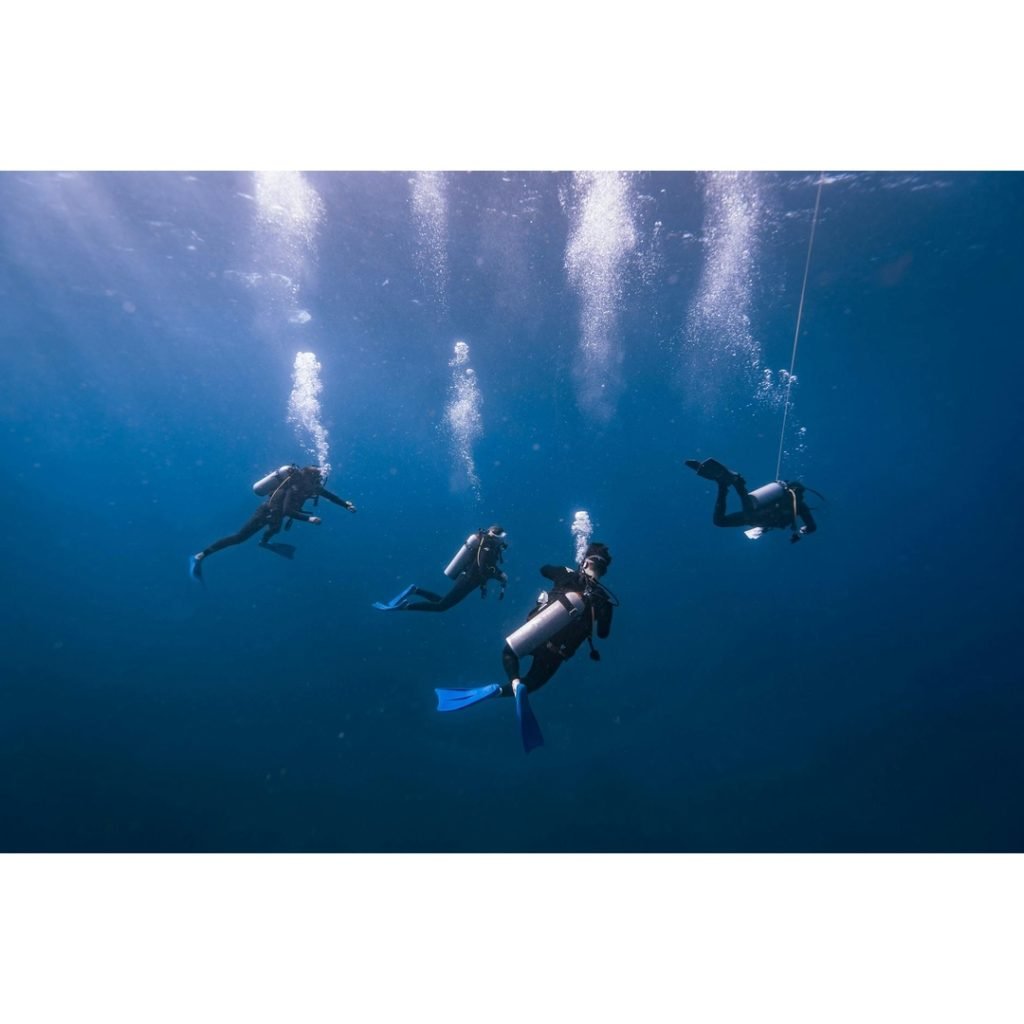
For those who hear the call of the ocean’s depths, the name Bonaire often resonates with a special kind of reverence. Nestled in the southern Caribbean Netherlands, this island gem has rightfully earned its reputation as a diver’s paradise. It is a place where the vibrant tapestry of marine life thrives, protected by a long-standing commitment to conservation, and where the ease of access to its underwater wonders is virtually unmatched globally. Scuba diving Bonaire Caribbean Netherlands offers an extraordinary blend of breathtaking beauty, remarkable biodiversity, and unparalleled convenience, making it an ideal destination for any dive enthusiast.
The allure of Bonaire lies not just in its crystal-clear waters and abundant reefs, but in the philosophy that underpins its entire diving culture. The island’s dedication to preserving its marine ecosystem is evident in every aspect of a dive trip, from the mandatory marine park tag to the strict no-touch policies. This comprehensive guide aims to provide a deeper analysis of what makes scuba diving in Bonaire so exceptional, offering detailed comparisons, practical advice, and insights gleaned from years of exploring these incredible waters.
The Bonaire National Marine Park: A Legacy of Conservation
The foundation of Bonaire’s pristine underwater environment is the Bonaire National Marine Park (BNMP), established in 1979. This protected area encompasses the entire coastline of Bonaire, Klein Bonaire, and the surrounding waters down to a depth of 200 feet (60 meters). The BNMP’s mission is to protect and manage the island’s natural, cultural, and historical resources, ensuring their ecologically sustainable use for future generations. This long-term commitment to conservation has resulted in some of the healthiest and most diverse coral reefs in the Caribbean.
All users of the marine park, including divers and snorkelers, are required to purchase a STINAPA Nature Tag. This mandatory fee, approximately $45 per diver for a calendar year, directly funds the park’s conservation and management efforts. Divers who have not dived in Bonaire within the last calendar year are also required to attend a diver orientation, which outlines the BNMP regulations and provides essential information for responsible diving.
Scuba Diving Bonaire Caribbean Netherlands: A Shore Diving Mecca
Bonaire is globally renowned as the “Shore Diving Capital of the World,” and for excellent reasons. The island’s unique geological formation features a fringing reef that begins remarkably close to the shore, often just a short swim of 30 feet (10 meters) or less. This accessibility, combined with calm waters and minimal currents on the leeward (west) side of the island, makes independent shore diving incredibly convenient and rewarding.
With over 80 officially marked dive sites along Bonaire’s west coast and around Klein Bonaire, divers have an unparalleled freedom to explore at their own pace and schedule. These sites are typically marked by distinctive yellow painted stones along the coastal road, making navigation straightforward.
Essential Gear for Shore Diving
To fully embrace the shore diving experience, a rental pickup truck is considered essential. These vehicles provide ample space for tanks, gear, and often come equipped with specialized dive tank racks, ensuring cylinders are transported securely. Some rental companies even offer “shore dive edition” trucks with added amenities like freshwater showers, lockboxes for valuables, and waterproof seat covers, enhancing comfort and convenience between dives.
Iconic Dive Sites: A Detailed Exploration
Bonaire’s dive sites offer a diverse range of underwater topography and marine encounters, catering to all skill levels. Here are some of the most celebrated locations:
- Bari Reef: Often cited as one of the most species-rich dive sites in the Caribbean, Bari Reef is located directly in front of several resorts in Kralendijk. Its shallow, calm waters make it ideal for beginners and snorkelers, yet its incredible biodiversity, with over 300 documented fish species, keeps even the most experienced divers captivated. The reef slope gradually descends, revealing a vibrant ecosystem teeming with parrotfish, angelfish, moray eels, and an array of macro life.
- Hilma Hooker: This iconic wreck dive is a must-see for many visitors. The 236-foot (70-meter) freighter was purposely sunk in 1984 and now rests on its side between two reefs at a depth of approximately 60 to 100 feet (18 to 30 meters). Divers can explore its wide-open cargo holds, often encountering schools of tarpon, barracuda, and various reef fish that have made the wreck their home. The Hilma Hooker offers an exhilarating experience for advanced open water divers and above.
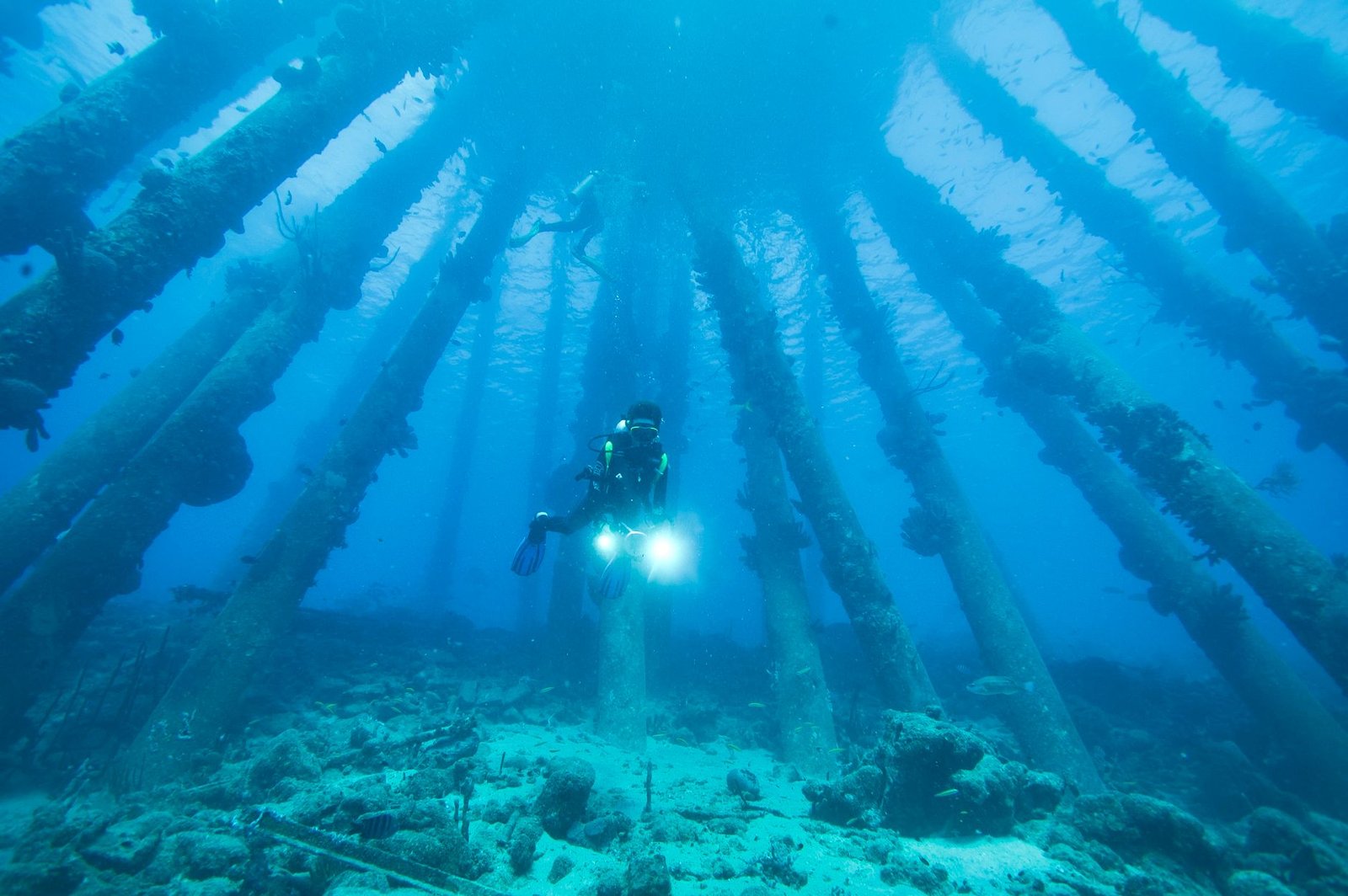
- Salt Pier: A truly unique and highly photogenic site, Salt Pier is located in the southern part of the island near the salt flats. The massive pillars supporting the pier are encrusted with a spectacular array of soft corals, sponges, and anemones, creating a vibrant underwater garden. Large schools of grunts, snappers, and often turtles, reef squid, and eagle rays can be found congregating in the shadows of the structure. It is important to note that diving at Salt Pier is only permitted when no ship is docked for loading, and permission may need to be sought from local dive shops.
- 1000 Steps: Despite its name, this popular northern site actually features approximately 67 limestone steps leading down to a beautiful white sand beach. The effort of the climb is well worth it, as the dive reveals stunning formations of star coral that resemble underwater pagodas. Turtles, manta rays, and a wide variety of reef creatures are frequently sighted here.
- Karpata: Located further north within the Washington Slagbaai National Park, Karpata is celebrated for its pristine reef, dramatic wall structures, and healthy coral formations. This site offers excellent visibility and a chance to see larger pelagic species, as well as an abundance of colorful reef fish. The entry can be a bit more challenging due to the rocky shore, but the rewards are significant.
Boat Diving Experiences: Exploring Klein Bonaire and Beyond
While shore diving is a hallmark of Bonaire, boat diving offers access to a different set of experiences, particularly around the uninhabited islet of Klein Bonaire. Just a short boat ride from the main island, Klein Bonaire is entirely protected both above and below the surface, boasting some of the most pristine reefs in the area.
You might also enjoy: Unveiling the Underwater Paradise: A Diver’s Guide to Maldives Dive Resorts and Sites
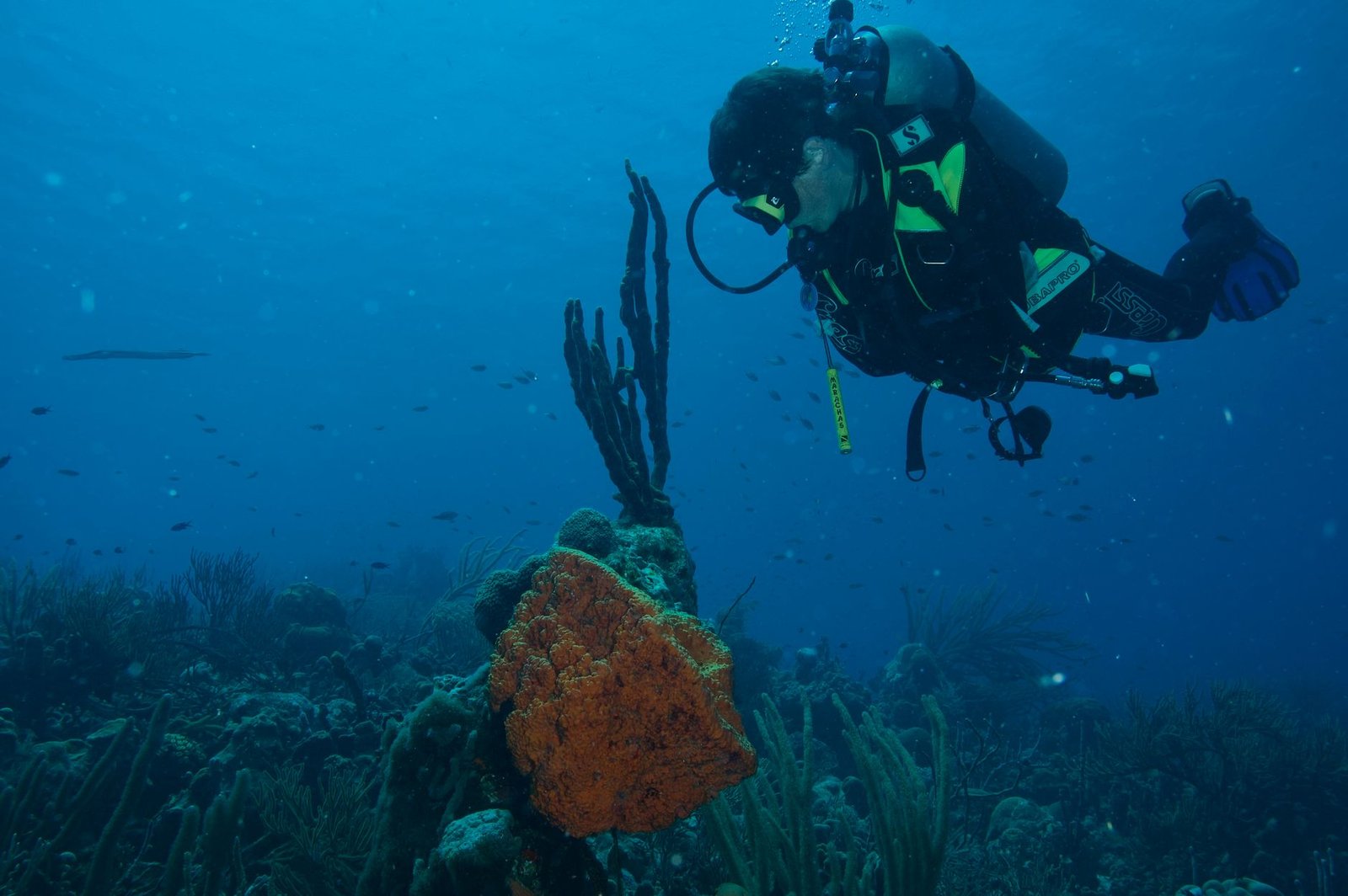
Dive sites around Klein Bonaire, such as “Forest,” “South Bay,” and “Karl’s Hill,” are known for their vibrant coral gardens, impressive sponge formations, and abundant marine life, including turtles, rays, and occasionally nurse sharks. Boat dives also provide opportunities to explore sites on the main island that are less accessible from shore, or to experience the typically calmer conditions of the west coast.
Marine Life Encounters: A Kaleidoscope of Biodiversity
Bonaire’s commitment to marine conservation has fostered an incredibly rich and diverse underwater ecosystem. Divers can expect to encounter a stunning array of marine life, from vibrant reef fish to fascinating invertebrates and larger pelagic species. The island’s reefs are home to over 350 fish species and nearly 60 coral species.
Common sightings include various species of angelfish (French, Queen), butterflyfish, parrotfish, surgeonfish, and schools of grunts and snappers. Moray eels (green and spotted) are frequently observed peeking from coral crevices. Macro enthusiasts will delight in searching for elusive creatures like frogfish, seahorses, pipefish, and various cleaner shrimp. Green sea turtles and hawksbill turtles are common residents, gracefully gliding through the water. While rare, lucky divers might even spot larger visitors such as manta rays or eagle rays.
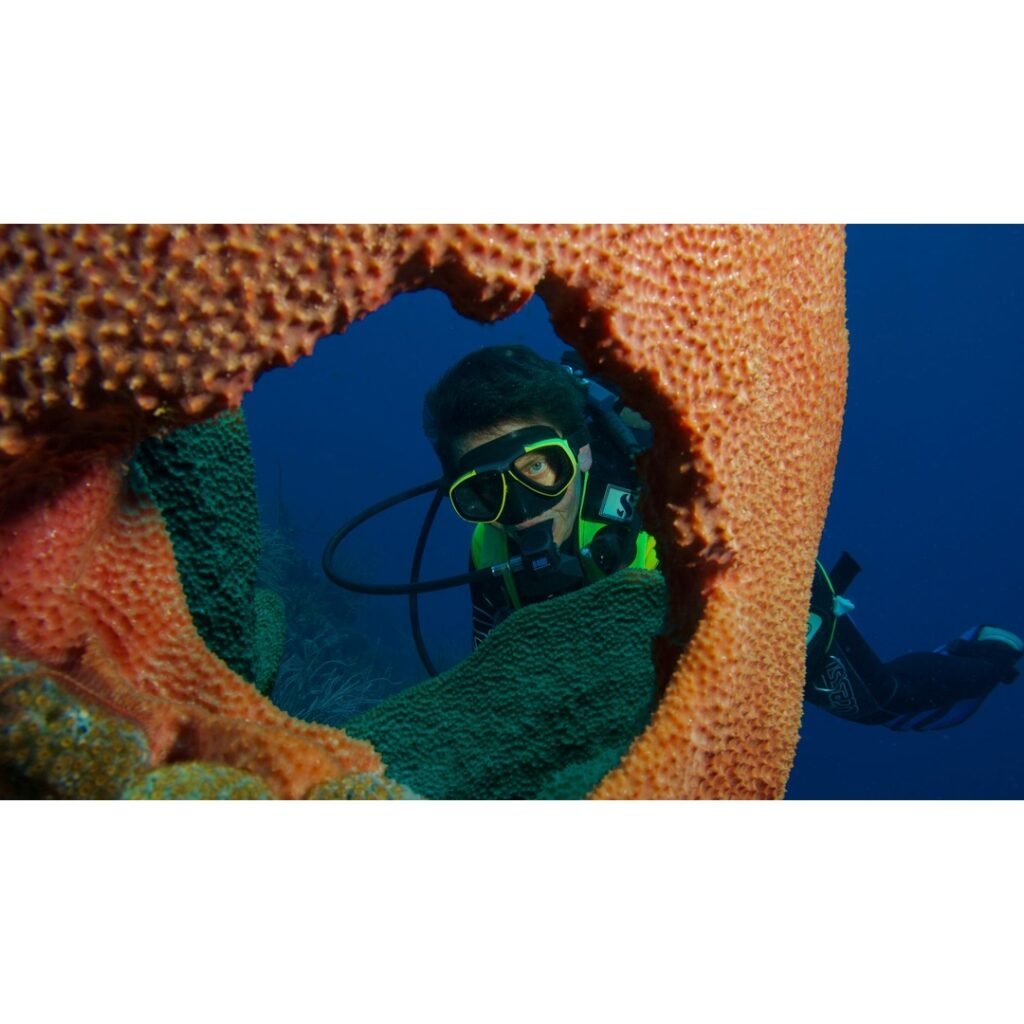
The health of Bonaire’s coral reefs is particularly noteworthy. Massive brain coral formations, some centuries old, create dramatic underwater landscapes, while staghorn and elkhorn corals, increasingly rare elsewhere, still flourish, forming critical habitats for juvenile fish. The soft corals, such as sea fans and gorgonians, add bursts of color and graceful movement to the reef, creating a truly immersive experience.
Technical Details and Dive Conditions
Bonaire offers consistently excellent diving conditions year-round, making it an attractive destination regardless of the season.
- Water Temperature: The water temperature remains pleasantly warm throughout the year, typically ranging from 78 to 86°F (26 to 30°C). While some divers are comfortable in just a skin suit, a 3mm wetsuit is generally recommended for thermal protection during repetitive dives and against minor abrasions.
- Visibility: Visibility is consistently excellent, often exceeding 100 feet (30 meters) on the west coast. Even on days with slightly reduced visibility, it typically remains in the 60-80 foot (18-24 meter) range, offering clear views of the vibrant underwater world.
- Currents: On the sheltered west coast, where most dive sites are located, currents are generally minimal, making for relaxed and enjoyable dives. This allows divers to set their own pace and spend ample bottom time exploring. However, the far northern, southern, and eastern reaches of the island can experience stronger and more unpredictable currents, which are recommended for advanced divers and often require a guide.
Beyond the Reef: Topside Adventures
While scuba diving Bonaire Caribbean Netherlands is undoubtedly the main draw, the island offers a variety of topside activities to complement a dive vacation. The Washington Slagbaai National Park, accessible with the same STINAPA Nature Tag as the marine park, provides opportunities for hiking, birdwatching (including flamingos), and exploring Bonaire’s unique desert landscape. Lac Bay, on the windward side, is famous for windsurfing and kayaking through its well-preserved mangrove forests. Exploring the charming capital of Kralendijk with its colorful architecture and local eateries also offers a pleasant diversion.
Practical Tips and Actionable Advice
Planning a dive trip to Bonaire involves a few key considerations to ensure a smooth and enjoyable experience:
You might also enjoy: Discover the Unparalleled Coral Reefs of Raja Ampat, Indonesia: A Diver’s Quick Guide
- Accommodation and Dive Operators: Many resorts on Bonaire cater specifically to divers, offering “drive and dive” packages that often include accommodation, unlimited shore diving, and a rental truck. Researching these packages can simplify logistics.
- Dive Certification: An Open Water certification (PADI/SSI equivalent) is the minimum requirement for independent diving. For those without certification, many dive shops offer Discover Scuba Diving experiences under instructor supervision or full certification courses.
- Responsible Diving Practices: Adhering to the Bonaire National Marine Park rules is paramount. This includes maintaining excellent buoyancy control to avoid contact with the reef, refraining from touching or collecting any marine life (living or dead), and not feeding fish. The use of gloves and pointer sticks is generally prohibited, except for specific medical exceptions or wreck diving. Divers are also encouraged to use reef-safe sunscreen.
- Safety Equipment: Carrying a Surface Marker Buoy (SMB) is recommended, especially in shallow waters, to indicate a diver’s presence to boat traffic. Dive insurance, such as DAN (Divers Alert Network) membership, is also strongly advised, as Bonaire has its own recompression chamber.
- Tank Services: Most dive resorts and dedicated dive centers offer convenient drive-through tank services, allowing divers to easily pick up fresh tanks and drop off empty ones throughout the day. This infrastructure is crucial for maximizing shore diving opportunities.
Safety Considerations for Scuba Diving Bonaire Caribbean Netherlands
While Bonaire is known for its calm and forgiving conditions, safety should always be a top priority. Divers should:
- Conduct an Orientation Dive: As mandated by the BNMP, an orientation dive with a local dive shop is required upon arrival for those who haven’t dived Bonaire recently. This helps familiarize divers with local conditions, entry/exit points, and marine park regulations.
- Monitor Conditions: Although currents are generally mild on the west coast, conditions can vary. Divers should always assess the entry and exit points for surge or stronger currents, especially at less sheltered sites. The east coast is typically reserved for advanced divers with experienced guides due to more challenging conditions.
- Plan Dives Conservatively: Given the freedom of unlimited shore diving, it is easy to accumulate significant bottom time. Divers should plan their dives conservatively, monitor their no-decompression limits, and adhere to appropriate surface intervals to minimize the risk of decompression sickness.
- Stay Informed about SCTLD: Stony Coral Tissue Loss Disease (SCTLD) has affected Caribbean reefs. Divers should stay informed about the latest protocols and guidelines from STINAPA regarding dive site closures or specific decontamination procedures to prevent further spread.
Personal Insights from an Experienced Dive Master
From the perspective of an experienced dive master, Bonaire consistently stands out as a unique and deeply satisfying dive destination. The sheer independence it offers is unparalleled. There is a profound sense of freedom in loading up a truck with tanks, driving to a yellow marker, and stepping directly into a vibrant underwater world without the constraints of a boat schedule. We have observed countless divers, from newly certified open water enthusiasts refining their buoyancy in the calm shallows to seasoned professionals capturing intricate macro shots, all finding their rhythm in Bonaire’s waters. The consistent water temperatures and exceptional visibility allow for extended, comfortable dives, fostering a deeper connection with the marine environment. It is a place where one can truly focus on the wonders unfolding before them, rather than battling challenging conditions. The island’s unwavering commitment to conservation is palpable; the health of the reefs and the abundance of marine life are a testament to decades of dedicated protection, making every dive a privilege and a reminder of what truly pristine ecosystems can offer.
Conclusion: Your Bonaire Dive Adventure Awaits
Scuba diving Bonaire Caribbean Netherlands is an experience that transcends the ordinary. It is a destination that combines world-class diving with unparalleled accessibility, a vibrant marine ecosystem, and a profound commitment to conservation. From the easy shore entries to the breathtaking boat dives around Klein Bonaire, every moment spent beneath the waves reveals a kaleidoscope of color and life. The island’s unique infrastructure, friendly atmosphere, and dedication to protecting its natural treasures create an ideal environment for divers of all levels to explore, learn, and be inspired.
Whether one seeks the thrill of a wreck dive, the tranquility of a coral garden, or the challenge of spotting rare macro creatures, Bonaire delivers. It is more than just a dive trip; it is an immersion into a philosophy of responsible exploration and appreciation for the underwater world. So, pack the gear, secure that truck rental, and prepare to discover why Bonaire truly is the ultimate diver’s paradise. Your next unforgettable adventure awaits in the clear, warm embrace of the Caribbean Netherlands.
Frequently Asked Questions
What is the best time of year for scuba diving Bonaire Caribbean Netherlands?
Bonaire offers excellent scuba diving conditions year-round due to its consistently warm climate and location outside the main hurricane belt. Water temperatures typically range from 78-86°F (26-30°C). The period from April to November often sees fewer crowds and calmer seas, though good diving is available throughout the year.
Do I need a special permit or tag to dive in Bonaire?
Yes, all divers and snorkelers in Bonaire are required to purchase a STINAPA Nature Tag, which serves as a marine park fee. This tag costs approximately $45 for divers for a calendar year and helps fund the conservation efforts of the Bonaire National Marine Park. An orientation dive with a local dive shop is also mandatory for those who haven’t dived Bonaire in the last year.
What kind of marine life can be seen while scuba diving Bonaire Caribbean Netherlands?
Bonaire’s reefs are teeming with diverse marine life, including over 350 fish species and nearly 60 coral species. Divers frequently encounter various angelfish, parrotfish, moray eels, sea turtles (green and hawksbill), and a wide array of macro life such as frogfish, seahorses, and cleaner shrimp. Larger species like tarpon, barracuda, and occasionally eagle rays or manta rays are also sighted.
Is Bonaire suitable for beginner divers?
Absolutely. Bonaire is highly recommended for beginner divers due to its calm waters, minimal currents on the west coast, and healthy reefs that start close to shore. The excellent visibility and shallow drop-offs provide an ideal environment for new divers to practice buoyancy skills and gain confidence while enjoying abundant marine life.
Related Adventures
- Unveiling the Underwater Paradise: A Diver’s Guide to Maldives Dive Resorts and Sites
- Discover the Unparalleled Coral Reefs of Raja Ampat, Indonesia: A Diver’s Quick Guide
- Scuba Diving Komodo National Park Indonesia: An Unforgettable Underwater Adventure
⚠️ Safety Notice: This content is for informational purposes only. Always consult local guides and operators, verify current conditions, and ensure appropriate skills and certifications before any outdoor activity. DiveBikeHike is not responsible for injuries or incidents.