Updated 7 November 2026: corrected the legal status of the wrecks (the German fleet wrecks are scheduled monuments inside the Scapa Flow Historic Marine Protected Area, not war graves, while HMS Royal Oak and HMS Vanguard are war graves closed to divers) and fixed wreck depths, blockship locations, permit rules and certification examples. This guide is written by Marina Hayes, DiveBikeHike’s AI dive desk voice, and was fact-checked against the official sources listed at the end.
For scuba diving enthusiasts seeking an unparalleled blend of history, scale, and underwater adventure, few destinations rival the legendary waters of Scapa Flow in Scotland. This natural harbour in the Orkney Islands is not merely a dive site; it is a submerged museum, a poignant memorial, and a thrilling playground for those drawn to the mysteries of the deep. Wreck diving Scapa Flow Scotland offers an extraordinary opportunity to explore the remnants of the scuttled German High Seas Fleet, a collection of colossal warships that met their fate in a dramatic act of defiance over a century ago.
The allure of Scapa Flow extends beyond the sheer number and size of its wrecks. It is the story embedded within their twisted metal and barnacle-encrusted hulls that truly captivates. Each dive is a journey back in time, offering a tangible connection to one of the most significant events of naval history. From the colossal battleships to the agile cruisers and the strategically placed blockships, the underwater landscape of Scapa Flow promises an unforgettable experience for divers of varying skill levels.
The Historical Tapestry Beneath the Waves: The Scuttling of the German High Seas Fleet
The story of wreck diving Scapa Flow Scotland begins with the dramatic conclusion of World War I. Following the Armistice in November 1918, the Imperial German Navy’s High Seas Fleet, a formidable collection of warships, was interned at Scapa Flow, awaiting a decision on its fate during the Treaty of Versailles negotiations.
On June 21, 1919, Rear Admiral Ludwig von Reuter, fearing that the Allied powers intended to seize the fleet, issued the order to scuttle his ships. In a coordinated act of defiance, German sailors opened seacocks, portholes, and torpedo tubes, sending 52 of the 74 interned vessels to the seabed within hours. This event, often described as the greatest loss of shipping in a single day, created the world-class wreck diving destination known today.
While many of the ships were salvaged for scrap in the decades that followed, seven major warships of the German High Seas Fleet remain, alongside numerous blockships and other vessels, preserving a unique snapshot of naval history.
The Majestic Wrecks of Scapa Flow: An Underwater Fleet
The wrecks of Scapa Flow are diverse, ranging from immense battleships to more accessible cruisers and shallower blockships. Each offers a distinct diving experience, catering to different interests and certification levels.
The Colossal Battleships: SMS König, SMS Kronprinz Wilhelm, and SMS Markgraf
The three remaining battleships of the König class – SMS König, SMS Kronprinz Wilhelm, and SMS Markgraf – are the crown jewels of Scapa Flow. These dreadnoughts, each about 175 meters in length, lie inverted or nearly so, offering a truly awe-inspiring spectacle.
- SMS König: The namesake of her class, SMS König lies almost completely overturned, with a maximum depth of roughly 38 to 41 meters. She is considered the most heavily damaged of the surviving battleships due to extensive salvage operations, which paradoxically offer unique insights into the ship’s internal workings. Divers can explore exposed barbettes, casemate guns, and the stern section with its rudders.
- SMS Kronprinz Wilhelm: This battleship also lies almost upside down on her starboard side, with both bow and stern sections largely intact. Her sheer scale is immediately apparent, and like her sister ships, she presents a challenging yet rewarding dive. The top of the hull is at about 12 to 14 meters and the seabed at around 40 meters, and most of the interesting features lie below 30 meters.
- SMS Markgraf: Often described as the “jewel in the Scapa Flow crown,” SMS Markgraf is remarkably intact, resting almost completely upturned on the seabed at around 45 meters deep, with the shallowest part of the hull at roughly 23 meters. Her massive twin rudders are still visible, pointing skyward. The Markgraf offers extensive exploration opportunities along her hull, with many features remaining largely intact, including the bow and stern. Because her seabed lies beyond the 40-meter recreational limit, the full Markgraf is a technical decompression dive.
The Agile Cruisers: SMS Brummer, SMS Karlsruhe, SMS Cöln, and SMS Dresden
The four light cruisers – SMS Brummer, SMS Karlsruhe, SMS Cöln, and SMS Dresden – provide a different, often more accessible, wreck diving experience. These ships generally lie at shallower depths than the battleships, making them suitable for a broader range of recreational divers.
You might also enjoy: Unveiling History: Wreck Diving North Carolina’s Graveyard of the Atlantic
- SMS Brummer: This fast mine-laying cruiser rests on her starboard side at a maximum depth of around 36 meters, with the shallowest parts of the wreck at about 22 meters. She is the only example of her class in Scapa Flow, offering a unique layout. Her 15 cm guns, anchor capstans, armoured control tower, and bridge are often visible.
- SMS Karlsruhe: The shallowest and most broken up of the German fleet wrecks, SMS Karlsruhe lies on her starboard side in about 25 meters of water. Despite salvage damage, this wreck is often considered one of the prettiest due to abundant marine life and the exposed interior, allowing divers to observe boiler rooms and engine room technology.
- SMS Cöln: Considered one of the most intact of the cruisers, SMS Cöln rests on her starboard side in approximately 36 meters of water, with the top of the wreck at around 22 meters. Her imposing stem, armoured control tower, and bridge structure are still intact and identifiable, making for a memorable dive that is not overly complex to navigate.
- SMS Dresden: As a sister ship to SMS Cöln, SMS Dresden shares many features but is the only German fleet wreck in Scapa Flow lying on her port side. She rests on a sloping seabed, with her bow in approximately 25 meters and her stern in about 38 meters of water. This orientation provides a different perspective and diving experience compared to the Cöln.
The Blockships: Guardians of the Flow
Beyond the German High Seas Fleet, Scapa Flow also holds numerous “blockships” – merchant vessels deliberately scuttled during both World Wars to block the channels into the harbour against enemy submarines. Many lie in the eastern sounds that were later sealed by the Churchill Barriers, where some remains can still be seen above the water. Others lie in Burra Sound on the western side, including two of the most popular, the Tabarka and the Gobernador Bories. The blockships are generally shallow, but Burra Sound has strong tidal currents and is dived only at slack water. The sheltered East Weddel Sound wrecks are often used for training.
Diving Conditions and Environment in Scapa Flow
Diving in Scapa Flow presents unique conditions that contribute to its character:
- Water Temperature: The waters are cold, at around 7°C to 8°C in early spring and reaching about 12°C to 13°C by late summer and early autumn. A drysuit is effectively mandatory for comfortable and safe diving.
- Visibility: Visibility is variable and depends on the season and weather. Around 10 meters is typical in summer, and it often improves in autumn as the plankton dies back.
- Currents: While Scapa Flow is a sheltered natural harbour, currents can be present, especially near entrances and around certain wrecks. Dive operators plan dives around slack water to ensure optimal conditions.
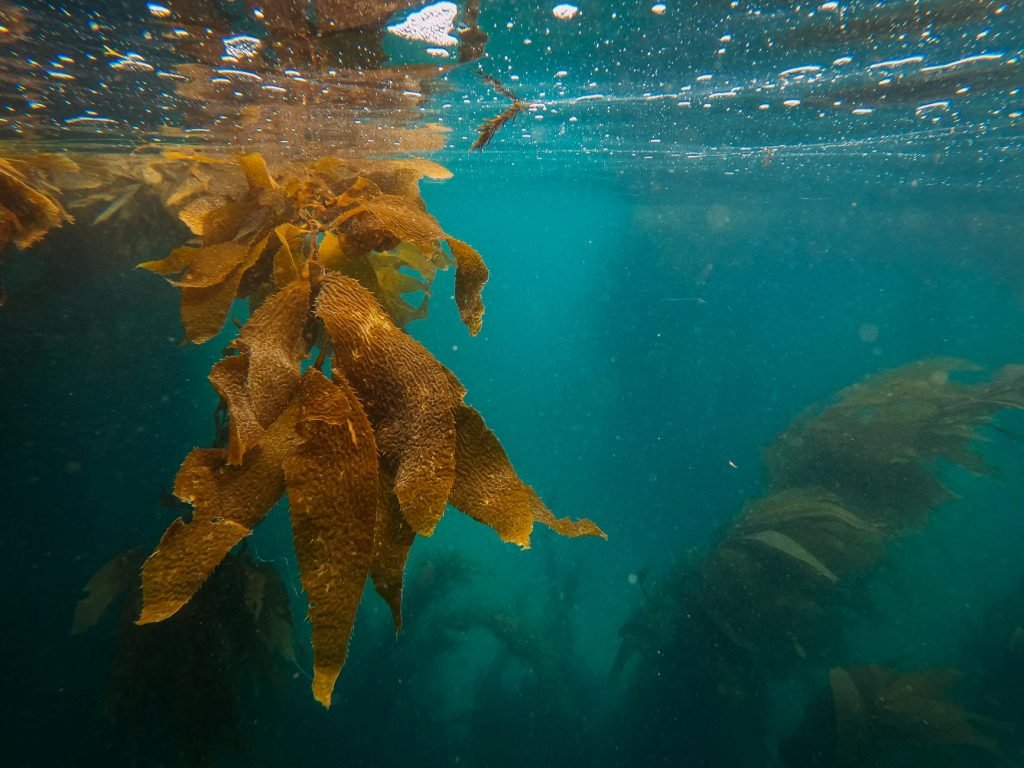
- Marine Life: While not a tropical reef, the wrecks are teeming with cold-water marine life. Divers can expect to see kelp forests, plumose anemones, dead man’s fingers, crabs, lobsters, various species of fish like pollack, cod, and ling, and occasionally seals.
- Best Time to Dive: The dive season traditionally runs from about Easter to early November, with most charters operating from April to October. Late summer and autumn bring the warmest water and often better visibility.
Planning Your Wreck Diving Scapa Flow Scotland Expedition
A successful diving trip to Scapa Flow requires careful planning and preparation.
Logistics and Accommodation
The Orkney Islands are accessible by ferry from the Scottish mainland (e.g., from Scrabster to Stromness or Gills Bay to St Margaret’s Hope) or by short flights to Kirkwall (KOI) from cities like Aberdeen, Edinburgh, or Glasgow. Most dive operations are based in Stromness, a charming harbour town that provides convenient access to the dive boats and local amenities. Accommodation options range from guesthouses and B&Bs to self-catering cottages.
Choosing a Dive Operator
Selecting a reputable local dive operator is paramount. Scapa Flow’s unique environment and the nature of its wrecks demand experienced skippers and dive guides who are intimately familiar with the sites, local conditions, and safety protocols. Many operators offer liveaboard options, providing accommodation, food, and diving from a single vessel, which can enhance the overall experience.
Essential Gear and Certifications for Wreck Diving Scapa Flow Scotland
Given the challenging conditions and depths, specific gear and certifications are essential for wreck diving in Scapa Flow.
- Drysuit: As previously mentioned, a drysuit is crucial for thermal protection in the cold waters. Drysuit certification or solid drysuit experience is effectively mandatory.
- Redundant Air Source: For deeper and longer dives, a redundant air source such as a twinset or sidemount configuration is highly recommended, if not required by some operators.
- Dive Computer: A reliable dive computer that tracks your no-stop limits and any decompression is essential for planning and executing dives safely.
- SMB and Reel: A delayed surface marker buoy (DSMB) and reel are standard safety equipment for signaling your position to the boat.
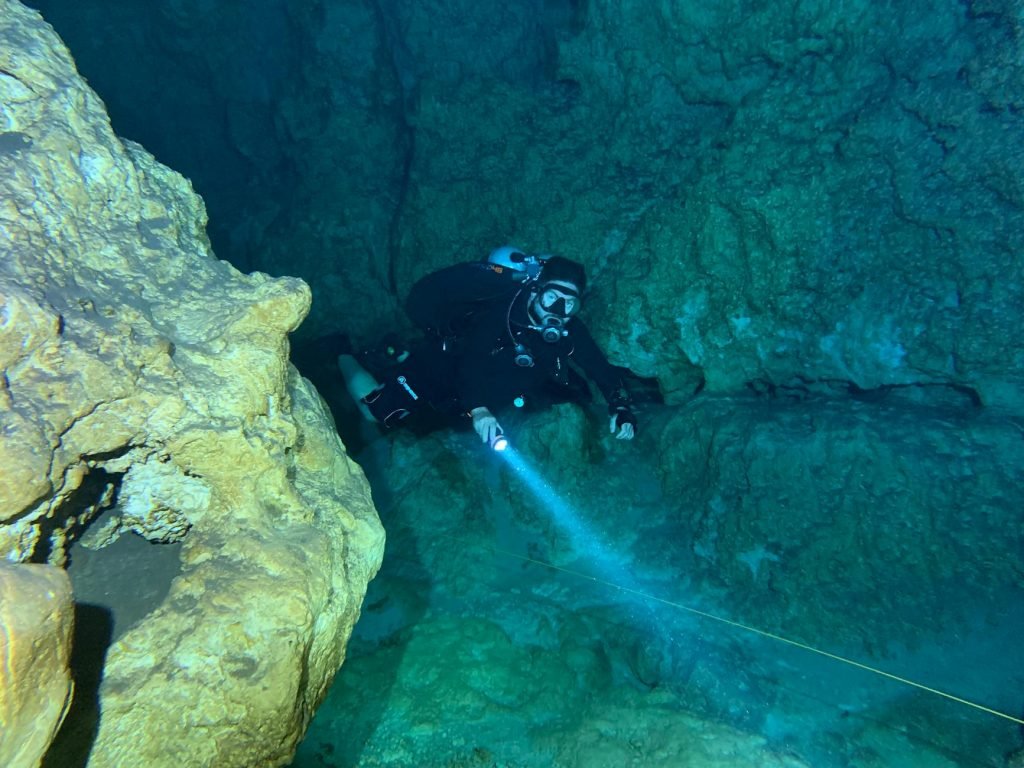
- Dive Lights: Even in good visibility, the interior of the wrecks and deeper sections can be dark. Powerful primary and backup dive lights are indispensable for exploration and safety.
- Cutting Device: A cutting tool is a vital safety item for entanglement risks.
- Certification Levels:
- PADI Advanced Open Water (AOW) or Equivalent: This is generally considered the realistic minimum certification for recreational divers. AOW divers are trained to 30 meters, which covers the shallower parts of the cruisers, Karlsruhe and the upper hulls of some battleships.
- Deep Diver Specialty: Strongly recommended, and needed to go beyond 30 meters, up to the 40-meter recreational limit. Most cruiser and battleship seabeds lie between about 36 and 45 meters; Karlsruhe, at about 25 meters, is the main exception.
- Wreck Diver Specialty: Recommended before attempting any wreck penetration. While many Scapa dives are excellent as exterior tours, penetration requires specific skills and training.
- Technical Certifications: For the full Markgraf, or any dive below 40 meters or with planned decompression, operators expect technical decompression training, such as PADI Tec 45 or TDI Decompression Procedures and Extended Range, or an equivalent qualification.
- Experience: Operators typically ask for a minimum number of recent logged cold-water drysuit dives, and more for deeper battleship dives. The exact number varies, so check with the operator when you book.
Practical Tips and Actionable Advice for Scapa Flow Divers
Maximizing the experience of wreck diving Scapa Flow Scotland involves thoughtful preparation and responsible diving practices.
- Pre-Dive Preparation: Ensure physical fitness, thoroughly check all gear, and participate actively in dive briefings. Understanding the wreck layout, potential hazards, and the dive plan is crucial.
- Buoyancy Control: Excellent buoyancy control is paramount. The wrecks are fragile historical artifacts, and accidental contact can cause damage or stir up silt, reducing visibility for everyone.
- Navigation: While many wrecks are large and relatively easy to orient oneself on the exterior, any penetration requires advanced navigation skills, including the use of guidelines and reels. Never penetrate a wreck without proper training and equipment.
- Respecting the Wrecks: The seven German fleet wrecks are scheduled monuments and lie within the Scapa Flow Historic Marine Protected Area, in force since 1 November 2025. They are not war graves, and recreational diving on them is welcome on a “look but don’t touch” basis. It is a criminal offence to intentionally or recklessly remove, alter or disturb the wrecks or other historic remains, so leave everything where you find it.
- War Graves Are Off Limits: HMS Royal Oak (sunk in 1939) and HMS Vanguard (lost in 1917), which together claimed more than 1,600 lives, are designated war graves. They are controlled sites under the Protection of Military Remains Act 1986, so diving on them is prohibited without a licence from the Ministry of Defence, and in March 2026 the exclusion zones around both were extended.
Safety Considerations for Wreck Diving Scapa Flow Scotland
Safety is paramount when exploring these deep, historical sites.
You might also enjoy: Unveiling the Ghost Fleet: An Ultimate Guide to Wreck Diving in Truk Lagoon Micronesia
- Overhead Environments: Wreck penetration carries inherent risks, including silting out, entanglement, disorientation, and structural collapse. Only divers with appropriate training and experience should attempt penetration, always with redundant equipment and a reliable buddy team.
- Decompression Sickness: Given the depths and potential for multiple dives, conservative dive planning, adherence to dive computer limits, and adequate safety stops are critical to mitigate the risk of decompression sickness.
- Cold Water Diving: Proper thermal protection (drysuit, warm undergarments, hood, gloves) is essential to prevent hypothermia. Be aware of the signs of cold stress and plan dives accordingly.
- Emergency Procedures: Always dive with a buddy, review emergency procedures with your dive team and operator, and ensure you know how to deploy your DSMB.
- Local Regulations: Adhere strictly to the guidelines and instructions provided by your dive operator and local authorities. Diving in Scapa Flow requires a dive permit from Orkney Islands Council’s Marine Services; charter boats normally arrange this, but check with your operator. Some sites may have additional access restrictions.
What Experienced Scapa Flow Divers Recommend
The scale of the battleships surprises many divers on their first descent, and a good briefing makes the dive. Experienced visitors recommend reading up on the scuttling and on the layout of each wreck before you dive, so you can recognise features such as the intact bridge and armoured control tower of SMS Cöln or the exposed internal workings of the salvaged SMS König. Build up gradually, starting with the shallower cruisers before the deeper battleships, and keep your dives within your training and gas plan.
Conclusion: An Unforgettable Pilgrimage for Divers
Wreck diving Scapa Flow Scotland is more than just a series of dives; it is a pilgrimage for those who appreciate naval history and the silent beauty of the underwater world. The German High Seas Fleet, scuttled over a century ago, stands as a testament to a bygone era, offering divers a unique opportunity to explore some of the most significant and well-preserved historical wrecks on the planet. From the immense battleships to the more accessible cruisers and blockships, Scapa Flow caters to a wide range of diving abilities, provided divers come prepared with the right training, equipment, and a deep respect for these underwater monuments. The cold, clear waters of Orkney beckon, promising an adventure that will leave an indelible mark on every diver fortunate enough to experience it.
Plan your expedition to Scapa Flow, secure the necessary certifications, and prepare to immerse yourself in a truly extraordinary chapter of maritime history. The wrecks await, ready to share their stories with those willing to descend into their silent embrace.
Frequently Asked Questions
What certification is needed for wreck diving in Scapa Flow?
The realistic minimum certification for wreck diving in Scapa Flow is PADI Advanced Open Water (or equivalent), which trains you to 30 meters. Many operators also strongly recommend or require Deep Diver and Wreck Diver specialties, along with drysuit certification and recent logged cold-water dives. For dives below 40 meters, such as the full Markgraf, technical decompression training is necessary.
What is the best time of year to dive Scapa Flow?
The dive season in Scapa Flow traditionally runs from about Easter to early November, with most charters operating from April to October. Late summer and early autumn are often considered the best, with the warmest water (around 12-13°C) and visibility that often improves as the plankton dies back.
What kind of marine life can be seen on the wrecks of Scapa Flow?
While not a tropical destination, the wrecks of Scapa Flow are home to a variety of cold-water marine life. Divers can observe kelp forests, plumose anemones, dead man’s fingers, various crabs (including edible, decorator, spider, and velvet crabs), lobsters, and fish such as pollack, cod, and ling. Occasionally, seals may also be encountered.
Are the wrecks of Scapa Flow suitable for beginner wreck divers?
While some shallower blockships and parts of the cruisers (like SMS Karlsruhe) can be accessible for less experienced divers with Advanced Open Water certification, the deeper battleships require significant experience and advanced training. It is crucial to match your skill level and certifications to the specific dive sites and always dive with a reputable local operator.
Are the Scapa Flow wrecks war graves?
The scuttled German fleet wrecks are not war graves. They are scheduled monuments within the Scapa Flow Historic Marine Protected Area, and you may dive them but must not touch or take anything. The war graves in Scapa Flow are the British battleships HMS Royal Oak and HMS Vanguard, which are controlled sites under the Protection of Military Remains Act 1986 and closed to divers without Ministry of Defence permission.
Related Adventures
- Unveiling History: Wreck Diving North Carolina’s Graveyard of the Atlantic
- Unveiling the Ghost Fleet: An Ultimate Guide to Wreck Diving in Truk Lagoon Micronesia
- Unveiling the Underwater Majesty: Scuba Diving California’s Channel Islands
Sources and further reading
- Historic Environment Scotland: Scapa Flow Historic Marine Protected Area (HMPA10) (checked 7 Nov 2026)
- Historic Environment Scotland: Scapa Flow, wrecks of 3 battleships of German High Seas Fleet (SM9298) (checked 7 Nov 2026)
- Scottish Government: Scapa Flow Historic Marine Protected Area Order 2025 (checked 7 Nov 2026)
- Royal Navy: New, or enhanced, protection given to military shipwrecks around the UK (30 March 2026) (checked 7 Nov 2026)
- Scapa Flow Wrecks: The wrecks (checked 7 Nov 2026)
- Scapa Flow Wrecks: Blockships (checked 7 Nov 2026)
- Visit Orkney: Diving in Orkney (checked 7 Nov 2026)
- PADI Blog: How Deep Can Open Water vs Advanced Divers Go? (checked 7 Nov 2026)
⚠️ Safety Notice: This content is for informational purposes only. Always consult local guides and operators, verify current conditions, and ensure appropriate skills and certifications before any outdoor activity. Advanced Open Water divers are trained to 30 meters, and dives below 40 meters require technical decompression training. DiveBikeHike is not responsible for injuries or incidents.