The call of the wild often leads adventurers to distant, untamed lands, and few destinations answer with the raw majesty of the Simien Mountains in Ethiopia. Known as the “Roof of Africa,” this UNESCO World Heritage site is a realm of colossal peaks, plunging gorges, and unique wildlife found nowhere else on Earth. For those with a passion for high-altitude exploration, trekking Simien Mountains Ethiopia promises an experience that is both physically exhilarating and deeply soul-stirring.
This comprehensive guide is crafted for the hiking enthusiast, offering practical advice, safety considerations, and a glimpse into the profound connection with nature that awaits in this extraordinary corner of the world. Prepare to journey through a landscape sculpted by millennia, where ancient geological forces have created a dramatic stage for some of Africa’s most remarkable biodiversity.
The Majestic Landscape: Why Trekking Simien Mountains Ethiopia is Unforgettable
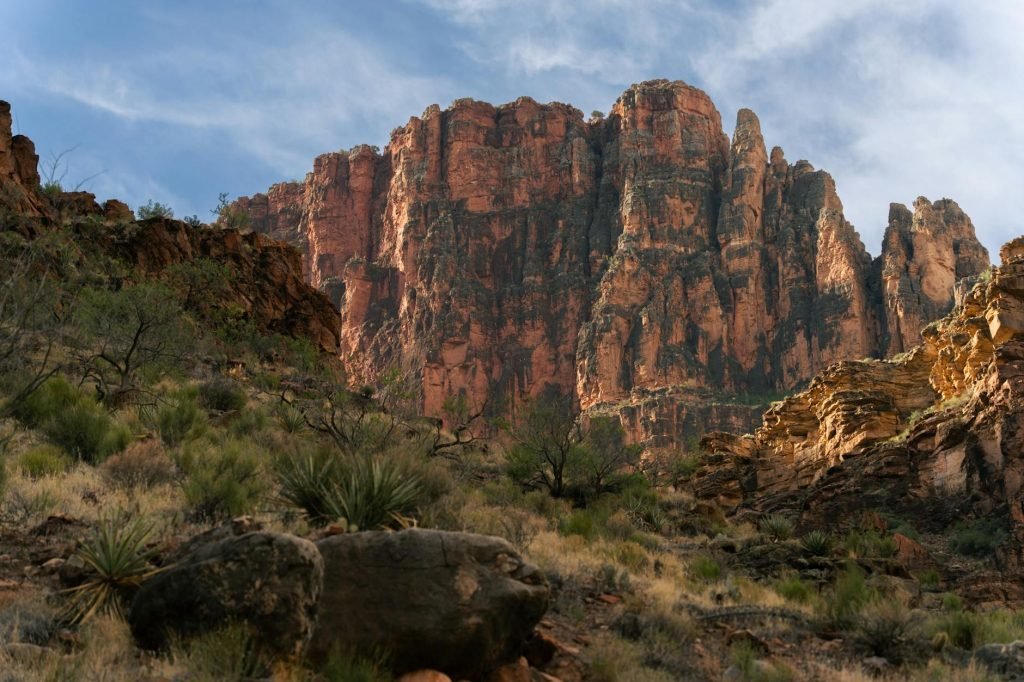
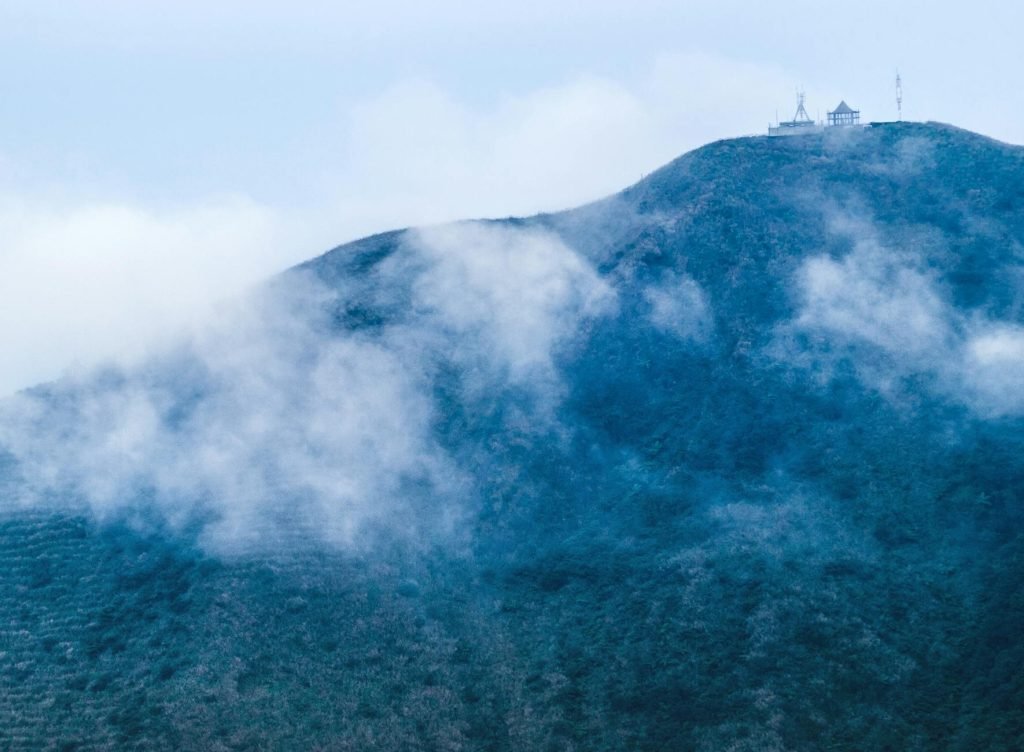
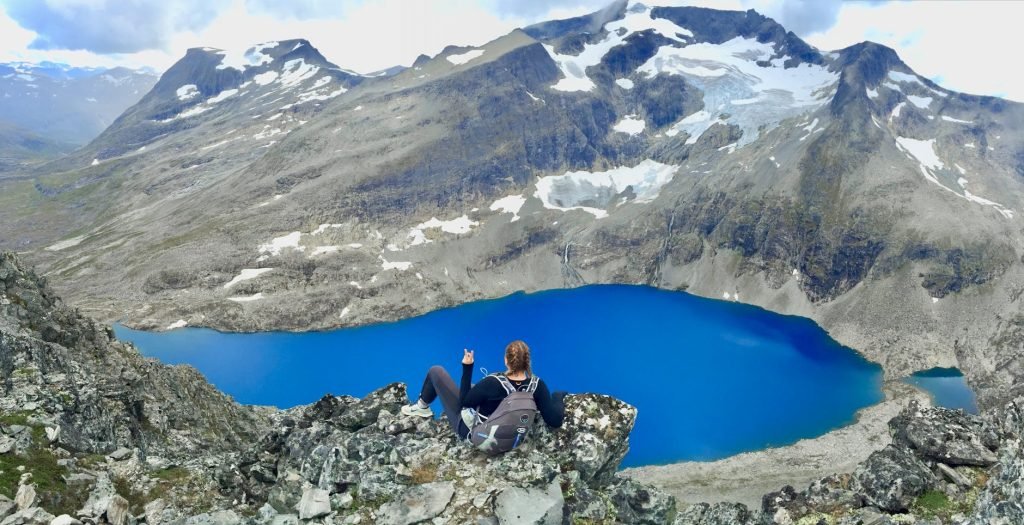
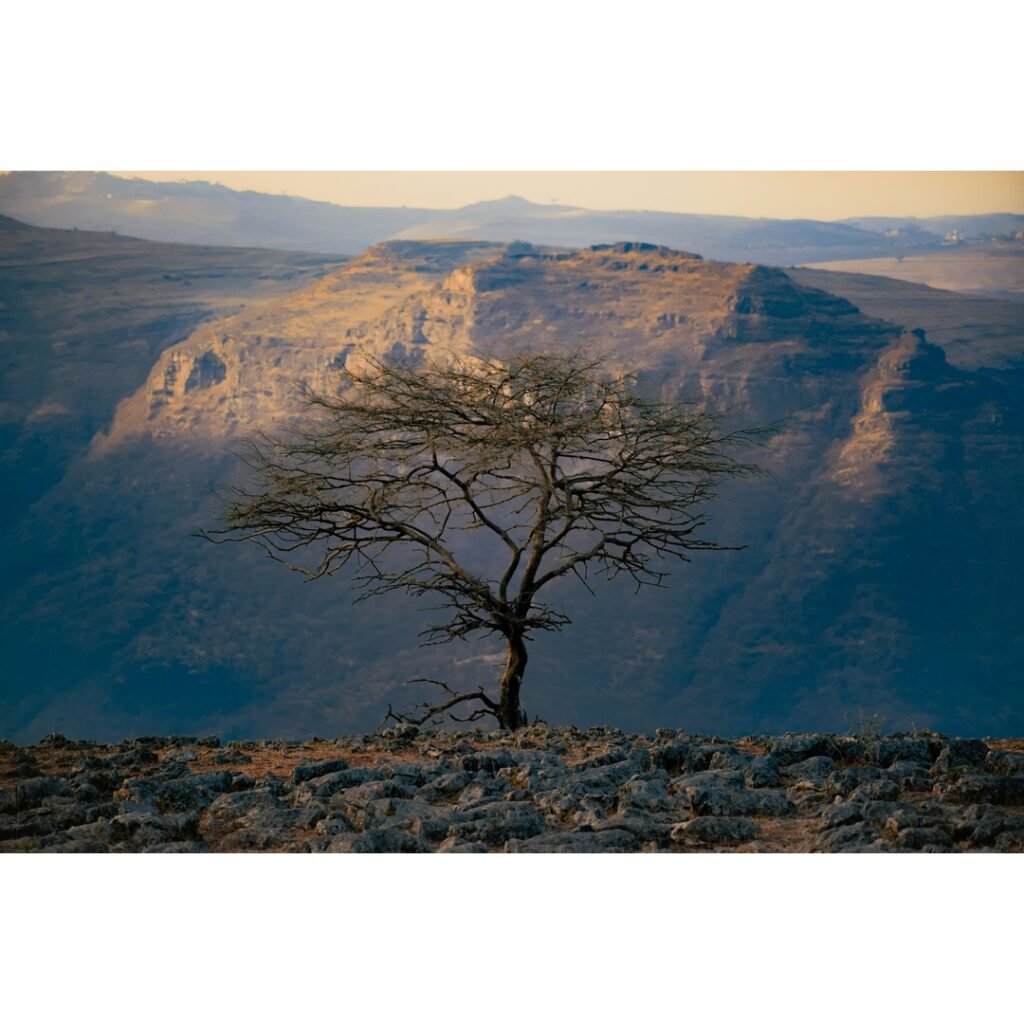
The Simien Mountains National Park is a testament to the power of nature, where massive erosion over millions of years has carved out a landscape of jagged mountain peaks, deep valleys, and sharp precipices that drop as much as 1,500 meters. This dramatic terrain, composed of ancient basaltic domes, offers a visual spectacle unlike any other.
Dominating this grandeur is Ras Dashen, Ethiopia’s highest mountain, soaring to an elevation of 4,550 meters (14,930 feet), making it the fifth highest peak in Africa. While summiting Ras Dashen is a challenging endeavor often reserved for longer treks, the park offers numerous other breathtaking viewpoints. Imet Gogo, at approximately 3,926 meters (12,880 feet) above sea level, is renowned for its stunning 360-degree panoramic views across the vast valleys and peaks. Another iconic sight is the Jinbar Waterfall, which plunges an impressive 500 meters into the Gich Abyss, creating one of the most photographed natural features in the park.
The Afro-alpine ecosystems of the Simiens are characterized by unique flora, including the striking giant lobelias, which can grow up to 10 meters high, particularly abundant on plateaus like Gich. These botanical wonders add another layer of mystique to the already captivating scenery, making every turn of the trail a discovery.
Encountering Endemic Wildlife in the Simiens
Beyond its geological marvels, the Simien Mountains National Park is a critical sanctuary for several endangered and endemic species, making wildlife encounters a highlight of any trek. The park holds global significance for biodiversity conservation.
The most iconic residents include the Gelada baboons, often seen in large troops grazing on the grasslands along the escarpment edges. These fascinating primates are easily recognizable by the males’ flowing, lion-like manes and the distinctive heart-shaped red patch on their chests. Trekkers frequently encounter them, particularly around areas like Sankaber and Chennek.
Another truly unique inhabitant is the Walia ibex, a wild mountain goat found nowhere else in the world. These agile creatures prefer the steep slopes and escarpments, typically between 2,300 and 4,000 meters, and are most frequently spotted in the early mornings or late evenings, with Chennek camp offering some of the best chances for sightings.
The elusive Ethiopian wolf, considered the rarest canid species globally, also calls the Simien Mountains home. While sightings are rarer, the thrill of potentially spotting this magnificent predator hunting in the high-altitude grasslands adds an element of profound wonder to the journey.
Other notable wildlife includes the Menelik’s bushbuck, klipspringer, and the majestic lammergeier (bearded vulture) with its impressive wingspan, often seen soaring above the cliffs. When observing wildlife, it is crucial to maintain a respectful distance and never feed the animals, as this can alter their natural behavior and pose risks to both humans and the animals themselves.
Planning Your Trekking Simien Mountains Ethiopia Adventure
A successful trek begins with meticulous planning. Understanding the logistics, requirements, and optimal timing is key to an enjoyable and safe experience.
Best Time to Visit
The dry season, which generally runs from October to May, is considered the ideal period for trekking in the Simien Mountains. Within this window, October and November are particularly favored as the landscape remains verdant and lush from the preceding rains, and visibility is excellent. February and March also offer good weather with fewer crowds. Daytime temperatures are typically mild, ranging from 10-20°C, but nights can drop below freezing, especially at higher altitudes, so warm clothing is essential regardless of the season. The peak rainy season from June to August is generally advised against for trekking due to heavy rainfall, muddy trails, and frequently obscured views, though some operators do run wet-season treks.
You might also enjoy: Embark on an Epic Journey: Your Guide to Hiking Colca Canyon Peru
Trek Duration and Routes
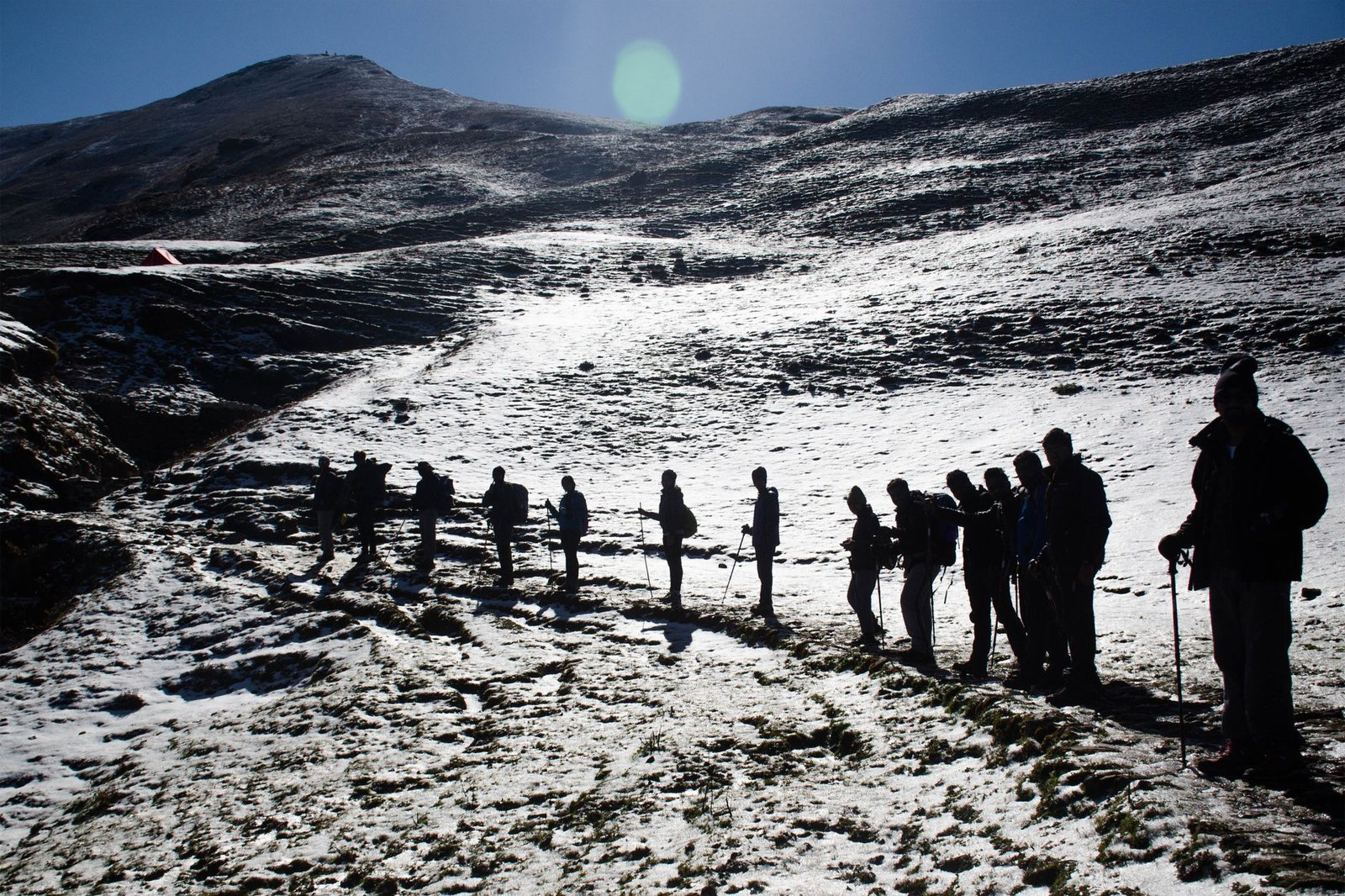
Trekking options in the Simien Mountains range from single-day excursions to extensive journeys lasting up to 17 days. The most popular multi-day treks typically span 3 to 5 days, often following a route that connects campsites like Sankaber, Gich, and Chennek along the primary escarpment. This classic route offers exceptional viewpoints and frequent wildlife sightings. Longer treks, such as those lasting 7 to 10 days, can include an ascent of Ras Dashen, Ethiopia’s highest peak. A typical 4-day trek might include stops at Sankaber (3,200m), Gich (3,600m), Imet Gogo (3,926m viewpoint), and Chennek (3,620m), with a return via Bwahit Pass (4,200m).
Permits, Guides, and Support Staff
All visitors to the Simien Mountains National Park are required to stop at the park headquarters in Debark to obtain permits. It is mandatory for trekkers to be accompanied by a qualified local guide and an armed scout. The guide provides invaluable insights into the local culture, flora, and fauna, while the scout ensures safety within the park, particularly regarding wildlife encounters. For multi-day treks, it is also highly recommended to arrange for a cook and mules to carry camping gear and supplies, significantly enhancing the trekking experience.
Practical Preparation for Your Simien Trek
The unique environment of the Simien Mountains demands thorough preparation to ensure a comfortable and safe adventure.
Physical Fitness and Altitude Acclimatization
Trekking in the Simien Mountains is rated as moderate to challenging, primarily due to the high altitude and the length of the trails. Treks often start at elevations around 3,000 meters (9,840 feet) and ascend higher, with some peaks exceeding 4,000 meters. Prior experience with high-altitude trekking is highly beneficial, and a good level of physical fitness is essential. It is wise to allow for acclimatization, perhaps by spending a day or two at a lower altitude before beginning the trek, to mitigate the risks of altitude sickness.
Essential Gear and Clothing
Given the significant temperature fluctuations between day and night, layered clothing is crucial. Pack warm layers, including a good fleece or down jacket, as nighttime temperatures can easily fall below freezing. Waterproof and windproof outer layers are also vital for protection against unpredictable weather. Sturdy, broken-in hiking boots with good ankle support are recommended for navigating the rocky and sometimes steep trails. Other essentials include a comfortable daypack, a good quality sleeping bag (as provided ones at campsites can be basic), a headlamp, sun protection (hat, sunglasses, high-SPF sunscreen), and a water purification system or tablets.
Food and Water
While cooks can be arranged to prepare meals at campsites, bringing personal snacks for energy during the day is advisable. Water sources are available along some routes, but purification is always recommended. Ensure you carry enough water for daily hydration, especially at altitude.
Navigation and Safety Considerations
Safety in the Simien Mountains is paramount, and adhering to park regulations and expert advice is crucial.
Mandatory Personnel
As previously mentioned, the presence of a local guide and an armed scout is mandatory for all trekkers. These individuals are not just escorts; they are integral to a safe and enriching experience. Guides possess intimate knowledge of the trails, local conditions, and cultural nuances, while scouts are trained to handle potential wildlife encounters and ensure overall security.
Trail Conditions and Emergency Preparedness
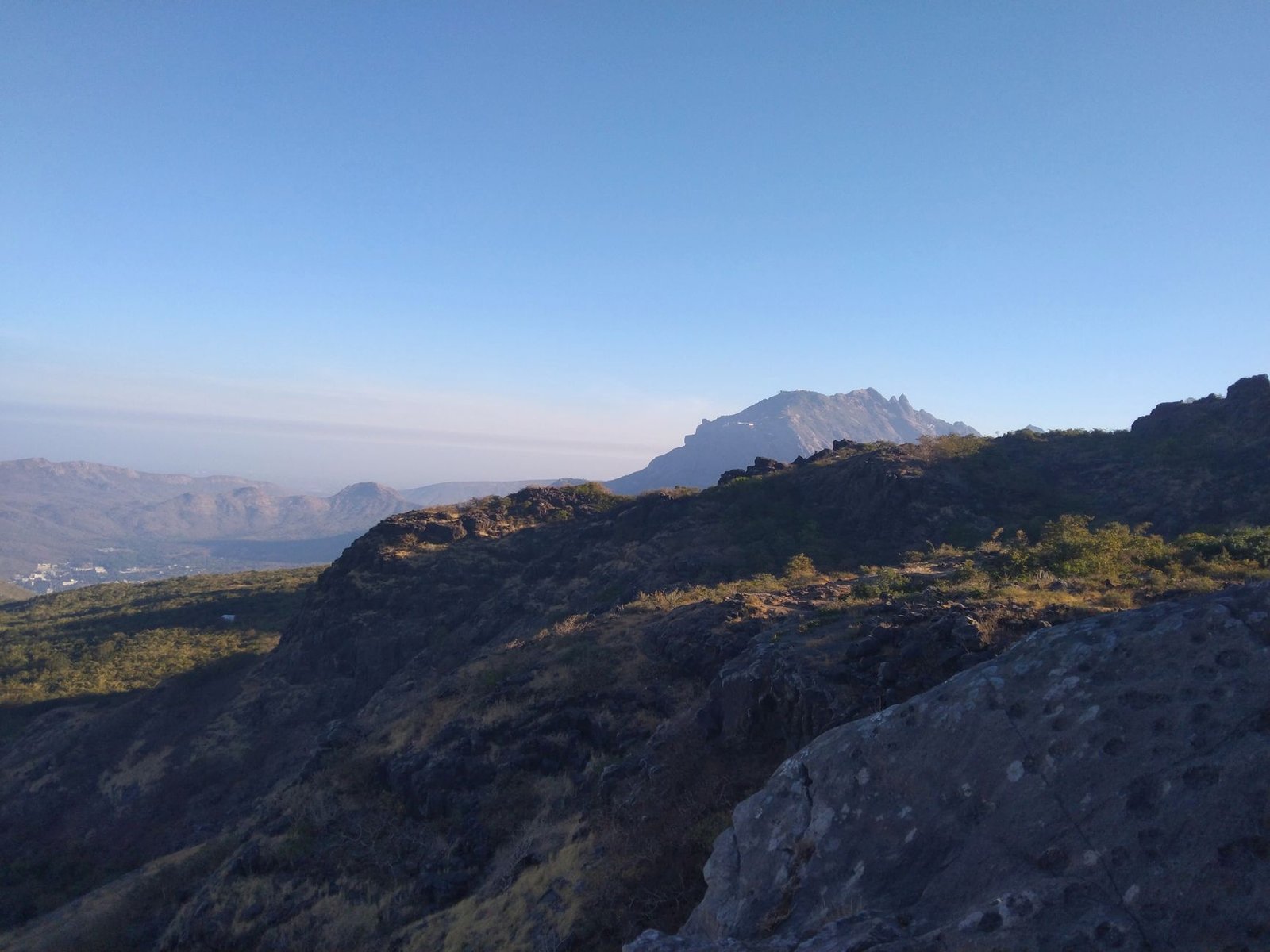
The trails in the Simien Mountains can be rugged, featuring rocky paths, steep ascents, and occasional grassy plateaus. Some sections can be slippery, particularly after rainfall. While navigation is generally straightforward with a guide, the terrain demands attention and sturdy footwear. It is important to note that there are no reliable phone lines within the park, making communication challenging. Therefore, it is critical to arrange all transport to and from the park, and any emergency procedures, before commencing the trek.
Wildlife Encounters
While encounters with endemic wildlife are a highlight, they should always be approached with caution and respect. Scouts are trained to manage these interactions, ensuring the safety of both trekkers and animals. Always follow your guide’s instructions, maintain a safe distance, and never attempt to feed or provoke any wildlife.
Environmental Stewardship and Community Engagement
Trekking in such a pristine environment comes with a responsibility to protect it and support the local communities who call it home.
You might also enjoy: Conquering the Roof of Africa: Your Ultimate Guide to Hiking Mount Kilimanjaro Tanzania
Leave No Trace Principles
Practicing Leave No Trace principles is fundamental in the Simien Mountains. This includes packing out all trash, staying on marked trails to minimize impact on vegetation, and respecting wildlife by observing from a distance. The goal is to leave the natural environment as undisturbed as possible for future generations and the resident wildlife.
Supporting Local Communities
Sustainable tourism in the Simien Mountains plays a vital role in supporting local livelihoods and conservation efforts. By hiring local guides, scouts, porters, and cooks, trekkers directly contribute to the economic well-being of families in the surrounding communities. Engaging in community-based tourism, such as visiting local villages or participating in traditional coffee ceremonies, offers authentic cultural exchange and helps preserve local traditions. This symbiotic relationship between tourism and community benefits ensures that the park’s natural and cultural heritage is valued and protected.
Personal Insights from Summit Reid
Standing on the precipice of the Simien escarpment, the world unfurls below in a tapestry of geological grandeur. The sheer scale of the landscape, with its ancient basalt formations plunging into mist-shrouded valleys, evokes a profound sense of humility and wonder. We recall a morning trek near Sankaber, where a large troop of Gelada baboons, their distinctive red chests glowing in the nascent sun, grazed peacefully, seemingly oblivious to our presence. Their calm demeanor, a testament to the respectful interaction fostered by our local guide, allowed for an intimate glimpse into their complex social world.
The crisp, thin air at Imet Gogo, with its 360-degree panorama, felt like standing on the edge of creation itself. The silence, broken only by the distant cry of a lammergeier, was a balm for the soul. Even the challenging ascents, particularly the final scramble towards a high pass, became part of the reward. The cold nights, where temperatures dipped below freezing, were met with the warmth of a communal campfire and the shared stories of fellow trekkers, forging bonds under a canopy of stars so bright they seemed within reach.
The cultural encounters were equally enriching. Passing through small villages, we were met with genuine smiles and the simple, enduring hospitality of the highland people. These interactions underscored the importance of responsible travel, knowing that our journey directly supported these communities and their efforts to coexist with this incredible wilderness. The Simien Mountains are not merely a place to hike; they are a living, breathing landscape that connects one to the ancient rhythms of nature and humanity.
Conclusion: Answer the Call of the Simien Mountains
Trekking Simien Mountains Ethiopia is more than just a hike; it is an immersive journey into a landscape of unparalleled beauty, unique biodiversity, and rich cultural heritage. From the dramatic cliffs and towering peaks to the captivating endemic wildlife and the warm hospitality of its people, the Simiens offer a transformative adventure for any hiking enthusiast.
The preparation may be rigorous, and the trails challenging, but the rewards are immeasurable – a profound connection with nature, unforgettable wildlife encounters, and a deep appreciation for one of Africa’s most spectacular natural wonders. Answer the call of the Simien Mountains; plan your adventure, embrace responsible travel, and discover the magic that awaits on the Roof of Africa.
Frequently Asked Questions
What is the best time of year for trekking in the Simien Mountains?
The ideal time for trekking in the Simien Mountains is during the dry season, which runs from October to May. Specifically, October-November and February-March offer excellent conditions with lush landscapes and good visibility, while avoiding the peak rainy season from June to August.
Are guides and scouts mandatory for trekking in the Simien Mountains?
Yes, it is mandatory for all visitors to the Simien Mountains National Park to obtain permits and be accompanied by a qualified local guide and an armed scout. These personnel are essential for navigation, safety, and providing cultural and ecological insights.
What unique wildlife can be seen while trekking Simien Mountains Ethiopia?
The Simien Mountains are home to several endemic species, most notably the Gelada baboon, the Walia ibex (a wild mountain goat found only here), and the elusive Ethiopian wolf. Trekkers may also spot Menelik’s bushbuck, klipspringer, and the majestic lammergeier (bearded vulture).
How difficult is trekking in the Simien Mountains?
Trekking in the Simien Mountains is generally rated as moderate to challenging. The difficulty stems primarily from the high altitude, with trails often starting around 3,000 meters and ascending higher, and the length of the routes. A good level of physical fitness and some prior experience with high-altitude hiking are recommended.
Related Adventures
- Embark on an Epic Journey: Your Guide to Hiking Colca Canyon Peru
- Conquering the Roof of Africa: Your Ultimate Guide to Hiking Mount Kilimanjaro Tanzania
- Trekking in Nepal Himalayas Annapurna: Your Ultimate Guide to an Unforgettable Journey
⚠️ Safety Notice: This content is for informational purposes only. Always consult local guides and operators, verify current conditions, and ensure appropriate skills and certifications before any outdoor activity. DiveBikeHike is not responsible for injuries or incidents.