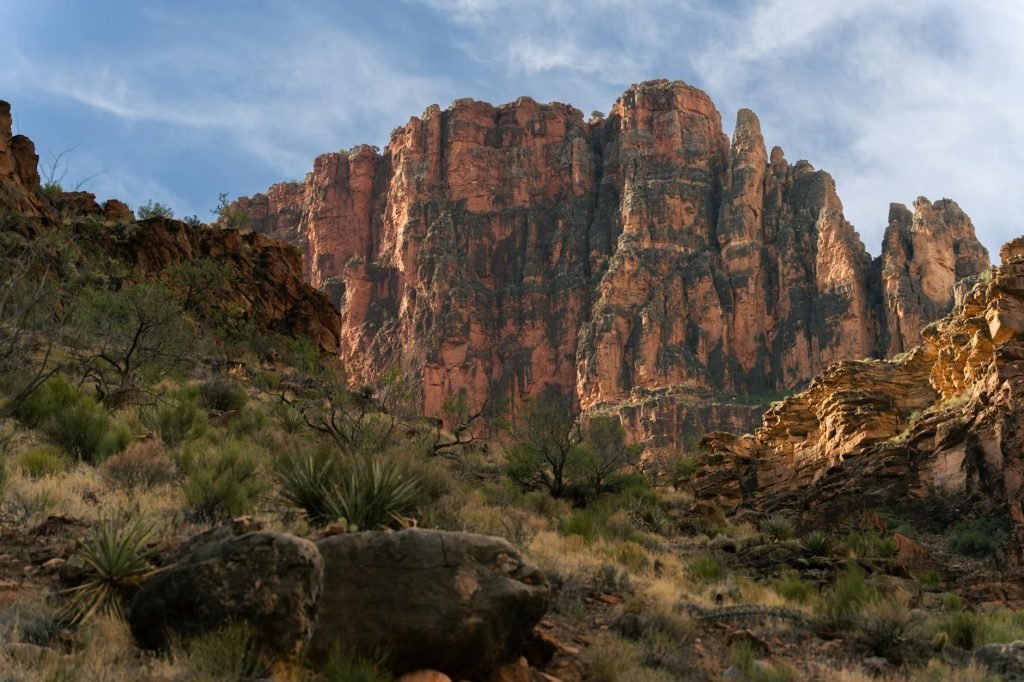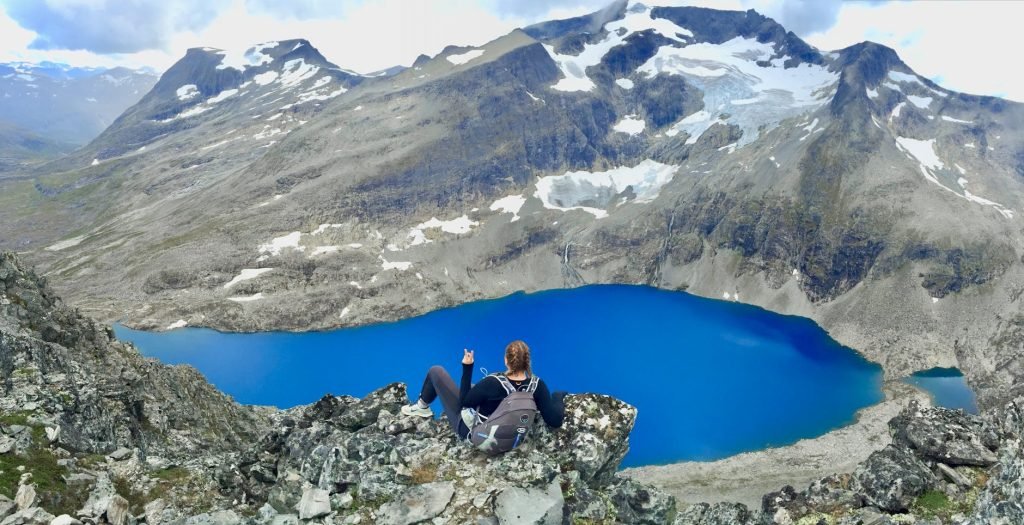

For those who hear the call of the wild, the whisper of ancient trees, and the roar of the Pacific, hiking the West Coast Trail Canada stands as an undisputed pinnacle of multi-day backpacking adventures. This iconic 75-kilometer (approximately 47-mile) trek along the southwestern edge of Vancouver Island, British Columbia, is more than just a hike; it is a pilgrimage into one of the world’s most pristine and challenging coastal wildernesses. It demands respect, preparation, and an unwavering spirit, but in return, it offers an experience so profound it reshapes one’s understanding of nature and self.
The West Coast Trail, often affectionately known as the WCT, is a journey through a landscape carved by millennia of wind, waves, and geological forces. It winds through dense, moss-draped old-growth rainforests, along expansive sandy beaches, and over rocky headlands, offering a dynamic tapestry of ecosystems. This guide aims to provide a comprehensive overview for hiking enthusiasts contemplating this extraordinary Canadian odyssey, delving into the practicalities, the challenges, and the unparalleled rewards.
A Journey Through History and Wilderness: The Essence of Hiking the West Coast Trail Canada
The origins of the West Coast Trail are deeply rooted in maritime history and Indigenous heritage. Originally established in 1907 as the Dominion Life Saving Trail, its primary purpose was to facilitate the rescue of shipwrecked mariners along what became known as the “Graveyard of the Pacific.” The treacherous coastline, frequently shrouded in fog and battered by storms, claimed countless vessels, making the trail a vital lifeline for survivors. Today, remnants of these shipwrecks can still be seen along the shore, serving as poignant reminders of the trail’s dramatic past.
Long before European contact, the lands traversed by the WCT were, and continue to be, the traditional territories of the Huu-ay-aht, Ditidaht, and Pacheedaht First Nations. Their ancestral trails and seasonal village sites are woven into the fabric of the landscape, offering a deep cultural layer to the wilderness experience. Hikers are encouraged to acknowledge and respect this rich history, recognizing the trail as a living landscape with profound significance to its original custodians.
The trail’s diverse terrain is one of its most defining characteristics. Hikers will navigate through towering old-growth forests, where ancient cedars and spruces create a cathedral-like canopy, their roots forming intricate networks across the forest floor. These sections are often characterized by challenging mud pits, slippery boardwalks, and numerous ladders that ascend and descend steep ravines. In stark contrast, the beach sections offer expansive views of the Pacific Ocean, opportunities for wildlife viewing, and the unique challenge of navigating tidal shelves and surge channels. The constant interplay between forest and beach hiking ensures that no two days on the WCT are ever quite the same.
Understanding the Challenges and Rewards of a WCT Adventure
The West Coast Trail is renowned for its difficulty, and rightly so. It is not a casual stroll but a demanding multi-day backpacking trip that tests physical endurance, mental fortitude, and problem-solving skills. The trail length of approximately 75 kilometers typically takes hikers between 5 to 7 days to complete, depending on their pace, experience, and trail conditions.
- Mud and Roots: Expect significant sections of deep, unavoidable mud, especially during and after rainfall. The forest floor is also a labyrinth of exposed tree roots, requiring constant attention to foot placement.
- Ladders and Cable Cars: Over 100 ladders, some reaching heights of 30 feet or more, are integral to the trail, facilitating ascents and descents into and out of ravines. Several manual cable cars allow hikers to cross rivers, adding a unique, physically engaging element to the journey.
- Tidal Considerations: Many beach sections are only passable at low tide. Hikers must carry and meticulously consult tide tables provided by Parks Canada to plan their daily routes, as failing to do so can lead to being stranded or forced to take more challenging, longer inland routes.
- River Crossings: Beyond the cable cars, several significant river crossings, such as the Nitinaht Narrows (which requires a ferry operated by the Ditidaht First Nation) and the Gordon River (another ferry service), are part of the experience. Smaller creeks may require wading.
- Weather: The Pacific Rim experiences unpredictable weather. Rain, fog, and strong winds are common, even in summer. Hypothermia is a real risk, emphasizing the need for appropriate waterproof gear and layering.
Despite these challenges, the rewards are immeasurable. The sense of accomplishment upon completing the trail is profound. Hikers are treated to breathtaking vistas of the Pacific Ocean, dramatic sea stacks, and vibrant sunsets. Opportunities for wildlife viewing abound, including sightings of grey whales, orcas, seals, sea lions, and a myriad of bird species. Black bears and cougars also inhabit the area, underscoring the importance of proper food storage and wildlife awareness.
The trail also fosters a unique camaraderie among hikers. Sharing the struggles and triumphs, the laughter and the quiet moments of awe, creates bonds that often last long after the journey concludes. It is a place where the distractions of modern life fade away, replaced by the rhythm of footsteps, the sound of the ocean, and a deep, primal connection to the natural world.
Practical Preparation for Hiking the West Coast Trail Canada
Thorough preparation is paramount for a safe and enjoyable experience on the WCT. This is not a trail to be underestimated, and those who arrive unprepared often find themselves in difficult situations.
Permits and Reservations
The West Coast Trail operates on a strict quota system to protect its fragile ecosystem and ensure a quality wilderness experience. Permits are mandatory and highly sought after. Reservations typically open in January each year for the upcoming season (May 1 to September 30) and often sell out within minutes or hours.
Hikers must choose their entry point (Pachena Bay in the north, Gordon River in the south, or the mid-point at Nitinaht Narrows) and their desired start date. Parks Canada provides detailed information on the reservation process, fees, and orientation requirements, which are mandatory for all hikers before starting the trail.
You might also enjoy: Conquering the High Sierra: Your Ultimate Guide to Hiking the John Muir Trail California

Physical Training
The WCT demands a high level of physical fitness. Training should begin months in advance and focus on cardiovascular endurance, strength, and balance. Incorporate long hikes with a fully loaded backpack (mimicking trail weight) over varied terrain, including hills, stairs, and uneven ground. Practicing ascending and descending ladders can also be beneficial. Strong core and leg muscles are essential for navigating the challenging terrain, especially the mud and roots.
Essential Gear Checklist
Packing smart is crucial. Every item carried adds weight, but omitting essentials can lead to serious problems. Here’s a comprehensive, though not exhaustive, list:
- Backpack: A sturdy, comfortable backpack with a capacity of 65-85 liters is generally recommended.
- Shelter: A lightweight, waterproof tent with a strong rainfly.
- Sleeping System: A warm sleeping bag (rated for temperatures down to 0°C/32°F, even in summer) and a sleeping pad.
- Cooking System: A lightweight backpacking stove, fuel, cooking pot, and utensils. Bear-resistant food canisters or bags are mandatory for food storage.
- Water Filtration: A reliable water filter or purification tablets. All water from natural sources must be treated.
- Navigation: The official West Coast Trail map, tide tables, and a compass. A GPS device or smartphone with offline maps can be a useful backup.
- First-Aid Kit: Comprehensive kit including blister treatment, pain relievers, bandages, antiseptic wipes, and any personal medications. Consider a wilderness first aid course.
- Clothing: Layered system including waterproof and windproof outer shells (jacket and pants), moisture-wicking base layers, insulating mid-layers (fleece or puffy jacket), quick-drying hiking pants, and extra socks. Avoid cotton.
- Footwear: Sturdy, waterproof hiking boots with excellent ankle support are non-negotiable. Gaiters are highly recommended to keep mud and debris out of boots.
- Headlamp/Flashlight: With extra batteries.
- Emergency Whistle and Signalling Mirror: For attracting attention in an emergency.
- Toiletries: Biodegradable soap, toilet paper, trowel for digging catholes.
- Bear Spray: Recommended, and know how to use it.
Food Planning
Plan for high-calorie, lightweight, and non-perishable food. Dehydrated meals, nuts, dried fruit, energy bars, and instant oatmeal are popular choices. Ensure enough food for the entire trip, plus an extra day’s supply for emergencies. All food and scented items must be stored in bear-resistant containers or hung from bear caches at designated campsites.
Navigation and Safety Considerations on the West Coast Trail
Safety on the WCT is a shared responsibility. While Parks Canada maintains the trail and provides essential information, each hiker must be prepared to be self-sufficient in a remote wilderness environment.
Understanding Tide Tables and Coastal Navigation
The tide tables are arguably the most critical navigation tool on the WCT. Several sections of the trail, particularly between Thrasher Cove and Camper Bay, and around Owen Point, are impassable at high tide. Hikers must study the tide tables daily and plan their movements accordingly, allowing ample time to clear tidal zones. Missing a low tide window can result in significant delays, forced detours onto more difficult inland routes, or even dangerous situations.
Beyond tides, coastal navigation involves understanding surge channels, which are deep cuts in the rock that fill with powerful waves, and slippery algal growth on rocks. Always exercise extreme caution when traversing rocky shorelines, especially near the water’s edge.
Wildlife Encounters
The WCT is home to a variety of wildlife. Black bears and cougars are present, though encounters are rare. Hikers should carry bear spray and know how to use it, make noise while hiking, and store all food and scented items properly. Never approach or feed wildlife. Marine life, such as whales and seals, can be observed from a safe distance along the coast.
Emergency Preparedness
Cell phone service is unreliable or non-existent on most of the trail. Carrying a satellite communication device (e.g., an inReach or SPOT device) is highly recommended for emergencies. Parks Canada maintains emergency shelters and communication points at various locations. In case of an emergency, activate your satellite device or use an emergency phone at a designated point. Always inform someone of your itinerary before starting the hike.
Leave No Trace Principles
Environmental stewardship is crucial for preserving the pristine nature of the WCT. Hikers must adhere strictly to Leave No Trace principles:
- Plan Ahead and Prepare: Know the regulations and prepare for hazards.
- Travel and Camp on Durable Surfaces: Stick to the trail, camp only in designated areas.
- Dispose of Waste Properly: Pack out everything you pack in, including all garbage and food scraps. Human waste should be buried in catholes 6-8 inches deep and at least 200 feet from water sources, trails, and campsites.
- Leave What You Find: Do not remove natural objects or historical artifacts.
- Minimize Campfire Impacts: Use established fire rings, keep fires small, and ensure they are completely out. Some areas may have fire bans.
- Respect Wildlife: Observe from a distance, never feed animals.
- Be Considerate of Other Visitors: Yield to others, keep noise levels down.
Personal Insights: The Transformative Power of Hiking the West Coast Trail Canada
For Summit Reid, an experienced hiker who has traversed countless trails across the globe, the West Coast Trail holds a special place. “The WCT isn’t just a physical challenge; it’s a profound mental and spiritual journey,” Reid often remarks. “We’ve hiked trails with higher elevations and longer distances, but few match the sheer, relentless character of the West Coast Trail. It strips away the unnecessary, forcing a focus on the immediate: the next step, the next tide window, the warmth of a campfire.”
Reid recalls one particular evening at Tsusiat Falls, a majestic waterfall that cascades directly onto the beach, offering a unique opportunity for a freshwater shower. “After days of battling mud and rain, reaching Tsusiat felt like arriving at an oasis. The roar of the falls, the mist on our faces, and the sheer beauty of the setting sun painting the sky – it was a moment of pure, unadulterated joy and gratitude. It reminded us that even in the most challenging environments, nature offers incredible gifts.”
You might also enjoy: Conquering the Heights: Your Ultimate Guide to Hiking Mount Kenya Africa

Another vivid memory involves navigating the notoriously challenging sections around Owen Point. “The tide was dropping, but not quickly enough for comfort. We had to move with precision, scrambling over slippery boulders covered in barnacles and mussels, constantly watching the incoming waves. It was exhilarating and terrifying in equal measure. But successfully navigating that section, relying on teamwork and careful planning, instilled a deep sense of accomplishment and trust in our abilities. It’s in these moments of shared challenge that the true spirit of the trail reveals itself.”
The connection to nature on the WCT is palpable. “We remember sitting on a log at Camper Bay, watching a grey whale breach repeatedly just offshore. The sheer power and grace of that creature, in its natural habitat, was a humbling experience. It’s moments like these that underscore the importance of environmental stewardship and why we must protect these wild places for future generations.”
Reid emphasizes that the trail teaches resilience. “There will be moments of doubt, moments when the mud feels endless, or the rain seems relentless. But pushing through those moments, finding strength you didn’t know you had, that’s where the growth happens. The West Coast Trail doesn’t just take you through a beautiful landscape; it takes you on an internal journey, leaving you with a deeper appreciation for the wild and a stronger sense of self.”
Conclusion: Embrace the Call of the West Coast Trail Canada
Hiking the West Coast Trail Canada is an experience that transcends the ordinary. It is a rigorous test of endurance, a profound immersion in ancient wilderness, and a journey into the heart of one’s own resilience. From the historical echoes of shipwrecks to the vibrant life of its marine and terrestrial ecosystems, every step on the WCT tells a story.
The challenges are significant, but the rewards—the breathtaking vistas, the intimate connection with nature, the camaraderie forged on the trail, and the undeniable sense of achievement—are truly unparalleled. This trail calls to those who seek more than just a hike; it calls to those who yearn for an adventure that will challenge, inspire, and ultimately transform them.
If the call of the wild Pacific coast resonates with your spirit, begin your meticulous preparation now. Research, train, pack wisely, and commit to the principles of Leave No Trace. The West Coast Trail awaits, ready to offer an unforgettable chapter in your hiking journey. Embrace the challenge, respect the wilderness, and prepare for an adventure that will forever echo in your memory.
Frequently Asked Questions
How difficult is hiking the West Coast Trail Canada?
The West Coast Trail is considered a challenging and strenuous multi-day backpacking trip. Its difficulty stems from varied terrain including deep mud, slippery roots, numerous ladders, cable car crossings, and the necessity of navigating tidal zones. Hikers should possess a high level of physical fitness, strong navigational skills, and experience in wilderness backpacking.
What are the best times of year for hiking the West Coast Trail Canada?
The official hiking season for the West Coast Trail runs from May 1st to September 30th. The most popular months are typically July and August, offering generally warmer and drier weather, though rain and fog can occur at any time. The shoulder seasons (May, June, and September) can offer fewer crowds but often come with more unpredictable weather conditions and potentially muddier trails.
Are permits required for hiking the West Coast Trail Canada, and how do I get one?
Yes, permits are mandatory for hiking the West Coast Trail and are managed by Parks Canada. Due to high demand, reservations are essential and typically open in January for the upcoming season. Permits are allocated on a quota system, and hikers must attend a mandatory orientation session before starting the trail. It is crucial to plan well in advance and secure reservations as early as possible.
What kind of wildlife can be seen on the West Coast Trail?
The West Coast Trail offers excellent opportunities for wildlife viewing. Along the coast, hikers may spot grey whales, orcas, seals, and sea lions. Inland, the forest is home to black bears, cougars, and various bird species. Hikers must practice safe wildlife viewing, store food properly, and be aware of their surroundings, especially regarding larger mammals.
Related Adventures
- Conquering the High Sierra: Your Ultimate Guide to Hiking the John Muir Trail California
- Conquering the Heights: Your Ultimate Guide to Hiking Mount Kenya Africa
- Conquering the Roof of Africa: Your Ultimate Guide to Hiking Mount Kilimanjaro Tanzania
⚠️ Safety Notice: This content is for informational purposes only. Always consult local guides and operators, verify current conditions, and ensure appropriate skills and certifications before any outdoor activity. DiveBikeHike is not responsible for injuries or incidents.